🚚 Free Worldwide Shipping on All Orders!Shop Now

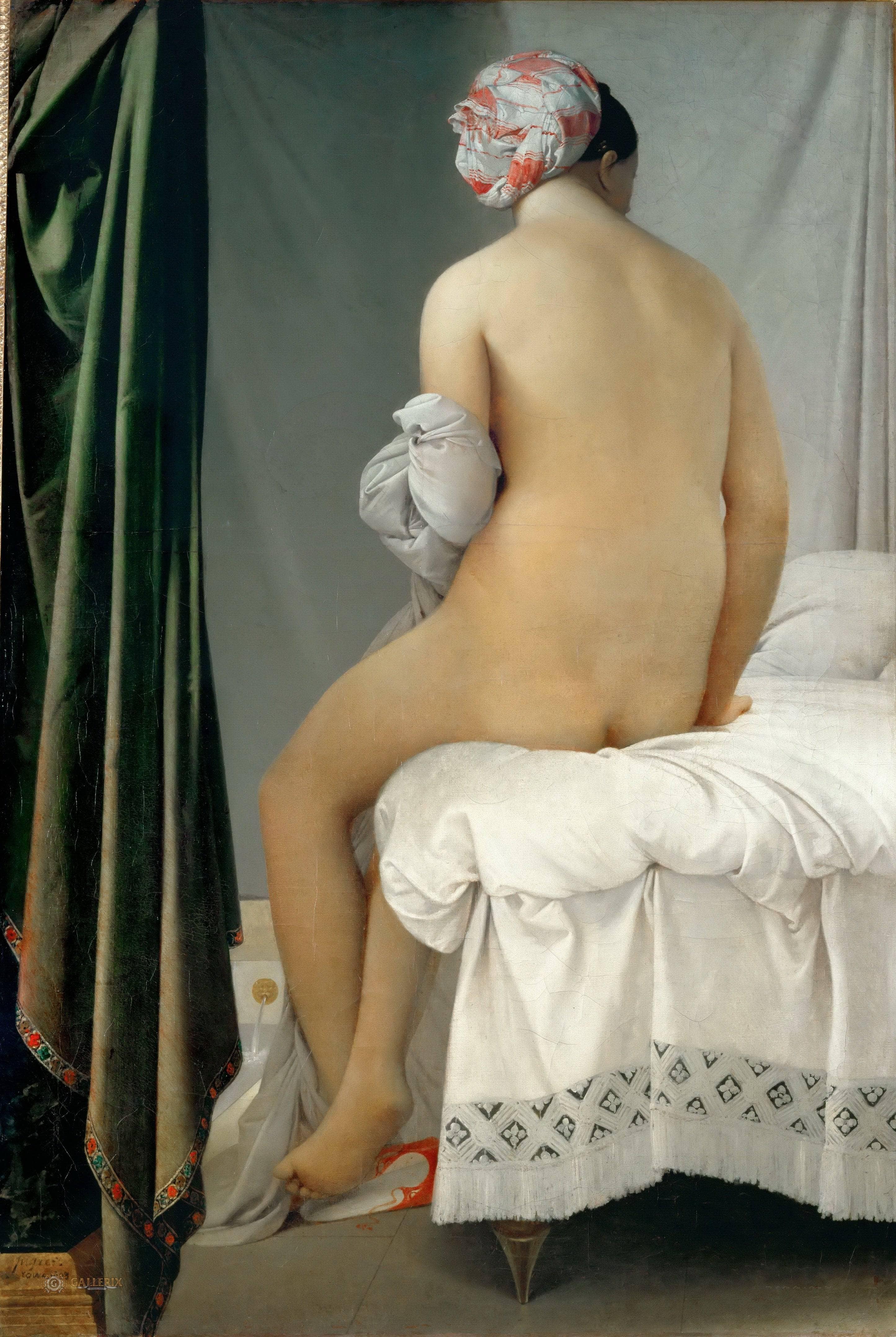
The Bather of Valpinçon
The Bather of Valpinçon: A Masterpiece of 19th Century French Art
Exploring the Artistic Genius of Jean Auguste Dominique Ingres
Biographical Insights into Ingres' Life and Influences
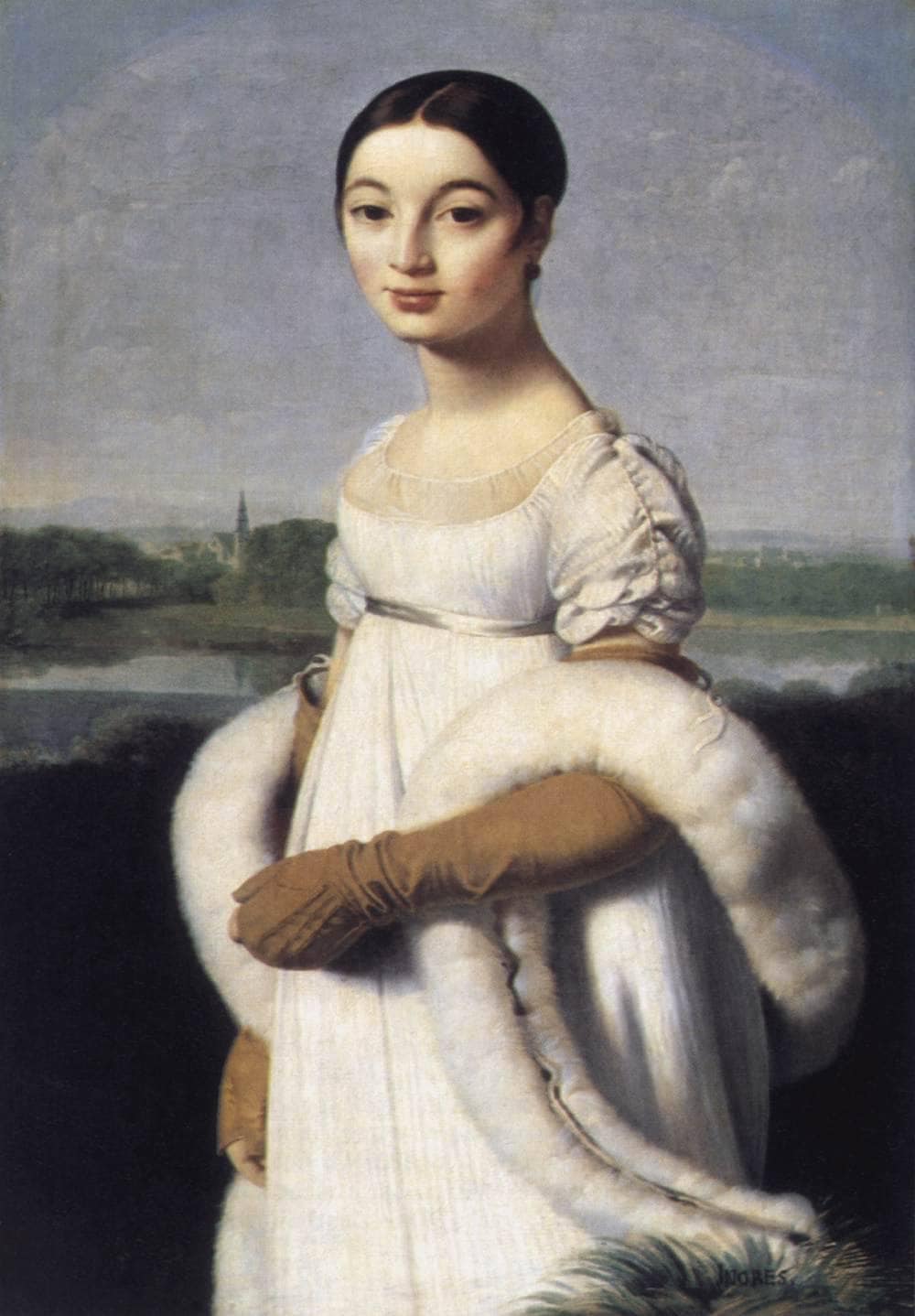
Jean Auguste Dominique Ingres, born in 1780 in Montauban, France, was a pivotal figure in the Neoclassical movement. His early training under Jacques-Louis David shaped his meticulous approach to form and composition. Ingres' travels to Italy deepened his appreciation for Renaissance art, particularly the works of Raphael and Titian. These influences are evident in his commitment to idealized beauty and precise detail, which he masterfully employed in "The Bather of Valpinçon."The Evolution of Ingres' Artistic Style and Techniques
Throughout his career, Ingres transitioned from Neoclassicism to a more personal style that embraced Romanticism. His paintings often feature elongated forms and a focus on the human figure, showcasing his unique interpretation of beauty. In "The Bather of Valpinçon," Ingres combines classical elements with a sensual portrayal of femininity, reflecting his evolving artistic vision.Unveiling the Symbolism in The Bather of Valpinçon
Understanding the Representation of Femininity and Beauty
In "The Bather of Valpinçon," the female figure embodies the ideals of beauty and grace. Her relaxed pose and serene expression invite viewers to contemplate the nature of femininity. The painting symbolizes not just physical beauty but also the inner tranquility and strength of women, a theme that resonates throughout art history.The Role of the Bathing Figure in Art History
The motif of the bather has a rich history in art, often representing purity and sensuality. Ingres' interpretation stands out for its emphasis on the subject's individuality and emotional depth. This painting connects to a long tradition of bathing figures, from ancient sculptures to the works of Impressionists, yet it retains a distinct neoclassical elegance.Composition and Color Palette: Analyzing Ingres' Techniques
The Use of Light and Shadow in The Bather of Valpinçon
Ingres skillfully employs chiaroscuro to create depth and dimension in "The Bather of Valpinçon." The interplay of light and shadow enhances the figure's curves and highlights the softness of her skin. This technique draws the viewer's eye and adds a three-dimensional quality to the painting.Color Symbolism: The Meaning Behind the Palette Choices
The color palette in "The Bather of Valpinçon" features soft pastels and rich earth tones, evoking a sense of calm and intimacy. The warm hues of the background contrast with the cooler tones of the figure, emphasizing her presence. Ingres' choice of colors not only enhances the aesthetic appeal but also conveys emotional undertones, inviting viewers to engage with the artwork on a deeper level.The Cultural Context of The Bather of Valpinçon
19th Century France: Artistic Movements and Societal Norms
The early 19th century in France was a time of significant artistic change. The rise of Romanticism challenged the rigid structures of Neoclassicism. Ingres' work reflects this shift, as he embraced emotional expression while maintaining classical techniques. "The Bather of Valpinçon" captures the spirit of an era that celebrated individualism and the exploration of human emotion.How The Bather Reflects the Romantic Era's Ideals
Ingres' painting aligns with Romantic ideals by emphasizing personal experience and emotional depth. The bather's contemplative pose suggests introspection, a common theme in Romantic art. This connection to the Romantic movement highlights Ingres' ability to blend classical form with modern sensibilities, making "The Bather of Valpinçon" a timeless piece.Comparative Analysis: The Bather of Valpinçon and Other Works
Contrasting Ingres' Bather with Other Notable Bathing Figures
When compared to other bathing figures in art, such as those by Édouard Manet or Pierre-Auguste Renoir, Ingres' work stands out for its classical precision and emotional resonance. While Impressionists focused on movement and light, Ingres captured stillness and contemplation, offering a unique perspective on the bathing theme.Influences of Classical Art on Ingres' Composition
Ingres drew heavily from classical art, particularly the works of ancient Greek and Roman sculptures. His composition in "The Bather of Valpinçon" reflects this influence through the idealized form and balanced proportions of the figure. This connection to classical art underscores Ingres' role as a bridge between the past and the evolving art movements of his time.Artistic Techniques: The Craftsmanship Behind The Bather of Valpinçon
Brushwork and Texture: A Closer Look at Ingres' Methodology
Ingres' meticulous brushwork in "The Bather of Valpinçon" creates a smooth, almost polished surface that enhances the figure's beauty. His attention to detail is evident in the delicate rendering of the skin and the flowing drapery. This craftsmanship showcases Ingres' dedication to his art and his desire to achieve perfection in every aspect of the painting.Canvas and Composition: The Technical Aspects of the Painting
Painted on canvas, "The Bather of Valpinçon" measures 39.4 x 32.3 inches, allowing for a life-sized representation of the figure. Ingres' careful composition balances the figure with the surrounding space, creating a harmonious relationship between the subject and her environment. This technical precision contributes to the overall impact of the artwork.Reception and Legacy of The Bather of Valpinçon
Critical Reception at the Time of Unveiling
When "The Bather of Valpinçon" was first unveiled in 1808, it received mixed reviews. Some critics praised Ingres for his technical skill and innovative approach, while others found the painting too idealized. Over time, however, it has come to be regarded as one of Ingres' masterpieces, celebrated for its beauty and emotional depth.The Painting's Influence on Future Generations of Artists
"The Bather of Valpinçon" has inspired countless artists, influencing movements such as Symbolism and Modernism. Its exploration of femininity and beauty continues to resonate, encouraging artists to examine the human form and emotional expression. Ingres' legacy lives on through this iconic work, which remains a touchstone in the study of art history.FAQs About The Bather of Valpinçon
What is the historical significance of The Bather of Valpinçon?
"The Bather of Valpinçon" is significant for its blend of Neoclassical and Romantic elements, showcasing Ingres' unique style and the evolution of 19th-century art.How does The Bather of Valpinçon reflect Ingres' artistic philosophy?
The painting reflects Ingres' belief in the importance of beauty and idealized forms, emphasizing emotional depth and the human experience.What are the main themes depicted in The Bather of Valpinçon?
Key themes include femininity, beauty, introspection, and the relationship between the figure and her environment.In what ways does The Bather of Valpinçon connect to the Romantic movement?
The painting connects to the Romantic movement through its emotional expression and focus on individual experience, contrasting with the more rigid Neoclassical ideals.What techniques did Ingres use to create depth in The Bather of Valpinçon?
Ingres used chiaroscuro and careful brushwork to create depth, enhancing the three-dimensional quality of the figure.How can I appreciate the details in The Bather of Valpinçon?
To appreciate the details, focus on the interplay of light and shadow, the texture of the skin, and the graceful lines of the figure's pose.What should I know about reproductions of The Bather of Valpinçon?
Reproductions of "The Bather of Valpinçon" offer a superior alternative to prints, capturing the intricate details and vibrant colors of the original painting, making them ideal for art lovers.Are there any notable exhibitions featuring The Bather of Valpinçon?
"The Bather of Valpinçon" has been featured in numerous exhibitions, including retrospectives of Ingres' work, highlighting its enduring significance in the art world.Select Size
From $89.98
Original: $299.95
-70%The Bather of Valpinçon—
$299.95
$89.98Product Information
Product Information
Shipping & Returns
Shipping & Returns