🚚 Free Worldwide Shipping on All Orders!Shop Now

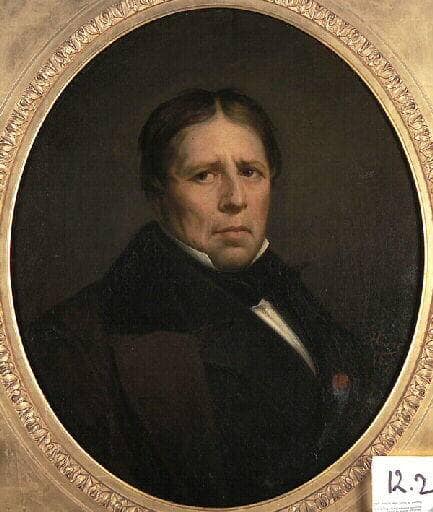
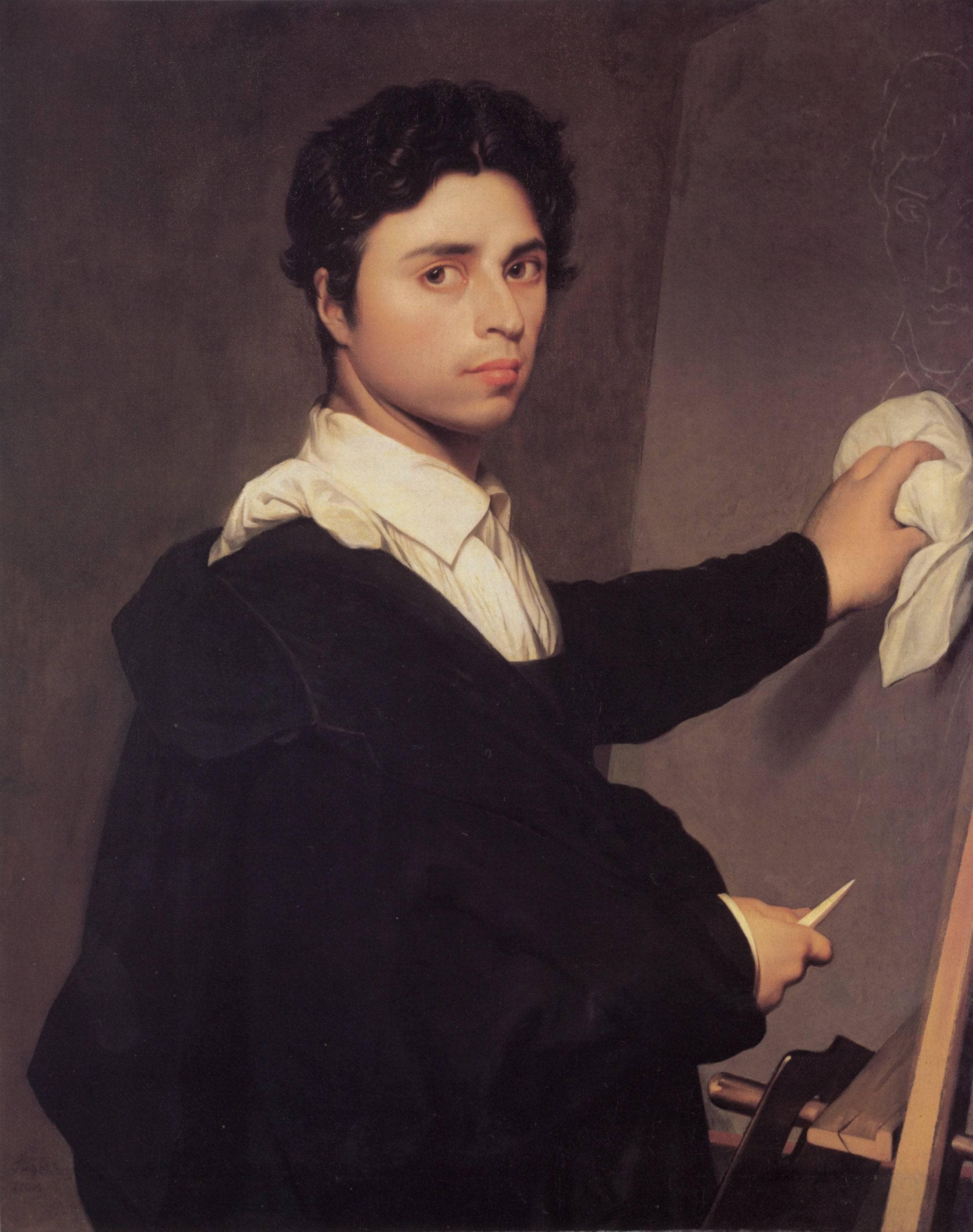
Self-Portrait
Discovering Self-Portrait: The Artistic Journey of Jean Auguste Dominique Ingres
Unveiling the Master: Jean Auguste Dominique Ingres' Life and Legacy
Early Influences and Artistic Development
Jean Auguste Dominique Ingres was born in 1780 in Montauban, France. His early exposure to art came from his father, a painter, who nurtured his talent. Ingres studied at the prestigious Académie Royale de Peinture et de Sculpture in Paris. He was deeply influenced by the works of Raphael and the classical ideals of beauty. This foundation shaped his unique style, blending precision with emotional depth.Ingres' Role in the Neoclassical Movement
Ingres became a leading figure in the Neoclassical movement, which emphasized harmony, clarity, and idealized forms. His commitment to these principles set him apart from his contemporaries. He believed in the importance of drawing and often prioritized line over color. This dedication to Neoclassicism is evident in his meticulous compositions and graceful figures.Significant Works and Their Impact on Art History
Ingres created several masterpieces, including "La Grande Odalisque" and "The Turkish Bath." These works challenged traditional representations of the female form and showcased his innovative approach to composition. His influence extended beyond his lifetime, inspiring artists like Edgar Degas and Pablo Picasso. Ingres' legacy continues to resonate in the art world today.Self-Portrait: A Window into Ingres' Soul
Analyzing the Composition: Lines, Shapes, and Colors
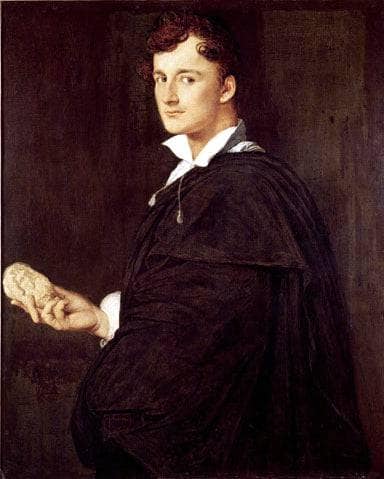
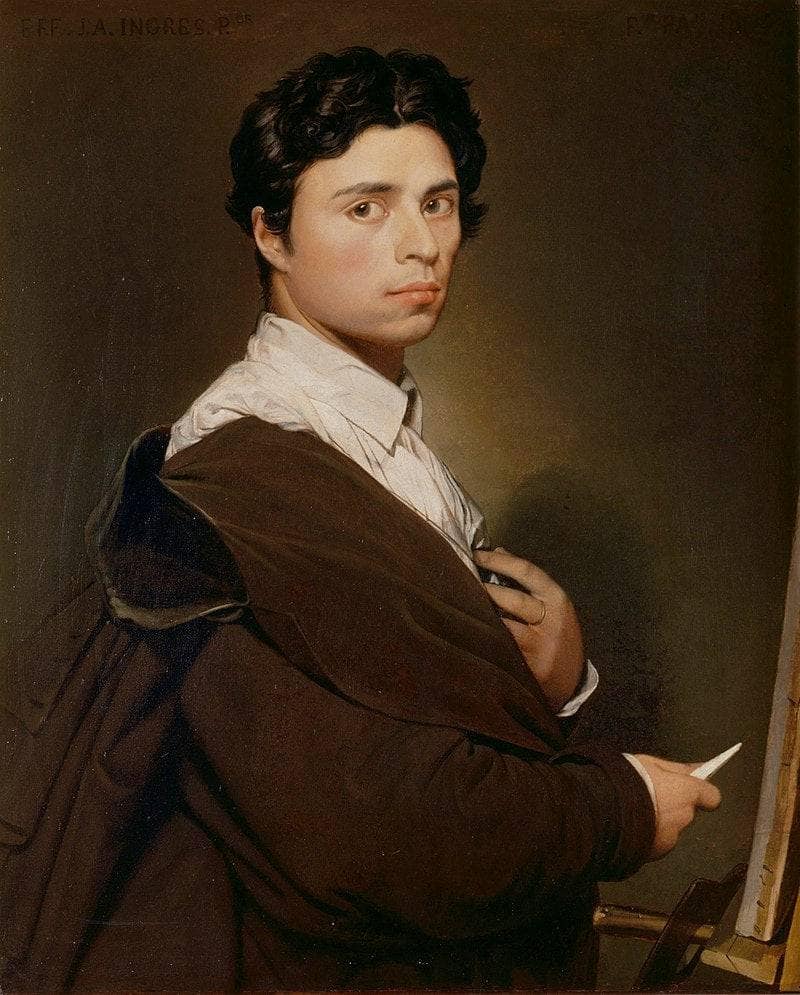
Ingres' "Self-Portrait" features a striking composition that draws the viewer's eye. The use of strong lines and soft shapes creates a sense of balance. The color palette, dominated by rich earth tones, enhances the painting's depth. Ingres' confident gaze invites viewers to connect with his artistic vision.Symbolism and Meaning Behind Ingres' Self-Representation
In this self-portrait, Ingres presents himself as both artist and intellectual. The inclusion of his palette and brushes symbolizes his dedication to his craft. The thoughtful expression on his face reflects his introspective nature. This painting serves as a testament to his identity as a creator and thinker.Emotional Depth: The Expression of Identity and Introspection
Ingres' expression in the self-portrait conveys a profound sense of introspection. His direct gaze suggests confidence and self-awareness. The subtle nuances in his facial features reveal a complex emotional landscape. This depth invites viewers to explore their interpretations of the artist's inner world.The Technique of Ingres: Mastery in Oil Painting
Brushwork and Texture: A Closer Look at Ingres' Methodology
Ingres employed a meticulous brushwork technique that added texture and detail to his paintings. His layered approach allowed for a smooth finish, enhancing the realism of his subjects. This technique is particularly evident in the rendering of his skin tones and fabric textures in "Self-Portrait."Color Palette: The Significance of Each Hue in Self-Portrait
The color palette in Ingres' "Self-Portrait" is carefully chosen to evoke emotion. The warm browns and soft whites create a sense of intimacy. Each hue plays a role in highlighting his features and the tools of his trade. This thoughtful selection of colors contributes to the overall harmony of the piece.Light and Shadow: Creating Depth and Dimension
Ingres skillfully used light and shadow to create depth in his self-portrait. The interplay of light accentuates his facial features, while shadows add dimension to the background. This technique enhances the three-dimensional quality of the painting, drawing viewers into the scene.Historical Context: The Era of Ingres and Its Influence on Art
Artistic Trends in Early 19th Century France
The early 19th century was a time of great change in France. The rise of Romanticism began to challenge the Neoclassical ideals that Ingres championed. However, Ingres remained steadfast in his commitment to classical beauty. His work reflects the tension between these two artistic movements.Comparative Analysis: Ingres vs. Contemporary Artists
While Ingres focused on precision and idealism, contemporary artists like EugÉne Delacroix embraced emotion and spontaneity. This contrast highlights Ingres' unique position in art history. His dedication to form and structure set him apart from the more expressive styles of his peers.Patrons and Public Reception of Ingres' Work
Ingres enjoyed the patronage of influential figures, including the French government and private collectors. His work received mixed reviews during his lifetime, with some critics praising his technique while others found it too rigid. Over time, however, his reputation grew, and he became celebrated as a master of Neoclassicism.Self-Portrait in Modern Culture: Influence and Legacy
How Ingres' Self-Portrait Inspires Contemporary Artists
Ingres' "Self-Portrait" continues to inspire modern artists. His exploration of identity and self-representation resonates with contemporary themes. Artists today draw on his techniques and emotional depth to create their own interpretations of self-portraiture.Self-Portrait in Popular Media: References and Adaptations
The influence of Ingres' self-portrait extends into popular media. It has been referenced in films, literature, and even fashion. These adaptations highlight the timeless nature of his work and its relevance in today's cultural landscape.The Painting's Role in Art Education and Appreciation
Ingres' "Self-Portrait" is often studied in art education. It serves as an example of technical mastery and emotional expression. Students learn to appreciate the nuances of composition, color, and technique through this iconic work.FAQs About Self-Portrait by Jean Auguste Dominique Ingres
What is the historical significance of Ingres' Self-Portrait?
Ingres' "Self-Portrait" is significant as it encapsulates his artistic identity and the Neoclassical ideals he championed. It reflects his mastery of technique and emotional depth.How does Ingres' Self-Portrait reflect his artistic style?
The self-portrait showcases Ingres' commitment to line, form, and classical beauty. His meticulous attention to detail and composition exemplifies his Neoclassical style.What emotions are conveyed through Ingres' expression in the painting?
Ingres' expression conveys introspection and confidence. His thoughtful gaze invites viewers to connect with his inner world and artistic journey.In what ways did Ingres' background influence this self-portrait?
Ingres' upbringing in a family of artists and his education at the Académie Royale shaped his artistic vision. His dedication to classical ideals is evident in this self-portrait.What techniques did Ingres use to create depth in his Self-Portrait?
Ingres used light and shadow effectively to create depth. His careful brushwork and color choices also contribute to the painting's three-dimensional quality.How can I appreciate the details in Ingres' Self-Portrait?
To appreciate the details, observe the subtle nuances in his expression, the texture of his clothing, and the interplay of light and shadow. Each element adds to the overall impact of the painting.What should I know about reproducing Ingres' Self-Portrait for my collection?
When reproducing Ingres' "Self-Portrait," consider investing in high-quality oil painting reproductions. These reproductions capture the richness and detail of the original artwork, offering a superior alternative to prints. They allow you to enjoy the beauty of Ingres' work in your own space.Select Size
From $74.98
Original: $249.95
-70%Self-Portrait—
$249.95
$74.98Product Information
Product Information
Shipping & Returns
Shipping & Returns