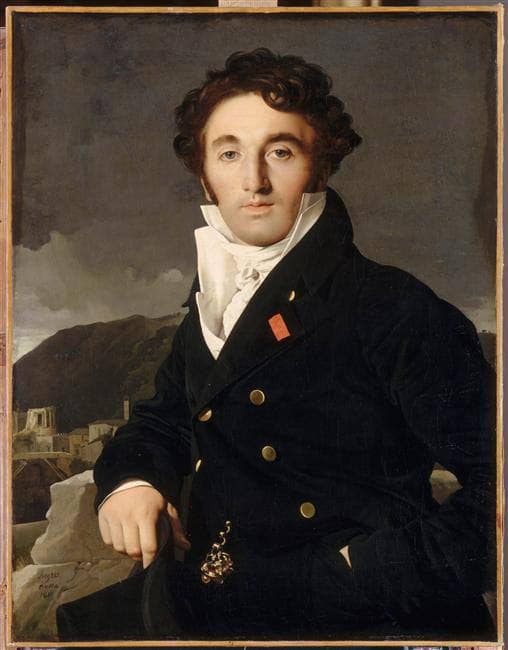
Portrait of Charles-Joseph-Laurent Cordier
Exploring the Artistic Mastery of Jean Auguste Dominique Ingres
Jean Auguste Dominique Ingres: A Pioneer of Neoclassicism
Influences and Inspirations Behind Ingres' Work
Jean Auguste Dominique Ingres, born in 1780, emerged as a leading figure in the Neoclassical movement. His artistic journey was shaped by the classical ideals of ancient Greece and Rome, as well as the works of masters like Raphael and Titian. Ingres sought to blend these influences with his own innovative techniques, creating a unique style that emphasized both beauty and precision.
Ingres' Unique Style: Merging Realism with Idealism
Ingres' paintings often reflect a delicate balance between realism and idealism. He meticulously captured the human form while infusing his subjects with an ethereal quality. This approach allowed him to create portraits that not only depicted individuals but also conveyed deeper emotional truths, making his work resonate with viewers across generations.
Portrait of Charles-Joseph-Laurent Cordier: A Deep Dive
The Historical Context of Cordier's Portrait
Who Was Charles-Joseph-Laurent Cordier?
Charles-Joseph-Laurent Cordier was a prominent French sculptor and a key figure in the artistic community of the 19th century. Born in 1797, Cordier was known for his innovative use of materials and his ability to capture the essence of his subjects. His work often reflected the cultural shifts of his time, making him a significant contributor to the evolution of French art.
The Significance of Cordier in 19th Century France
In 19th century France, Cordier's contributions to sculpture and the arts were highly regarded. He was celebrated for his ability to blend classical techniques with modern themes, which resonated with the changing tastes of the era. His friendship with Ingres further solidified his place in the art world, as they both sought to elevate the status of the artist in society.
Visual Analysis of the Portrait
Color Palette: The Symbolism of Ingres' Choices
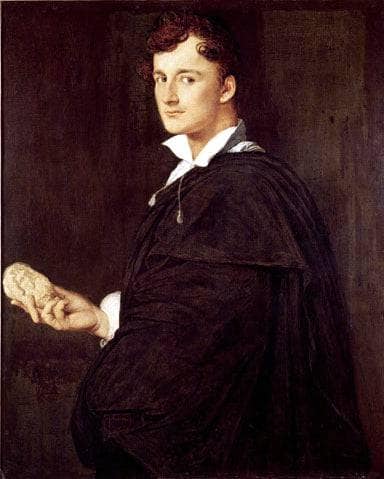
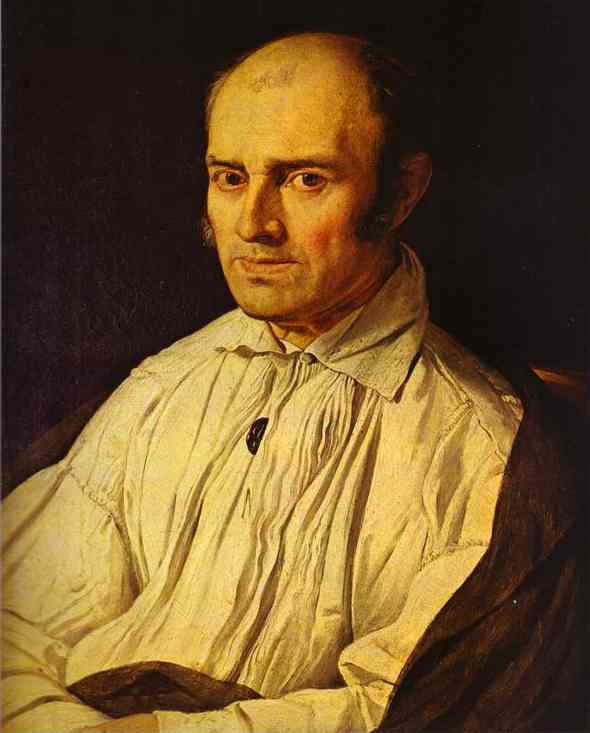
Ingres employed a rich color palette in the Portrait of Charles-Joseph-Laurent Cordier, using deep blues and warm earth tones to create a sense of depth and intimacy. The colors not only enhance the visual appeal but also symbolize the character and status of Cordier, reflecting his artistic prowess and the era's cultural richness.
Composition and Form: The Arrangement of Elements
The composition of the portrait is masterfully arranged, with Cordier positioned slightly off-center, drawing the viewer's eye. Ingres' use of space and form creates a dynamic balance, allowing the viewer to engage with the subject. The careful placement of Cordier's hands and the drapery of his clothing add to the overall harmony of the piece.
Facial Expression and Gesture: Capturing Character
Ingres skillfully captured Cordier's character through his facial expression and gesture. The slight smile and confident posture convey a sense of intellect and creativity. This portrayal not only reflects Cordier's personality but also invites viewers to connect with him on a personal level, showcasing Ingres' ability to humanize his subjects.
Techniques and Materials Used by Ingres
Oil Painting Techniques: Layering and Glazing
Ingres was known for his meticulous oil painting techniques, particularly his use of layering and glazing. He built up layers of paint to create a luminous quality, allowing light to interact with the surface. This technique adds depth and richness to the colors, making the portrait come alive.
Brushwork: The Fine Details that Define Ingres' Style
The brushwork in Ingres' portrait is precise and deliberate. He used fine, controlled strokes to define the intricate details of Cordier's clothing and facial features. This attention to detail is a hallmark of Ingres' style, showcasing his dedication to realism and his artistic skill.
The Cultural Impact of Ingres' Portraits
Reception of Cordier's Portrait in Art Circles
Critical Acclaim: Reviews and Reactions
Upon its unveiling, the Portrait of Charles-Joseph-Laurent Cordier received widespread acclaim from critics and art enthusiasts alike. Many praised Ingres for his ability to capture the essence of his subject while maintaining a sense of grandeur. The portrait became a celebrated example of Neoclassical portraiture, influencing both contemporaries and future artists.
Legacy of Cordier's Portrait in Modern Art
The legacy of Cordier's portrait continues to resonate in modern art. It serves as a reference point for artists exploring the intersection of realism and idealism. The techniques and emotional depth present in Ingres' work have inspired countless artists, making it a vital piece in the history of portrait painting.
Comparative Analysis with Other Portraits by Ingres
Similarities and Differences with Other Notable Works
When compared to other portraits by Ingres, such as the famous "La Grande Odalisque," Cordier's portrait showcases a more intimate and personal approach. While "La Grande Odalisque" emphasizes sensuality and exoticism, Cordier's portrait focuses on character and intellect, highlighting Ingres' versatility as an artist.
Influence on Future Generations of Artists
Ingres' innovative techniques and emotional depth have left a lasting impact on future generations of artists. His ability to blend classical ideals with modern sensibilities paved the way for movements such as Impressionism and beyond. Artists continue to study Ingres' work to understand the balance of form and emotion in portraiture.
Understanding the Reproduction of Ingres' Masterpiece
The Importance of Art Reproductions in Cultural Preservation
How Reproductions Help in Appreciating Original Works
Art reproductions play a crucial role in cultural preservation. They allow art lovers to appreciate masterpieces like Ingres' Portrait of Charles-Joseph-Laurent Cordier in their own homes. High-quality reproductions capture the essence of the original, making art accessible to a wider audience.
Art Reproductions: A Bridge to Accessibility
Unlike prints, which can lack detail and vibrancy, art reproductions offer a superior experience. They provide a tactile connection to the original artwork, allowing viewers to engage with the texture and depth of the painting. This accessibility fosters a deeper appreciation for the artistry involved in creating such masterpieces.
Choosing the Right Reproduction for Your Space
Factors to Consider When Selecting Art Reproductions
When selecting a reproduction of Ingres' work, consider factors such as size, framing, and the quality of materials used. A well-crafted reproduction can enhance your space and reflect your personal style. Look for reproductions that use high-quality canvas and paints to ensure longevity and vibrancy.
Displaying Art: Tips for Showcasing Your Reproduction
To showcase your reproduction effectively, consider the lighting and placement in your space. Natural light can enhance the colors, while strategic placement can draw attention to the artwork. Use complementary decor to create a cohesive look that highlights the beauty of the reproduction.
Frequently Asked Questions About the Portrait of Charles-Joseph-Laurent Cordier
What is the significance of Charles-Joseph-Laurent Cordier in art history?
Charles-Joseph-Laurent Cordier is significant for his contributions to sculpture and his role in the artistic community of 19th century France. His friendship with Ingres and innovative techniques helped shape the direction of French art during this period.
How did Ingres' style influence the Neoclassical movement?
Ingres' style influenced the Neoclassical movement by emphasizing clarity, precision, and idealized beauty. His ability to merge classical themes with modern sensibilities set a standard for portraiture that many artists aspired to achieve.
What techniques did Ingres use to create the portrait?
Ingres used oil painting techniques such as layering and glazing to create depth and luminosity in the portrait. His precise brushwork defined the intricate details, showcasing his mastery of the medium.
Where can I see the original Portrait of Charles-Joseph-Laurent Cordier?
The original Portrait of Charles-Joseph-Laurent Cordier is housed in the Musée des Beaux-Arts in Lyon, France. This museum features a rich collection of works from the Neoclassical period, including several masterpieces by Ingres.
What are the main themes depicted in Cordier's portrait?
The main themes in Cordier's portrait include intellect, creativity, and the celebration of the artist's role in society. Ingres captures the essence of Cordier's character, reflecting the cultural values of 19th century France.
How can I ensure the quality of a reproduction of this painting?
To ensure the quality of a reproduction, look for reputable art reproduction companies that use high-quality materials and techniques. Check for reviews and samples to confirm the vibrancy and detail of the reproduction.
What should I look for in a reproduction of Ingres' work?
When selecting a reproduction of Ingres' work, prioritize quality over price. Look for reproductions that accurately capture the colors, textures, and details of the original painting. A well-made reproduction will enhance your appreciation of Ingres' artistry.
Original: $299.95
-70%$299.95
$89.98Product Information
Product Information
Shipping & Returns
Shipping & Returns
Description
Exploring the Artistic Mastery of Jean Auguste Dominique Ingres
Jean Auguste Dominique Ingres: A Pioneer of Neoclassicism
Influences and Inspirations Behind Ingres' Work
Jean Auguste Dominique Ingres, born in 1780, emerged as a leading figure in the Neoclassical movement. His artistic journey was shaped by the classical ideals of ancient Greece and Rome, as well as the works of masters like Raphael and Titian. Ingres sought to blend these influences with his own innovative techniques, creating a unique style that emphasized both beauty and precision.
Ingres' Unique Style: Merging Realism with Idealism
Ingres' paintings often reflect a delicate balance between realism and idealism. He meticulously captured the human form while infusing his subjects with an ethereal quality. This approach allowed him to create portraits that not only depicted individuals but also conveyed deeper emotional truths, making his work resonate with viewers across generations.
Portrait of Charles-Joseph-Laurent Cordier: A Deep Dive
The Historical Context of Cordier's Portrait
Who Was Charles-Joseph-Laurent Cordier?
Charles-Joseph-Laurent Cordier was a prominent French sculptor and a key figure in the artistic community of the 19th century. Born in 1797, Cordier was known for his innovative use of materials and his ability to capture the essence of his subjects. His work often reflected the cultural shifts of his time, making him a significant contributor to the evolution of French art.
The Significance of Cordier in 19th Century France
In 19th century France, Cordier's contributions to sculpture and the arts were highly regarded. He was celebrated for his ability to blend classical techniques with modern themes, which resonated with the changing tastes of the era. His friendship with Ingres further solidified his place in the art world, as they both sought to elevate the status of the artist in society.
Visual Analysis of the Portrait
Color Palette: The Symbolism of Ingres' Choices
Ingres employed a rich color palette in the Portrait of Charles-Joseph-Laurent Cordier, using deep blues and warm earth tones to create a sense of depth and intimacy. The colors not only enhance the visual appeal but also symbolize the character and status of Cordier, reflecting his artistic prowess and the era's cultural richness.
Composition and Form: The Arrangement of Elements
The composition of the portrait is masterfully arranged, with Cordier positioned slightly off-center, drawing the viewer's eye. Ingres' use of space and form creates a dynamic balance, allowing the viewer to engage with the subject. The careful placement of Cordier's hands and the drapery of his clothing add to the overall harmony of the piece.
Facial Expression and Gesture: Capturing Character
Ingres skillfully captured Cordier's character through his facial expression and gesture. The slight smile and confident posture convey a sense of intellect and creativity. This portrayal not only reflects Cordier's personality but also invites viewers to connect with him on a personal level, showcasing Ingres' ability to humanize his subjects.
Techniques and Materials Used by Ingres
Oil Painting Techniques: Layering and Glazing
Ingres was known for his meticulous oil painting techniques, particularly his use of layering and glazing. He built up layers of paint to create a luminous quality, allowing light to interact with the surface. This technique adds depth and richness to the colors, making the portrait come alive.
Brushwork: The Fine Details that Define Ingres' Style
The brushwork in Ingres' portrait is precise and deliberate. He used fine, controlled strokes to define the intricate details of Cordier's clothing and facial features. This attention to detail is a hallmark of Ingres' style, showcasing his dedication to realism and his artistic skill.
The Cultural Impact of Ingres' Portraits
Reception of Cordier's Portrait in Art Circles
Critical Acclaim: Reviews and Reactions
Upon its unveiling, the Portrait of Charles-Joseph-Laurent Cordier received widespread acclaim from critics and art enthusiasts alike. Many praised Ingres for his ability to capture the essence of his subject while maintaining a sense of grandeur. The portrait became a celebrated example of Neoclassical portraiture, influencing both contemporaries and future artists.
Legacy of Cordier's Portrait in Modern Art
The legacy of Cordier's portrait continues to resonate in modern art. It serves as a reference point for artists exploring the intersection of realism and idealism. The techniques and emotional depth present in Ingres' work have inspired countless artists, making it a vital piece in the history of portrait painting.
Comparative Analysis with Other Portraits by Ingres
Similarities and Differences with Other Notable Works
When compared to other portraits by Ingres, such as the famous "La Grande Odalisque," Cordier's portrait showcases a more intimate and personal approach. While "La Grande Odalisque" emphasizes sensuality and exoticism, Cordier's portrait focuses on character and intellect, highlighting Ingres' versatility as an artist.
Influence on Future Generations of Artists
Ingres' innovative techniques and emotional depth have left a lasting impact on future generations of artists. His ability to blend classical ideals with modern sensibilities paved the way for movements such as Impressionism and beyond. Artists continue to study Ingres' work to understand the balance of form and emotion in portraiture.
Understanding the Reproduction of Ingres' Masterpiece
The Importance of Art Reproductions in Cultural Preservation
How Reproductions Help in Appreciating Original Works
Art reproductions play a crucial role in cultural preservation. They allow art lovers to appreciate masterpieces like Ingres' Portrait of Charles-Joseph-Laurent Cordier in their own homes. High-quality reproductions capture the essence of the original, making art accessible to a wider audience.
Art Reproductions: A Bridge to Accessibility
Unlike prints, which can lack detail and vibrancy, art reproductions offer a superior experience. They provide a tactile connection to the original artwork, allowing viewers to engage with the texture and depth of the painting. This accessibility fosters a deeper appreciation for the artistry involved in creating such masterpieces.
Choosing the Right Reproduction for Your Space
Factors to Consider When Selecting Art Reproductions
When selecting a reproduction of Ingres' work, consider factors such as size, framing, and the quality of materials used. A well-crafted reproduction can enhance your space and reflect your personal style. Look for reproductions that use high-quality canvas and paints to ensure longevity and vibrancy.
Displaying Art: Tips for Showcasing Your Reproduction
To showcase your reproduction effectively, consider the lighting and placement in your space. Natural light can enhance the colors, while strategic placement can draw attention to the artwork. Use complementary decor to create a cohesive look that highlights the beauty of the reproduction.
Frequently Asked Questions About the Portrait of Charles-Joseph-Laurent Cordier
What is the significance of Charles-Joseph-Laurent Cordier in art history?
Charles-Joseph-Laurent Cordier is significant for his contributions to sculpture and his role in the artistic community of 19th century France. His friendship with Ingres and innovative techniques helped shape the direction of French art during this period.
How did Ingres' style influence the Neoclassical movement?
Ingres' style influenced the Neoclassical movement by emphasizing clarity, precision, and idealized beauty. His ability to merge classical themes with modern sensibilities set a standard for portraiture that many artists aspired to achieve.
What techniques did Ingres use to create the portrait?
Ingres used oil painting techniques such as layering and glazing to create depth and luminosity in the portrait. His precise brushwork defined the intricate details, showcasing his mastery of the medium.
Where can I see the original Portrait of Charles-Joseph-Laurent Cordier?
The original Portrait of Charles-Joseph-Laurent Cordier is housed in the Musée des Beaux-Arts in Lyon, France. This museum features a rich collection of works from the Neoclassical period, including several masterpieces by Ingres.
What are the main themes depicted in Cordier's portrait?
The main themes in Cordier's portrait include intellect, creativity, and the celebration of the artist's role in society. Ingres captures the essence of Cordier's character, reflecting the cultural values of 19th century France.
How can I ensure the quality of a reproduction of this painting?
To ensure the quality of a reproduction, look for reputable art reproduction companies that use high-quality materials and techniques. Check for reviews and samples to confirm the vibrancy and detail of the reproduction.
What should I look for in a reproduction of Ingres' work?
When selecting a reproduction of Ingres' work, prioritize quality over price. Look for reproductions that accurately capture the colors, textures, and details of the original painting. A well-made reproduction will enhance your appreciation of Ingres' artistry.