🚚 Free Worldwide Shipping on All Orders!Shop Now

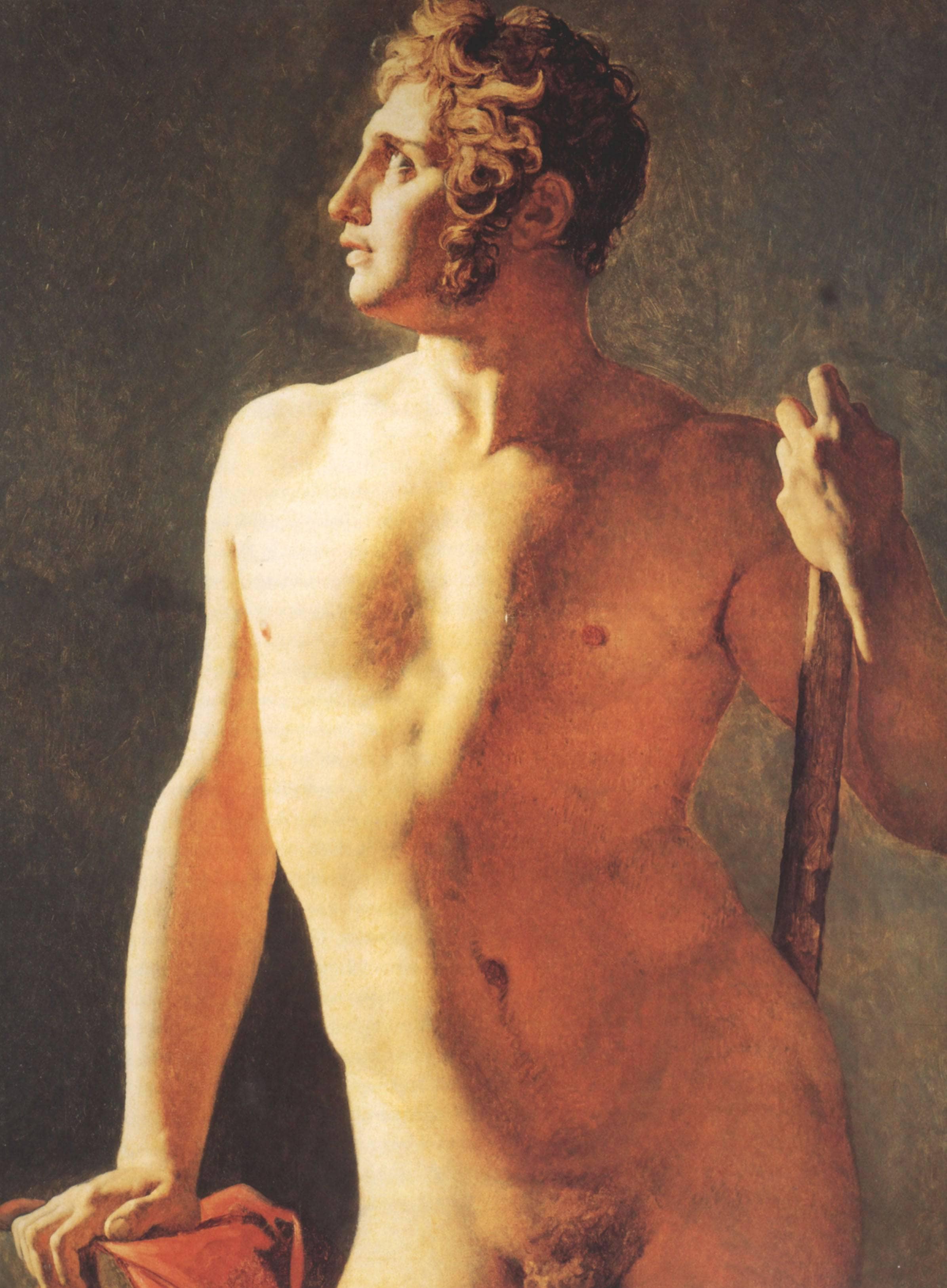
Male Torso
Exploring the Artistic Mastery of Male Torso by Jean Auguste Dominique Ingres
Historical Context of Ingres' Male Torso
The Influence of Neoclassicism on Ingres' Work
Jean Auguste Dominique Ingres, a prominent figure in the Neoclassical movement, created the Male Torso during a time when art was deeply influenced by classical ideals. Neoclassicism emphasized harmony, proportion, and the beauty of the human form, drawing inspiration from ancient Greek and Roman art. Ingres' dedication to these principles is evident in his meticulous attention to anatomical accuracy and idealized beauty.Artistic Movements and Their Impact on the 19th Century
The 19th century was a vibrant period for artistic expression, marked by the transition from Neoclassicism to Romanticism. Ingres stood at the crossroads of these movements, blending classical techniques with emerging romantic themes. His work, including the Male Torso, reflects a unique synthesis of tradition and innovation, showcasing the evolving nature of art during this dynamic era.Detailed Analysis of the Male Torso Composition
Proportions and Anatomy: A Study of the Human Form
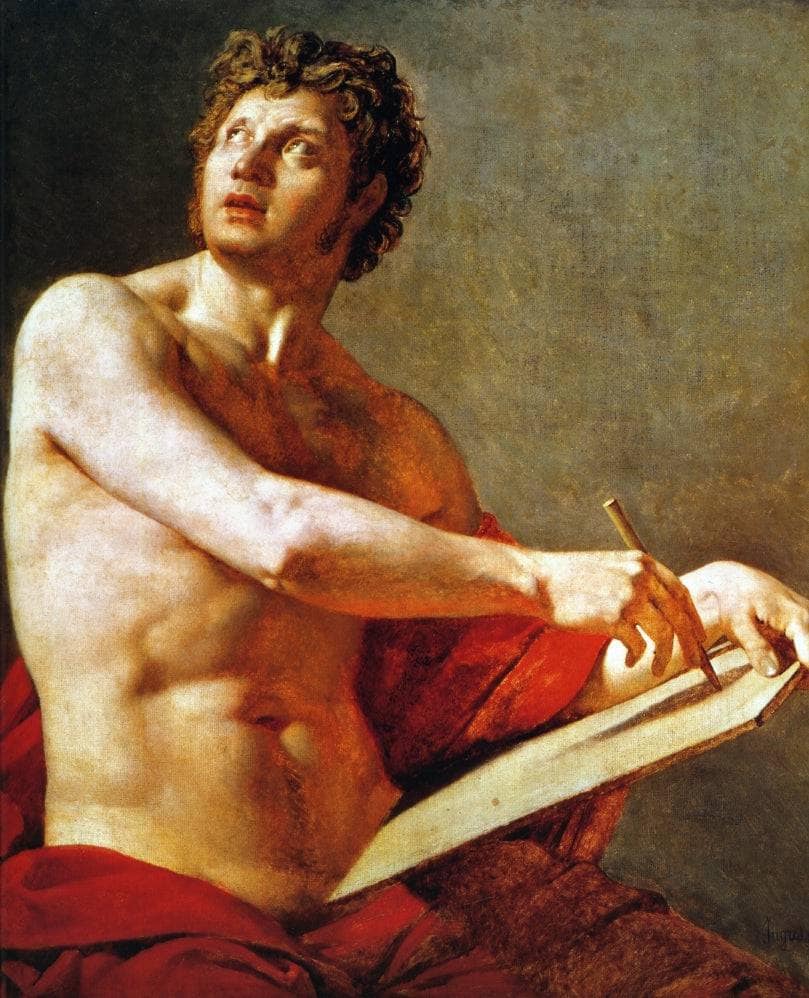
In the Male Torso, Ingres demonstrates his mastery of human anatomy. The proportions are carefully calculated, highlighting the muscular structure and the elegance of the male form. This attention to detail not only showcases Ingres' skill but also his deep understanding of the human body, which he studied extensively through live models and classical sculptures.Color Palette: The Use of Light and Shadow in Ingres' Technique
Ingres employs a subtle color palette that enhances the three-dimensionality of the torso. The interplay of light and shadow creates depth, drawing the viewer's eye to the contours of the body. His use of soft, muted tones contrasts with the boldness of the form, allowing the viewer to appreciate the delicate balance between light and shadow.Brushwork and Texture: Techniques that Define Ingres' Style
The brushwork in Male Torso is both precise and fluid, showcasing Ingres' unique style. He often used a smooth application of paint to create a polished surface, which adds to the lifelike quality of the piece. The texture of the skin is rendered with incredible detail, inviting viewers to explore the nuances of the painting.The Symbolism Behind the Male Torso
Masculinity and Ideal Beauty in 19th Century Art
The Male Torso embodies the ideals of masculinity and beauty prevalent in 19th-century art. Ingres captures the essence of the male figure, representing strength, grace, and the pursuit of perfection. This portrayal reflects societal values of the time, where the male body was often seen as a symbol of power and virtue.Interpretations of Strength and Vulnerability in the Male Form
While the Male Torso exudes strength, it also hints at vulnerability. This duality invites viewers to contemplate the complexities of masculinity. Ingres' work encourages a deeper understanding of the male experience, challenging traditional notions of strength by revealing the inherent fragility within.Comparative Studies: Ingres and His Contemporaries
Contrasting Ingres with Other Neoclassical Artists
When compared to his contemporaries, Ingres' approach to Neoclassicism stands out. Unlike Jacques-Louis David, who focused on historical narratives, Ingres emphasized the beauty of the human form in isolation. This distinction highlights his unique contribution to the Neoclassical movement and his lasting impact on art.The Legacy of Ingres in Modern Art Movements
Ingres' influence extends beyond his time, impacting modern art movements such as Impressionism and Symbolism. Artists like Edgar Degas and Henri Matisse drew inspiration from Ingres' emphasis on form and color. His legacy continues to resonate, reminding us of the timeless nature of beauty in art.First-Hand Experience: Viewing Male Torso in Person
What to Expect When Visiting the Museum
When visiting the museum to see the Male Torso, expect to be captivated by its grandeur. The painting's scale and detail draw viewers in, creating an immersive experience. The atmosphere of the gallery enhances the appreciation of Ingres' work, allowing for a deeper connection with the art.Emotional Reactions: The Impact of Ingres' Work on Viewers
Viewers often report a profound emotional reaction when encountering the Male Torso. The combination of beauty, strength, and vulnerability evokes a range of feelings, from admiration to introspection. Ingres' ability to convey complex emotions through the male form leaves a lasting impression on all who experience it.Preservation and Restoration of Male Torso
Techniques Used in the Conservation of Oil Paintings
The preservation of the Male Torso involves meticulous techniques to maintain its integrity. Conservators use specialized methods to clean and restore the oil paint, ensuring that the colors remain vibrant and the details intact. This careful attention to conservation helps protect Ingres' masterpiece for future generations.The Importance of Art Restoration in Maintaining Cultural Heritage
Art restoration plays a crucial role in preserving cultural heritage. By restoring works like the Male Torso, we ensure that the artistic achievements of the past continue to inspire and educate. This commitment to preservation reflects our respect for history and the importance of art in society.FAQs About Male Torso by Jean Auguste Dominique Ingres
What is the significance of the Male Torso in art history?
The Male Torso is significant for its embodiment of Neoclassical ideals and its exploration of the male form. It represents a pivotal moment in art history, showcasing Ingres' unique style and influence.How does Ingres' style differ from other artists of his time?
Ingres' style is characterized by his focus on the human form and meticulous detail, setting him apart from contemporaries who emphasized narrative and emotion. His commitment to classical beauty remains a hallmark of his work.What themes are explored in the Male Torso painting?
The Male Torso explores themes of masculinity, beauty, strength, and vulnerability. Ingres invites viewers to reflect on the complexities of the male experience through his art.Where can I see the original Male Torso painting?
The original Male Torso can be viewed at the Musée d'Orsay in Paris, France. This renowned museum houses many of Ingres' works, providing an opportunity to appreciate his artistry in person.What techniques did Ingres use to create the Male Torso?
Ingres used oil paint to create the Male Torso, employing techniques such as smooth brushwork and a careful color palette to achieve depth and realism. His attention to detail is evident in the anatomical precision of the figure.How can I appreciate the details of the Male Torso painting?
To appreciate the details of the Male Torso, take your time observing the proportions, color transitions, and brushwork. Consider the emotions conveyed through the figure and reflect on the historical context of the artwork.What are the common features of Ingres' paintings?
Common features of Ingres' paintings include a focus on the human form, meticulous detail, a smooth finish, and a harmonious color palette. His works often reflect classical themes and ideals of beauty.FAQs About Male Torso Reproductions
What should I look for in a quality reproduction of Male Torso?
When seeking a quality reproduction of the Male Torso, look for fine details, accurate colors, and a texture that mimics the original oil painting. High-quality reproductions capture the essence of Ingres' work far better than standard prints.How can I display a reproduction of Male Torso in my home?
To display a reproduction of the Male Torso, choose a prominent location where it can be appreciated. Consider framing it with a classic frame that complements the artwork, and ensure it is well-lit to highlight its details and colors.Select Size
From $89.98
Original: $299.95
-70%Male Torso—
$299.95
$89.98Product Information
Product Information
Shipping & Returns
Shipping & Returns