🚚 Free Worldwide Shipping on All Orders!Shop Now

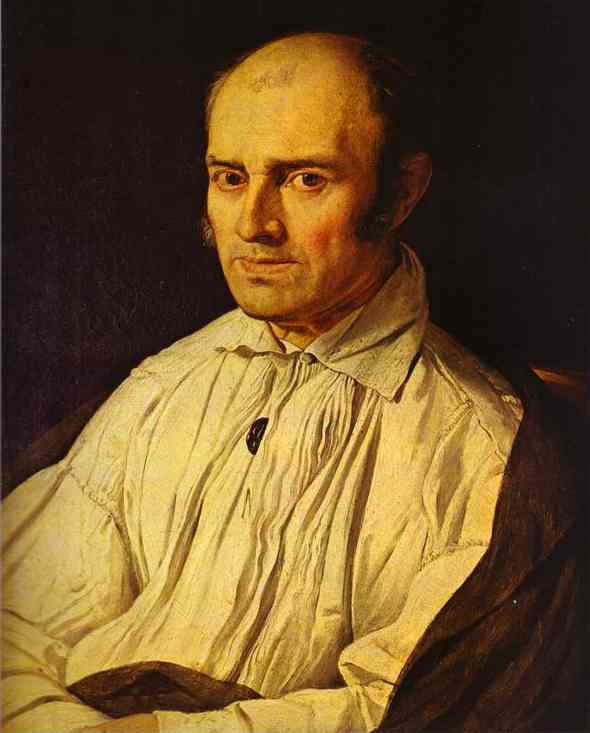
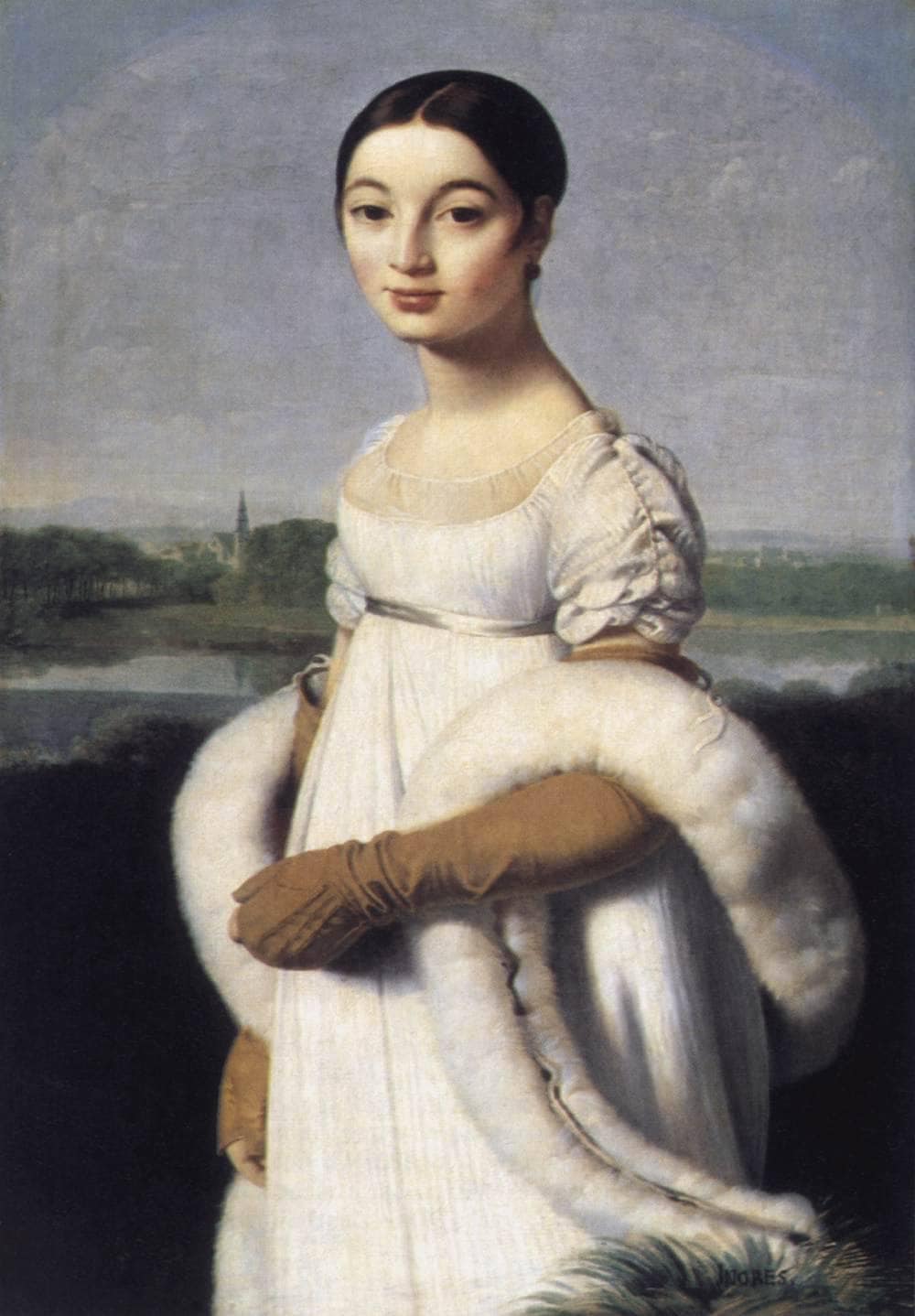
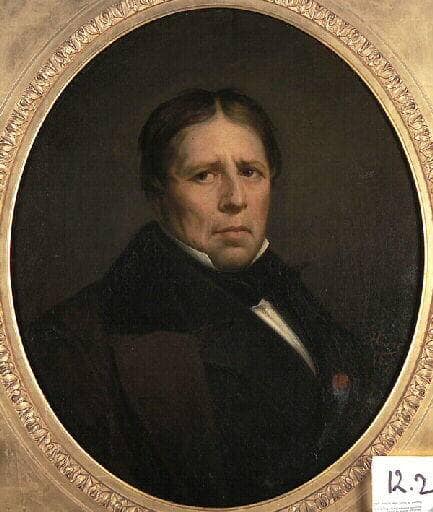
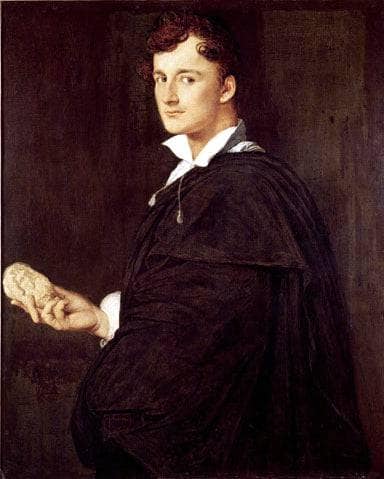
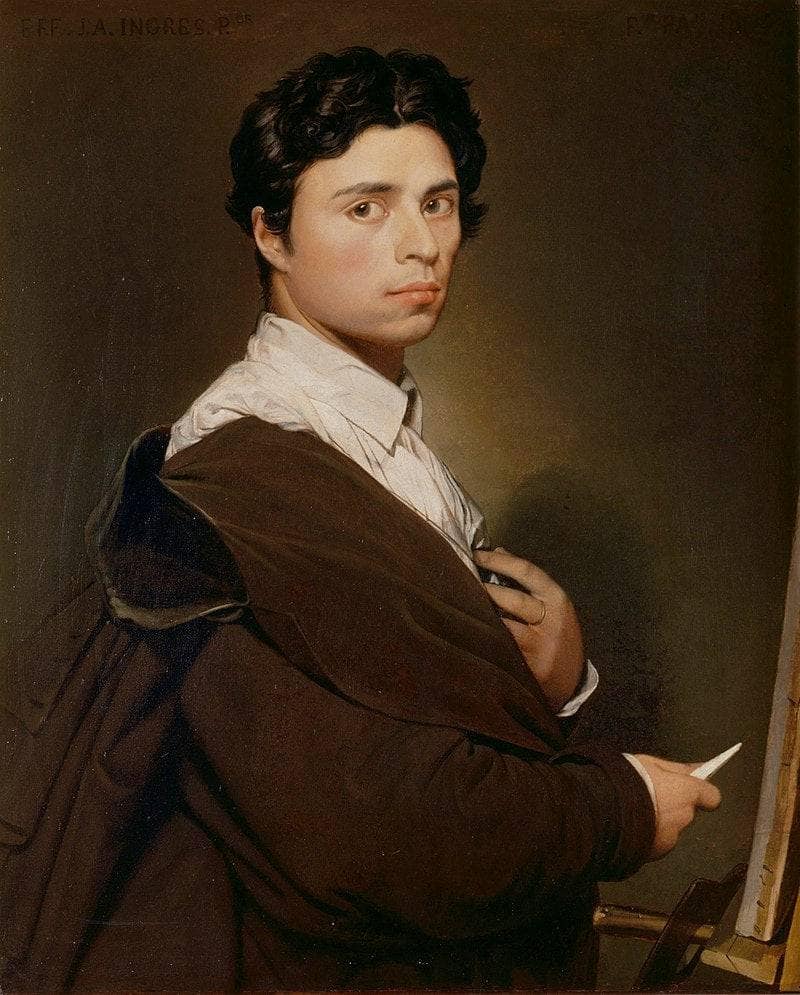
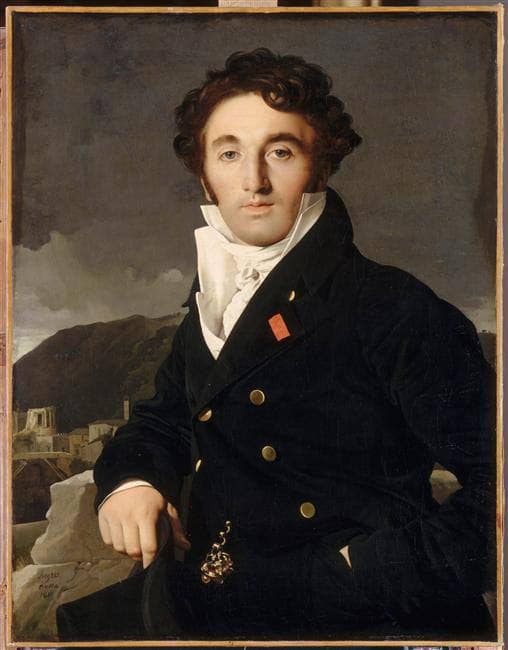
Portrait of Frédéric Desmarais
Exploring the Artistic Mastery of Jean Auguste Dominique Ingres
Who Was Jean Auguste Dominique Ingres?
A Brief Biography of the Renowned French Painter
Jean Auguste Dominique Ingres was a pivotal figure in 19th-century French art. Born in 1780 in Montauban, France, he became one of the leading Neoclassical painters. Ingres studied under the famous artist Jacques-Louis David, which greatly influenced his artistic development. His career spanned over six decades, during which he created numerous masterpieces that showcased his exceptional skill in portraiture and historical painting.Influences and Artistic Style of Ingres
Ingres was deeply influenced by the classical ideals of beauty and harmony. His style is characterized by precise lines, smooth surfaces, and a focus on the human form. He often blended Neoclassicism with Romanticism, creating a unique aesthetic that emphasized both realism and idealism. Ingres' meticulous attention to detail and his innovative use of color set him apart from his contemporaries, making him a master of portraiture.The Portrait of Frédéric Desmarais: A Closer Look
Historical Context of the Painting
The Significance of Portraiture in 19th Century France
During the 19th century, portraiture held immense significance in French society. It served as a means for individuals to assert their social status and personal identity. Artists like Ingres elevated portrait painting to an art form that captured not just the likeness but also the essence of their subjects. This period saw a growing demand for portraits among the bourgeoisie, who sought to immortalize their image in a rapidly changing world.Frédéric Desmarais: The Man Behind the Portrait
Frédéric Desmarais was a prominent figure in the French art scene, known for his contributions to the cultural landscape of the time. He was a close associate of Ingres and played a significant role in promoting the arts. Desmarais' character and intellect are vividly captured in Ingres' portrait, which reflects his status as a cultured and sophisticated individual.Artistic Techniques and Materials Used
Oil Painting Techniques Employed by Ingres
Ingres utilized traditional oil painting techniques to create the Portrait of Frédéric Desmarais. He applied multiple layers of paint, allowing for rich textures and depth. His brushwork is both precise and fluid, showcasing his mastery of the medium. Ingres often used a technique called glazing, which involved applying thin layers of transparent paint to achieve luminosity and vibrancy.Color Palette and Composition Analysis
The color palette of the portrait is striking, featuring deep blues, rich browns, and warm skin tones. Ingres carefully balanced these colors to create a harmonious composition. The arrangement of Desmarais' figure against a muted background draws the viewer's attention to his expression and attire, emphasizing his importance in the artwork.Symbolism and Themes in the Portrait of Frédéric Desmarais
Understanding the Symbolic Elements
Facial Expressions and Their Meanings
In the portrait, Desmarais' facial expression conveys a sense of introspection and confidence. His gaze is direct, inviting viewers to connect with his character. This expression reflects the intellectual depth and cultural sophistication that defined his persona.Attire and Accessories: What They Represent
Desmarais is depicted wearing elegant attire, which symbolizes his social standing and refined taste. The details of his clothing, including the textures and colors, highlight Ingres' attention to fashion and status. Accessories, such as a cravat and a watch, further emphasize his identity as a cultured gentleman of the 19th century.The Role of Light and Shadow in the Painting
Chiaroscuro Techniques in Ingres' Work
Ingres expertly employed chiaroscuro techniques to create a dramatic interplay of light and shadow in the portrait. This technique enhances the three-dimensionality of Desmarais' figure, making him appear lifelike. The subtle gradations of light add depth and dimension, drawing the viewer's eye to the focal points of the painting.Creating Depth and Dimension: A Study of Light
The use of light in the portrait not only highlights Desmarais' features but also sets the mood of the artwork. Ingres' strategic placement of light sources creates a sense of realism and invites viewers to explore the nuances of the composition. This mastery of light and shadow is a hallmark of Ingres' artistic style.The Impact of the Portrait on Art and Culture
Reception and Critique of Ingres' Work
Contemporary Reactions to the Portrait
When the Portrait of Frédéric Desmarais was unveiled, it received acclaim for its technical brilliance and emotional depth. Critics praised Ingres for his ability to capture the essence of his subject. The portrait became a significant work in Ingres' oeuvre, showcasing his skill in portraying character and individuality.Long-term Influence on Future Artists
Ingres' approach to portraiture influenced many artists who followed him. His emphasis on detail and psychological depth set a standard for future generations. Artists such as Edgar Degas and Henri Matisse drew inspiration from Ingres' techniques, furthering the evolution of portrait painting in the modern era.Frédéric Desmarais in Art History
How This Portrait Fits into the Narrative of 19th Century Portraiture
The Portrait of Frédéric Desmarais is a key example of 19th-century portraiture, reflecting the cultural values of the time. It captures the essence of a man who was not only a patron of the arts but also a symbol of the intellectual spirit of the era. This portrait stands as a testament to the importance of individual identity in art history.Comparative Analysis with Other Portraits by Ingres
When compared to other portraits by Ingres, such as the famous "La Grande Odalisque," the Portrait of Frédéric Desmarais showcases a different focus. While "La Grande Odalisque" emphasizes sensuality and exoticism, Desmarais' portrait highlights intellect and character. This contrast illustrates Ingres' versatility as an artist and his ability to adapt his style to different subjects.Frequently Asked Questions About the Portrait of Frédéric Desmarais
What is the historical significance of the Portrait of Frédéric Desmarais?
The portrait is significant as it captures the essence of 19th-century French society and the importance of individual identity in art.How does Ingres' style differ from other artists of his time?
Ingres' style is marked by precise lines, smooth surfaces, and a focus on realism, setting him apart from the more expressive styles of his contemporaries.What techniques did Ingres use to create depth in this portrait?
Ingres used chiaroscuro techniques and layered oil painting to create depth and dimension, enhancing the lifelike quality of the portrait.What are the key themes represented in the painting?
Key themes include identity, social status, and the intellectual spirit of the 19th century, all conveyed through Desmarais' expression and attire.How was Frédéric Desmarais portrayed in this artwork?
Desmarais is portrayed as a cultured and sophisticated individual, with an expression that reflects his intellect and confidence.What should I know about the reproduction of this painting?
Art reproductions of the Portrait of Frédéric Desmarais are superior to prints, as they capture the texture and depth of the original oil painting, allowing for a more authentic viewing experience.How can I appreciate the details in the reproduction of Ingres' work?
To appreciate the details in the reproduction, take time to observe the brushwork, color variations, and the interplay of light and shadow, which are hallmarks of Ingres' technique.Select Size
From $89.98
Original: $299.95
-70%Portrait of Frédéric Desmarais—
$299.95
$89.98Product Information
Product Information
Shipping & Returns
Shipping & Returns