🚚 Free Worldwide Shipping on All Orders!Shop Now

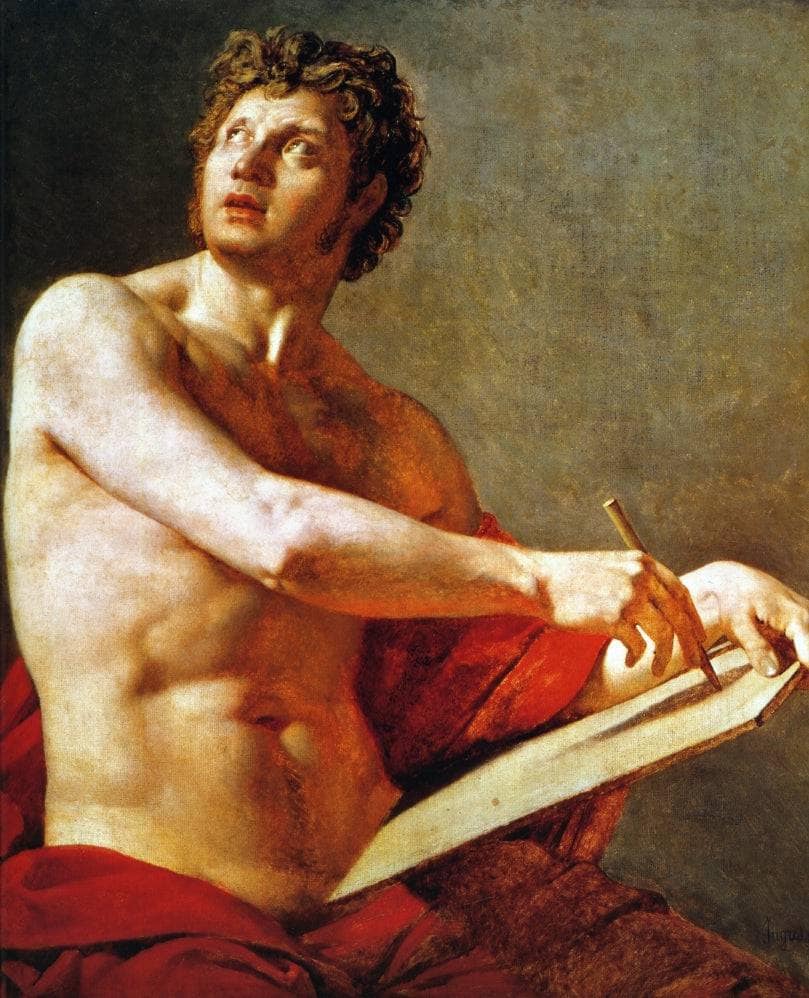
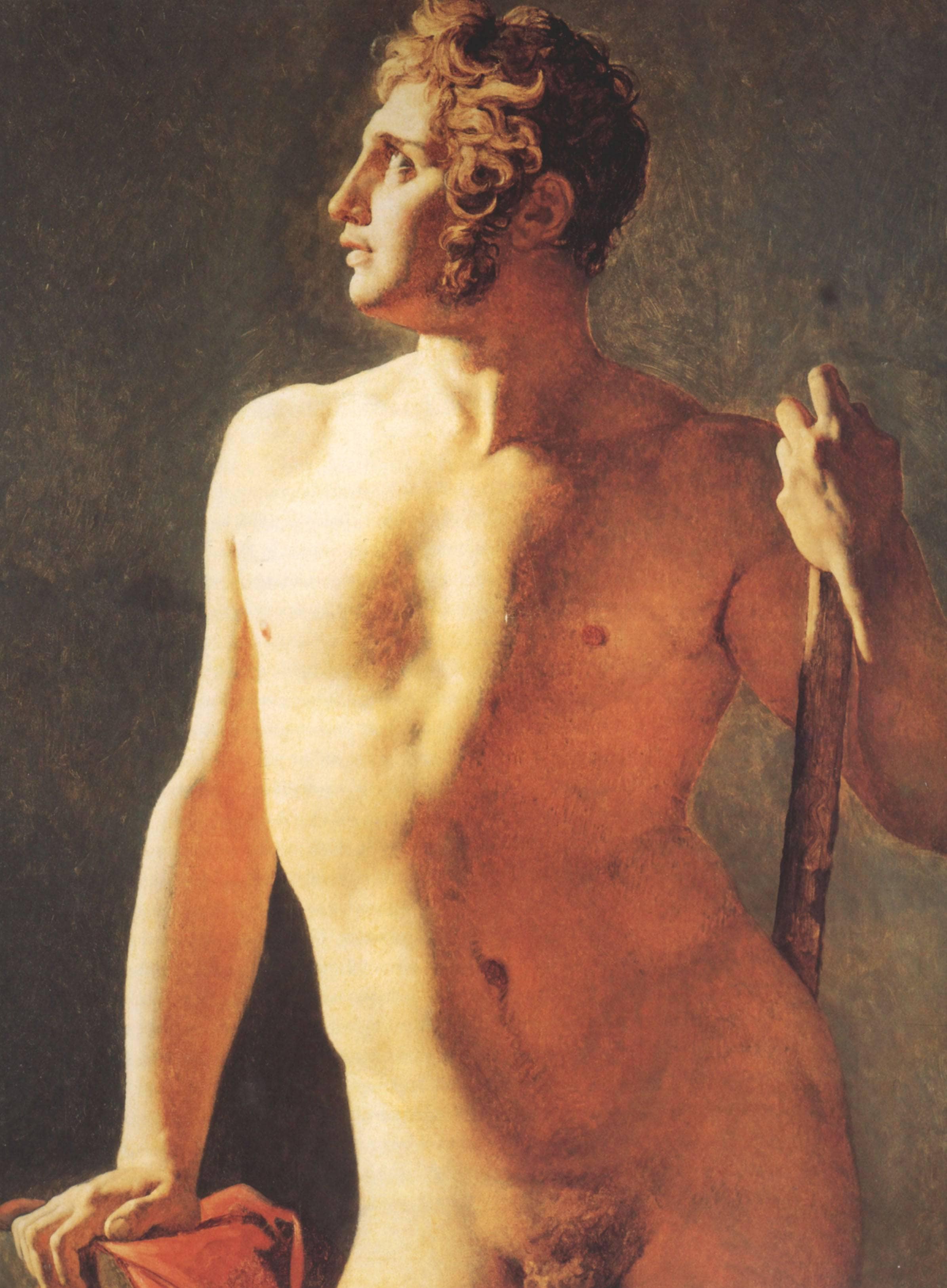
Academic Study of a Male Torse
Exploring the Artistic Mastery of Jean Auguste Dominique Ingres
Biography of Jean Auguste Dominique Ingres: A Pioneer of Neoclassicism
Early Life and Influences on Ingres' Artistic Journey
Jean Auguste Dominique Ingres was born on August 29, 1780, in Montauban, France. His father, a painter, introduced him to the world of art at a young age. Ingres moved to Paris to study at the prestigious École des Beaux-Arts, where he was influenced by the works of Raphael and the classical ideals of beauty. His early exposure to the neoclassical style shaped his artistic vision, leading him to become a key figure in the Neoclassical movement.Ingres' Signature Style: Merging Realism with Idealism
Ingres developed a unique style that blended realism with idealism. He focused on precise lines and meticulous details, creating a sense of harmony and balance in his works. His paintings often featured elongated forms and a smooth finish, which became hallmarks of his artistic identity. Ingres believed in the importance of drawing, which he considered the foundation of all art. This commitment to form and structure set him apart from his contemporaries.Academic Study of a Male Torse: An Icon of Neoclassical Art
Understanding the Subject: The Male Torse in Classical Sculpture
The Significance of the Torse in Ancient Greek and Roman Art
The male torse, or torso, has deep roots in ancient Greek and Roman art. It symbolizes the ideal male physique, representing strength, beauty, and the human form's perfection. Ingres' depiction of the male torse pays homage to classical sculptures, which celebrated the human body as a work of art. This focus on the male form reflects the cultural values of the time, emphasizing physical beauty and athleticism.Symbolism of the Male Form: Strength, Beauty, and Idealism
In the context of Neoclassicism, the male torse embodies the ideals of strength and beauty. It serves as a reminder of the heroic figures from mythology and history. Ingres' portrayal captures the essence of masculinity, showcasing the muscular structure and graceful lines that define the male body. This representation invites viewers to appreciate the harmony between strength and elegance.Composition and Technique: Analyzing Ingres' Brushwork
Oil Painting Techniques: Layering and Glazing in Ingres' Work
Ingres employed sophisticated oil painting techniques, including layering and glazing, to achieve depth and luminosity in his works. He built up layers of paint to create a rich texture, allowing light to interact with the surface. This method enhances the three-dimensional quality of the male torse, making it appear lifelike and dynamic. Ingres' meticulous approach to detail showcases his dedication to craftsmanship.Color Palette: The Use of Light and Shadow in the Male Torse
The color palette of the male torse is carefully chosen to highlight the contours of the body. Ingres used soft, muted tones to create a sense of warmth and intimacy. The interplay of light and shadow adds depth, emphasizing the muscular definition and graceful curves. This thoughtful use of color enhances the overall impact of the painting, drawing viewers into the beauty of the form.Historical Context: The Role of Neoclassicism in 19th Century Art
Neoclassicism vs. Romanticism: A Cultural Shift in Art
The 19th century witnessed a cultural shift from Neoclassicism to Romanticism. While Neoclassicism focused on order, reason, and classical ideals, Romanticism embraced emotion and individualism. Ingres remained committed to Neoclassical principles, emphasizing clarity and structure in his work. This dedication set him apart during a time of artistic transformation.Influence of the Enlightenment on Artistic Expression
The Enlightenment played a crucial role in shaping Neoclassical art. It emphasized reason, science, and the exploration of human potential. Ingres' work reflects these ideals, as he sought to capture the beauty of the human form through rationality and precision. His paintings often convey a sense of intellectual engagement, inviting viewers to contemplate the deeper meanings behind the art.Ingres' Contribution to the Neoclassical Movement
Ingres' contributions to the Neoclassical movement are significant. He redefined the genre by infusing it with a personal touch, blending classical themes with his unique vision. His works, including the male torse, exemplify the ideals of beauty and proportion that Neoclassicism championed. Ingres' legacy continues to influence artists today, as he remains a pivotal figure in the history of art.Artistic Interpretation: What the Male Torse Represents
Embodying the Ideal Male Figure: A Study of Form and Proportion
The male torse represents the ideal male figure, showcasing perfect proportions and anatomical precision. Ingres' attention to detail highlights the beauty of the human body, inviting viewers to appreciate the artistry involved in capturing such form. This focus on proportion reflects the classical ideals that Ingres revered, making the male torse a timeless representation of beauty.Philosophical Underpinnings: The Pursuit of Perfection in Art
Ingres believed in the pursuit of perfection in art, a philosophy that resonates throughout his work. The male torse embodies this pursuit, as it captures the essence of beauty and strength. Ingres' dedication to idealism encourages viewers to reflect on the nature of beauty and its representation in art. This philosophical approach adds depth to the interpretation of the male torse.Emotional Resonance: The Impact of the Male Torse on Viewers
The male torse evokes a strong emotional response from viewers. Its beauty and strength resonate on a personal level, inviting admiration and contemplation. Ingres' ability to capture the human experience through the male form creates a connection that transcends time. This emotional resonance is a testament to the power of art to inspire and provoke thought.Comparative Analysis: Ingres and His Contemporaries
Contrasting Ingres with Other Neoclassical Artists
Ingres' work can be contrasted with that of other Neoclassical artists, highlighting his unique approach. While many artists focused on historical or political themes, Ingres emphasized the beauty of the human form.Jacques-Louis David: A Study in Political Themes and Heroism
Jacques-Louis David, a leading figure in Neoclassicism, often depicted political themes and heroic narratives. His works, such as "The Death of Socrates," convey strong moral messages. In contrast, Ingres' focus on the male torse celebrates beauty and form without the political undertones, showcasing a different aspect of Neoclassical art.Antonio Canova: The Sculptural Approach to the Male Form
Antonio Canova, a contemporary of Ingres, was renowned for his sculptural works that celebrated the male form. His sculptures, like "The Three Graces," emphasize fluidity and movement. Ingres, however, captured the essence of the male torse through painting, using color and texture to convey depth and emotion. This distinction highlights the diverse interpretations of the male form within the Neoclassical movement.FAQs About the Academic Study of a Male Torse
What is the significance of the Male Torse in art history?
The Male Torse is significant as it represents the ideals of beauty and strength in Neoclassical art, reflecting the cultural values of the time.How does Ingres' style differ from other Neoclassical artists?
Ingres' style is characterized by meticulous detail and a focus on the human form, setting him apart from contemporaries who emphasized political themes.What techniques did Ingres use in the creation of the Male Torse?
Ingres used layering and glazing techniques in oil painting to create depth and luminosity, enhancing the three-dimensional quality of the male torse.What themes are explored in the painting of the Male Torse?
The painting explores themes of idealism, beauty, and the representation of the male form, inviting viewers to appreciate the harmony of strength and elegance.How does the Male Torse reflect the ideals of beauty in the 19th century?
The Male Torse reflects 19th-century ideals of beauty by showcasing perfect proportions and the celebration of the human body as a work of art.What are the common features of Ingres' paintings?
Common features of Ingres' paintings include precise lines, meticulous detail, and a focus on the human form, often with an emphasis on ideal beauty.How can I appreciate the details in a reproduction of the Male Torse?
To appreciate the details in a reproduction of the Male Torse, observe the brushwork, color palette, and the interplay of light and shadow that Ingres masterfully employed.Select Size
From $299.95
Academic Study of a Male Torse—
$299.95
Product Information
Product Information
Shipping & Returns
Shipping & Returns