🚚 Free Worldwide Shipping on All Orders!Shop Now

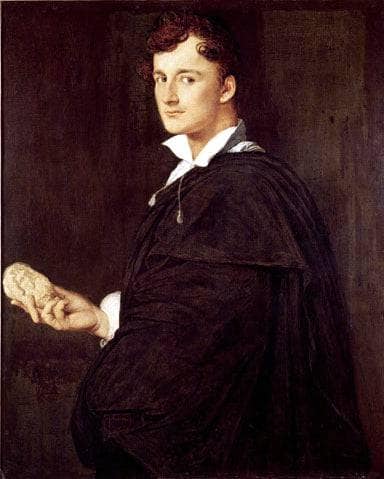
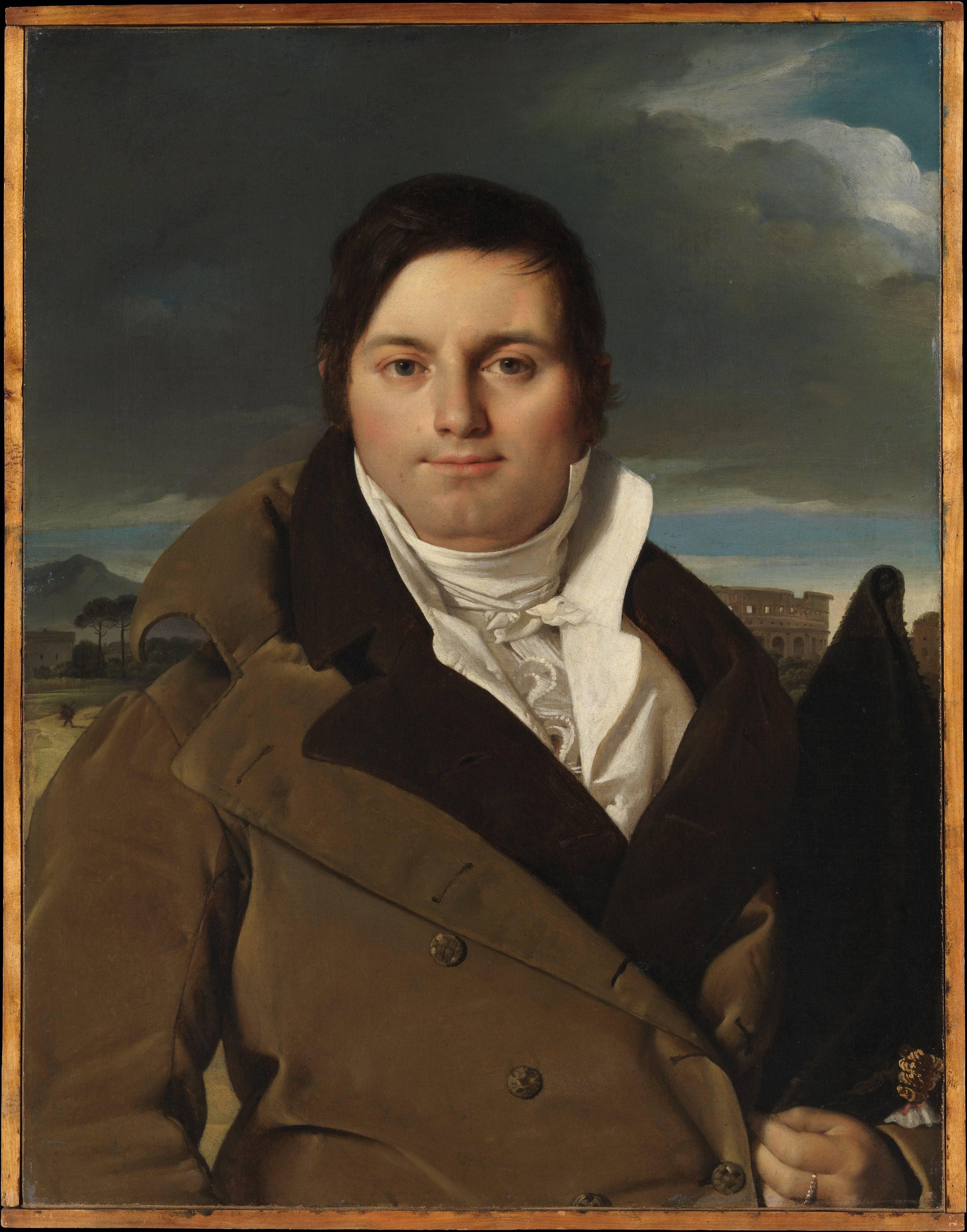
Portrait of Bartolini
Exploring the Artistic Mastery of Jean Auguste Dominique Ingres
Who Was Jean Auguste Dominique Ingres?
A Brief Biography of the Neoclassical Painter
Jean Auguste Dominique Ingres was a prominent French painter born on August 29, 1780, in Montauban, France. He became a leading figure in the Neoclassical movement, known for his precise lines and meticulous attention to detail. Ingres studied under Jacques-Louis David, a master of the neoclassical style, which greatly influenced his artistic development. His career spanned over six decades, during which he created numerous masterpieces, including portraits, historical scenes, and mythological subjects.Influences and Artistic Development
Ingres was deeply influenced by the classical ideals of beauty and harmony. His travels to Italy exposed him to the works of Renaissance masters like Raphael and Titian. This exposure shaped his unique style, characterized by elegant forms and a refined color palette. Ingres believed in the importance of drawing, often stating that "drawing is the probity of art." His commitment to this principle is evident in his works, where he skillfully balances realism with idealism.The Portrait of Bartolini: A Deep Dive into the Artwork
Historical Context of the Portrait of Bartolini
The Significance of Portraiture in 19th Century France
During the 19th century, portraiture held a significant place in French society. It served as a means for individuals to assert their social status and personal identity. Ingres' portraits, including the Portrait of Bartolini, reflect the growing importance of individualism during this period. The painting captures not just the likeness of the subject but also conveys a deeper narrative about the person's character and societal role.Political and Cultural Climate During Ingres' Era
The political landscape of France was tumultuous during Ingres' lifetime, marked by revolutions and the rise of the bourgeoisie. This environment fostered a demand for portraits that depicted influential figures, such as the Italian diplomat and art collector, Francesco Bartolini. Ingres' work not only immortalized Bartolini but also highlighted the cultural exchanges between France and Italy, showcasing the interconnectedness of European art and politics.Visual Analysis of the Portrait of Bartolini
Composition and Color Palette: A Study of Ingres' Techniques
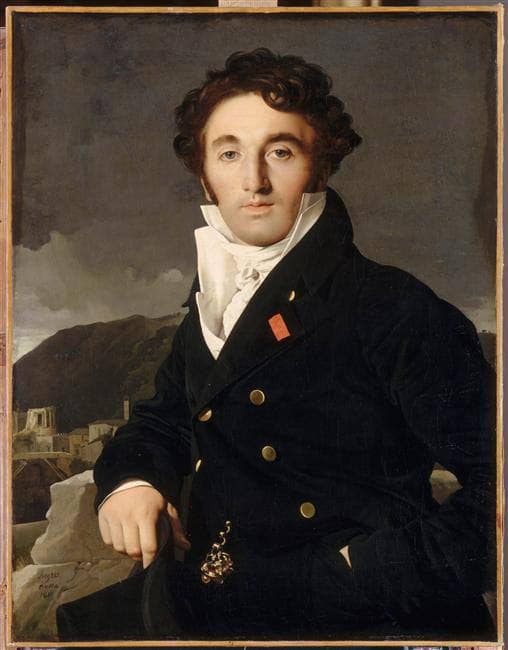
The Portrait of Bartolini features a balanced composition that draws the viewer's eye to the subject's face. Ingres employed a rich color palette, utilizing deep blues and warm earth tones to create depth and contrast. His use of chiaroscuro enhances the three-dimensionality of Bartolini's figure, making it appear lifelike. The careful arrangement of elements within the painting reflects Ingres' mastery of spatial organization.Facial Expression and Body Language: Capturing Character
Ingres skillfully captures Bartolini's personality through his facial expression and posture. The subject's calm demeanor and slight smile suggest confidence and intellect. Bartolini's relaxed yet dignified pose conveys a sense of authority, inviting viewers to engage with his character. Ingres' ability to portray subtle emotions adds a layer of complexity to the painting, making it a compelling study of human nature.Textural Elements: The Use of Light and Shadow
The textural quality of the Portrait of Bartolini is remarkable. Ingres expertly manipulates light and shadow to create a sense of realism. The soft highlights on Bartolini's face contrast with the darker areas, enhancing the overall depth of the painting. This technique not only showcases Ingres' technical skill but also adds a dynamic quality to the artwork, making it visually engaging.Symbolism and Themes in the Portrait of Bartolini
Understanding the Symbolic Elements in the Painting
Clothing and Accessories: What They Reveal About the Subject
Bartolini's attire in the portrait is rich with symbolism. He wears a dark coat adorned with a white cravat, signifying his status as a cultured individual. The choice of clothing reflects the fashion of the time, emphasizing elegance and sophistication. Ingres' attention to detail in the fabric's texture further enhances the portrayal of Bartolini as a man of distinction.Posture and Gesture: A Reflection of Personality
The subject's posture is both relaxed and assertive, suggesting a balance between approachability and authority. Bartolini's hand rests gently on a table, a gesture that conveys confidence without arrogance. This careful consideration of body language allows viewers to glean insights into Bartolini's character, making the portrait not just a likeness but a narrative of his identity.The Legacy of the Portrait of Bartolini
Impact on Future Generations of Artists
How Ingres Influenced Portraiture in the 19th and 20th Centuries
Ingres' Portrait of Bartolini set a standard for portraiture that influenced countless artists in the 19th and 20th centuries. His emphasis on precision and character paved the way for future portraitists to explore the psychological depth of their subjects. Artists like Edgar Degas and Henri Matisse drew inspiration from Ingres' techniques, blending realism with modern interpretations.Modern Interpretations and References in Contemporary Art
Today, Ingres' work continues to resonate with contemporary artists. The Portrait of Bartolini is often referenced in discussions about the evolution of portraiture. Modern artists explore themes of identity and representation, echoing Ingres' commitment to capturing the essence of the individual. This legacy ensures that Ingres remains a pivotal figure in the history of art.Frequently Asked Questions About the Portrait of Bartolini
What is the story behind the Portrait of Bartolini?
The Portrait of Bartolini was commissioned by Francesco Bartolini himself, reflecting his status as a prominent figure in the art world. Ingres captured not only his likeness but also the essence of his character, making the painting a significant representation of 19th-century portraiture.What techniques did Ingres use in this painting?
Ingres employed oil on canvas, utilizing techniques such as chiaroscuro and meticulous brushwork. His focus on line and form, combined with a rich color palette, showcases his mastery of the medium.How does the Portrait of Bartolini compare to other works by Ingres?
The Portrait of Bartolini stands out for its psychological depth and technical precision. Compared to other works by Ingres, it exemplifies his ability to blend realism with idealism, making it a quintessential example of his style.What are the key features that define Ingres' style?
Key features of Ingres' style include precise lines, a focus on form, and a harmonious color palette. His portraits often convey a sense of character and emotion, setting them apart from his contemporaries.Where can I see the original Portrait of Bartolini today?
The original Portrait of Bartolini is housed in the Musée des Beaux-Arts in Lyon, France. This museum features a rich collection of Ingres' works, allowing visitors to appreciate his artistic legacy.What should I know about reproductions of the Portrait of Bartolini?
Art reproductions of the Portrait of Bartolini offer a superior alternative to prints. They capture the intricate details and textures of the original painting, allowing art lovers to experience Ingres' mastery in their own homes.How can I appreciate the nuances of Ingres' work in a reproduction?
To appreciate Ingres' work in a reproduction, focus on the details such as brushwork, color variations, and the interplay of light and shadow. A high-quality reproduction can bring the nuances of the original painting to life, enhancing your understanding of Ingres' artistic genius.Select Size
From $89.98
Original: $299.95
-70%Portrait of Bartolini—
$299.95
$89.98Product Information
Product Information
Shipping & Returns
Shipping & Returns