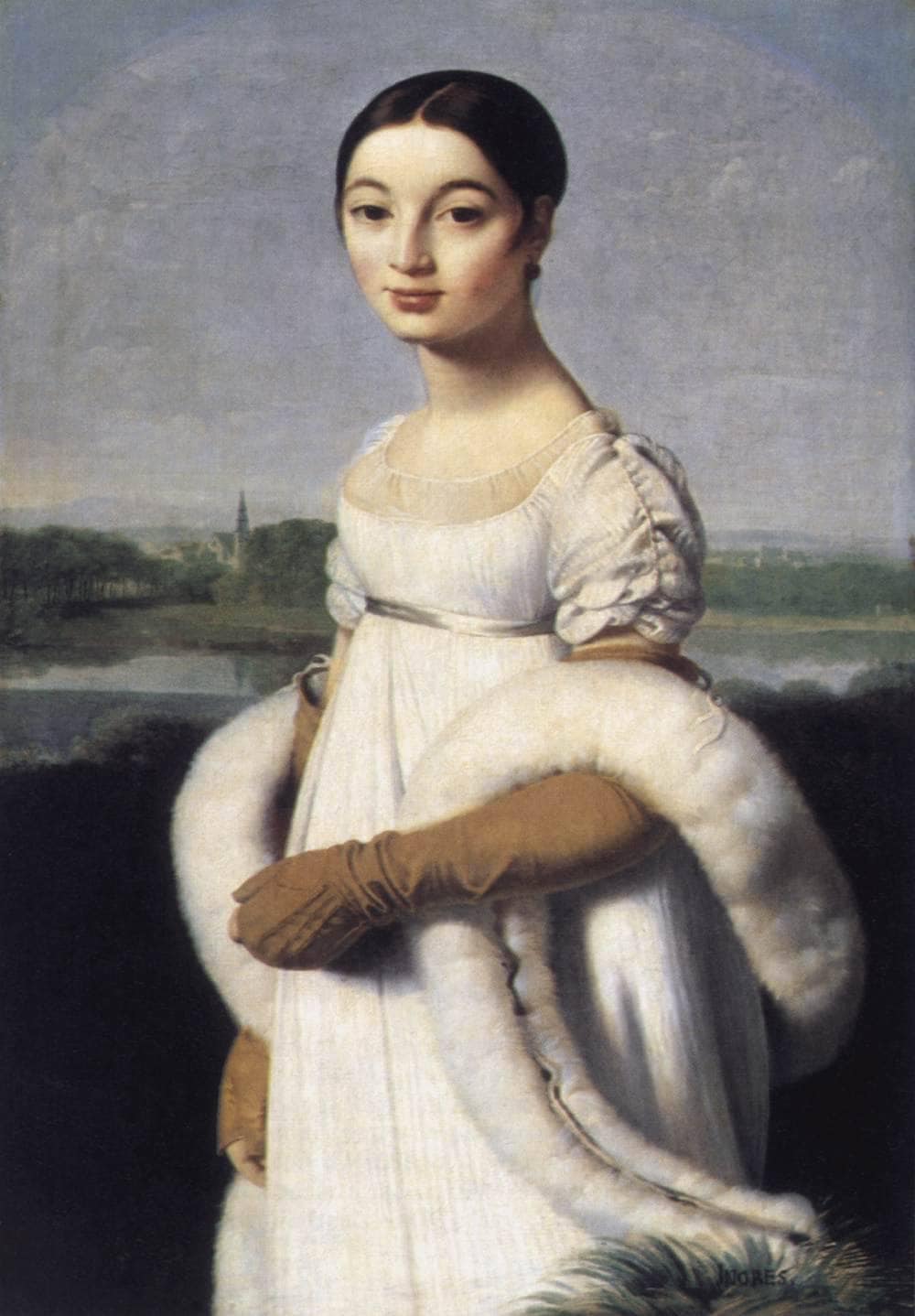
Portrait of Mademoiselle Rivière
Exploring the Artistic Brilliance of Ingres: Portrait of Mademoiselle Rivière
Historical Context: The Era of Neoclassicism and Romanticism
The Influence of the French Revolution on Art
The late 18th and early 19th centuries marked a significant shift in the art world, influenced heavily by the French Revolution. This period saw artists grappling with themes of liberty, equality, and the human experience. The upheaval inspired a move away from the ornate styles of the Rococo era towards a more restrained and classical approach, which emphasized clarity and moral virtue. Artists sought to reflect the ideals of the Enlightenment, leading to the rise of Neoclassicism and Romanticism.
Jean Auguste Dominique Ingres: A Pioneer of Neoclassical Portraiture
Jean Auguste Dominique Ingres emerged as a leading figure in Neoclassical portraiture. Born in 1780, he trained under Jacques-Louis David, a prominent Neoclassical artist. Ingres' work is characterized by its precision, elegance, and a deep understanding of human anatomy. His portraits, including the 'Portrait of Mademoiselle Rivière,' showcase his ability to blend realism with idealism, capturing the essence of his subjects while adhering to classical principles.
Unveiling the Subject: Who is Mademoiselle Rivière?
A Glimpse into the Life of Mademoiselle Rivière
Mademoiselle Rivière, the subject of Ingres' captivating portrait, was a young woman of notable beauty and grace. Little is known about her life, but she is believed to have been a close acquaintance of Ingres. Her presence in this artwork signifies the artist's appreciation for feminine beauty and virtue, which were central themes in his body of work.
Her Role in Ingres' Artistic Journey
This portrait represents a pivotal moment in Ingres' career, showcasing his evolving style and mastery of oil painting. Mademoiselle Rivière's serene expression and poised demeanor reflect Ingres' fascination with the female form and his commitment to portraying women with dignity and respect. This painting not only highlights her beauty but also serves as a testament to Ingres' skill in capturing the subtleties of human emotion.
Artistic Techniques: Ingres' Mastery of Oil Painting
Brushwork and Color Palette: A Study in Subtlety
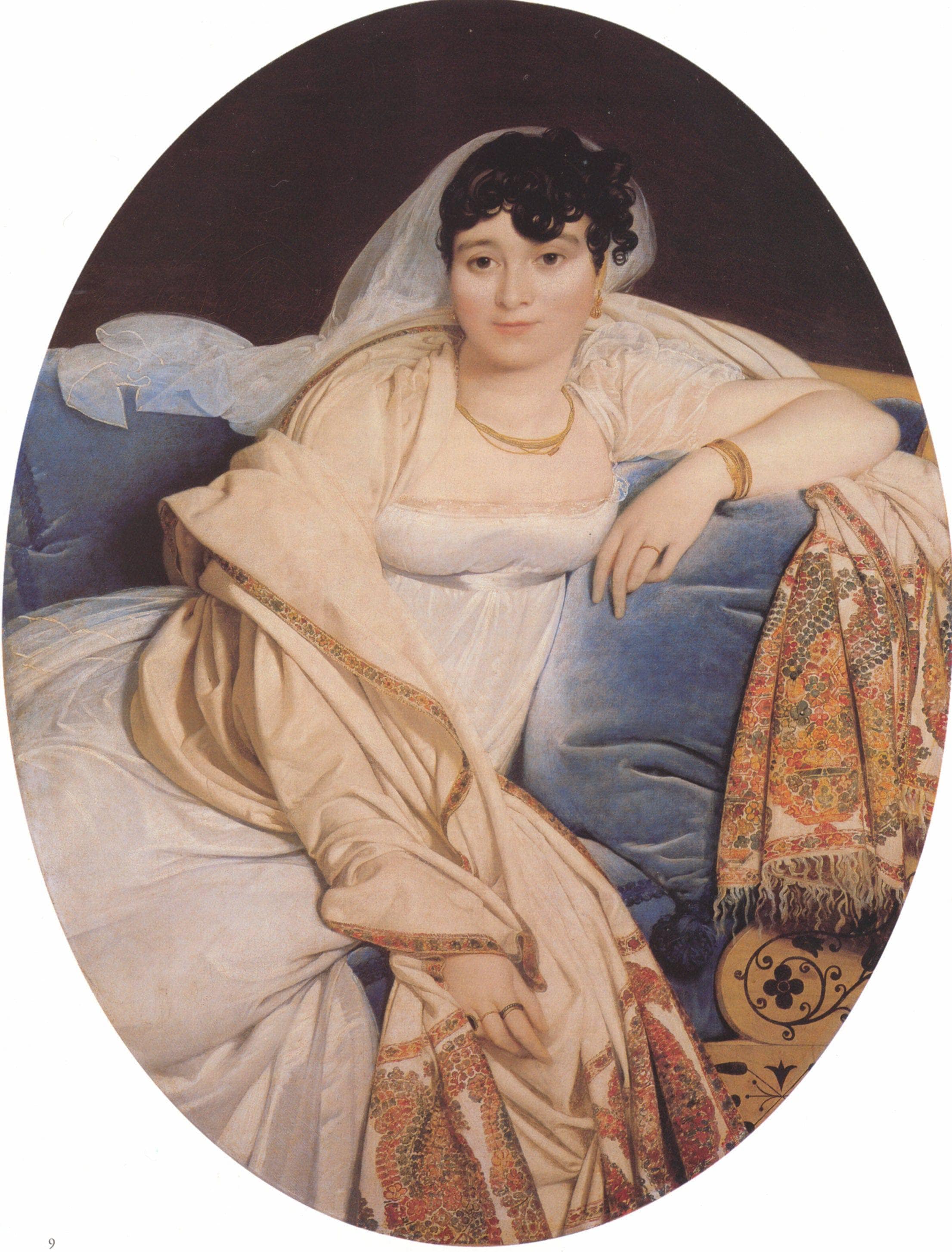
Ingres employed meticulous brushwork in 'Portrait of Mademoiselle Rivière,' using fine strokes to create a smooth, almost ethereal quality. His color palette is rich yet restrained, featuring soft pastels that enhance the subject's delicate features. The subtle interplay of light and shadow adds depth, making the portrait feel alive and inviting.
Composition and Form: The Balance of Elegance and Realism
The composition of the portrait is striking, with Mademoiselle Rivière positioned gracefully against a dark background that accentuates her figure. Ingres' attention to detail in her attire, particularly the intricate folds of her dress, showcases his commitment to realism. This balance of elegance and realism is a hallmark of Ingres' style, setting him apart from his contemporaries.
Symbolism and Themes: What Lies Beneath the Surface?
The Representation of Femininity and Virtue
In 'Portrait of Mademoiselle Rivière,' Ingres explores themes of femininity and virtue. The subject's calm expression and poised posture convey a sense of inner strength and dignity. This portrayal aligns with the Neoclassical ideals of beauty and moral integrity, reflecting the societal values of the time.
Exploring the Use of Light and Shadow in the Portrait
Ingres skillfully manipulates light and shadow to create a three-dimensional effect. The soft illumination on Mademoiselle Rivière's face draws the viewer's attention, while the darker background enhances her presence. This technique not only highlights her features but also evokes a sense of intimacy, inviting viewers to connect with her on a personal level.
Comparative Analysis: Ingres vs. His Contemporaries
Contrasting Styles: Ingres and Delacroix
While Ingres embraced the Neoclassical style, his contemporary EugÉne Delacroix leaned towards Romanticism, characterized by bold colors and emotional intensity. Ingres' precise lines and serene compositions contrast sharply with Delacroix's dynamic brushwork and dramatic themes. This divergence illustrates the rich diversity of artistic expression during this transformative period in art history.
The Legacy of Ingres in Modern Portraiture
Ingres' influence extends far beyond his lifetime. His approach to portraiture has inspired countless artists, shaping the way we perceive and represent the human form. Modern portraitists continue to draw from Ingres' techniques, particularly his emphasis on detail and the psychological depth of his subjects.
Artistic Reception: How the Portrait was Perceived
Critical Acclaim and Controversies Surrounding the Painting
Upon its unveiling, 'Portrait of Mademoiselle Rivière' received mixed reviews. Some critics praised Ingres for his technical prowess and ability to capture beauty, while others questioned the emotional depth of the work. Over time, however, the portrait has gained recognition as a masterpiece of Neoclassicism, celebrated for its elegance and refinement.
The Evolution of Mademoiselle Rivière's Reputation Over Time
Initially overshadowed by other works, Mademoiselle Rivière's portrait has since become a focal point in discussions about Ingres' legacy. Art historians now recognize her as a symbol of the artist's dedication to portraying women with grace and dignity, further solidifying the painting's status in the art world.
Visiting the Original: Where to Experience Ingres' Work
Key Museums and Exhibitions Featuring the Portrait
The original 'Portrait of Mademoiselle Rivière' is housed in the prestigious Musée d'Orsay in Paris. This museum is renowned for its extensive collection of Impressionist and Post-Impressionist masterpieces, making it a must-visit for art enthusiasts. Special exhibitions occasionally feature Ingres' work, providing a deeper insight into his artistic journey.
Virtual Tours and Online Resources for Art Enthusiasts
For those unable to visit in person, many online platforms offer virtual tours of the Musée d'Orsay. These resources allow art lovers to explore Ingres' masterpieces from the comfort of their homes. Additionally, numerous websites provide detailed analyses and high-resolution images of the painting, enhancing the viewing experience.
FAQs: Common Questions About Portrait of Mademoiselle Rivière
What is the significance of the colors used in the painting?
The colors in 'Portrait of Mademoiselle Rivière' are carefully chosen to evoke a sense of calm and elegance. The soft pastels reflect the subject's femininity, while the darker background emphasizes her presence.
How did Ingres' style influence future generations of artists?
Ingres' focus on precision and detail set a standard for portraiture that influenced artists for generations. His techniques can be seen in the works of later artists who sought to capture the human experience with similar depth and clarity.
What are the notable features of Mademoiselle Rivière's attire?
Mademoiselle Rivière's attire is characterized by intricate folds and delicate textures, showcasing Ingres' mastery of fabric representation. The dress enhances her graceful posture and adds to the overall elegance of the portrait.
Why is this painting considered a masterpiece of Neoclassicism?
This painting is considered a masterpiece due to its technical excellence, harmonious composition, and the way it embodies the ideals of Neoclassicism. Ingres' ability to blend realism with ideal beauty makes it a standout work of art.
What emotions does Ingres convey through Mademoiselle Rivière's expression?
Mademoiselle Rivière's expression conveys serenity and poise, inviting viewers to connect with her on an emotional level. Ingres captures a moment of introspection, reflecting the inner strength of his subject.
How can I appreciate the details in the painting when viewing it online?
To appreciate the details, zoom in on high-resolution images available on art websites. Pay attention to the brushwork, color variations, and the interplay of light and shadow that Ingres masterfully employed.
What should I know about reproductions of this artwork?
Art reproductions of 'Portrait of Mademoiselle Rivière' offer a superior alternative to prints. They capture the texture and depth of the original oil painting, allowing art lovers to experience Ingres' brilliance in their own homes. Investing in a high-quality reproduction means enjoying the beauty of this masterpiece every day.
Original: $299.95
-70%$299.95
$89.98Product Information
Product Information
Shipping & Returns
Shipping & Returns
Description
Exploring the Artistic Brilliance of Ingres: Portrait of Mademoiselle Rivière
Historical Context: The Era of Neoclassicism and Romanticism
The Influence of the French Revolution on Art
The late 18th and early 19th centuries marked a significant shift in the art world, influenced heavily by the French Revolution. This period saw artists grappling with themes of liberty, equality, and the human experience. The upheaval inspired a move away from the ornate styles of the Rococo era towards a more restrained and classical approach, which emphasized clarity and moral virtue. Artists sought to reflect the ideals of the Enlightenment, leading to the rise of Neoclassicism and Romanticism.
Jean Auguste Dominique Ingres: A Pioneer of Neoclassical Portraiture
Jean Auguste Dominique Ingres emerged as a leading figure in Neoclassical portraiture. Born in 1780, he trained under Jacques-Louis David, a prominent Neoclassical artist. Ingres' work is characterized by its precision, elegance, and a deep understanding of human anatomy. His portraits, including the 'Portrait of Mademoiselle Rivière,' showcase his ability to blend realism with idealism, capturing the essence of his subjects while adhering to classical principles.
Unveiling the Subject: Who is Mademoiselle Rivière?
A Glimpse into the Life of Mademoiselle Rivière
Mademoiselle Rivière, the subject of Ingres' captivating portrait, was a young woman of notable beauty and grace. Little is known about her life, but she is believed to have been a close acquaintance of Ingres. Her presence in this artwork signifies the artist's appreciation for feminine beauty and virtue, which were central themes in his body of work.
Her Role in Ingres' Artistic Journey
This portrait represents a pivotal moment in Ingres' career, showcasing his evolving style and mastery of oil painting. Mademoiselle Rivière's serene expression and poised demeanor reflect Ingres' fascination with the female form and his commitment to portraying women with dignity and respect. This painting not only highlights her beauty but also serves as a testament to Ingres' skill in capturing the subtleties of human emotion.
Artistic Techniques: Ingres' Mastery of Oil Painting
Brushwork and Color Palette: A Study in Subtlety
Ingres employed meticulous brushwork in 'Portrait of Mademoiselle Rivière,' using fine strokes to create a smooth, almost ethereal quality. His color palette is rich yet restrained, featuring soft pastels that enhance the subject's delicate features. The subtle interplay of light and shadow adds depth, making the portrait feel alive and inviting.
Composition and Form: The Balance of Elegance and Realism
The composition of the portrait is striking, with Mademoiselle Rivière positioned gracefully against a dark background that accentuates her figure. Ingres' attention to detail in her attire, particularly the intricate folds of her dress, showcases his commitment to realism. This balance of elegance and realism is a hallmark of Ingres' style, setting him apart from his contemporaries.
Symbolism and Themes: What Lies Beneath the Surface?
The Representation of Femininity and Virtue
In 'Portrait of Mademoiselle Rivière,' Ingres explores themes of femininity and virtue. The subject's calm expression and poised posture convey a sense of inner strength and dignity. This portrayal aligns with the Neoclassical ideals of beauty and moral integrity, reflecting the societal values of the time.
Exploring the Use of Light and Shadow in the Portrait
Ingres skillfully manipulates light and shadow to create a three-dimensional effect. The soft illumination on Mademoiselle Rivière's face draws the viewer's attention, while the darker background enhances her presence. This technique not only highlights her features but also evokes a sense of intimacy, inviting viewers to connect with her on a personal level.
Comparative Analysis: Ingres vs. His Contemporaries
Contrasting Styles: Ingres and Delacroix
While Ingres embraced the Neoclassical style, his contemporary EugÉne Delacroix leaned towards Romanticism, characterized by bold colors and emotional intensity. Ingres' precise lines and serene compositions contrast sharply with Delacroix's dynamic brushwork and dramatic themes. This divergence illustrates the rich diversity of artistic expression during this transformative period in art history.
The Legacy of Ingres in Modern Portraiture
Ingres' influence extends far beyond his lifetime. His approach to portraiture has inspired countless artists, shaping the way we perceive and represent the human form. Modern portraitists continue to draw from Ingres' techniques, particularly his emphasis on detail and the psychological depth of his subjects.
Artistic Reception: How the Portrait was Perceived
Critical Acclaim and Controversies Surrounding the Painting
Upon its unveiling, 'Portrait of Mademoiselle Rivière' received mixed reviews. Some critics praised Ingres for his technical prowess and ability to capture beauty, while others questioned the emotional depth of the work. Over time, however, the portrait has gained recognition as a masterpiece of Neoclassicism, celebrated for its elegance and refinement.
The Evolution of Mademoiselle Rivière's Reputation Over Time
Initially overshadowed by other works, Mademoiselle Rivière's portrait has since become a focal point in discussions about Ingres' legacy. Art historians now recognize her as a symbol of the artist's dedication to portraying women with grace and dignity, further solidifying the painting's status in the art world.
Visiting the Original: Where to Experience Ingres' Work
Key Museums and Exhibitions Featuring the Portrait
The original 'Portrait of Mademoiselle Rivière' is housed in the prestigious Musée d'Orsay in Paris. This museum is renowned for its extensive collection of Impressionist and Post-Impressionist masterpieces, making it a must-visit for art enthusiasts. Special exhibitions occasionally feature Ingres' work, providing a deeper insight into his artistic journey.
Virtual Tours and Online Resources for Art Enthusiasts
For those unable to visit in person, many online platforms offer virtual tours of the Musée d'Orsay. These resources allow art lovers to explore Ingres' masterpieces from the comfort of their homes. Additionally, numerous websites provide detailed analyses and high-resolution images of the painting, enhancing the viewing experience.
FAQs: Common Questions About Portrait of Mademoiselle Rivière
What is the significance of the colors used in the painting?
The colors in 'Portrait of Mademoiselle Rivière' are carefully chosen to evoke a sense of calm and elegance. The soft pastels reflect the subject's femininity, while the darker background emphasizes her presence.
How did Ingres' style influence future generations of artists?
Ingres' focus on precision and detail set a standard for portraiture that influenced artists for generations. His techniques can be seen in the works of later artists who sought to capture the human experience with similar depth and clarity.
What are the notable features of Mademoiselle Rivière's attire?
Mademoiselle Rivière's attire is characterized by intricate folds and delicate textures, showcasing Ingres' mastery of fabric representation. The dress enhances her graceful posture and adds to the overall elegance of the portrait.
Why is this painting considered a masterpiece of Neoclassicism?
This painting is considered a masterpiece due to its technical excellence, harmonious composition, and the way it embodies the ideals of Neoclassicism. Ingres' ability to blend realism with ideal beauty makes it a standout work of art.
What emotions does Ingres convey through Mademoiselle Rivière's expression?
Mademoiselle Rivière's expression conveys serenity and poise, inviting viewers to connect with her on an emotional level. Ingres captures a moment of introspection, reflecting the inner strength of his subject.
How can I appreciate the details in the painting when viewing it online?
To appreciate the details, zoom in on high-resolution images available on art websites. Pay attention to the brushwork, color variations, and the interplay of light and shadow that Ingres masterfully employed.
What should I know about reproductions of this artwork?
Art reproductions of 'Portrait of Mademoiselle Rivière' offer a superior alternative to prints. They capture the texture and depth of the original oil painting, allowing art lovers to experience Ingres' brilliance in their own homes. Investing in a high-quality reproduction means enjoying the beauty of this masterpiece every day.