Woman in a Green Blouse
Exploring the Vibrant World of Ernst Ludwig Kirchner's Woman in a Green Blouse
Artistic Context: The Expressionist Movement and Kirchner's Role
Understanding Expressionism: A Break from Tradition
Expressionism emerged in the early 20th century as a revolutionary art movement. It sought to convey emotional experiences rather than physical reality. Artists like Kirchner used bold colors and distorted forms to express feelings, making their work resonate deeply with viewers.
Ernst Ludwig Kirchner: Life and Influences
Born in 1880 in Aschaffenburg, Germany, Ernst Ludwig Kirchner became a leading figure in the Expressionist movement. His experiences in urban life, particularly in Berlin, shaped his artistic vision. Kirchner's time in the vibrant city exposed him to diverse cultures and modernity, which influenced his unique style.
The Berlin Secession: A Platform for Innovation
In 1910, Kirchner co-founded the Berlin Secession, a group that promoted avant-garde art. This collective provided a platform for artists to showcase their innovative works. Kirchner's involvement helped him gain recognition and allowed him to challenge traditional artistic norms.
Visual Analysis: The Striking Features of Woman in a Green Blouse
Color Palette: The Symbolism of Green and Other Hues
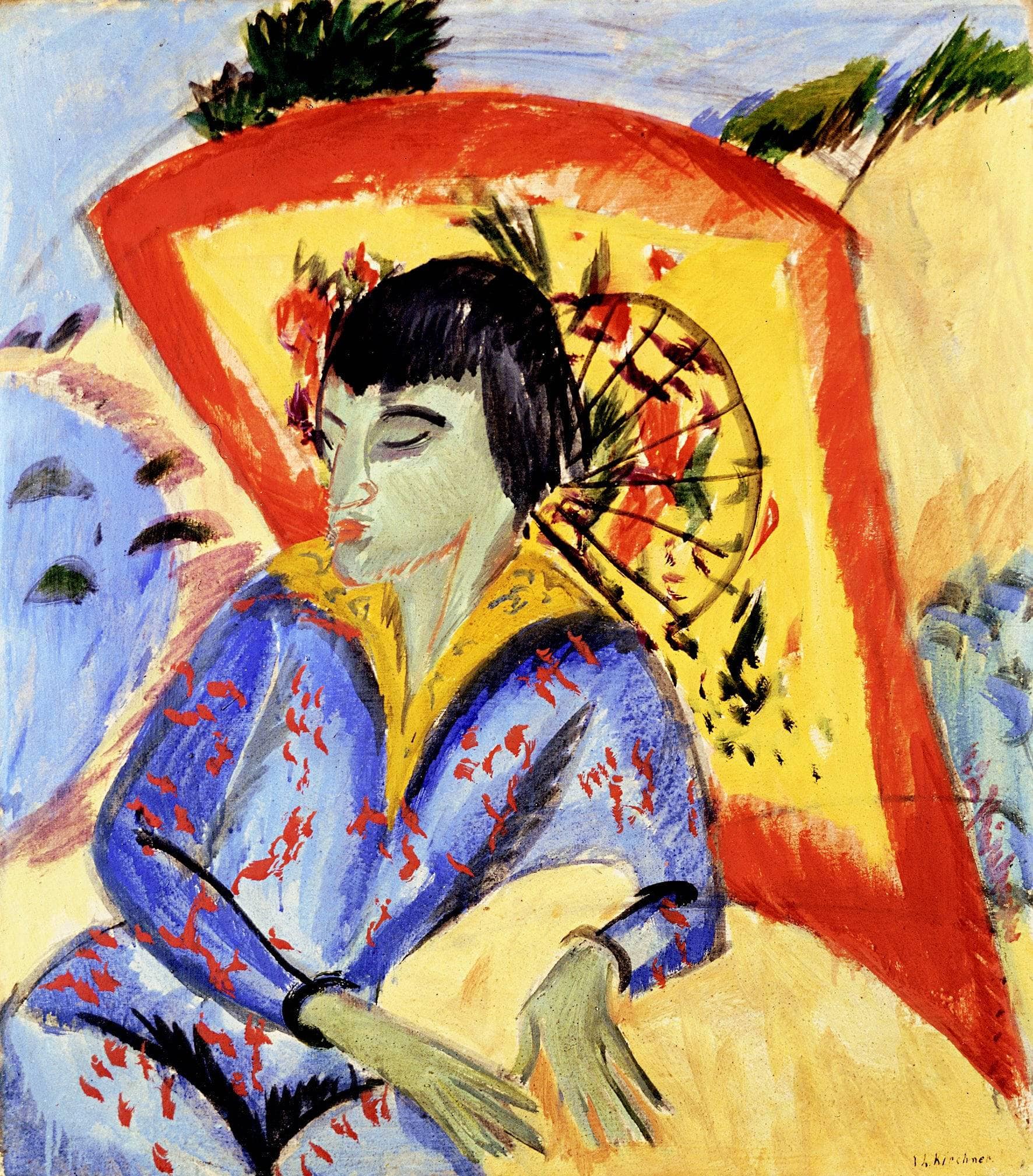
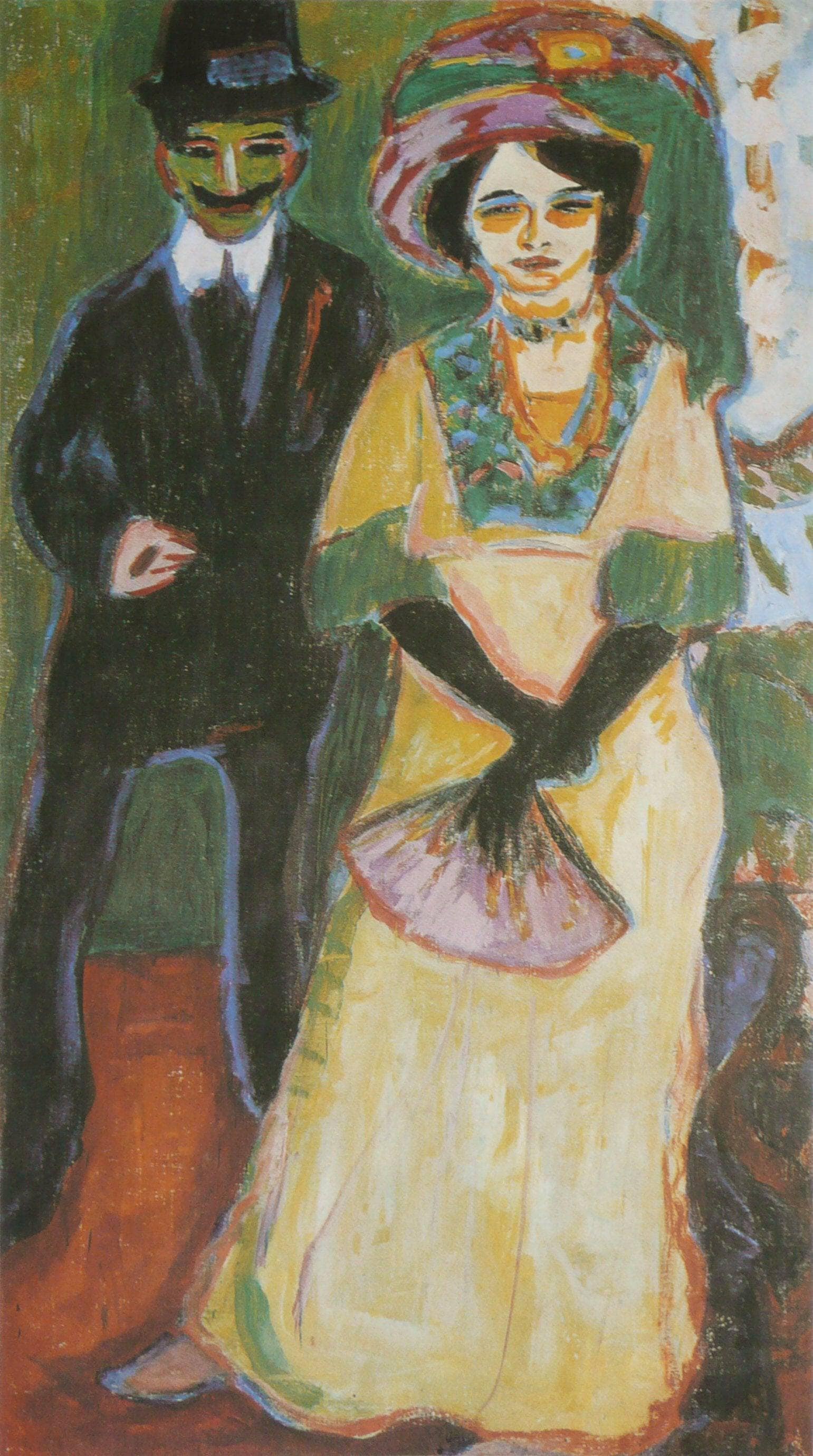
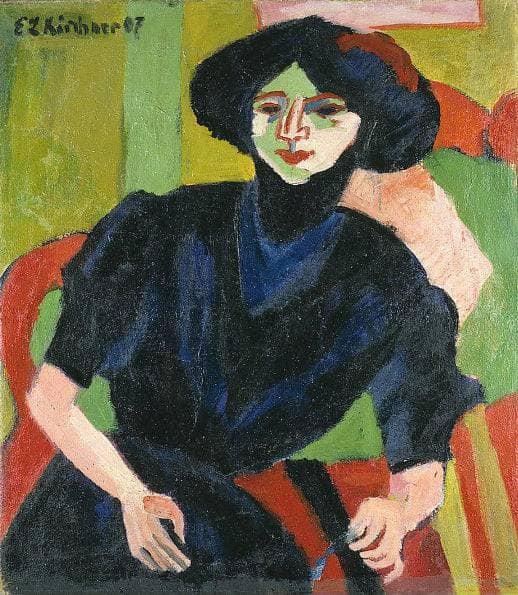
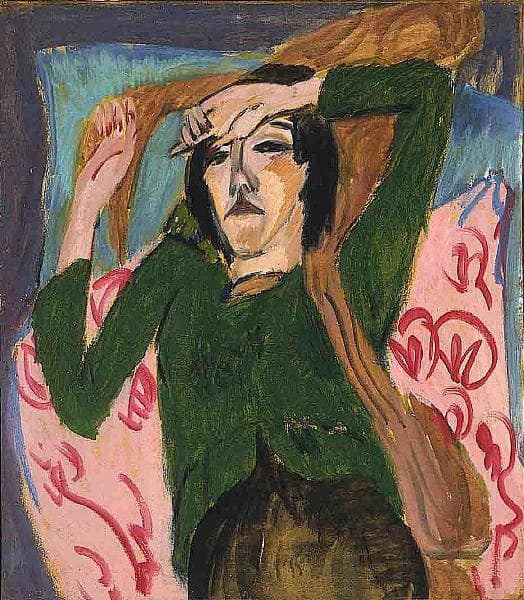
The color green dominates the painting, symbolizing renewal and vitality. Kirchner's use of contrasting colors enhances the emotional impact. The vibrant reds and yellows in the background create a dynamic interplay, drawing the viewer's eye to the central figure.
Brushwork Techniques: Capturing Emotion Through Texture
Kirchner's brushwork is bold and expressive, adding texture and depth to the painting. He employs thick strokes that convey movement and emotion. This technique invites viewers to feel the energy and intensity of the scene.
Composition: The Balance of Form and Space
The composition of Woman in a Green Blouse is strikingly balanced. Kirchner places the figure centrally, surrounded by abstract forms that suggest a lively environment. This arrangement creates a sense of harmony while emphasizing the subject's presence.
Subject Matter: The Enigmatic Woman in a Green Blouse
Portrayal of Femininity: Strength and Vulnerability
The woman in the painting embodies both strength and vulnerability. Her confident posture contrasts with the softness of her features. Kirchner captures the complexity of femininity, showcasing a woman who is both powerful and introspective.
Fashion and Identity: The Significance of the Green Blouse
The green blouse serves as a symbol of modernity and self-expression. Fashion in the early 20th century was a reflection of identity, and Kirchner highlights this through the woman's attire. The blouse represents a break from traditional roles, celebrating individuality.
Psychological Depth: The Expression in Her Eyes
The woman's eyes convey a deep emotional narrative. They reflect a sense of longing and introspection, inviting viewers to ponder her story. Kirchner's ability to capture psychological depth adds layers of meaning to the artwork.
Cultural Impact: Kirchner's Legacy and Influence on Modern Art
Influence on Later Artists: A Ripple Effect in Art History
Kirchner's innovative approach influenced many artists in the 20th century. His bold use of color and form inspired movements like Fauvism and Abstract Expressionism. Artists such as Henri Matisse and Jackson Pollock drew from Kirchner's techniques to develop their unique styles.
Woman in a Green Blouse in Popular Culture
This painting has made its mark in popular culture, appearing in various exhibitions and art discussions. Its striking imagery and emotional depth resonate with audiences, making it a subject of fascination in art circles.
Art Market Trends: The Value of Kirchner's Works Today
Kirchner's works, including Woman in a Green Blouse, have seen a significant increase in value. Collectors and investors recognize the importance of his contributions to modern art. The painting's unique characteristics and historical significance make it a sought-after piece in the art market.
Personal Reflection: Experiencing the Painting in Person
Visiting Museums: Where to See the Original
Art enthusiasts can view the original Woman in a Green Blouse at the Museum of Modern Art in New York. Experiencing the painting in person allows viewers to appreciate its vibrant colors and intricate details up close.
Emotional Response: What the Painting Evokes
Encountering this artwork often evokes a range of emotions. Viewers may feel a connection to the woman's strength and vulnerability. The painting's energy can inspire reflection on personal identity and the complexities of modern life.
Connecting with Art: The Importance of Personal Interpretation
Each viewer brings their own experiences to the interpretation of Woman in a Green Blouse. This personal connection enhances the appreciation of the artwork. Engaging with art allows individuals to explore their feelings and thoughts, making the experience unique.
FAQs About Woman in a Green Blouse by Ernst Ludwig Kirchner
What is the historical significance of Woman in a Green Blouse?
Woman in a Green Blouse is significant for its representation of early 20th-century Expressionism. It reflects the cultural shifts of the time and Kirchner's innovative approach to portraying emotion and identity.
How does Kirchner's style differ from other Expressionist artists?
Kirchner's style is characterized by bold colors and dynamic forms. Unlike some of his contemporaries, he focused on urban life and the psychological aspects of his subjects, creating a unique visual language.
What emotions does the painting convey to viewers?
The painting conveys a mix of strength, vulnerability, and introspection. Viewers often feel a connection to the woman's emotional depth, prompting personal reflection on their own experiences.
Where can I find more information about Kirchner's life and works?
For more information about Kirchner, consider visiting art history websites, museum collections, or biographies dedicated to his life and contributions to the Expressionist movement.
What are the main themes explored in Woman in a Green Blouse?
Main themes include femininity, identity, and emotional depth. Kirchner explores the complexities of modern life through the lens of his subject, inviting viewers to engage with these themes on a personal level.
FAQs About Painting Reproductions
How can I ensure the quality of a reproduction of Woman in a Green Blouse?
To ensure quality, look for reproductions created using high-quality materials and techniques. Hand-painted reproductions are superior to prints, capturing the texture and vibrancy of the original artwork.
What should I consider when displaying a reproduction of this painting?
When displaying a reproduction, consider lighting and placement. Ensure the artwork is well-lit to highlight its colors and details. Choose a location that complements the painting's emotional impact and enhances your space.
Original: $249.95
-70%$249.95
$74.98Product Information
Product Information
Shipping & Returns
Shipping & Returns
Description
Exploring the Vibrant World of Ernst Ludwig Kirchner's Woman in a Green Blouse
Artistic Context: The Expressionist Movement and Kirchner's Role
Understanding Expressionism: A Break from Tradition
Expressionism emerged in the early 20th century as a revolutionary art movement. It sought to convey emotional experiences rather than physical reality. Artists like Kirchner used bold colors and distorted forms to express feelings, making their work resonate deeply with viewers.
Ernst Ludwig Kirchner: Life and Influences
Born in 1880 in Aschaffenburg, Germany, Ernst Ludwig Kirchner became a leading figure in the Expressionist movement. His experiences in urban life, particularly in Berlin, shaped his artistic vision. Kirchner's time in the vibrant city exposed him to diverse cultures and modernity, which influenced his unique style.
The Berlin Secession: A Platform for Innovation
In 1910, Kirchner co-founded the Berlin Secession, a group that promoted avant-garde art. This collective provided a platform for artists to showcase their innovative works. Kirchner's involvement helped him gain recognition and allowed him to challenge traditional artistic norms.
Visual Analysis: The Striking Features of Woman in a Green Blouse
Color Palette: The Symbolism of Green and Other Hues
The color green dominates the painting, symbolizing renewal and vitality. Kirchner's use of contrasting colors enhances the emotional impact. The vibrant reds and yellows in the background create a dynamic interplay, drawing the viewer's eye to the central figure.
Brushwork Techniques: Capturing Emotion Through Texture
Kirchner's brushwork is bold and expressive, adding texture and depth to the painting. He employs thick strokes that convey movement and emotion. This technique invites viewers to feel the energy and intensity of the scene.
Composition: The Balance of Form and Space
The composition of Woman in a Green Blouse is strikingly balanced. Kirchner places the figure centrally, surrounded by abstract forms that suggest a lively environment. This arrangement creates a sense of harmony while emphasizing the subject's presence.
Subject Matter: The Enigmatic Woman in a Green Blouse
Portrayal of Femininity: Strength and Vulnerability
The woman in the painting embodies both strength and vulnerability. Her confident posture contrasts with the softness of her features. Kirchner captures the complexity of femininity, showcasing a woman who is both powerful and introspective.
Fashion and Identity: The Significance of the Green Blouse
The green blouse serves as a symbol of modernity and self-expression. Fashion in the early 20th century was a reflection of identity, and Kirchner highlights this through the woman's attire. The blouse represents a break from traditional roles, celebrating individuality.
Psychological Depth: The Expression in Her Eyes
The woman's eyes convey a deep emotional narrative. They reflect a sense of longing and introspection, inviting viewers to ponder her story. Kirchner's ability to capture psychological depth adds layers of meaning to the artwork.
Cultural Impact: Kirchner's Legacy and Influence on Modern Art
Influence on Later Artists: A Ripple Effect in Art History
Kirchner's innovative approach influenced many artists in the 20th century. His bold use of color and form inspired movements like Fauvism and Abstract Expressionism. Artists such as Henri Matisse and Jackson Pollock drew from Kirchner's techniques to develop their unique styles.
Woman in a Green Blouse in Popular Culture
This painting has made its mark in popular culture, appearing in various exhibitions and art discussions. Its striking imagery and emotional depth resonate with audiences, making it a subject of fascination in art circles.
Art Market Trends: The Value of Kirchner's Works Today
Kirchner's works, including Woman in a Green Blouse, have seen a significant increase in value. Collectors and investors recognize the importance of his contributions to modern art. The painting's unique characteristics and historical significance make it a sought-after piece in the art market.
Personal Reflection: Experiencing the Painting in Person
Visiting Museums: Where to See the Original
Art enthusiasts can view the original Woman in a Green Blouse at the Museum of Modern Art in New York. Experiencing the painting in person allows viewers to appreciate its vibrant colors and intricate details up close.
Emotional Response: What the Painting Evokes
Encountering this artwork often evokes a range of emotions. Viewers may feel a connection to the woman's strength and vulnerability. The painting's energy can inspire reflection on personal identity and the complexities of modern life.
Connecting with Art: The Importance of Personal Interpretation
Each viewer brings their own experiences to the interpretation of Woman in a Green Blouse. This personal connection enhances the appreciation of the artwork. Engaging with art allows individuals to explore their feelings and thoughts, making the experience unique.
FAQs About Woman in a Green Blouse by Ernst Ludwig Kirchner
What is the historical significance of Woman in a Green Blouse?
Woman in a Green Blouse is significant for its representation of early 20th-century Expressionism. It reflects the cultural shifts of the time and Kirchner's innovative approach to portraying emotion and identity.
How does Kirchner's style differ from other Expressionist artists?
Kirchner's style is characterized by bold colors and dynamic forms. Unlike some of his contemporaries, he focused on urban life and the psychological aspects of his subjects, creating a unique visual language.
What emotions does the painting convey to viewers?
The painting conveys a mix of strength, vulnerability, and introspection. Viewers often feel a connection to the woman's emotional depth, prompting personal reflection on their own experiences.
Where can I find more information about Kirchner's life and works?
For more information about Kirchner, consider visiting art history websites, museum collections, or biographies dedicated to his life and contributions to the Expressionist movement.
What are the main themes explored in Woman in a Green Blouse?
Main themes include femininity, identity, and emotional depth. Kirchner explores the complexities of modern life through the lens of his subject, inviting viewers to engage with these themes on a personal level.
FAQs About Painting Reproductions
How can I ensure the quality of a reproduction of Woman in a Green Blouse?
To ensure quality, look for reproductions created using high-quality materials and techniques. Hand-painted reproductions are superior to prints, capturing the texture and vibrancy of the original artwork.
What should I consider when displaying a reproduction of this painting?
When displaying a reproduction, consider lighting and placement. Ensure the artwork is well-lit to highlight its colors and details. Choose a location that complements the painting's emotional impact and enhances your space.