Portrait of Alfred Döblin
Exploring the Artistic Vision of Ernst Ludwig Kirchner in "Portrait of Alfred Döblin"
Understanding the Historical Context of Kirchner's Work
The Expressionist Movement: A Deep Dive
Ernst Ludwig Kirchner was a pivotal figure in the Expressionist movement, which emerged in the early 20th century. This movement sought to convey emotional experiences rather than physical reality. Kirchner's work often reflected the anxieties and tensions of modern life, particularly in urban settings. His bold use of color and distorted forms aimed to evoke deep feelings, making his art resonate with the tumultuous spirit of his time.
Influences on Kirchner: The Berlin Scene and Beyond
Kirchner was heavily influenced by the vibrant Berlin art scene, where he interacted with fellow artists and intellectuals. The bustling city life, with its cafes, theaters, and nightlife, inspired his dynamic compositions. Additionally, Kirchner drew inspiration from African and Oceanic art, which he admired for its raw emotional power. This blend of influences helped shape his unique style, characterized by vivid colors and expressive brushwork.
Alfred Döblin: A Literary Icon Captured on Canvas
Life and Legacy of Alfred Döblin: A Brief Biography
Alfred Döblin was a prominent German novelist and playwright, known for his innovative narrative techniques. Born in 1878, he became a key figure in modernist literature. His works often explored themes of alienation and the human condition, reflecting the complexities of urban life. Döblin's literary contributions, including his acclaimed novel "Berlin Alexanderplatz," have left a lasting impact on German literature.
Döblin's Impact on German Literature and Culture
Döblin's influence extended beyond literature into the broader cultural landscape of Germany. His exploration of psychological depth and social critique resonated with the Expressionist movement. He challenged traditional narrative forms, paving the way for future writers. Döblin's legacy continues to inspire contemporary authors and artists, making him a vital figure in the evolution of modern literature.
Artistic Techniques and Styles in "Portrait of Alfred Döblin"
Color Palette: The Emotional Resonance of Kirchner's Choices
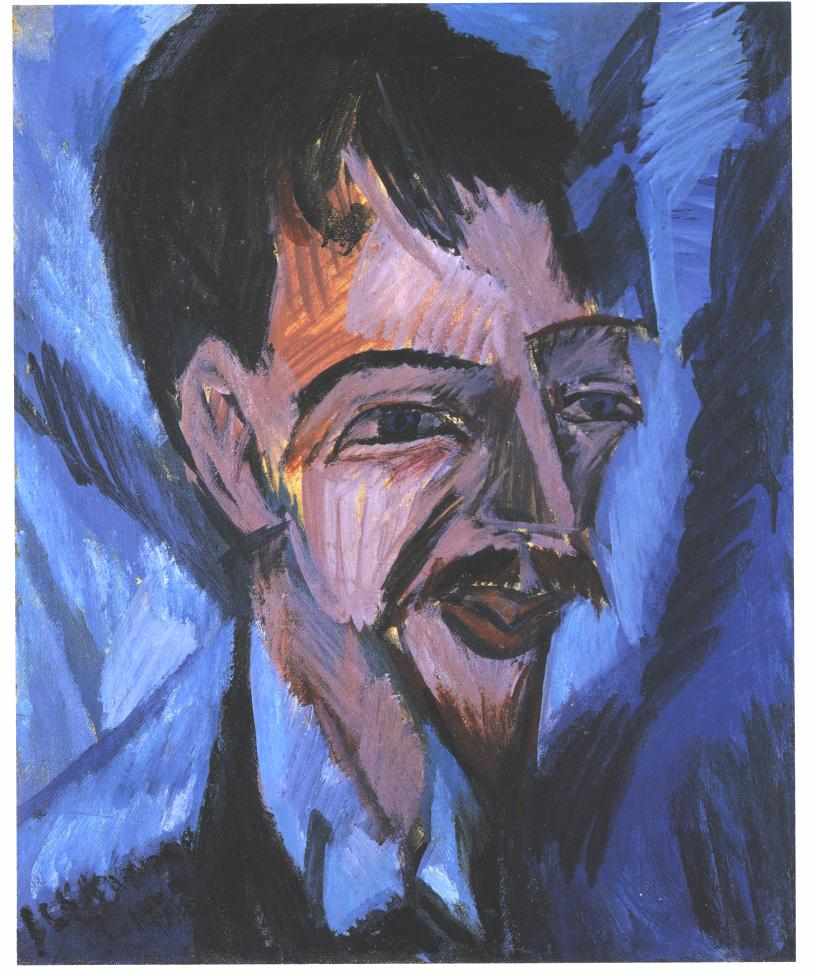
In "Portrait of Alfred Döblin," Kirchner employs a striking color palette that enhances the emotional depth of the piece. The bold reds and deep blues create a sense of intensity, reflecting Döblin's complex personality. Kirchner's choice of colors not only captures the essence of his subject but also evokes the turbulent emotions of the early 20th century.
Brushwork and Texture: Analyzing Kirchner's Technique
Kirchner's brushwork in this portrait is both dynamic and expressive. He uses thick, impasto strokes to create texture, giving the painting a tactile quality. This technique adds depth and movement, drawing the viewer into Döblin's world. The energetic brushwork reflects Kirchner's emotional engagement with his subject, making the portrait feel alive.
Composition and Form: The Arrangement of Elements in the Portrait
The composition of "Portrait of Alfred Döblin" is carefully structured yet feels spontaneous. Kirchner places Döblin slightly off-center, creating a sense of movement and intrigue. The arrangement of colors and forms guides the viewer's eye, emphasizing the subject's expressive features. This thoughtful composition enhances the overall impact of the portrait.
The Symbolism Behind Kirchner's Portrait of Döblin
Facial Expressions and Body Language: What They Reveal
Döblin's facial expression in the portrait conveys a mix of contemplation and intensity. His slightly furrowed brow and piercing gaze suggest a deep intellectual engagement. Kirchner captures the essence of Döblin's character, reflecting his literary depth and emotional complexity. The body language further emphasizes this, with a relaxed yet assertive posture that invites interpretation.
Color Symbolism: The Meaning Behind the Hues
The colors in Kirchner's portrait are rich with symbolism. The use of warm tones may represent passion and creativity, while cooler shades can signify introspection and melancholy. This interplay of colors invites viewers to explore the duality of Döblin's character as both a passionate writer and a reflective thinker. Kirchner's color choices deepen the narrative of the portrait.
Comparative Analysis: Kirchner's Portraits of Other Figures
Contrasting Styles: Kirchner vs. Other Expressionist Artists
Kirchner's style stands out among his Expressionist peers. While artists like Edvard Munch focused on psychological themes, Kirchner often emphasized the vibrancy of urban life. His portraits, including that of Döblin, showcase a unique blend of emotional depth and dynamic color. This distinctive approach sets Kirchner apart in the Expressionist movement.
Similarities and Differences: Portraits of Literary Figures
When comparing Kirchner's portraits of literary figures, such as Döblin and his contemporaries, one can see both similarities and differences. Kirchner often captures the essence of his subjects through bold colors and expressive forms. However, each portrait reflects the individual character and contributions of the writer, showcasing Kirchner's ability to adapt his style to convey unique narratives.
The Reception of "Portrait of Alfred Döblin" Through the Years
Critical Acclaim: Reviews and Interpretations Over Time
Since its creation, "Portrait of Alfred Döblin" has received critical acclaim for its emotional depth and innovative style. Art critics have praised Kirchner's ability to capture the essence of Döblin, highlighting the portrait's significance in both art and literature. Over the years, interpretations have evolved, reflecting changing perspectives on Expressionism and its impact on modern art.
Exhibitions and Public Display: Where to See the Painting
This remarkable portrait has been featured in various exhibitions, showcasing Kirchner's work alongside other Expressionist masterpieces. Art enthusiasts can often find it in major galleries and museums dedicated to early 20th-century art. Its presence in these institutions underscores its importance in the art historical canon.
Why "Portrait of Alfred Döblin" Remains Relevant Today
The Intersection of Art and Literature: A Timeless Connection
"Portrait of Alfred Döblin" exemplifies the enduring relationship between art and literature. Kirchner's portrayal of Döblin highlights the profound impact of literary figures on the visual arts. This connection continues to inspire contemporary artists, who explore similar themes of identity and expression in their work.
Modern Interpretations: How Contemporary Artists View Kirchner
Today, contemporary artists often draw inspiration from Kirchner's bold style and emotional depth. They reinterpret his techniques and themes, creating new dialogues between past and present. Kirchner's influence is evident in the work of many modern artists who seek to capture the complexities of human experience through vibrant colors and expressive forms.
FAQs About "Portrait of Alfred Döblin" by Ernst Ludwig Kirchner
Common Questions About the Painting
What inspired Ernst Ludwig Kirchner to paint Alfred Döblin?
Kirchner was inspired by Döblin's literary genius and his significant role in the cultural landscape of Germany. The connection between their artistic pursuits motivated Kirchner to capture Döblin's essence on canvas.
How does "Portrait of Alfred Döblin" reflect the Expressionist movement?
This portrait embodies the core principles of Expressionism through its emotional intensity, bold colors, and dynamic brushwork. Kirchner's approach highlights the psychological depth and complexity of his subject.
What are the key features of Kirchner's style in this portrait?
Key features include a vibrant color palette, expressive brushwork, and a unique composition that draws the viewer's eye. Kirchner's style captures the emotional essence of Döblin, making the portrait a powerful representation of both artist and subject.
How was Alfred Döblin portrayed in this painting compared to his literary works?
In the portrait, Döblin is depicted with a contemplative expression, reflecting his intellectual depth. This portrayal complements his literary themes of alienation and introspection, creating a visual narrative that aligns with his written works.
What significance does the color palette hold in this artwork?
The color palette is significant as it conveys the emotional landscape of Döblin's character. The interplay of warm and cool tones reflects his passionate yet introspective nature, enhancing the portrait's overall impact.
Questions About the Painting Reproduction
How can I ensure the reproduction captures the essence of the original?
To ensure a high-quality reproduction, look for details in brushwork, color accuracy, and texture. A skilled artist will replicate the emotional depth and vibrancy of Kirchner's original work, making the reproduction a true reflection of the masterpiece.
What should I look for in a high-quality reproduction of Kirchner's work?
When seeking a high-quality reproduction, prioritize craftsmanship, color fidelity, and the use of premium materials. Unlike prints, painting reproductions offer a richer texture and depth, making them a superior choice for art lovers.
Original: $249.95
-70%$249.95
$74.98Product Information
Product Information
Shipping & Returns
Shipping & Returns
Description
Exploring the Artistic Vision of Ernst Ludwig Kirchner in "Portrait of Alfred Döblin"
Understanding the Historical Context of Kirchner's Work
The Expressionist Movement: A Deep Dive
Ernst Ludwig Kirchner was a pivotal figure in the Expressionist movement, which emerged in the early 20th century. This movement sought to convey emotional experiences rather than physical reality. Kirchner's work often reflected the anxieties and tensions of modern life, particularly in urban settings. His bold use of color and distorted forms aimed to evoke deep feelings, making his art resonate with the tumultuous spirit of his time.
Influences on Kirchner: The Berlin Scene and Beyond
Kirchner was heavily influenced by the vibrant Berlin art scene, where he interacted with fellow artists and intellectuals. The bustling city life, with its cafes, theaters, and nightlife, inspired his dynamic compositions. Additionally, Kirchner drew inspiration from African and Oceanic art, which he admired for its raw emotional power. This blend of influences helped shape his unique style, characterized by vivid colors and expressive brushwork.
Alfred Döblin: A Literary Icon Captured on Canvas
Life and Legacy of Alfred Döblin: A Brief Biography
Alfred Döblin was a prominent German novelist and playwright, known for his innovative narrative techniques. Born in 1878, he became a key figure in modernist literature. His works often explored themes of alienation and the human condition, reflecting the complexities of urban life. Döblin's literary contributions, including his acclaimed novel "Berlin Alexanderplatz," have left a lasting impact on German literature.
Döblin's Impact on German Literature and Culture
Döblin's influence extended beyond literature into the broader cultural landscape of Germany. His exploration of psychological depth and social critique resonated with the Expressionist movement. He challenged traditional narrative forms, paving the way for future writers. Döblin's legacy continues to inspire contemporary authors and artists, making him a vital figure in the evolution of modern literature.
Artistic Techniques and Styles in "Portrait of Alfred Döblin"
Color Palette: The Emotional Resonance of Kirchner's Choices
In "Portrait of Alfred Döblin," Kirchner employs a striking color palette that enhances the emotional depth of the piece. The bold reds and deep blues create a sense of intensity, reflecting Döblin's complex personality. Kirchner's choice of colors not only captures the essence of his subject but also evokes the turbulent emotions of the early 20th century.
Brushwork and Texture: Analyzing Kirchner's Technique
Kirchner's brushwork in this portrait is both dynamic and expressive. He uses thick, impasto strokes to create texture, giving the painting a tactile quality. This technique adds depth and movement, drawing the viewer into Döblin's world. The energetic brushwork reflects Kirchner's emotional engagement with his subject, making the portrait feel alive.
Composition and Form: The Arrangement of Elements in the Portrait
The composition of "Portrait of Alfred Döblin" is carefully structured yet feels spontaneous. Kirchner places Döblin slightly off-center, creating a sense of movement and intrigue. The arrangement of colors and forms guides the viewer's eye, emphasizing the subject's expressive features. This thoughtful composition enhances the overall impact of the portrait.
The Symbolism Behind Kirchner's Portrait of Döblin
Facial Expressions and Body Language: What They Reveal
Döblin's facial expression in the portrait conveys a mix of contemplation and intensity. His slightly furrowed brow and piercing gaze suggest a deep intellectual engagement. Kirchner captures the essence of Döblin's character, reflecting his literary depth and emotional complexity. The body language further emphasizes this, with a relaxed yet assertive posture that invites interpretation.
Color Symbolism: The Meaning Behind the Hues
The colors in Kirchner's portrait are rich with symbolism. The use of warm tones may represent passion and creativity, while cooler shades can signify introspection and melancholy. This interplay of colors invites viewers to explore the duality of Döblin's character as both a passionate writer and a reflective thinker. Kirchner's color choices deepen the narrative of the portrait.
Comparative Analysis: Kirchner's Portraits of Other Figures
Contrasting Styles: Kirchner vs. Other Expressionist Artists
Kirchner's style stands out among his Expressionist peers. While artists like Edvard Munch focused on psychological themes, Kirchner often emphasized the vibrancy of urban life. His portraits, including that of Döblin, showcase a unique blend of emotional depth and dynamic color. This distinctive approach sets Kirchner apart in the Expressionist movement.
Similarities and Differences: Portraits of Literary Figures
When comparing Kirchner's portraits of literary figures, such as Döblin and his contemporaries, one can see both similarities and differences. Kirchner often captures the essence of his subjects through bold colors and expressive forms. However, each portrait reflects the individual character and contributions of the writer, showcasing Kirchner's ability to adapt his style to convey unique narratives.
The Reception of "Portrait of Alfred Döblin" Through the Years
Critical Acclaim: Reviews and Interpretations Over Time
Since its creation, "Portrait of Alfred Döblin" has received critical acclaim for its emotional depth and innovative style. Art critics have praised Kirchner's ability to capture the essence of Döblin, highlighting the portrait's significance in both art and literature. Over the years, interpretations have evolved, reflecting changing perspectives on Expressionism and its impact on modern art.
Exhibitions and Public Display: Where to See the Painting
This remarkable portrait has been featured in various exhibitions, showcasing Kirchner's work alongside other Expressionist masterpieces. Art enthusiasts can often find it in major galleries and museums dedicated to early 20th-century art. Its presence in these institutions underscores its importance in the art historical canon.
Why "Portrait of Alfred Döblin" Remains Relevant Today
The Intersection of Art and Literature: A Timeless Connection
"Portrait of Alfred Döblin" exemplifies the enduring relationship between art and literature. Kirchner's portrayal of Döblin highlights the profound impact of literary figures on the visual arts. This connection continues to inspire contemporary artists, who explore similar themes of identity and expression in their work.
Modern Interpretations: How Contemporary Artists View Kirchner
Today, contemporary artists often draw inspiration from Kirchner's bold style and emotional depth. They reinterpret his techniques and themes, creating new dialogues between past and present. Kirchner's influence is evident in the work of many modern artists who seek to capture the complexities of human experience through vibrant colors and expressive forms.
FAQs About "Portrait of Alfred Döblin" by Ernst Ludwig Kirchner
Common Questions About the Painting
What inspired Ernst Ludwig Kirchner to paint Alfred Döblin?
Kirchner was inspired by Döblin's literary genius and his significant role in the cultural landscape of Germany. The connection between their artistic pursuits motivated Kirchner to capture Döblin's essence on canvas.
How does "Portrait of Alfred Döblin" reflect the Expressionist movement?
This portrait embodies the core principles of Expressionism through its emotional intensity, bold colors, and dynamic brushwork. Kirchner's approach highlights the psychological depth and complexity of his subject.
What are the key features of Kirchner's style in this portrait?
Key features include a vibrant color palette, expressive brushwork, and a unique composition that draws the viewer's eye. Kirchner's style captures the emotional essence of Döblin, making the portrait a powerful representation of both artist and subject.
How was Alfred Döblin portrayed in this painting compared to his literary works?
In the portrait, Döblin is depicted with a contemplative expression, reflecting his intellectual depth. This portrayal complements his literary themes of alienation and introspection, creating a visual narrative that aligns with his written works.
What significance does the color palette hold in this artwork?
The color palette is significant as it conveys the emotional landscape of Döblin's character. The interplay of warm and cool tones reflects his passionate yet introspective nature, enhancing the portrait's overall impact.
Questions About the Painting Reproduction
How can I ensure the reproduction captures the essence of the original?
To ensure a high-quality reproduction, look for details in brushwork, color accuracy, and texture. A skilled artist will replicate the emotional depth and vibrancy of Kirchner's original work, making the reproduction a true reflection of the masterpiece.
What should I look for in a high-quality reproduction of Kirchner's work?
When seeking a high-quality reproduction, prioritize craftsmanship, color fidelity, and the use of premium materials. Unlike prints, painting reproductions offer a richer texture and depth, making them a superior choice for art lovers.