Mountains and Houses in the Snow
Exploring the Vibrant World of Ernst Ludwig Kirchner's "Mountains and Houses in the Snow"
Artistic Context: The Expressionist Movement and Kirchner's Vision
Understanding Expressionism: A Break from Tradition
Expressionism emerged in the early 20th century as a revolutionary art movement. It sought to convey emotional experiences rather than physical reality. Artists like Kirchner used vivid colors and distorted forms to express their inner feelings, challenging traditional artistic norms.
Ernst Ludwig Kirchner: A Pioneer of Modern Art
Ernst Ludwig Kirchner was a founding member of the influential Die Brücke group. This collective aimed to redefine art by embracing modernity and individual expression. Kirchner's bold approach and innovative techniques positioned him as a key figure in the development of German Expressionism.
The Role of Nature in Kirchner's Artistic Journey
Nature played a crucial role in Kirchner's work, often serving as a backdrop for his emotional explorations. In "Mountains and Houses in the Snow," the serene yet stark winter landscape reflects his complex relationship with the natural world. The snow-covered mountains symbolize both beauty and isolation, inviting viewers to contemplate their own connections to nature.
Visual Elements: Analyzing "Mountains and Houses in the Snow"
Color Palette: The Impact of Bold Hues and Contrasts
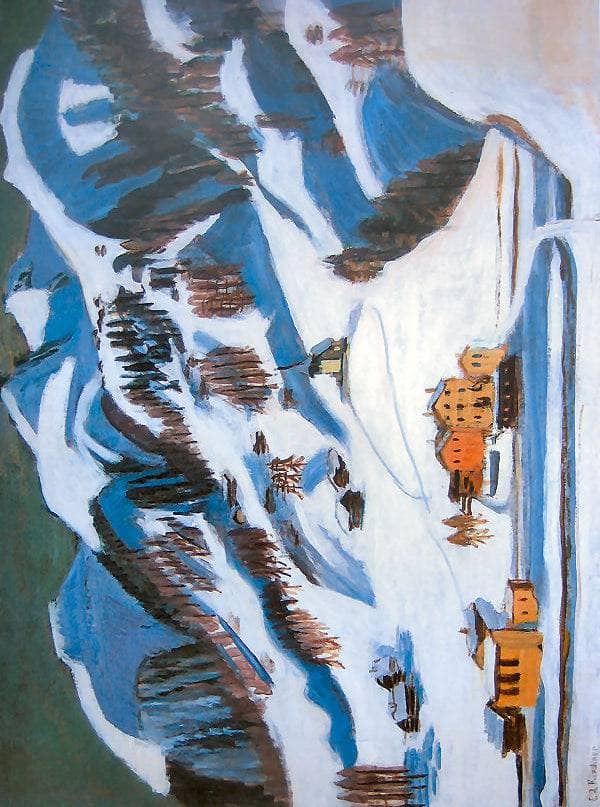
Kirchner's use of a vibrant color palette in "Mountains and Houses in the Snow" captivates the viewer. The striking contrasts between the deep blues of the mountains and the warm tones of the houses create a dynamic visual experience. This bold approach enhances the emotional depth of the painting, drawing attention to the interplay between nature and human habitation.
Composition: Balancing Nature and Architecture
The composition of the painting skillfully balances the natural landscape with human structures. The houses nestle against the imposing mountains, suggesting a harmonious coexistence. This arrangement reflects Kirchner's belief in the interconnectedness of humanity and the environment, emphasizing the importance of both elements in our lives.
Brushwork Techniques: Capturing Emotion through Texture
Kirchner's distinctive brushwork adds texture and movement to "Mountains and Houses in the Snow." His energetic strokes convey a sense of urgency and emotion, inviting viewers to feel the chill of the snow and the warmth of the homes. This technique enhances the painting's overall impact, making it a powerful expression of Kirchner's artistic vision.
Thematic Exploration: Nature, Isolation, and Human Connection
Symbolism of Snow: Purity, Silence, and Reflection
Snow in Kirchner's painting symbolizes purity and tranquility. It creates a serene atmosphere that encourages reflection. The quietness of the snow-covered landscape invites viewers to pause and consider their own experiences of solitude and peace.
Houses in the Landscape: A Metaphor for Human Existence
The houses depicted in the painting serve as a metaphor for human existence. They represent safety and shelter amidst the vastness of nature. This juxtaposition highlights the fragility of human life against the backdrop of the majestic mountains, prompting contemplation of our place in the world.
Mountains as a Representation of Challenges and Aspirations
The towering mountains symbolize both challenges and aspirations. They stand as obstacles to overcome, yet they also represent goals to strive for. Kirchner's portrayal of these natural giants encourages viewers to reflect on their own journeys and the mountains they face in life.
Historical Significance: Kirchner's Influence on Art and Culture
The Impact of World War I on Kirchner's Work
World War I profoundly affected Kirchner's art. The trauma and chaos of the war influenced his emotional expression and themes of isolation. "Mountains and Houses in the Snow" can be seen as a response to the turmoil of his time, reflecting a longing for peace and stability.
Legacy of the Die Brücke Group: Shaping Modern Expressionism
The Die Brücke group played a pivotal role in shaping modern Expressionism. Their focus on individual expression and emotional depth influenced countless artists. Kirchner's contributions helped establish a new artistic language that resonated with the struggles of the early 20th century.
Kirchner's Role in the Development of German Expressionism
Kirchner's innovative techniques and bold themes positioned him as a leader in German Expressionism. His work challenged societal norms and inspired future generations of artists. "Mountains and Houses in the Snow" stands as a testament to his lasting impact on the art world.
Personal Insights: Experiencing "Mountains and Houses in the Snow"
First-Hand Impressions: Emotional Responses to the Artwork
Viewing "Mountains and Houses in the Snow" evokes a range of emotions. The stark beauty of the snow and the warmth of the houses create a sense of comfort and solitude. Many viewers find themselves reflecting on their own experiences with nature and the feelings of isolation it can bring.
Visiting Museums: Where to See Kirchner's Masterpieces
To experience Kirchner's masterpieces, visit renowned museums such as the Museum of Modern Art in New York or the National Gallery in Berlin. These institutions house significant works by Kirchner, allowing art lovers to immerse themselves in his vibrant world.
Connecting with Nature: The Landscape that Inspired Kirchner
Kirchner found inspiration in the landscapes of Germany and Switzerland. The natural beauty of these regions influenced his artistic vision. "Mountains and Houses in the Snow" reflects his deep connection to the environment, inviting viewers to appreciate the beauty of the world around them.
FAQs about "Mountains and Houses in the Snow"
What inspired Ernst Ludwig Kirchner to create "Mountains and Houses in the Snow"?
Kirchner was inspired by the serene beauty of the snow-covered landscapes he encountered in his travels. The contrast between nature and human habitation sparked his creativity, leading to this iconic work.
How does "Mountains and Houses in the Snow" reflect Kirchner's style?
This painting showcases Kirchner's signature use of bold colors and expressive brushwork. His emotional approach to the subject matter is evident in the dynamic composition and vivid contrasts.
What are the main themes depicted in "Mountains and Houses in the Snow"?
The painting explores themes of nature, isolation, and the human experience. It reflects the balance between the beauty of the landscape and the challenges of human existence.
Where can I find more information about Kirchner's other works?
For more information about Kirchner's extensive body of work, visit art history websites, museum collections, or dedicated art books that focus on Expressionism and Kirchner's contributions.
What is the significance of the snow in Kirchner's painting?
The snow symbolizes purity and tranquility, creating a reflective atmosphere. It invites viewers to consider their own feelings of solitude and connection to nature.
How does the painting relate to Kirchner's life experiences?
Kirchner's experiences with war and personal struggles influenced his artistic expression. "Mountains and Houses in the Snow" reflects his longing for peace and stability amidst the chaos of his life.
FAQs about Painting Reproductions
What should I consider when purchasing a reproduction of "Mountains and Houses in the Snow"?
When purchasing a reproduction, consider the quality of materials used, the accuracy of colors, and the level of detail. A high-quality painting reproduction will capture the essence of Kirchner's original work.
How can I ensure the quality of a painting reproduction?
Look for reputable sellers who specialize in art reproductions. Check for customer reviews and ask about the techniques used to create the reproduction, ensuring it reflects the original's vibrancy and detail.
Are there different styles of reproductions available for Kirchner's works?
Yes, there are various styles of reproductions available, including hand-painted and giclée prints. Hand-painted reproductions offer a unique, textured quality that closely resembles the original artwork, making them a superior choice for collectors.
Original: $299.95
-70%$299.95
$89.98Product Information
Product Information
Shipping & Returns
Shipping & Returns
Description
Exploring the Vibrant World of Ernst Ludwig Kirchner's "Mountains and Houses in the Snow"
Artistic Context: The Expressionist Movement and Kirchner's Vision
Understanding Expressionism: A Break from Tradition
Expressionism emerged in the early 20th century as a revolutionary art movement. It sought to convey emotional experiences rather than physical reality. Artists like Kirchner used vivid colors and distorted forms to express their inner feelings, challenging traditional artistic norms.
Ernst Ludwig Kirchner: A Pioneer of Modern Art
Ernst Ludwig Kirchner was a founding member of the influential Die Brücke group. This collective aimed to redefine art by embracing modernity and individual expression. Kirchner's bold approach and innovative techniques positioned him as a key figure in the development of German Expressionism.
The Role of Nature in Kirchner's Artistic Journey
Nature played a crucial role in Kirchner's work, often serving as a backdrop for his emotional explorations. In "Mountains and Houses in the Snow," the serene yet stark winter landscape reflects his complex relationship with the natural world. The snow-covered mountains symbolize both beauty and isolation, inviting viewers to contemplate their own connections to nature.
Visual Elements: Analyzing "Mountains and Houses in the Snow"
Color Palette: The Impact of Bold Hues and Contrasts
Kirchner's use of a vibrant color palette in "Mountains and Houses in the Snow" captivates the viewer. The striking contrasts between the deep blues of the mountains and the warm tones of the houses create a dynamic visual experience. This bold approach enhances the emotional depth of the painting, drawing attention to the interplay between nature and human habitation.
Composition: Balancing Nature and Architecture
The composition of the painting skillfully balances the natural landscape with human structures. The houses nestle against the imposing mountains, suggesting a harmonious coexistence. This arrangement reflects Kirchner's belief in the interconnectedness of humanity and the environment, emphasizing the importance of both elements in our lives.
Brushwork Techniques: Capturing Emotion through Texture
Kirchner's distinctive brushwork adds texture and movement to "Mountains and Houses in the Snow." His energetic strokes convey a sense of urgency and emotion, inviting viewers to feel the chill of the snow and the warmth of the homes. This technique enhances the painting's overall impact, making it a powerful expression of Kirchner's artistic vision.
Thematic Exploration: Nature, Isolation, and Human Connection
Symbolism of Snow: Purity, Silence, and Reflection
Snow in Kirchner's painting symbolizes purity and tranquility. It creates a serene atmosphere that encourages reflection. The quietness of the snow-covered landscape invites viewers to pause and consider their own experiences of solitude and peace.
Houses in the Landscape: A Metaphor for Human Existence
The houses depicted in the painting serve as a metaphor for human existence. They represent safety and shelter amidst the vastness of nature. This juxtaposition highlights the fragility of human life against the backdrop of the majestic mountains, prompting contemplation of our place in the world.
Mountains as a Representation of Challenges and Aspirations
The towering mountains symbolize both challenges and aspirations. They stand as obstacles to overcome, yet they also represent goals to strive for. Kirchner's portrayal of these natural giants encourages viewers to reflect on their own journeys and the mountains they face in life.
Historical Significance: Kirchner's Influence on Art and Culture
The Impact of World War I on Kirchner's Work
World War I profoundly affected Kirchner's art. The trauma and chaos of the war influenced his emotional expression and themes of isolation. "Mountains and Houses in the Snow" can be seen as a response to the turmoil of his time, reflecting a longing for peace and stability.
Legacy of the Die Brücke Group: Shaping Modern Expressionism
The Die Brücke group played a pivotal role in shaping modern Expressionism. Their focus on individual expression and emotional depth influenced countless artists. Kirchner's contributions helped establish a new artistic language that resonated with the struggles of the early 20th century.
Kirchner's Role in the Development of German Expressionism
Kirchner's innovative techniques and bold themes positioned him as a leader in German Expressionism. His work challenged societal norms and inspired future generations of artists. "Mountains and Houses in the Snow" stands as a testament to his lasting impact on the art world.
Personal Insights: Experiencing "Mountains and Houses in the Snow"
First-Hand Impressions: Emotional Responses to the Artwork
Viewing "Mountains and Houses in the Snow" evokes a range of emotions. The stark beauty of the snow and the warmth of the houses create a sense of comfort and solitude. Many viewers find themselves reflecting on their own experiences with nature and the feelings of isolation it can bring.
Visiting Museums: Where to See Kirchner's Masterpieces
To experience Kirchner's masterpieces, visit renowned museums such as the Museum of Modern Art in New York or the National Gallery in Berlin. These institutions house significant works by Kirchner, allowing art lovers to immerse themselves in his vibrant world.
Connecting with Nature: The Landscape that Inspired Kirchner
Kirchner found inspiration in the landscapes of Germany and Switzerland. The natural beauty of these regions influenced his artistic vision. "Mountains and Houses in the Snow" reflects his deep connection to the environment, inviting viewers to appreciate the beauty of the world around them.
FAQs about "Mountains and Houses in the Snow"
What inspired Ernst Ludwig Kirchner to create "Mountains and Houses in the Snow"?
Kirchner was inspired by the serene beauty of the snow-covered landscapes he encountered in his travels. The contrast between nature and human habitation sparked his creativity, leading to this iconic work.
How does "Mountains and Houses in the Snow" reflect Kirchner's style?
This painting showcases Kirchner's signature use of bold colors and expressive brushwork. His emotional approach to the subject matter is evident in the dynamic composition and vivid contrasts.
What are the main themes depicted in "Mountains and Houses in the Snow"?
The painting explores themes of nature, isolation, and the human experience. It reflects the balance between the beauty of the landscape and the challenges of human existence.
Where can I find more information about Kirchner's other works?
For more information about Kirchner's extensive body of work, visit art history websites, museum collections, or dedicated art books that focus on Expressionism and Kirchner's contributions.
What is the significance of the snow in Kirchner's painting?
The snow symbolizes purity and tranquility, creating a reflective atmosphere. It invites viewers to consider their own feelings of solitude and connection to nature.
How does the painting relate to Kirchner's life experiences?
Kirchner's experiences with war and personal struggles influenced his artistic expression. "Mountains and Houses in the Snow" reflects his longing for peace and stability amidst the chaos of his life.
FAQs about Painting Reproductions
What should I consider when purchasing a reproduction of "Mountains and Houses in the Snow"?
When purchasing a reproduction, consider the quality of materials used, the accuracy of colors, and the level of detail. A high-quality painting reproduction will capture the essence of Kirchner's original work.
How can I ensure the quality of a painting reproduction?
Look for reputable sellers who specialize in art reproductions. Check for customer reviews and ask about the techniques used to create the reproduction, ensuring it reflects the original's vibrancy and detail.
Are there different styles of reproductions available for Kirchner's works?
Yes, there are various styles of reproductions available, including hand-painted and giclée prints. Hand-painted reproductions offer a unique, textured quality that closely resembles the original artwork, making them a superior choice for collectors.