Japanese
Exploring the Vibrant World of Japanese by Ernst Ludwig Kirchner
Understanding Kirchner's Artistic Vision in Japanese
The Influence of Expressionism on Kirchner's Work
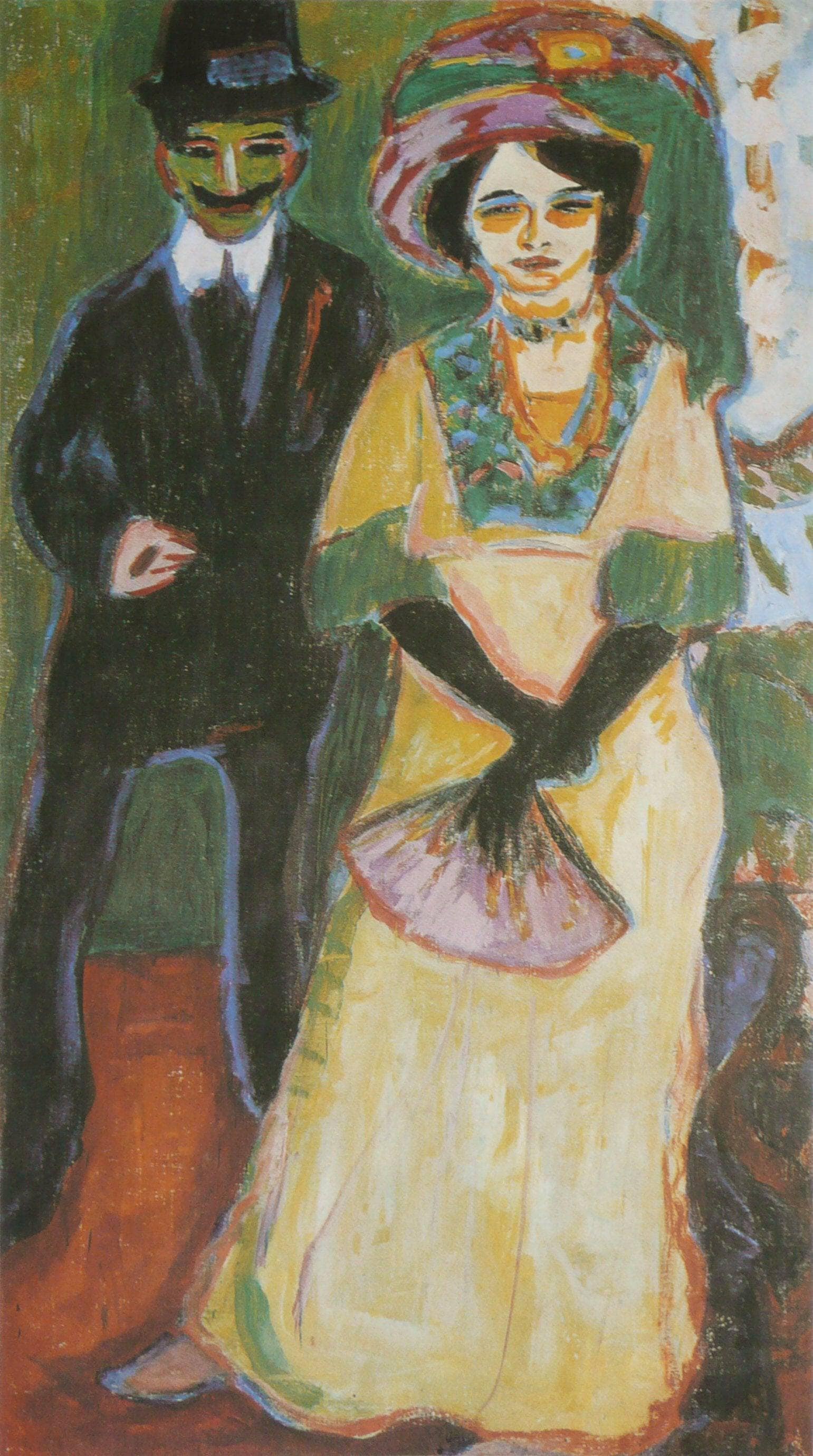
Ernst Ludwig Kirchner, a pivotal figure in the Expressionist movement, infused his painting "Japanese" with bold emotions and vivid imagery. His unique style captures the essence of Japanese aesthetics while reflecting his own emotional landscape. Kirchner's work often emphasizes the psychological depth of his subjects, making "Japanese" a striking example of how he melded cultural influences with personal expression.
Symbolism and Color Palette: A Deep Dive
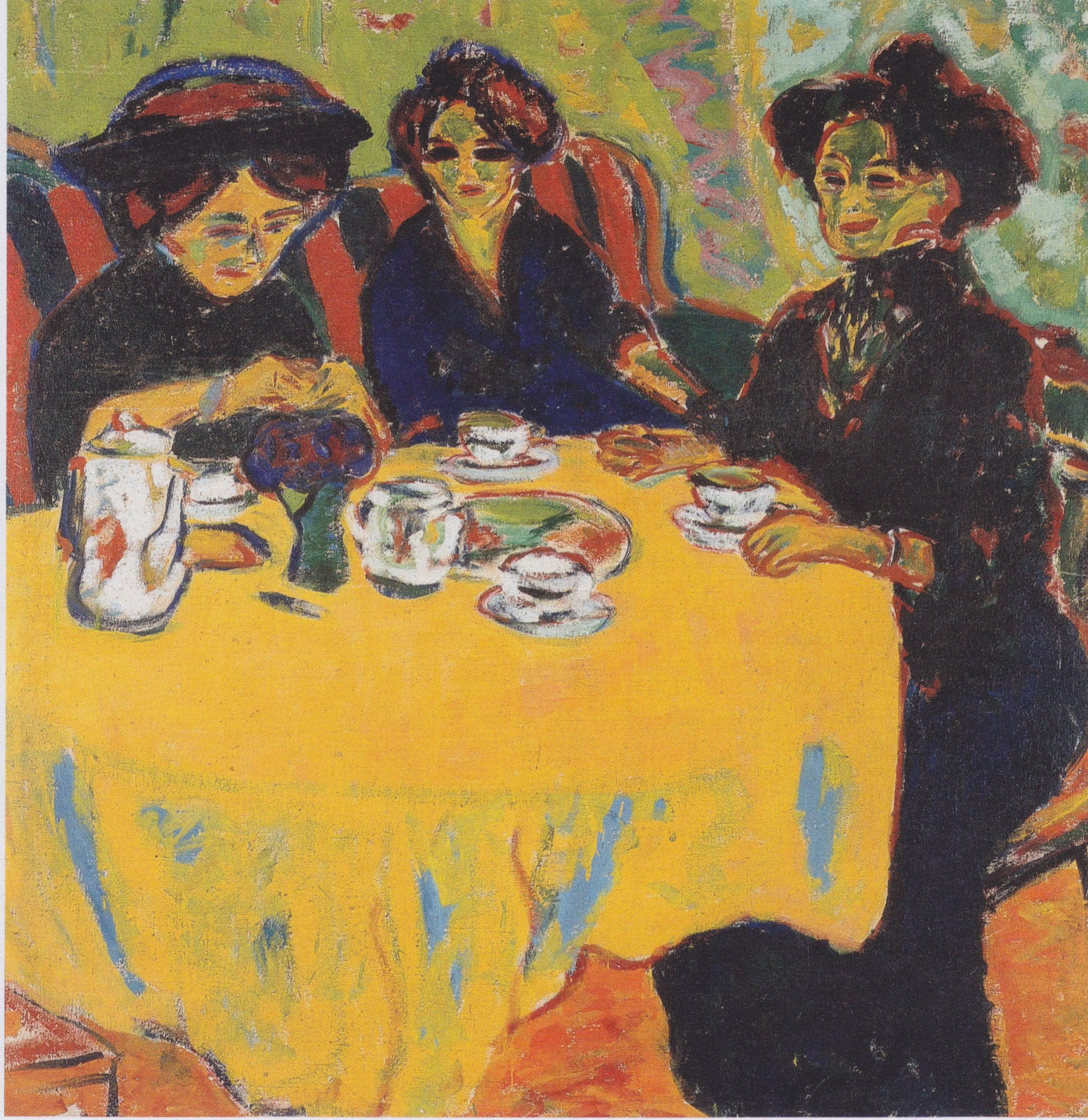
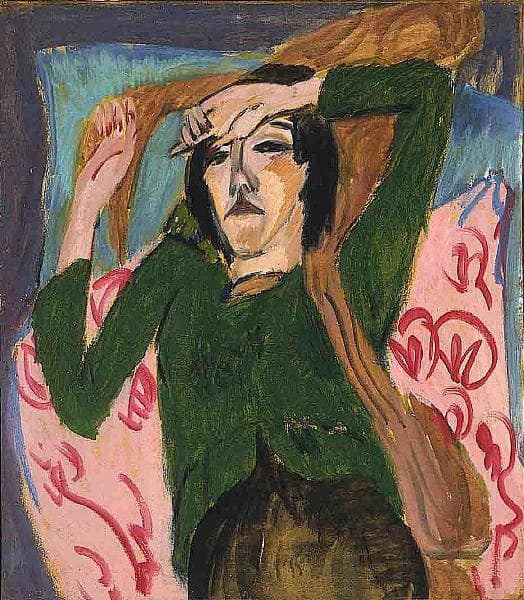
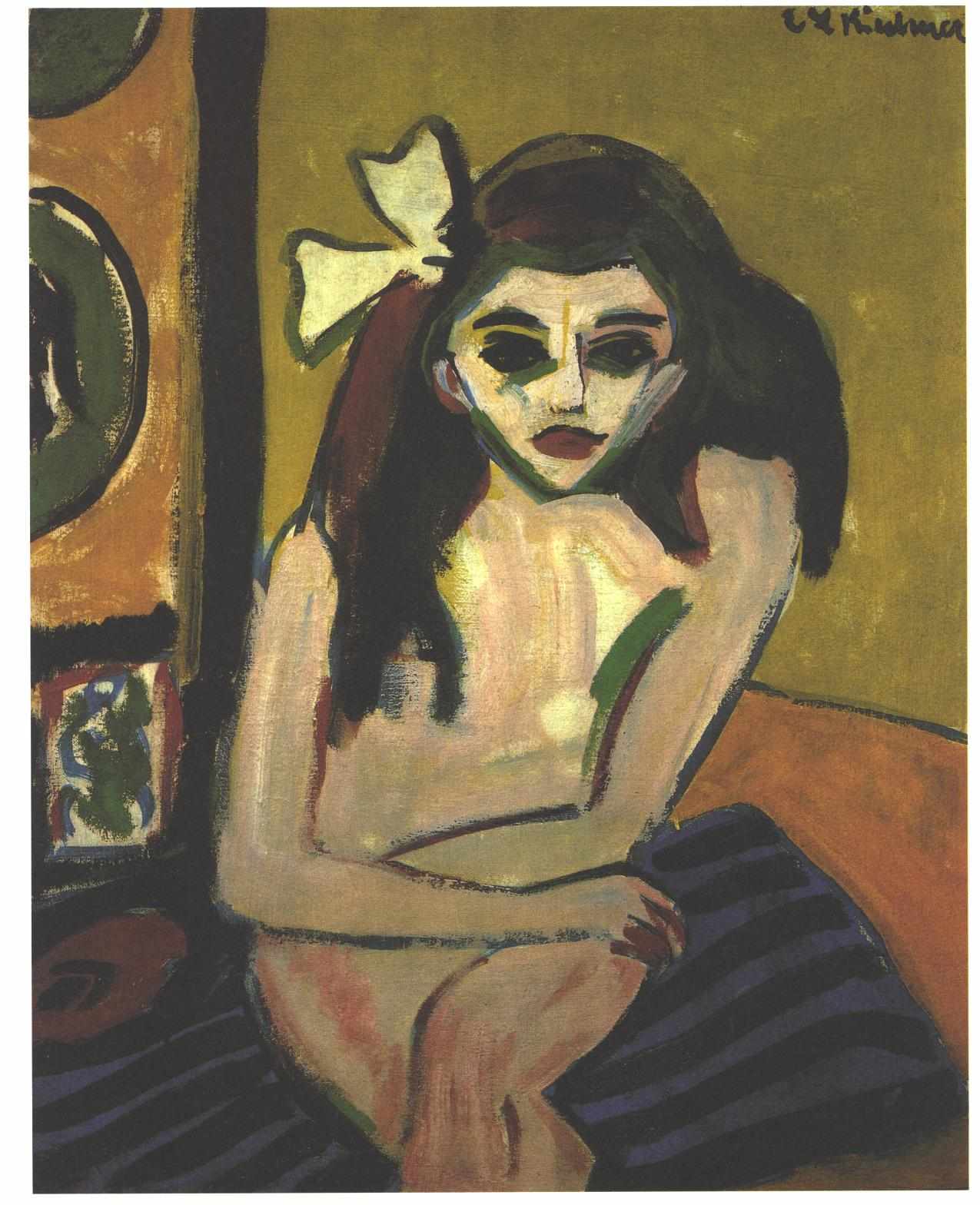
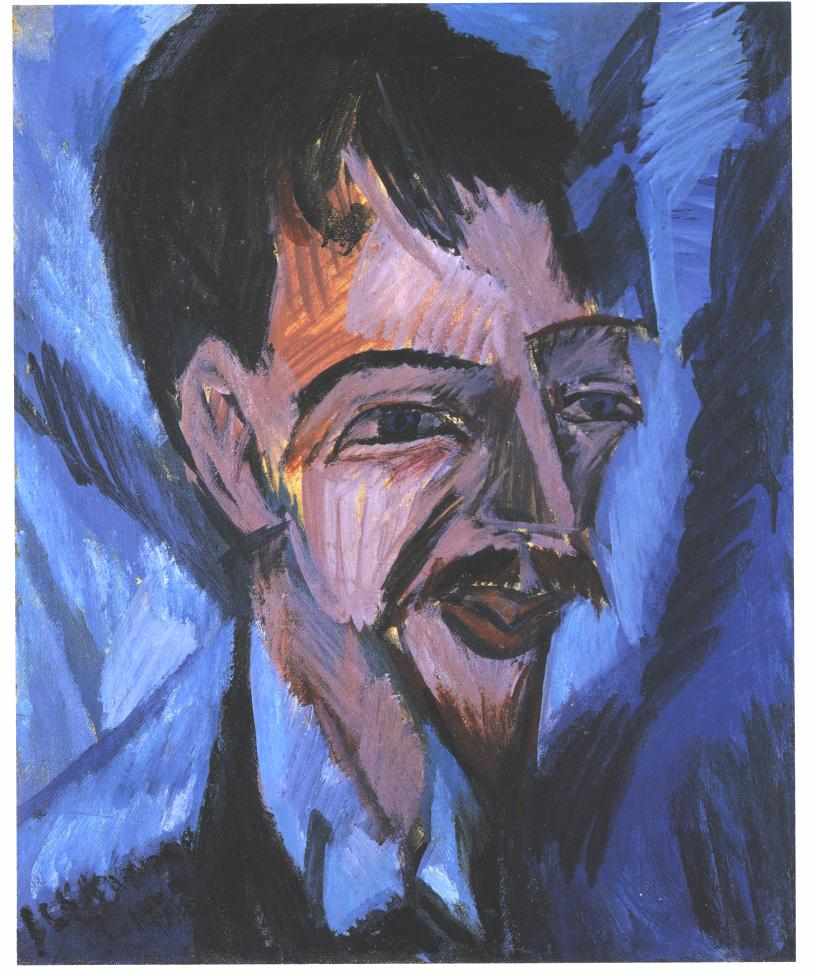
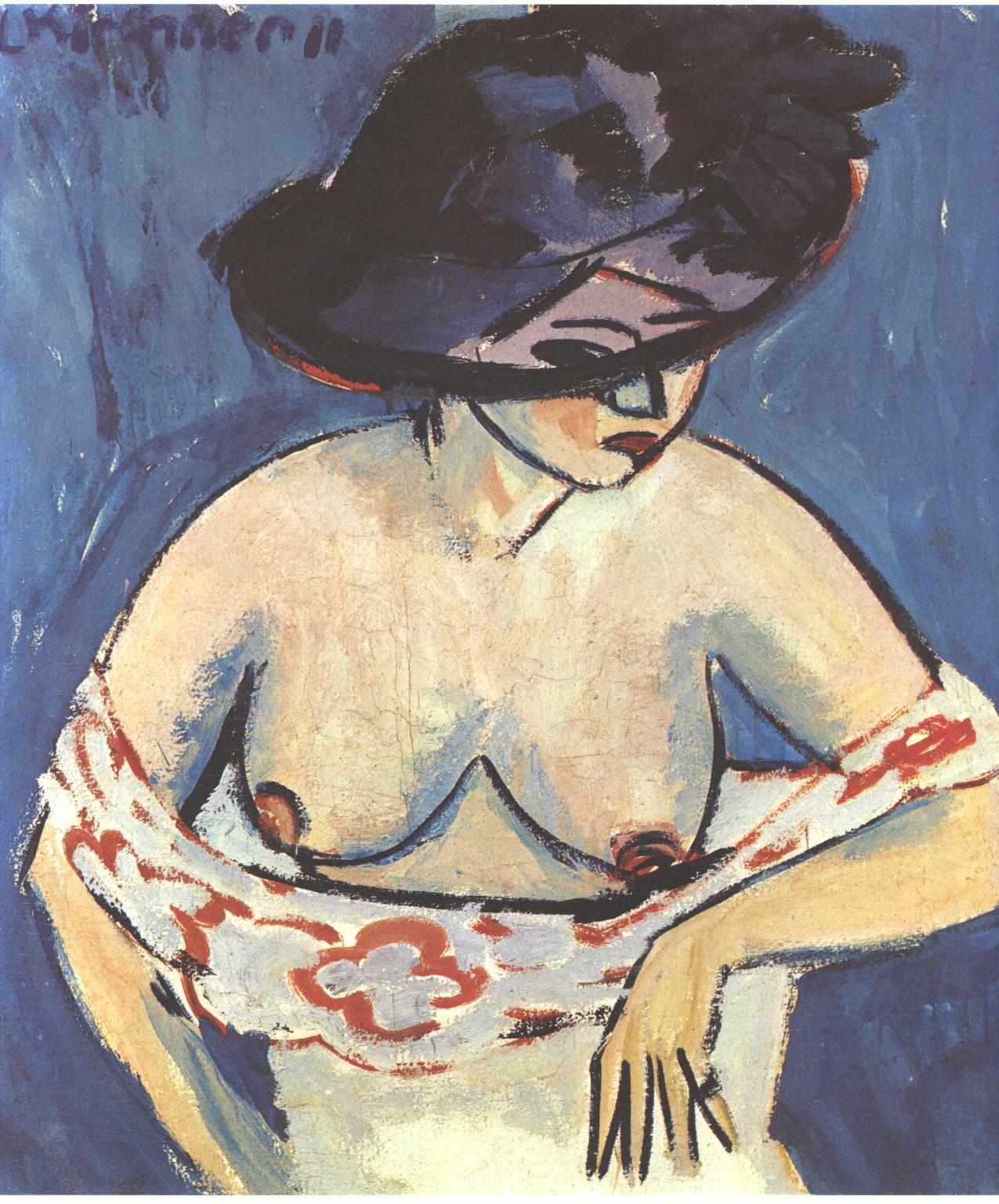
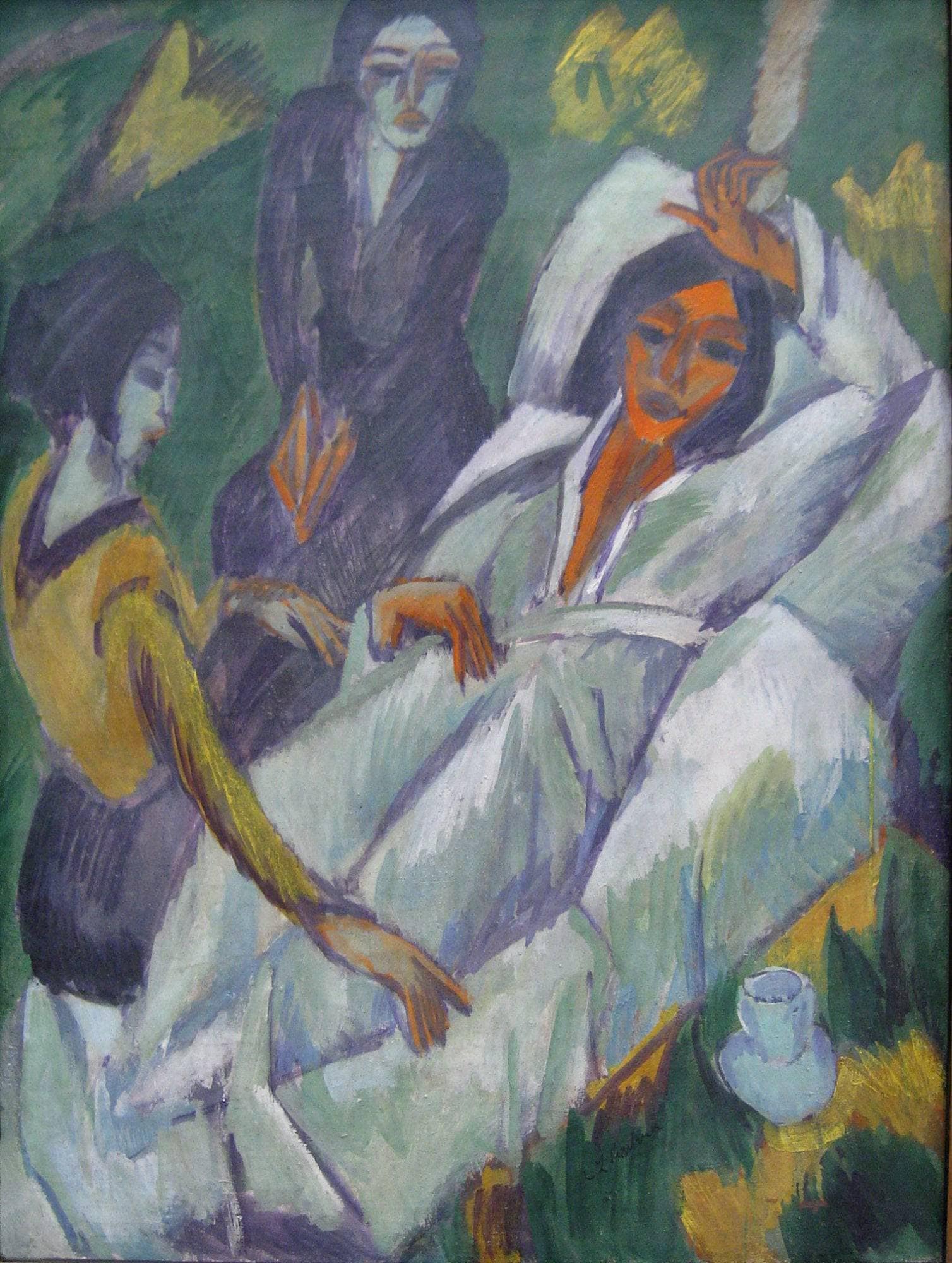
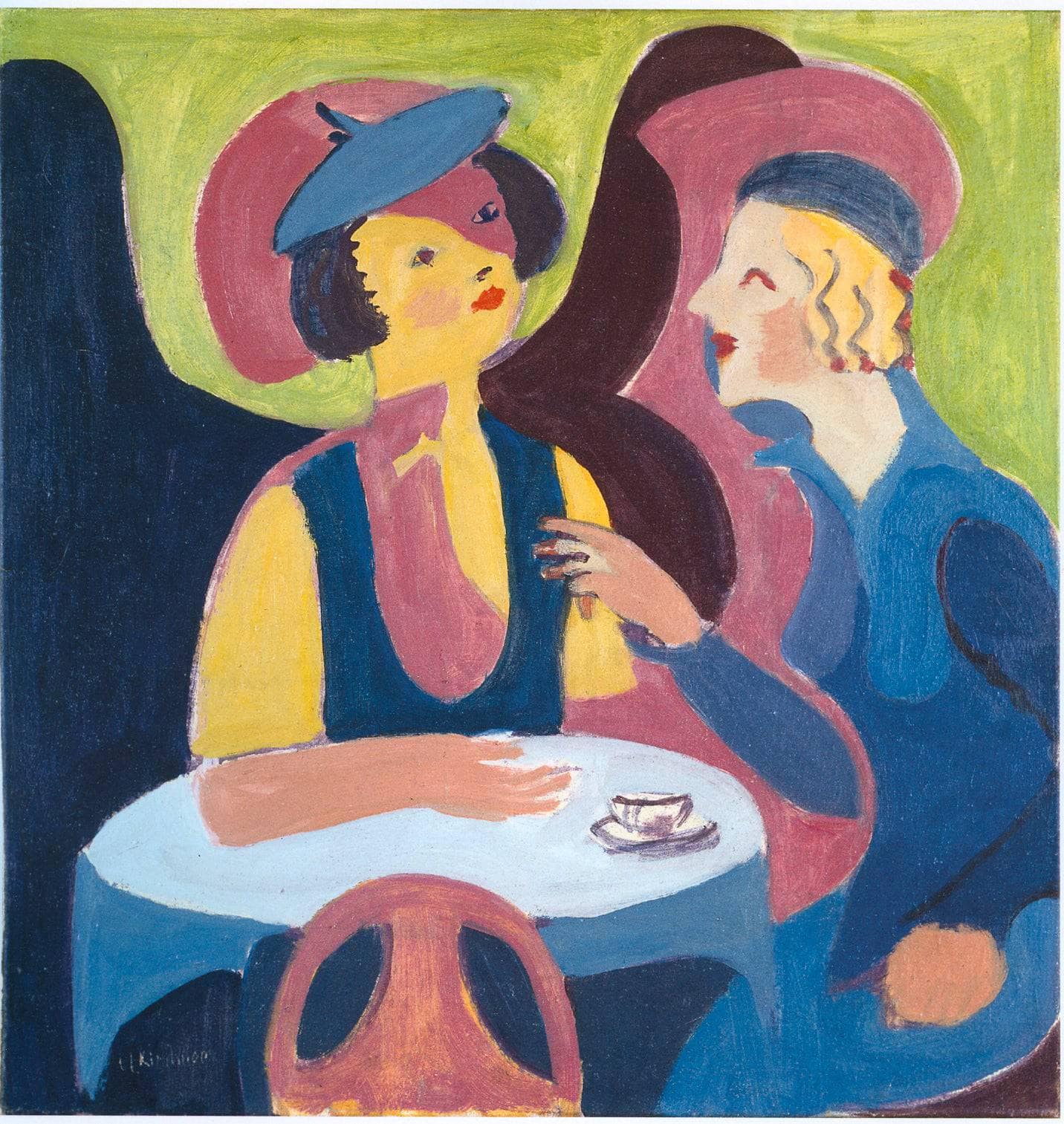
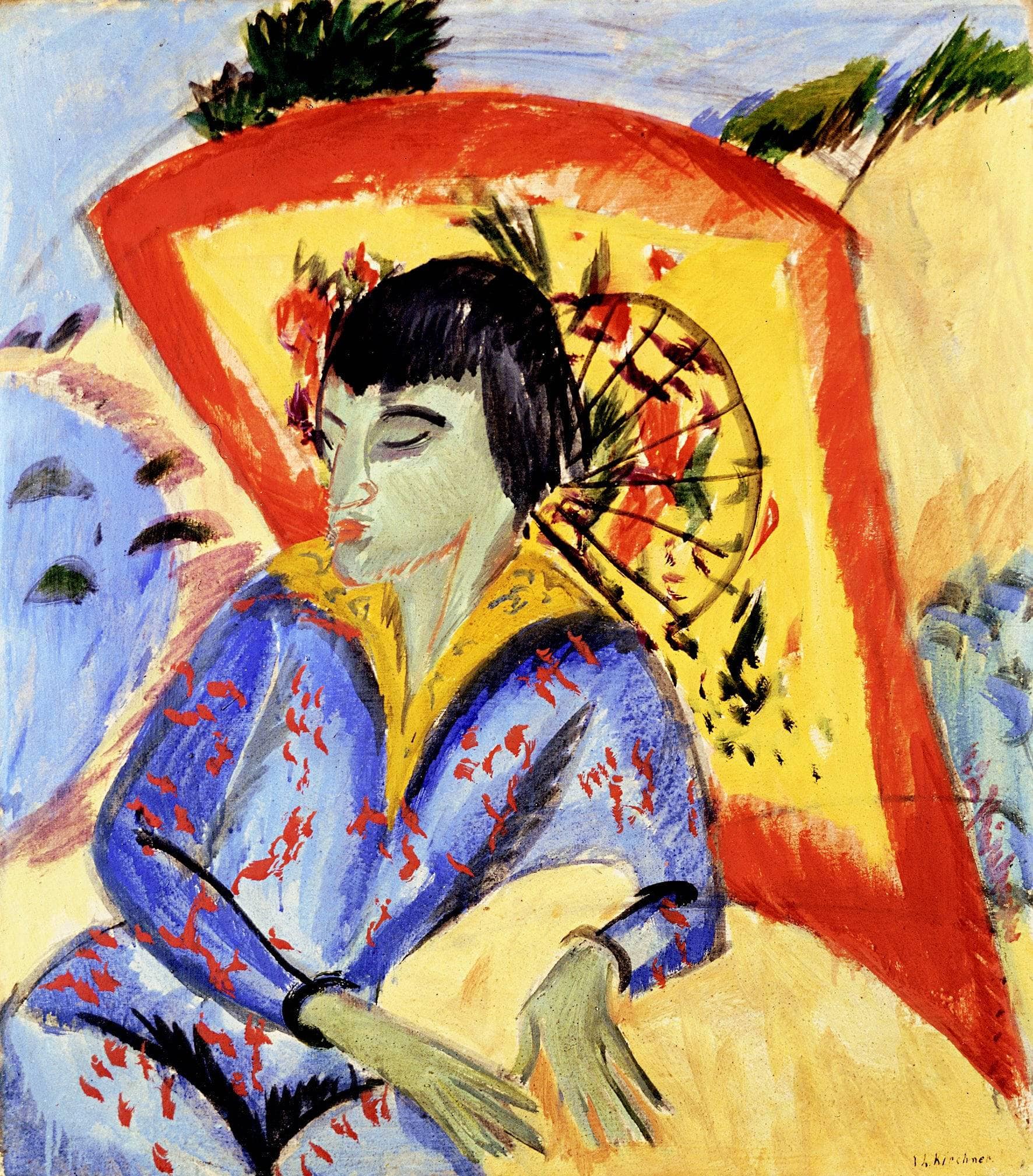
The color palette in "Japanese" is a vibrant tapestry of reds, blues, and yellows, each hue symbolizing different emotions and cultural meanings. Kirchner's use of color not only enhances the visual appeal but also evokes feelings of joy and nostalgia. The interplay of colors creates a dynamic atmosphere, inviting viewers to explore the deeper symbolism behind each shade.
Historical Context: Japan's Impact on Western Art
The Meiji Era and Its Cultural Exchange
The Meiji Era (1868-1912) marked a significant period of cultural exchange between Japan and the West. During this time, Japanese art, particularly ukiyo-e woodblock prints, captivated European artists. Kirchner, like many of his contemporaries, was influenced by this cultural dialogue, which inspired him to incorporate Japanese themes and aesthetics into his own work.
How Japanese Art Inspired European Artists
Japanese art introduced Western artists to new perspectives on composition, color, and form. The flatness and decorative qualities of Japanese prints challenged traditional Western techniques. Kirchner embraced these elements, allowing him to create a unique fusion of Eastern and Western artistic traditions in "Japanese." This blending of styles showcases the profound impact of Japanese culture on European modernism.
Analyzing the Composition of Japanese
Dynamic Lines and Forms: A Study of Movement
In "Japanese," Kirchner employs dynamic lines and fluid forms to convey a sense of movement and energy. The figures appear to dance across the canvas, embodying the vibrancy of Japanese culture. This sense of motion reflects Kirchner's fascination with the liveliness of everyday life in Japan, capturing the spirit of the moment.
Color Theory: The Emotional Resonance of Hues
Kirchner's mastery of color theory is evident in "Japanese." The bold contrasts and harmonious combinations evoke a range of emotions, from tranquility to excitement. Each color choice serves a purpose, enhancing the narrative and emotional depth of the painting. This thoughtful application of color invites viewers to connect with the artwork on a personal level.
Figures and Themes: The Essence of Japanese Culture
Depiction of Geishas: Beauty and Tradition
The portrayal of geishas in "Japanese" highlights the beauty and complexity of Japanese tradition. Kirchner captures their elegance and grace, showcasing their role as cultural icons. This representation goes beyond mere aesthetics; it reflects the rich history and societal significance of geishas in Japanese culture.
Everyday Life in Japan: A Glimpse into the Past
Kirchner's "Japanese" offers a window into the everyday life of Japan during the early 20th century. The painting encapsulates the vibrancy of street scenes, festivals, and social interactions. Through his art, Kirchner invites viewers to experience the charm and richness of Japanese life, making it a timeless piece that resonates with audiences today.
Kirchner's Technique: Brushwork and Texture
Layering and Impasto: Creating Depth in Japanese
Kirchner's technique in "Japanese" features layering and impasto, adding depth and texture to the painting. The thick application of paint creates a tactile quality, inviting viewers to engage with the artwork physically. This technique enhances the visual experience, making the colors and forms come alive on the canvas.
Contrast and Light: Enhancing Visual Impact
The use of contrast and light in "Japanese" amplifies its visual impact. Kirchner skillfully balances light and shadow, drawing attention to key elements within the composition. This interplay not only enhances the three-dimensionality of the figures but also adds drama and intensity to the overall scene.
The Legacy of Japanese: Influence on Modern Art
How Kirchner's Japanese Continues to Inspire Artists Today
"Japanese" remains a significant source of inspiration for contemporary artists. Kirchner's innovative approach to color, form, and cultural representation has influenced countless creators. His ability to blend Eastern and Western elements continues to resonate, encouraging modern artists to explore cross-cultural themes in their work.
Japanese in the Context of Kirchner's Body of Work
Within Kirchner's extensive body of work, "Japanese" stands out as a testament to his artistic evolution. It reflects his journey as an artist and his exploration of identity, culture, and emotion. This painting not only showcases his technical prowess but also his deep appreciation for the beauty of Japanese culture.
Frequently Asked Questions About Japanese by Ernst Ludwig Kirchner
What is the significance of the title "Japanese" in Kirchner's painting?
The title "Japanese" signifies Kirchner's exploration of Japanese culture and aesthetics, highlighting the influence of Japan on his artistic vision.
How does Kirchner's style reflect the cultural elements of Japan?
Kirchner's style incorporates elements of Japanese art, such as bold colors, flat perspectives, and dynamic compositions, reflecting the cultural richness of Japan.
What emotions does the color palette evoke in the viewer?
The vibrant color palette evokes feelings of joy, nostalgia, and excitement, inviting viewers to connect emotionally with the artwork.
In what ways did Kirchner's experiences in Japan shape this artwork?
Kirchner's experiences in Japan inspired him to embrace its cultural elements, leading to a unique fusion of Eastern and Western artistic traditions in "Japanese."
What are the key themes represented in the painting?
Key themes in "Japanese" include beauty, tradition, and the vibrancy of everyday life, showcasing the essence of Japanese culture.
How does this painting compare to other works by Kirchner?
"Japanese" is distinct in its cultural focus and vibrant color palette, setting it apart from Kirchner's other works that often explore more abstract themes.
What should I know about the reproduction of this painting?
Reproductions of "Japanese" are superior to prints, capturing the intricate details and vibrant colors of the original oil painting. They offer a more authentic experience, allowing art lovers to appreciate Kirchner's technique and vision.
Are there different styles of reproductions available for Japanese?
Yes, various styles of reproductions are available for "Japanese," including canvas and framed options, each designed to reflect the original's beauty and depth.
Original: $249.95
-70%$249.95
$74.98Product Information
Product Information
Shipping & Returns
Shipping & Returns
Description
Exploring the Vibrant World of Japanese by Ernst Ludwig Kirchner
Understanding Kirchner's Artistic Vision in Japanese
The Influence of Expressionism on Kirchner's Work
Ernst Ludwig Kirchner, a pivotal figure in the Expressionist movement, infused his painting "Japanese" with bold emotions and vivid imagery. His unique style captures the essence of Japanese aesthetics while reflecting his own emotional landscape. Kirchner's work often emphasizes the psychological depth of his subjects, making "Japanese" a striking example of how he melded cultural influences with personal expression.
Symbolism and Color Palette: A Deep Dive
The color palette in "Japanese" is a vibrant tapestry of reds, blues, and yellows, each hue symbolizing different emotions and cultural meanings. Kirchner's use of color not only enhances the visual appeal but also evokes feelings of joy and nostalgia. The interplay of colors creates a dynamic atmosphere, inviting viewers to explore the deeper symbolism behind each shade.
Historical Context: Japan's Impact on Western Art
The Meiji Era and Its Cultural Exchange
The Meiji Era (1868-1912) marked a significant period of cultural exchange between Japan and the West. During this time, Japanese art, particularly ukiyo-e woodblock prints, captivated European artists. Kirchner, like many of his contemporaries, was influenced by this cultural dialogue, which inspired him to incorporate Japanese themes and aesthetics into his own work.
How Japanese Art Inspired European Artists
Japanese art introduced Western artists to new perspectives on composition, color, and form. The flatness and decorative qualities of Japanese prints challenged traditional Western techniques. Kirchner embraced these elements, allowing him to create a unique fusion of Eastern and Western artistic traditions in "Japanese." This blending of styles showcases the profound impact of Japanese culture on European modernism.
Analyzing the Composition of Japanese
Dynamic Lines and Forms: A Study of Movement
In "Japanese," Kirchner employs dynamic lines and fluid forms to convey a sense of movement and energy. The figures appear to dance across the canvas, embodying the vibrancy of Japanese culture. This sense of motion reflects Kirchner's fascination with the liveliness of everyday life in Japan, capturing the spirit of the moment.
Color Theory: The Emotional Resonance of Hues
Kirchner's mastery of color theory is evident in "Japanese." The bold contrasts and harmonious combinations evoke a range of emotions, from tranquility to excitement. Each color choice serves a purpose, enhancing the narrative and emotional depth of the painting. This thoughtful application of color invites viewers to connect with the artwork on a personal level.
Figures and Themes: The Essence of Japanese Culture
Depiction of Geishas: Beauty and Tradition
The portrayal of geishas in "Japanese" highlights the beauty and complexity of Japanese tradition. Kirchner captures their elegance and grace, showcasing their role as cultural icons. This representation goes beyond mere aesthetics; it reflects the rich history and societal significance of geishas in Japanese culture.
Everyday Life in Japan: A Glimpse into the Past
Kirchner's "Japanese" offers a window into the everyday life of Japan during the early 20th century. The painting encapsulates the vibrancy of street scenes, festivals, and social interactions. Through his art, Kirchner invites viewers to experience the charm and richness of Japanese life, making it a timeless piece that resonates with audiences today.
Kirchner's Technique: Brushwork and Texture
Layering and Impasto: Creating Depth in Japanese
Kirchner's technique in "Japanese" features layering and impasto, adding depth and texture to the painting. The thick application of paint creates a tactile quality, inviting viewers to engage with the artwork physically. This technique enhances the visual experience, making the colors and forms come alive on the canvas.
Contrast and Light: Enhancing Visual Impact
The use of contrast and light in "Japanese" amplifies its visual impact. Kirchner skillfully balances light and shadow, drawing attention to key elements within the composition. This interplay not only enhances the three-dimensionality of the figures but also adds drama and intensity to the overall scene.
The Legacy of Japanese: Influence on Modern Art
How Kirchner's Japanese Continues to Inspire Artists Today
"Japanese" remains a significant source of inspiration for contemporary artists. Kirchner's innovative approach to color, form, and cultural representation has influenced countless creators. His ability to blend Eastern and Western elements continues to resonate, encouraging modern artists to explore cross-cultural themes in their work.
Japanese in the Context of Kirchner's Body of Work
Within Kirchner's extensive body of work, "Japanese" stands out as a testament to his artistic evolution. It reflects his journey as an artist and his exploration of identity, culture, and emotion. This painting not only showcases his technical prowess but also his deep appreciation for the beauty of Japanese culture.
Frequently Asked Questions About Japanese by Ernst Ludwig Kirchner
What is the significance of the title "Japanese" in Kirchner's painting?
The title "Japanese" signifies Kirchner's exploration of Japanese culture and aesthetics, highlighting the influence of Japan on his artistic vision.
How does Kirchner's style reflect the cultural elements of Japan?
Kirchner's style incorporates elements of Japanese art, such as bold colors, flat perspectives, and dynamic compositions, reflecting the cultural richness of Japan.
What emotions does the color palette evoke in the viewer?
The vibrant color palette evokes feelings of joy, nostalgia, and excitement, inviting viewers to connect emotionally with the artwork.
In what ways did Kirchner's experiences in Japan shape this artwork?
Kirchner's experiences in Japan inspired him to embrace its cultural elements, leading to a unique fusion of Eastern and Western artistic traditions in "Japanese."
What are the key themes represented in the painting?
Key themes in "Japanese" include beauty, tradition, and the vibrancy of everyday life, showcasing the essence of Japanese culture.
How does this painting compare to other works by Kirchner?
"Japanese" is distinct in its cultural focus and vibrant color palette, setting it apart from Kirchner's other works that often explore more abstract themes.
What should I know about the reproduction of this painting?
Reproductions of "Japanese" are superior to prints, capturing the intricate details and vibrant colors of the original oil painting. They offer a more authentic experience, allowing art lovers to appreciate Kirchner's technique and vision.
Are there different styles of reproductions available for Japanese?
Yes, various styles of reproductions are available for "Japanese," including canvas and framed options, each designed to reflect the original's beauty and depth.