Portrait of a Woman
Exploring the Vibrant World of Ernst Ludwig Kirchner's Portrait of a Woman
Artistic Vision: Understanding Kirchner's Expressionist Style
The Influence of German Expressionism on Kirchner's Work
Ernst Ludwig Kirchner was a pivotal figure in the German Expressionist movement, which emerged in the early 20th century. His work often reflects the emotional intensity and raw energy characteristic of this style. Kirchner's art challenges traditional aesthetics, focusing instead on the psychological depth of his subjects. This approach allows viewers to connect with the emotional landscape of the painting, making it a powerful representation of the era.
Color Palette and Brushwork: A Dive into Kirchner's Techniques
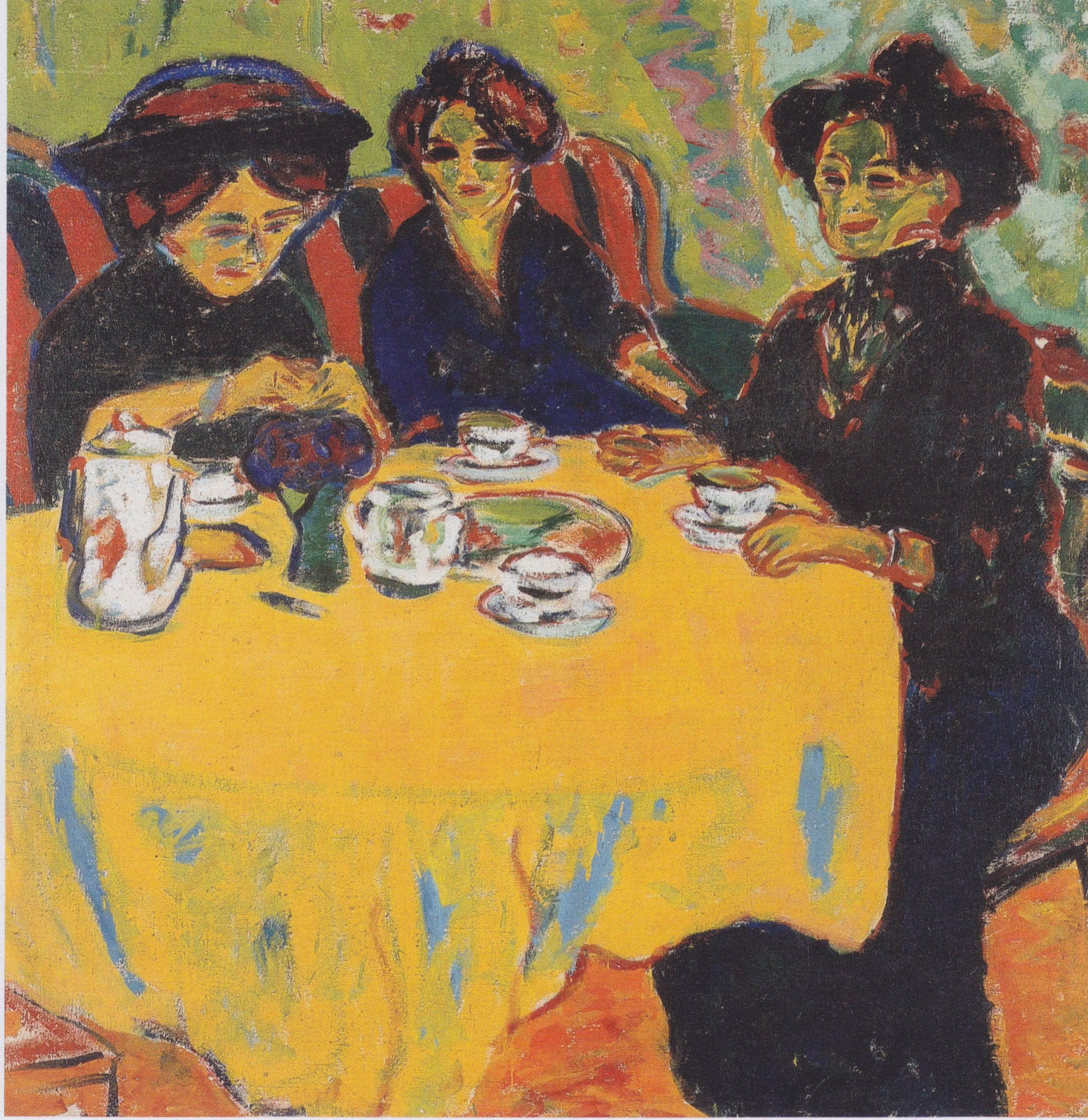
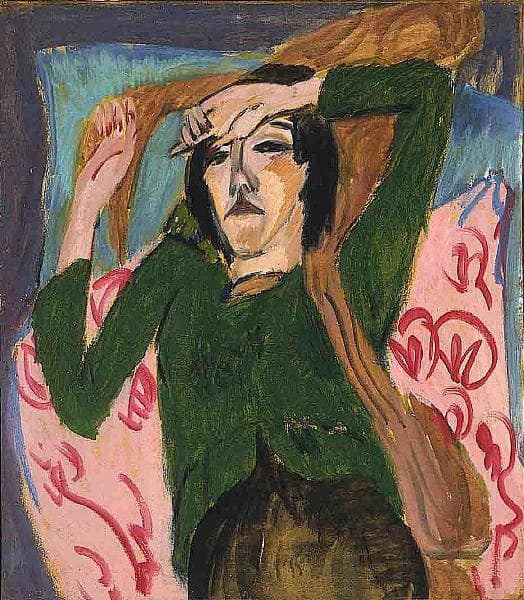
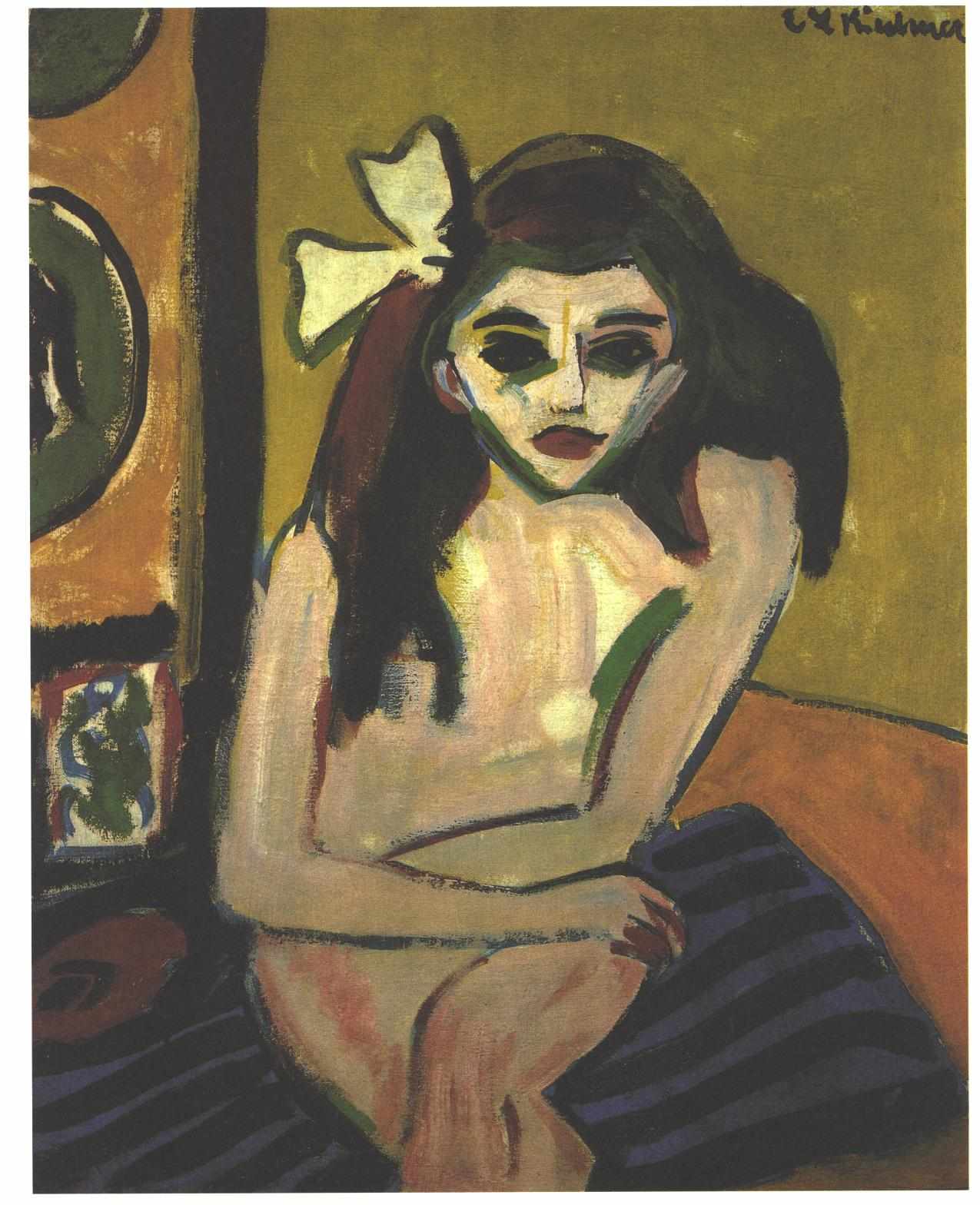
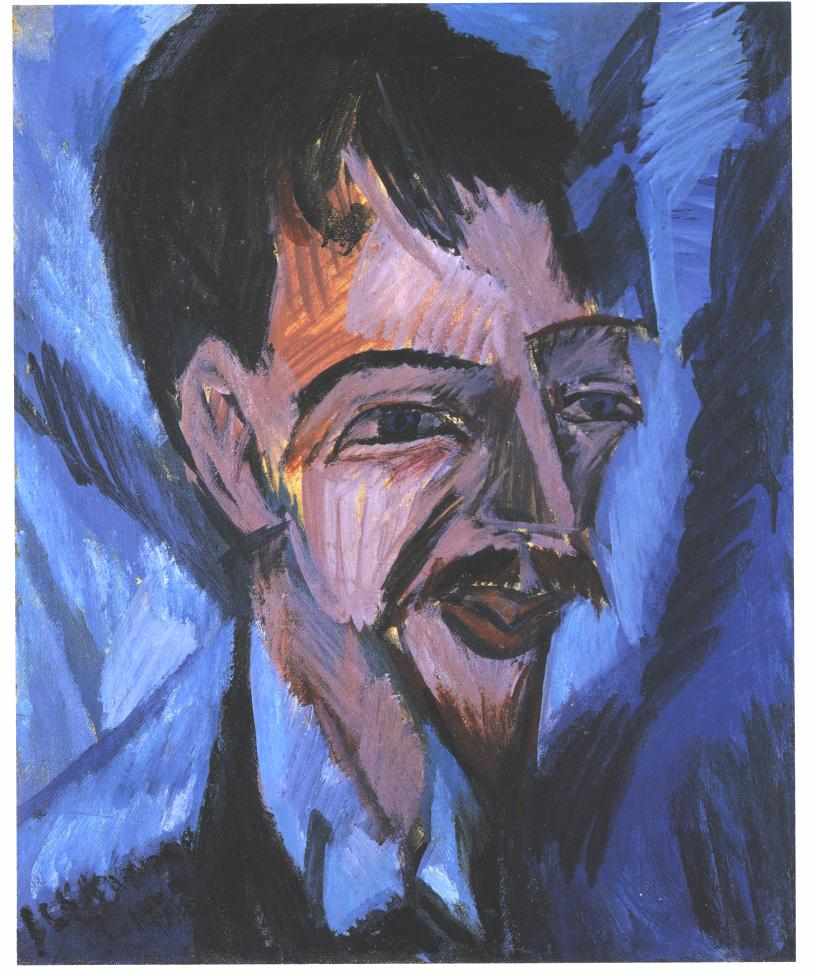
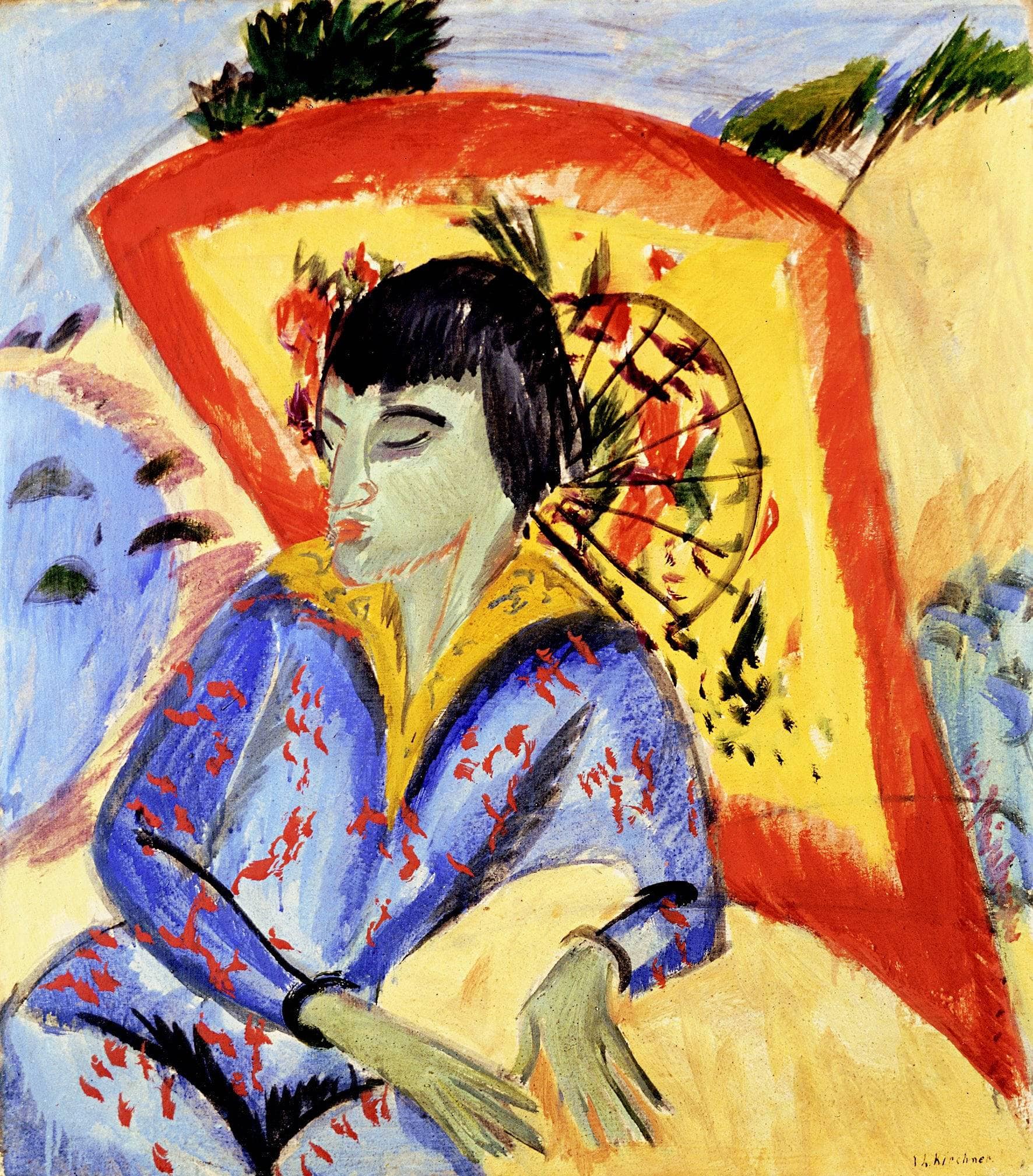
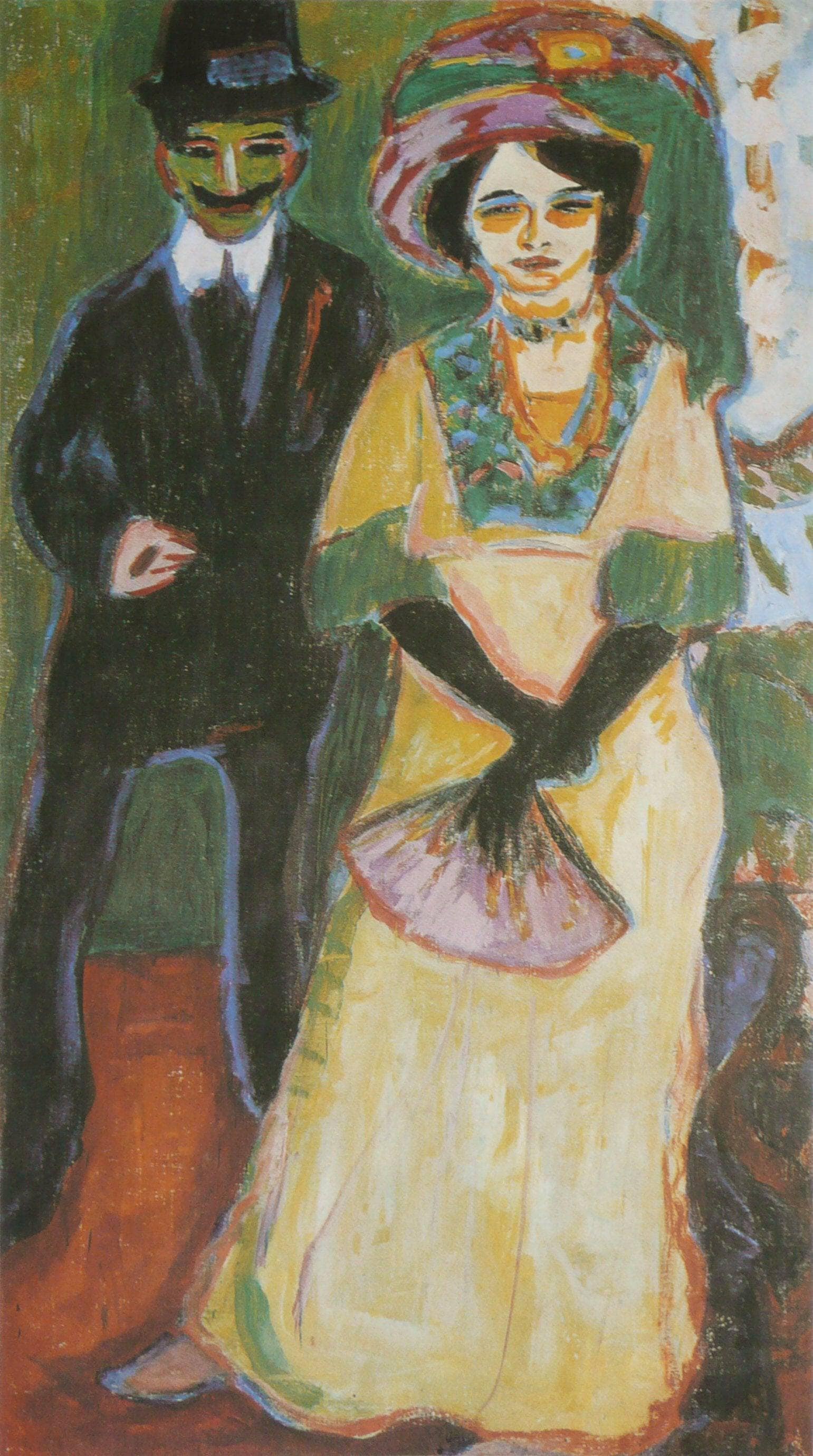
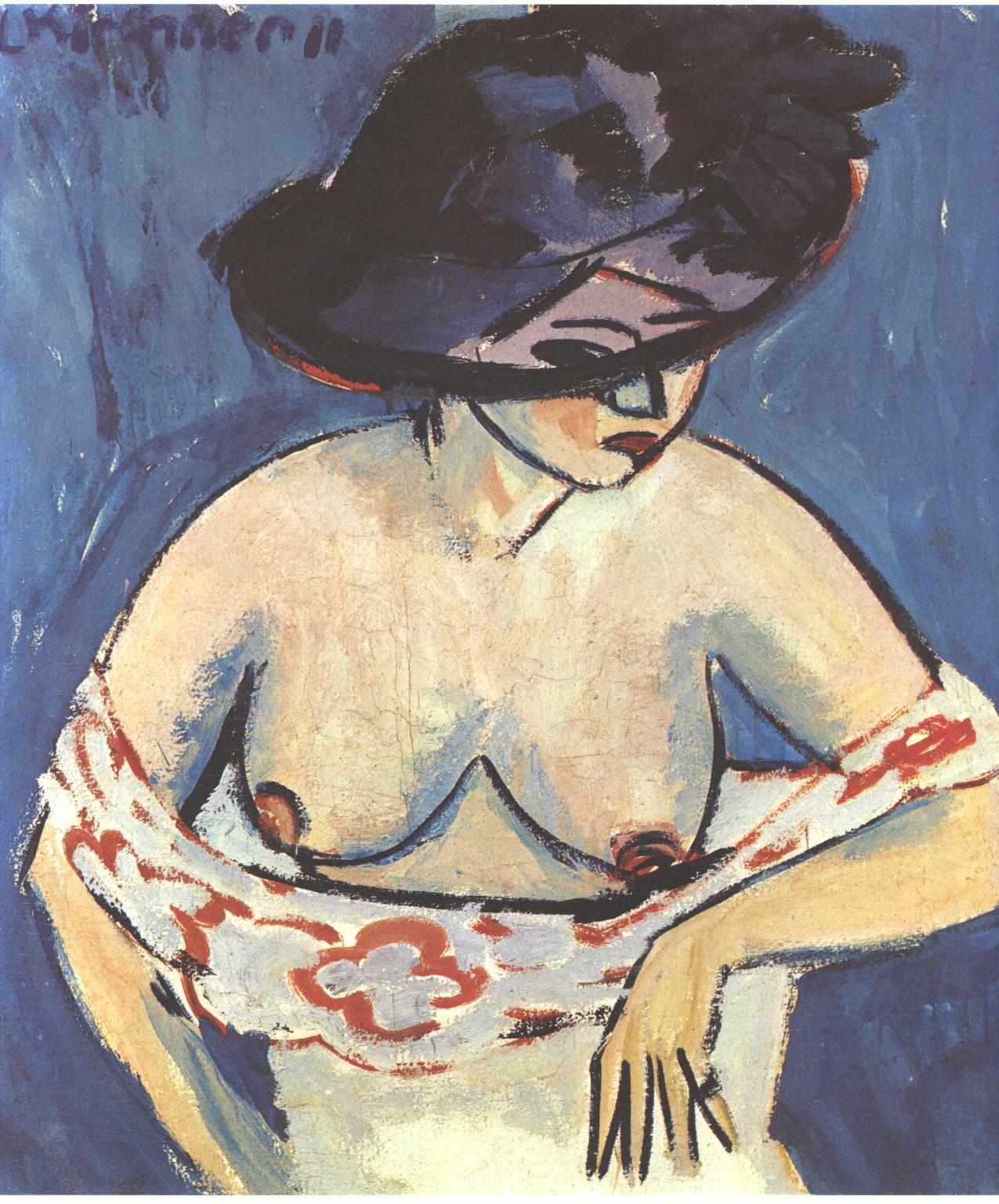
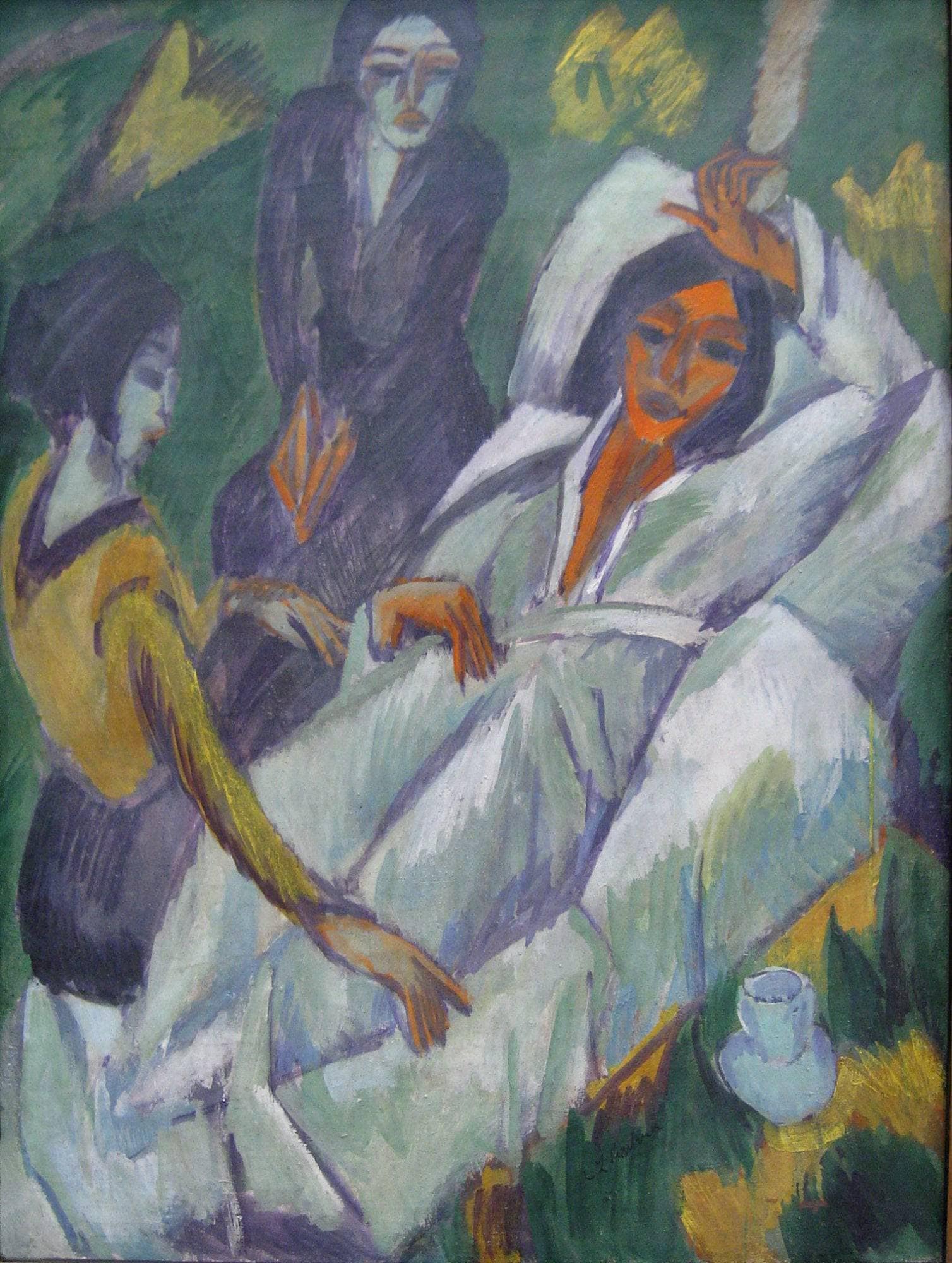
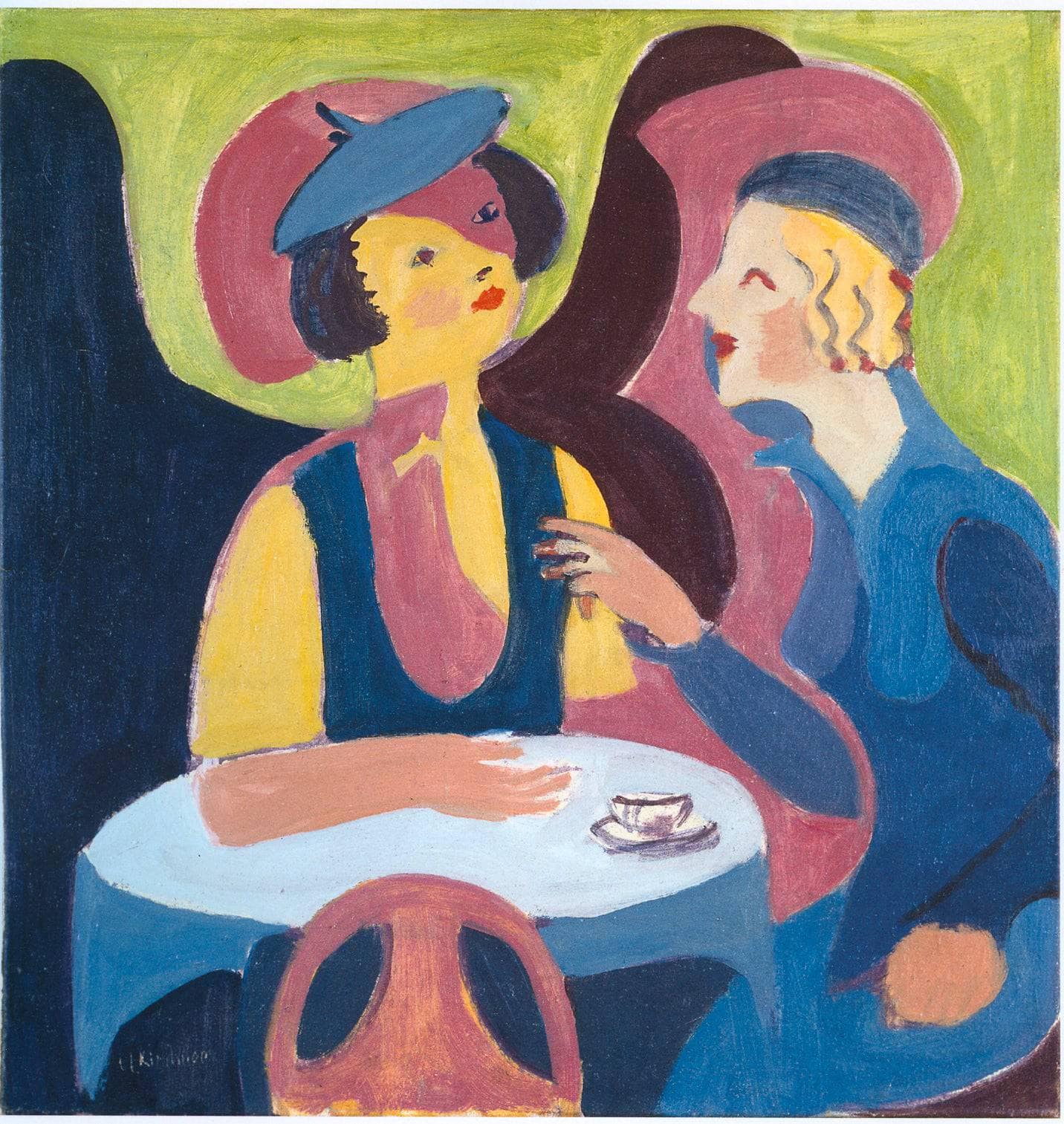
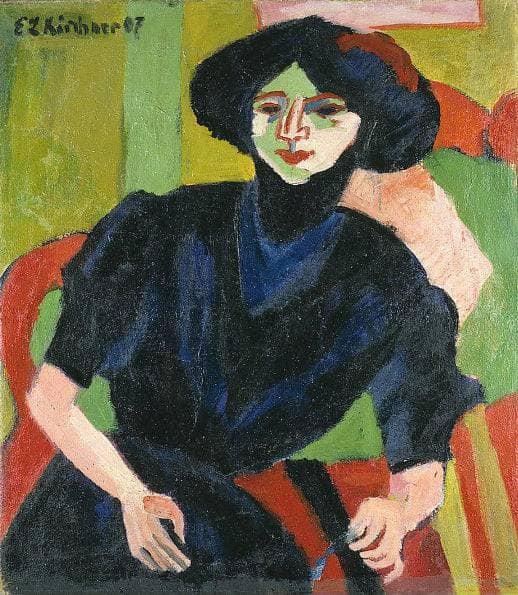
In "Portrait of a Woman," Kirchner employs a bold color palette that vibrates with life. He uses striking hues of red, green, and blue to evoke strong emotions. His dynamic brushwork creates a sense of movement and spontaneity, drawing the viewer into the scene. The thick application of paint adds texture, enhancing the visual impact of the artwork. Kirchner's innovative techniques set him apart from his contemporaries, making his work instantly recognizable.
Subject Matter: The Enigmatic Woman in Kirchner's Portrait
Symbolism of Femininity: What the Woman Represents
The woman in Kirchner's portrait embodies the complexities of femininity. She represents not just beauty but also strength and independence. Kirchner often explored themes of modern womanhood, reflecting the changing roles of women in society during the early 20th century. This portrayal invites viewers to consider the multifaceted nature of female identity.
Facial Expressions and Emotions: Capturing the Essence of the Subject
Kirchner masterfully captures the woman's emotions through her facial expressions. Her gaze is both inviting and introspective, suggesting a depth of thought and feeling. This emotional resonance is a hallmark of Kirchner's style, as he seeks to convey the inner life of his subjects. The subtle nuances in her expression invite viewers to engage with her story, making the portrait a compelling focal point.
Historical Context: The Era of Kirchner and His Artistic Circle
The Role of Die Brücke: Kirchner's Artistic Movement
Kirchner was a founding member of Die Brücke (The Bridge), an influential group of artists that sought to break away from traditional art forms. This movement aimed to express the emotional and spiritual experiences of modern life. Die Brücke artists often experimented with color and form, paving the way for future avant-garde movements. Kirchner's work within this group helped to redefine the boundaries of art in the early 20th century.
Impact of World War I on Kirchner's Artistic Expression
The trauma of World War I profoundly affected Kirchner's work. The chaos and destruction of the war led him to explore themes of alienation and despair. His later works reflect a darker, more introspective tone, contrasting with the vibrant energy of his earlier pieces. This shift highlights the impact of historical events on artistic expression, making Kirchner's work a poignant commentary on the human condition.
Artistic Techniques: Analyzing Kirchner's Unique Approach
Use of Line and Form: The Distinctive Features of Kirchner's Style
Kirchner's use of line is both bold and expressive. He often employs exaggerated forms to convey emotion and movement. The fluidity of his lines creates a sense of rhythm within the composition. This distinctive approach allows Kirchner to capture the essence of his subjects in a way that feels both immediate and timeless.
Texture and Depth: How Kirchner Creates Dimension in Portraits
Texture plays a crucial role in Kirchner's portraits. He skillfully layers paint to create depth and dimension, giving life to the canvas. The interplay of light and shadow enhances the three-dimensional quality of the work. This technique invites viewers to explore the surface of the painting, revealing the intricacies of Kirchner's artistic vision.
Comparative Analysis: Kirchner's Portrait of a Woman vs. Other Works
Contrasting Portraits: Kirchner's Style Compared to His Contemporaries
When compared to other artists of his time, Kirchner's style stands out for its emotional intensity and vibrant color use. While contemporaries like Gustav Klimt focused on decorative elements, Kirchner prioritized raw emotion and psychological depth. This contrast highlights Kirchner's unique contribution to the art world, making his portraits particularly compelling.
Recurring Themes: Women in Kirchner's Art Across Different Periods
Women are a recurring theme in Kirchner's body of work. He often portrayed them as strong, independent figures, reflecting the evolving role of women in society. This focus on femininity allows for a rich exploration of gender dynamics, making his art relevant even today. Kirchner's ability to capture the essence of womanhood continues to resonate with audiences.
Legacy and Influence: Kirchner's Impact on Modern Art
How Kirchner Shaped Future Generations of Artists
Kirchner's innovative techniques and emotional depth have influenced countless artists. His approach to color and form paved the way for future movements, including Abstract Expressionism. Many contemporary artists draw inspiration from Kirchner's ability to convey complex emotions through simple forms. His legacy endures in the work of those who seek to explore the human experience through art.
The Enduring Appeal of Kirchner's Portraits in Contemporary Art
Today, Kirchner's portraits remain highly regarded for their emotional resonance and technical skill. Art collectors and enthusiasts appreciate the depth and vibrancy of his work. The continued interest in Kirchner's art speaks to its timeless quality, making it a staple in galleries and exhibitions worldwide. His portraits, including "Portrait of a Woman," continue to captivate audiences with their unique blend of expressionism and modernity.
FAQs: Common Questions About Portrait of a Woman
What is the significance of the colors used in Portrait of a Woman?
The colors in "Portrait of a Woman" are significant as they evoke strong emotions and highlight the subject's inner life. Kirchner's bold palette reflects the vibrancy of the subject's personality and the emotional depth of the painting.
How does Kirchner's background influence this painting?
Kirchner's background as a member of Die Brücke and his experiences during World War I deeply influenced his artistic vision. His desire to express the emotional turmoil of his time is evident in the intensity of the portrait.
What emotions does the woman in the portrait convey?
The woman in the portrait conveys a mix of introspection and strength. Her expression invites viewers to ponder her thoughts and feelings, creating a connection that transcends time.
In what ways does this painting reflect the themes of German Expressionism?
This painting reflects German Expressionism through its emotional intensity, bold colors, and focus on the psychological state of the subject. Kirchner's style captures the essence of modern life and the complexities of human emotion.
What are the notable techniques used by Kirchner in this artwork?
Notable techniques in "Portrait of a Woman" include Kirchner's expressive use of line, vibrant color palette, and textured brushwork. These elements combine to create a dynamic and engaging portrait that draws viewers in.
FAQs: Questions About the Painting Reproduction
How can I ensure the reproduction captures the essence of the original?
To ensure a reproduction captures the essence of the original, choose a high-quality painting reproduction that uses premium materials. Look for reproductions that emphasize texture and color accuracy, as these elements are crucial in reflecting Kirchner's unique style.
What should I consider when displaying a reproduction of this painting?
When displaying a reproduction of "Portrait of a Woman," consider the lighting and surrounding decor. Proper lighting can enhance the colors and textures of the painting. Additionally, choose a frame that complements the artwork while allowing it to stand out as a focal point in your space.
Original: $249.95
-70%$249.95
$74.98Product Information
Product Information
Shipping & Returns
Shipping & Returns
Description
Exploring the Vibrant World of Ernst Ludwig Kirchner's Portrait of a Woman
Artistic Vision: Understanding Kirchner's Expressionist Style
The Influence of German Expressionism on Kirchner's Work
Ernst Ludwig Kirchner was a pivotal figure in the German Expressionist movement, which emerged in the early 20th century. His work often reflects the emotional intensity and raw energy characteristic of this style. Kirchner's art challenges traditional aesthetics, focusing instead on the psychological depth of his subjects. This approach allows viewers to connect with the emotional landscape of the painting, making it a powerful representation of the era.
Color Palette and Brushwork: A Dive into Kirchner's Techniques
In "Portrait of a Woman," Kirchner employs a bold color palette that vibrates with life. He uses striking hues of red, green, and blue to evoke strong emotions. His dynamic brushwork creates a sense of movement and spontaneity, drawing the viewer into the scene. The thick application of paint adds texture, enhancing the visual impact of the artwork. Kirchner's innovative techniques set him apart from his contemporaries, making his work instantly recognizable.
Subject Matter: The Enigmatic Woman in Kirchner's Portrait
Symbolism of Femininity: What the Woman Represents
The woman in Kirchner's portrait embodies the complexities of femininity. She represents not just beauty but also strength and independence. Kirchner often explored themes of modern womanhood, reflecting the changing roles of women in society during the early 20th century. This portrayal invites viewers to consider the multifaceted nature of female identity.
Facial Expressions and Emotions: Capturing the Essence of the Subject
Kirchner masterfully captures the woman's emotions through her facial expressions. Her gaze is both inviting and introspective, suggesting a depth of thought and feeling. This emotional resonance is a hallmark of Kirchner's style, as he seeks to convey the inner life of his subjects. The subtle nuances in her expression invite viewers to engage with her story, making the portrait a compelling focal point.
Historical Context: The Era of Kirchner and His Artistic Circle
The Role of Die Brücke: Kirchner's Artistic Movement
Kirchner was a founding member of Die Brücke (The Bridge), an influential group of artists that sought to break away from traditional art forms. This movement aimed to express the emotional and spiritual experiences of modern life. Die Brücke artists often experimented with color and form, paving the way for future avant-garde movements. Kirchner's work within this group helped to redefine the boundaries of art in the early 20th century.
Impact of World War I on Kirchner's Artistic Expression
The trauma of World War I profoundly affected Kirchner's work. The chaos and destruction of the war led him to explore themes of alienation and despair. His later works reflect a darker, more introspective tone, contrasting with the vibrant energy of his earlier pieces. This shift highlights the impact of historical events on artistic expression, making Kirchner's work a poignant commentary on the human condition.
Artistic Techniques: Analyzing Kirchner's Unique Approach
Use of Line and Form: The Distinctive Features of Kirchner's Style
Kirchner's use of line is both bold and expressive. He often employs exaggerated forms to convey emotion and movement. The fluidity of his lines creates a sense of rhythm within the composition. This distinctive approach allows Kirchner to capture the essence of his subjects in a way that feels both immediate and timeless.
Texture and Depth: How Kirchner Creates Dimension in Portraits
Texture plays a crucial role in Kirchner's portraits. He skillfully layers paint to create depth and dimension, giving life to the canvas. The interplay of light and shadow enhances the three-dimensional quality of the work. This technique invites viewers to explore the surface of the painting, revealing the intricacies of Kirchner's artistic vision.
Comparative Analysis: Kirchner's Portrait of a Woman vs. Other Works
Contrasting Portraits: Kirchner's Style Compared to His Contemporaries
When compared to other artists of his time, Kirchner's style stands out for its emotional intensity and vibrant color use. While contemporaries like Gustav Klimt focused on decorative elements, Kirchner prioritized raw emotion and psychological depth. This contrast highlights Kirchner's unique contribution to the art world, making his portraits particularly compelling.
Recurring Themes: Women in Kirchner's Art Across Different Periods
Women are a recurring theme in Kirchner's body of work. He often portrayed them as strong, independent figures, reflecting the evolving role of women in society. This focus on femininity allows for a rich exploration of gender dynamics, making his art relevant even today. Kirchner's ability to capture the essence of womanhood continues to resonate with audiences.
Legacy and Influence: Kirchner's Impact on Modern Art
How Kirchner Shaped Future Generations of Artists
Kirchner's innovative techniques and emotional depth have influenced countless artists. His approach to color and form paved the way for future movements, including Abstract Expressionism. Many contemporary artists draw inspiration from Kirchner's ability to convey complex emotions through simple forms. His legacy endures in the work of those who seek to explore the human experience through art.
The Enduring Appeal of Kirchner's Portraits in Contemporary Art
Today, Kirchner's portraits remain highly regarded for their emotional resonance and technical skill. Art collectors and enthusiasts appreciate the depth and vibrancy of his work. The continued interest in Kirchner's art speaks to its timeless quality, making it a staple in galleries and exhibitions worldwide. His portraits, including "Portrait of a Woman," continue to captivate audiences with their unique blend of expressionism and modernity.
FAQs: Common Questions About Portrait of a Woman
What is the significance of the colors used in Portrait of a Woman?
The colors in "Portrait of a Woman" are significant as they evoke strong emotions and highlight the subject's inner life. Kirchner's bold palette reflects the vibrancy of the subject's personality and the emotional depth of the painting.
How does Kirchner's background influence this painting?
Kirchner's background as a member of Die Brücke and his experiences during World War I deeply influenced his artistic vision. His desire to express the emotional turmoil of his time is evident in the intensity of the portrait.
What emotions does the woman in the portrait convey?
The woman in the portrait conveys a mix of introspection and strength. Her expression invites viewers to ponder her thoughts and feelings, creating a connection that transcends time.
In what ways does this painting reflect the themes of German Expressionism?
This painting reflects German Expressionism through its emotional intensity, bold colors, and focus on the psychological state of the subject. Kirchner's style captures the essence of modern life and the complexities of human emotion.
What are the notable techniques used by Kirchner in this artwork?
Notable techniques in "Portrait of a Woman" include Kirchner's expressive use of line, vibrant color palette, and textured brushwork. These elements combine to create a dynamic and engaging portrait that draws viewers in.
FAQs: Questions About the Painting Reproduction
How can I ensure the reproduction captures the essence of the original?
To ensure a reproduction captures the essence of the original, choose a high-quality painting reproduction that uses premium materials. Look for reproductions that emphasize texture and color accuracy, as these elements are crucial in reflecting Kirchner's unique style.
What should I consider when displaying a reproduction of this painting?
When displaying a reproduction of "Portrait of a Woman," consider the lighting and surrounding decor. Proper lighting can enhance the colors and textures of the painting. Additionally, choose a frame that complements the artwork while allowing it to stand out as a focal point in your space.