Woman at Tea Time: Sick Woman
Exploring the Emotional Depth of "Woman at Tea Time: Sick Woman" by Ernst Ludwig Kirchner
Understanding the Artist: Ernst Ludwig Kirchner's Unique Style
The Influence of Expressionism on Kirchner's Work
Ernst Ludwig Kirchner was a pivotal figure in the Expressionist movement, known for his vivid colors and emotional intensity. His work often reflects the turmoil of the early 20th century, capturing the essence of human experience through a distorted lens. Kirchner's unique style emphasizes raw emotion, making his paintings resonate deeply with viewers.
Biographical Insights: Kirchner's Life and Artistic Journey
Born in 1880 in Aschaffenburg, Germany, Kirchner's artistic journey began in architecture before he turned to painting. He co-founded the influential Die Brücke (The Bridge) group, which sought to break away from traditional artistic conventions. Kirchner's life was marked by personal struggles, including battles with mental health, which profoundly influenced his art.
Unpacking the Visual Elements of "Woman at Tea Time: Sick Woman"
Color Palette: The Use of Bold Colors to Convey Emotion
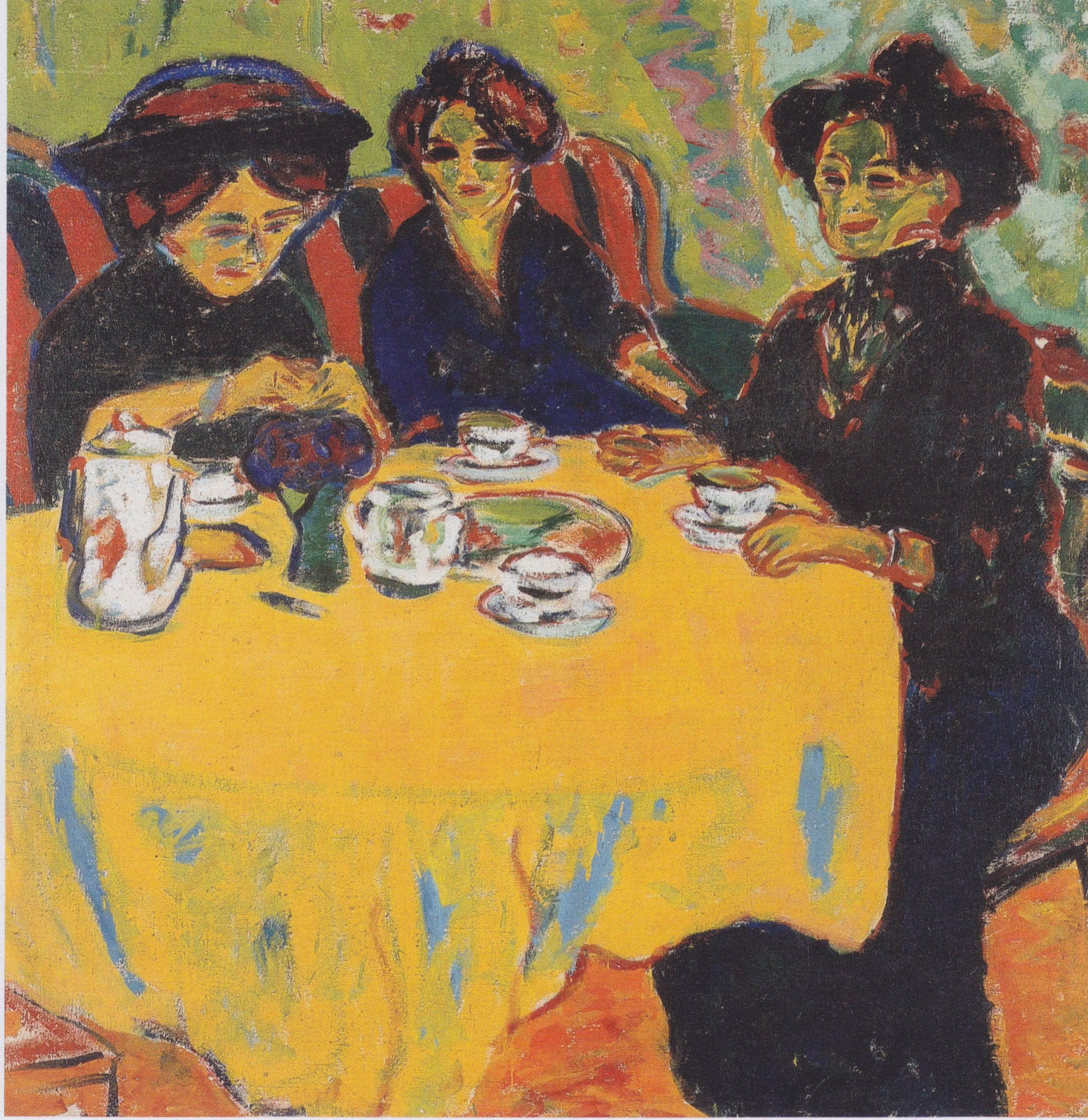
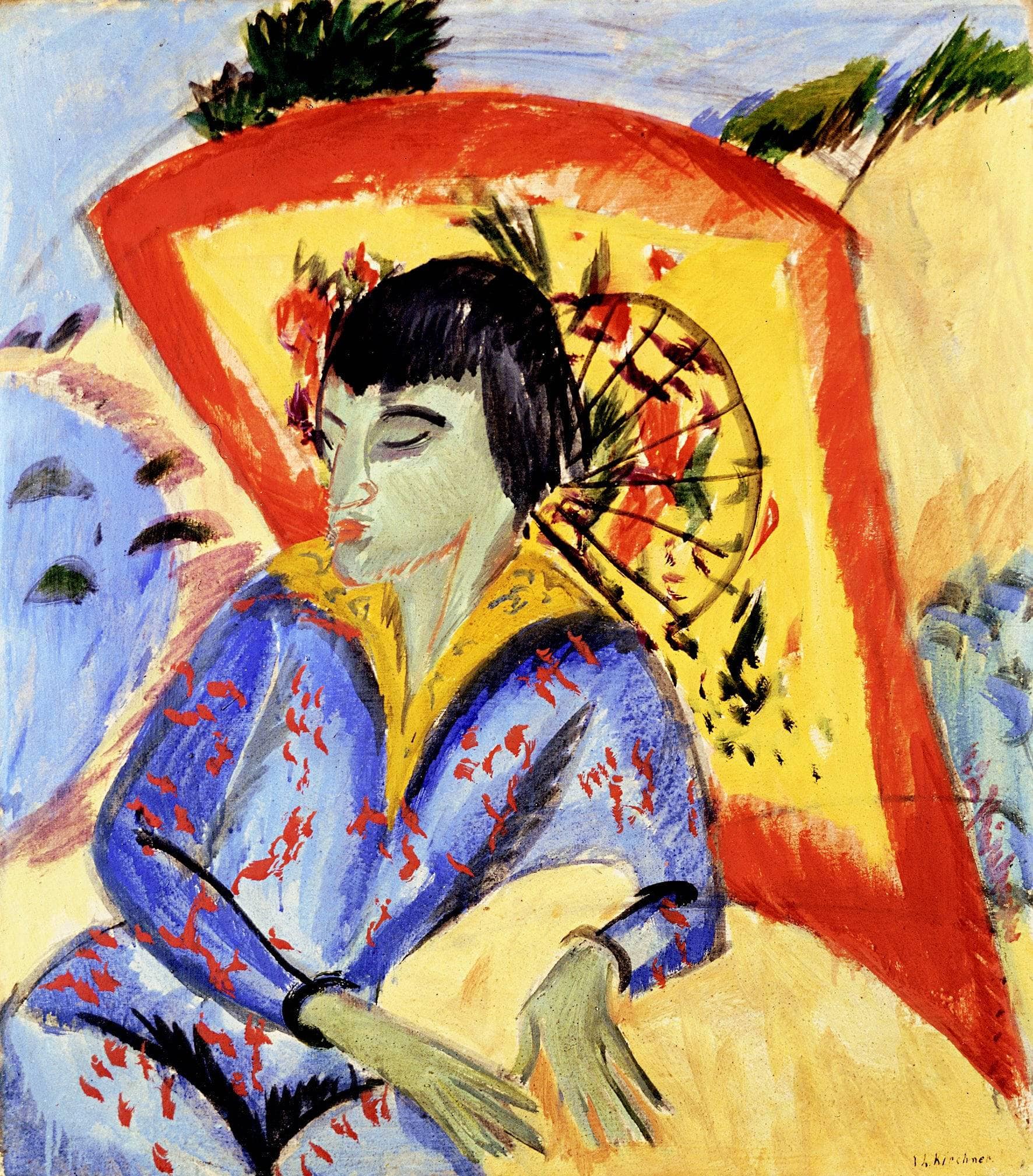
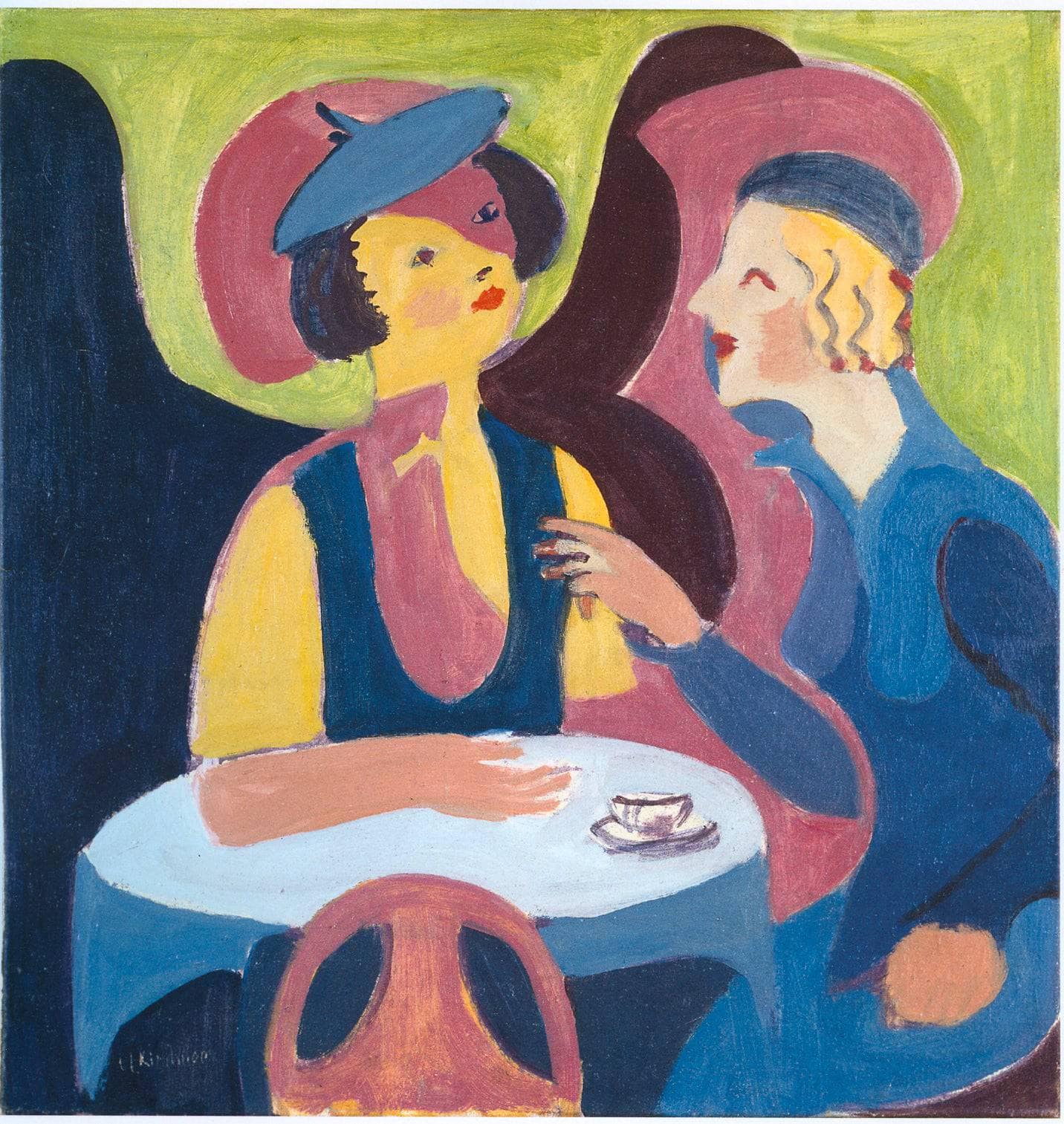
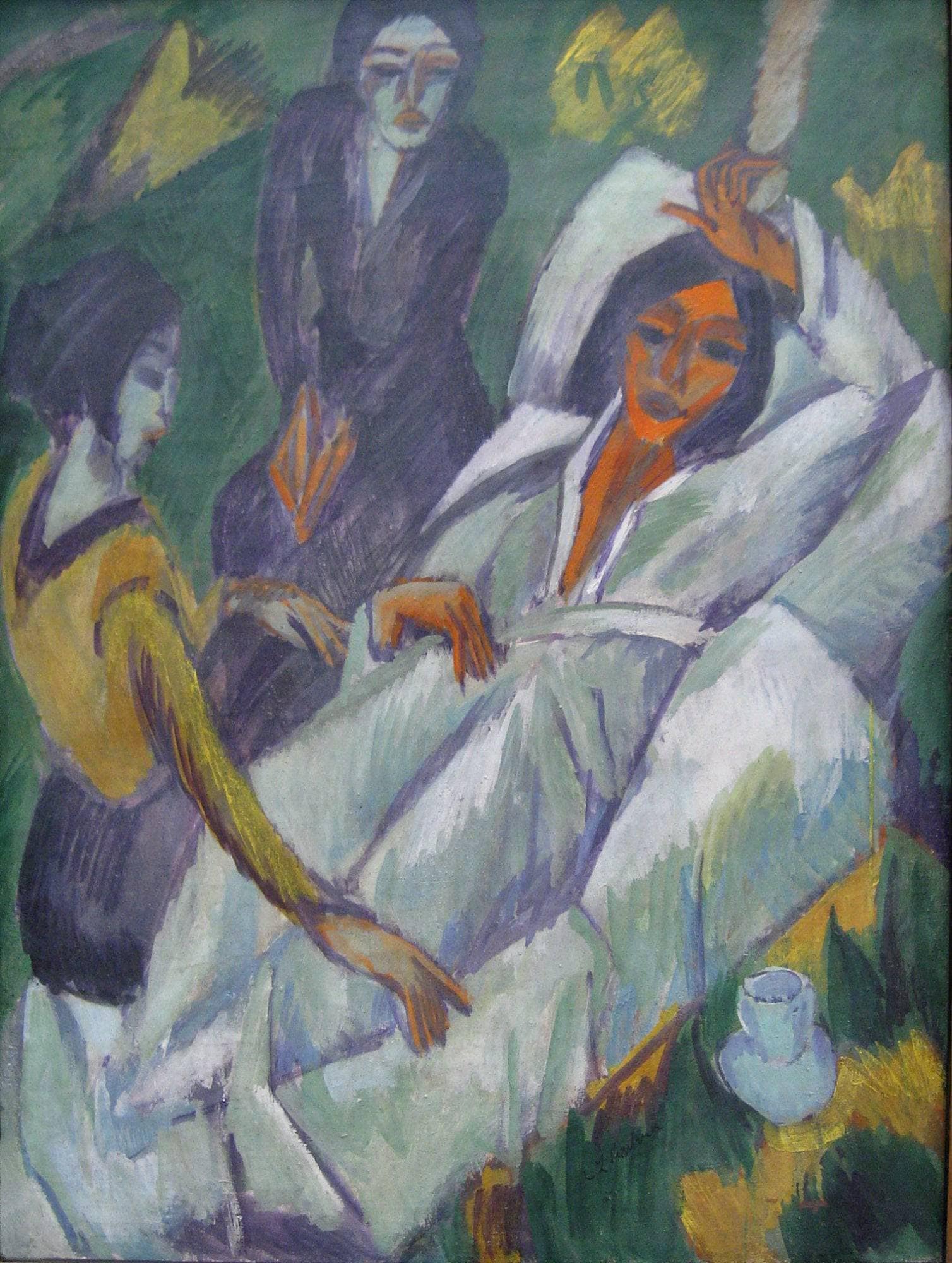
The color palette of "Woman at Tea Time: Sick Woman" is striking and deliberate. Kirchner employs bold, contrasting colors to evoke feelings of isolation and melancholy. The vibrant reds and deep greens create a sense of unease, reflecting the emotional state of the subject.
Composition Analysis: Arrangement and Perspective in the Painting
The composition of the painting is intimate yet unsettling. Kirchner places the sick woman at the center, surrounded by a chaotic background. This arrangement draws the viewer's eye directly to her, emphasizing her vulnerability and the isolation she experiences during tea time.
Symbolism in the Artwork: Tea Time as a Metaphor for Isolation
Tea time, often associated with comfort and social interaction, becomes a poignant symbol of isolation in this artwork. The act of sharing tea contrasts sharply with the woman's solitude, highlighting her emotional distance from the world around her. This duality invites viewers to reflect on the complexities of human connection.
Thematic Exploration: Illness and Vulnerability in Kirchner's Art
Depicting Sickness: A Reflection of Personal Struggles
In "Woman at Tea Time: Sick Woman," Kirchner poignantly depicts illness as a reflection of his own struggles. The woman's frail appearance and somber expression mirror Kirchner's own battles with mental health, making the painting a deeply personal statement about vulnerability and suffering.
Women in Kirchner's Art: Gender Roles and Societal Expectations
Kirchner often portrayed women in complex roles, challenging societal expectations. In this painting, the sick woman embodies both fragility and strength, representing the duality of women's experiences in a rapidly changing society. Kirchner's portrayal invites viewers to consider the pressures faced by women during his time.
Historical Context: The Impact of World War I on Kirchner's Work
Artistic Responses to Trauma: Kirchner's Reaction to the War
The aftermath of World War I profoundly affected Kirchner's work. The trauma of war and its impact on society permeated his art, leading to themes of despair and disillusionment. "Woman at Tea Time: Sick Woman" can be seen as a response to the chaos of the era, reflecting the emotional scars left by conflict.
The Role of Mental Health in Kirchner's Artistic Expression
Kirchner's struggles with mental health are evident in his art. He often used painting as a form of therapy, channeling his emotions onto the canvas. This painting serves as a testament to his inner turmoil, revealing the connection between his psychological state and his artistic output.
Comparative Analysis: "Woman at Tea Time" and Other Works by Kirchner
Similar Themes in Kirchner's Portfolio: A Study of Isolation
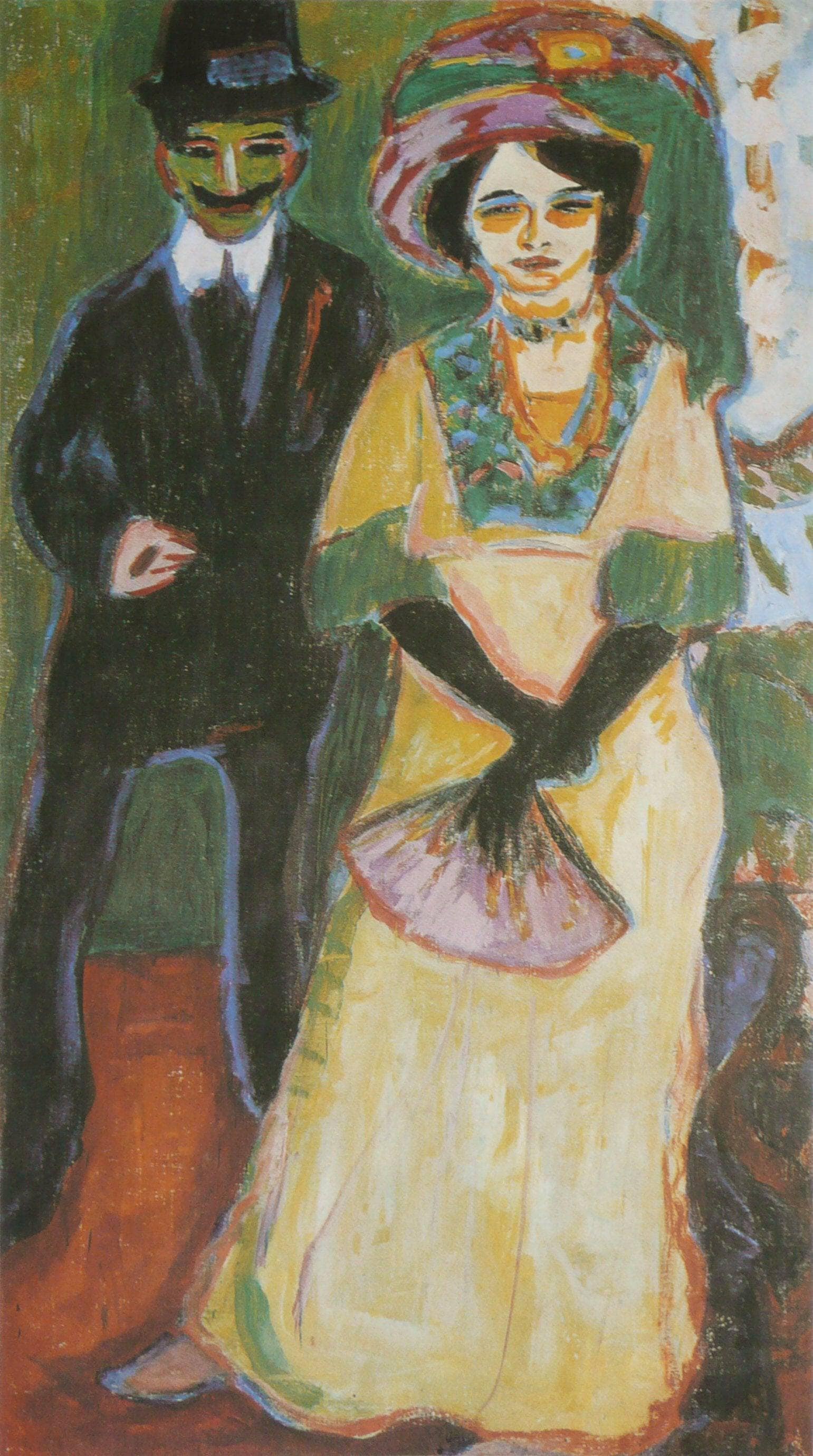
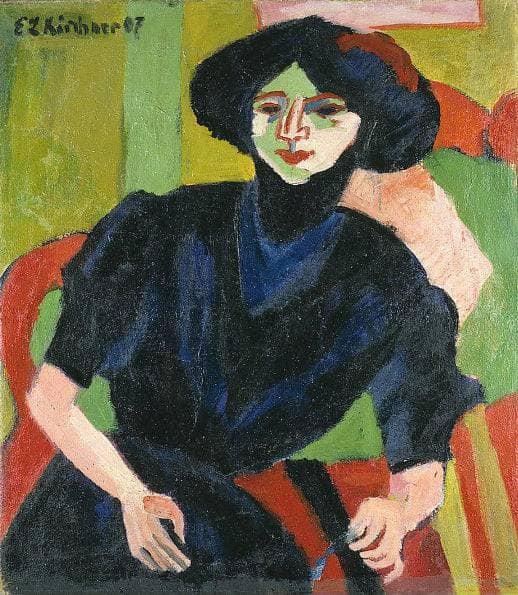
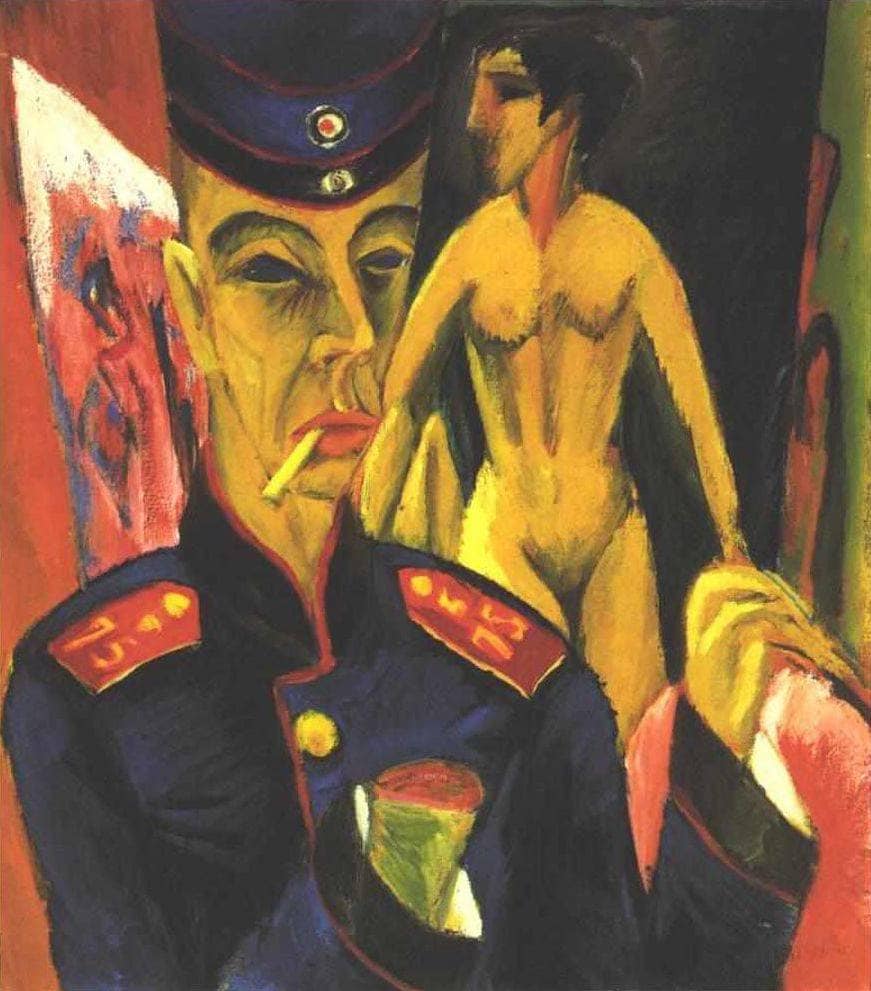
Isolation is a recurring theme in Kirchner's portfolio. Works like "Self-Portrait as a Soldier" and "Street, Berlin" also explore feelings of alienation. "Woman at Tea Time: Sick Woman" fits seamlessly into this narrative, showcasing Kirchner's consistent focus on the human condition.
Contrasting Styles: Kirchner vs. His Contemporaries
While contemporaries like Wassily Kandinsky and Paul Klee explored abstraction, Kirchner maintained a more figurative approach. His expressive brushwork and emotional depth set him apart, making his work uniquely impactful. "Woman at Tea Time" exemplifies this distinctive style, blending realism with expressionism.
Artistic Techniques: Brushwork and Texture in "Sick Woman"
Examining Kirchner's Brushwork: Impulsive and Expressive Techniques
Kirchner's brushwork in "Woman at Tea Time: Sick Woman" is both impulsive and deliberate. He uses quick, bold strokes to convey emotion, creating a sense of urgency. This technique enhances the painting's emotional impact, drawing viewers into the woman's experience.
The Role of Texture in Evoking Emotion and Depth
The texture in this painting adds another layer of meaning. Kirchner's use of thick paint creates a tactile quality, inviting viewers to engage with the artwork on a sensory level. This depth enhances the emotional resonance, making the viewer feel the weight of the woman's isolation.
Viewer Experience: Engaging with "Woman at Tea Time: Sick Woman"
Emotional Reactions: What the Painting Evokes in Viewers
Art as Therapy: The Healing Power of Kirchner's Work
Many find solace in Kirchner's art, viewing it as a form of therapy. The emotional honesty in "Woman at Tea Time: Sick Woman" resonates with those who have faced similar struggles. This connection highlights the healing power of art, offering comfort and understanding.
FAQs about "Woman at Tea Time: Sick Woman" by Ernst Ludwig Kirchner
What is the significance of the tea time setting in the painting?
The tea time setting symbolizes both comfort and isolation, contrasting the expected warmth of social interaction with the woman's solitude.
How does Kirchner's personal life influence the themes in this artwork?
Kirchner's personal struggles with mental health and societal pressures deeply influence the themes of vulnerability and isolation in this painting.
What emotions does "Sick Woman" aim to convey to the viewer?
The painting conveys feelings of sadness, empathy, and introspection, inviting viewers to reflect on their own experiences with isolation.
In what ways does this painting reflect the artist's struggles with mental health?
The depiction of the sick woman mirrors Kirchner's own battles with mental health, showcasing the emotional turmoil he faced throughout his life.
How does "Woman at Tea Time" compare to other expressionist works?
This painting stands out for its emotional depth and vivid color palette, making it a significant example of Expressionism alongside works by other artists of the movement.
FAQs about the Painting Reproduction
What should I consider when purchasing a reproduction of this painting?
When purchasing a reproduction, consider the quality of the materials, the accuracy of the colors, and the craftsmanship involved. A high-quality painting reproduction captures the essence of Kirchner's original work far better than a simple print.
How can I best display "Woman at Tea Time: Sick Woman" in my home?
To best display this painting, choose a location with good lighting and a neutral background. This will allow the vibrant colors and emotional depth of the artwork to shine, creating a focal point in your space.
Original: $299.95
-70%$299.95
$89.98Product Information
Product Information
Shipping & Returns
Shipping & Returns
Description
Exploring the Emotional Depth of "Woman at Tea Time: Sick Woman" by Ernst Ludwig Kirchner
Understanding the Artist: Ernst Ludwig Kirchner's Unique Style
The Influence of Expressionism on Kirchner's Work
Ernst Ludwig Kirchner was a pivotal figure in the Expressionist movement, known for his vivid colors and emotional intensity. His work often reflects the turmoil of the early 20th century, capturing the essence of human experience through a distorted lens. Kirchner's unique style emphasizes raw emotion, making his paintings resonate deeply with viewers.
Biographical Insights: Kirchner's Life and Artistic Journey
Born in 1880 in Aschaffenburg, Germany, Kirchner's artistic journey began in architecture before he turned to painting. He co-founded the influential Die Brücke (The Bridge) group, which sought to break away from traditional artistic conventions. Kirchner's life was marked by personal struggles, including battles with mental health, which profoundly influenced his art.
Unpacking the Visual Elements of "Woman at Tea Time: Sick Woman"
Color Palette: The Use of Bold Colors to Convey Emotion
The color palette of "Woman at Tea Time: Sick Woman" is striking and deliberate. Kirchner employs bold, contrasting colors to evoke feelings of isolation and melancholy. The vibrant reds and deep greens create a sense of unease, reflecting the emotional state of the subject.
Composition Analysis: Arrangement and Perspective in the Painting
The composition of the painting is intimate yet unsettling. Kirchner places the sick woman at the center, surrounded by a chaotic background. This arrangement draws the viewer's eye directly to her, emphasizing her vulnerability and the isolation she experiences during tea time.
Symbolism in the Artwork: Tea Time as a Metaphor for Isolation
Tea time, often associated with comfort and social interaction, becomes a poignant symbol of isolation in this artwork. The act of sharing tea contrasts sharply with the woman's solitude, highlighting her emotional distance from the world around her. This duality invites viewers to reflect on the complexities of human connection.
Thematic Exploration: Illness and Vulnerability in Kirchner's Art
Depicting Sickness: A Reflection of Personal Struggles
In "Woman at Tea Time: Sick Woman," Kirchner poignantly depicts illness as a reflection of his own struggles. The woman's frail appearance and somber expression mirror Kirchner's own battles with mental health, making the painting a deeply personal statement about vulnerability and suffering.
Women in Kirchner's Art: Gender Roles and Societal Expectations
Kirchner often portrayed women in complex roles, challenging societal expectations. In this painting, the sick woman embodies both fragility and strength, representing the duality of women's experiences in a rapidly changing society. Kirchner's portrayal invites viewers to consider the pressures faced by women during his time.
Historical Context: The Impact of World War I on Kirchner's Work
Artistic Responses to Trauma: Kirchner's Reaction to the War
The aftermath of World War I profoundly affected Kirchner's work. The trauma of war and its impact on society permeated his art, leading to themes of despair and disillusionment. "Woman at Tea Time: Sick Woman" can be seen as a response to the chaos of the era, reflecting the emotional scars left by conflict.
The Role of Mental Health in Kirchner's Artistic Expression
Kirchner's struggles with mental health are evident in his art. He often used painting as a form of therapy, channeling his emotions onto the canvas. This painting serves as a testament to his inner turmoil, revealing the connection between his psychological state and his artistic output.
Comparative Analysis: "Woman at Tea Time" and Other Works by Kirchner
Similar Themes in Kirchner's Portfolio: A Study of Isolation
Isolation is a recurring theme in Kirchner's portfolio. Works like "Self-Portrait as a Soldier" and "Street, Berlin" also explore feelings of alienation. "Woman at Tea Time: Sick Woman" fits seamlessly into this narrative, showcasing Kirchner's consistent focus on the human condition.
Contrasting Styles: Kirchner vs. His Contemporaries
While contemporaries like Wassily Kandinsky and Paul Klee explored abstraction, Kirchner maintained a more figurative approach. His expressive brushwork and emotional depth set him apart, making his work uniquely impactful. "Woman at Tea Time" exemplifies this distinctive style, blending realism with expressionism.
Artistic Techniques: Brushwork and Texture in "Sick Woman"
Examining Kirchner's Brushwork: Impulsive and Expressive Techniques
Kirchner's brushwork in "Woman at Tea Time: Sick Woman" is both impulsive and deliberate. He uses quick, bold strokes to convey emotion, creating a sense of urgency. This technique enhances the painting's emotional impact, drawing viewers into the woman's experience.
The Role of Texture in Evoking Emotion and Depth
The texture in this painting adds another layer of meaning. Kirchner's use of thick paint creates a tactile quality, inviting viewers to engage with the artwork on a sensory level. This depth enhances the emotional resonance, making the viewer feel the weight of the woman's isolation.
Viewer Experience: Engaging with "Woman at Tea Time: Sick Woman"
Emotional Reactions: What the Painting Evokes in Viewers
Art as Therapy: The Healing Power of Kirchner's Work
Many find solace in Kirchner's art, viewing it as a form of therapy. The emotional honesty in "Woman at Tea Time: Sick Woman" resonates with those who have faced similar struggles. This connection highlights the healing power of art, offering comfort and understanding.
FAQs about "Woman at Tea Time: Sick Woman" by Ernst Ludwig Kirchner
What is the significance of the tea time setting in the painting?
The tea time setting symbolizes both comfort and isolation, contrasting the expected warmth of social interaction with the woman's solitude.
How does Kirchner's personal life influence the themes in this artwork?
Kirchner's personal struggles with mental health and societal pressures deeply influence the themes of vulnerability and isolation in this painting.
What emotions does "Sick Woman" aim to convey to the viewer?
The painting conveys feelings of sadness, empathy, and introspection, inviting viewers to reflect on their own experiences with isolation.
In what ways does this painting reflect the artist's struggles with mental health?
The depiction of the sick woman mirrors Kirchner's own battles with mental health, showcasing the emotional turmoil he faced throughout his life.
How does "Woman at Tea Time" compare to other expressionist works?
This painting stands out for its emotional depth and vivid color palette, making it a significant example of Expressionism alongside works by other artists of the movement.
FAQs about the Painting Reproduction
What should I consider when purchasing a reproduction of this painting?
When purchasing a reproduction, consider the quality of the materials, the accuracy of the colors, and the craftsmanship involved. A high-quality painting reproduction captures the essence of Kirchner's original work far better than a simple print.
How can I best display "Woman at Tea Time: Sick Woman" in my home?
To best display this painting, choose a location with good lighting and a neutral background. This will allow the vibrant colors and emotional depth of the artwork to shine, creating a focal point in your space.