Dodo and Her Brother
Exploring the Vibrant World of Dodo and Her Brother by Ernst Ludwig Kirchner
Understanding the Artistic Context of Kirchner's Work
The Expressionist Movement: A Deep Dive
Ernst Ludwig Kirchner was a pivotal figure in the Expressionist movement, which emerged in the early 20th century. This movement sought to convey emotional experiences rather than physical reality. Kirchner's work often reflects intense feelings through vivid colors and distorted forms, making it a cornerstone of modern art.
Kirchner's Role in the Die Brücke Group
As a founding member of the Die Brücke group, Kirchner played a crucial role in shaping Expressionism. This collective of artists aimed to break away from traditional artistic conventions. They embraced bold colors and raw emotions, which are evident in "Dodo and Her Brother." This painting exemplifies the group's desire to express the complexities of human experience.
Influences of German Culture on Kirchner's Art
Kirchner's art is deeply rooted in German culture, reflecting the societal changes of his time. The industrialization and urbanization of Germany influenced his themes and subjects. His works often depict the tension between modern life and the innocence of childhood, as seen in "Dodo and Her Brother."
Visual Analysis of Dodo and Her Brother
Color Palette: The Bold Use of Color in Kirchner's Art
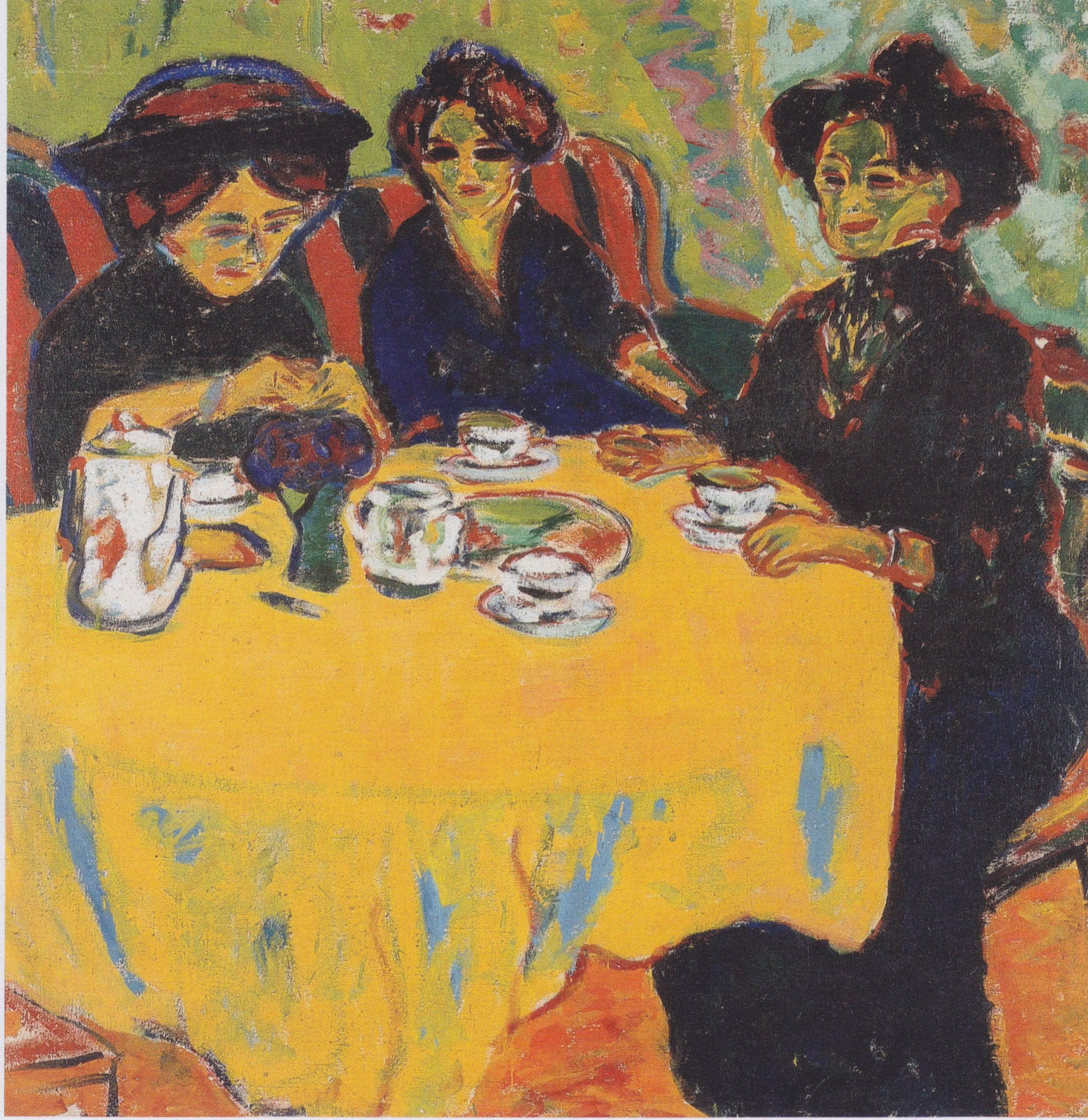
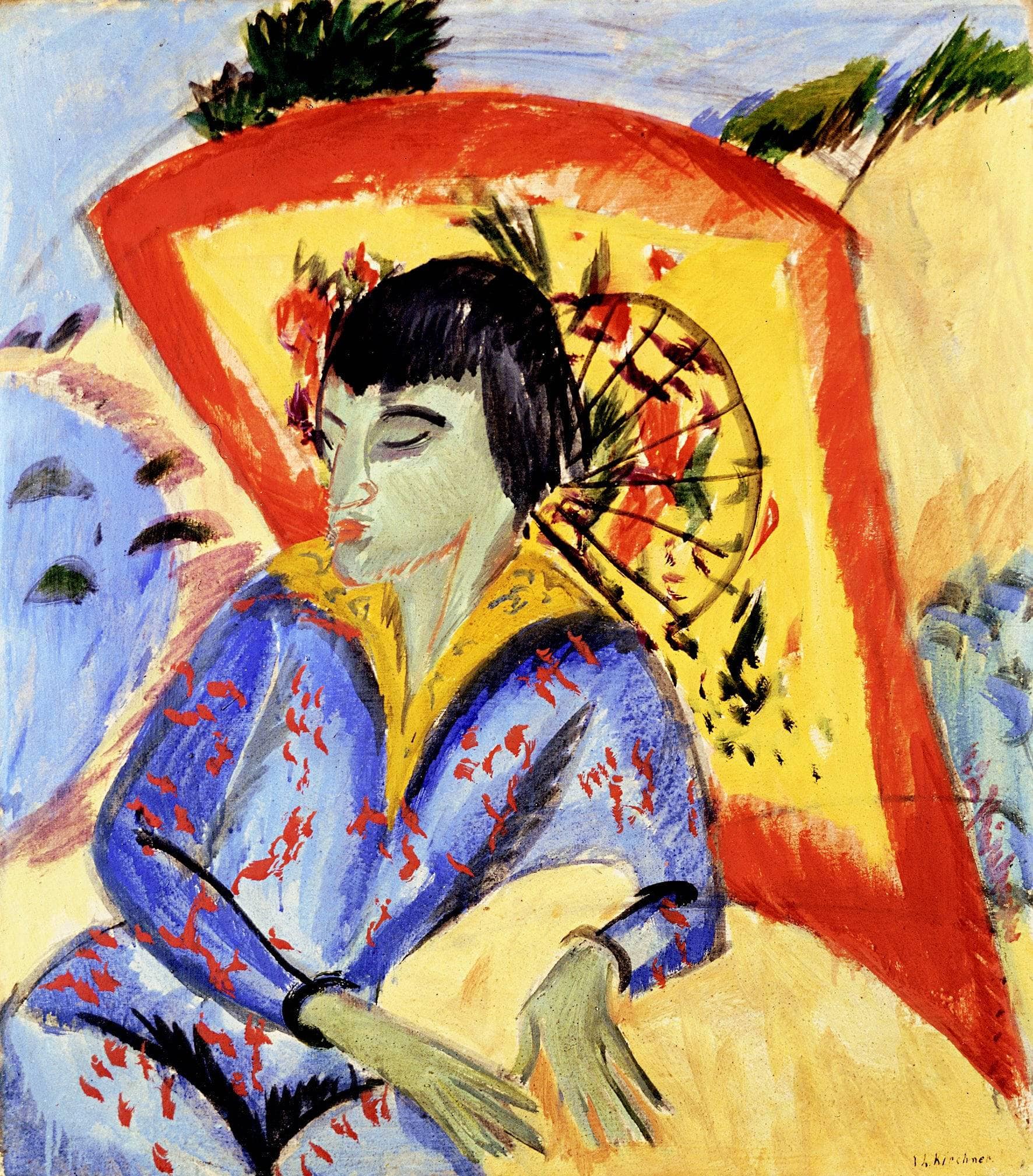
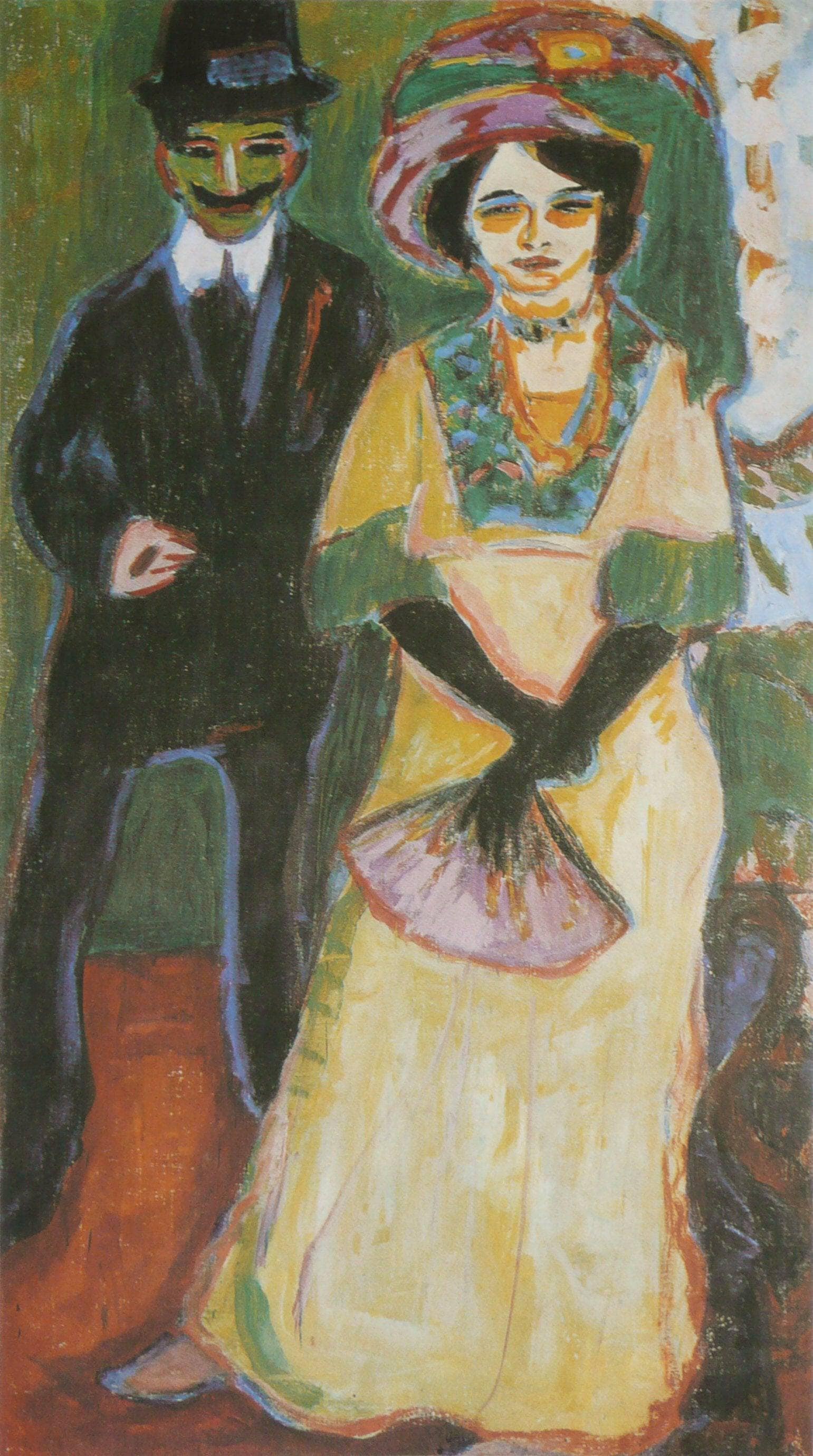
The color palette in "Dodo and Her Brother" is striking and vibrant. Kirchner uses bold reds, greens, and blues to evoke emotion and energy. This dynamic use of color not only captures the viewer's attention but also enhances the emotional depth of the painting.
Composition Techniques: Balancing Figures and Background
Kirchner expertly balances the figures of Dodo and her brother with the background. The composition draws the viewer's eye to the siblings while still providing context. This technique creates a sense of intimacy and connection between the characters and the audience.
Symbolism in Dodo and Her Brother: What Do the Figures Represent?
The figures in "Dodo and Her Brother" symbolize childhood innocence and the bond between siblings. Dodo, with her playful demeanor, represents joy and freedom. Her brother's protective stance highlights the themes of familial love and support, making the painting resonate on a personal level.
The Characters: Dodo and Her Brother in Focus
Who is Dodo? A Look at the Subject's Identity
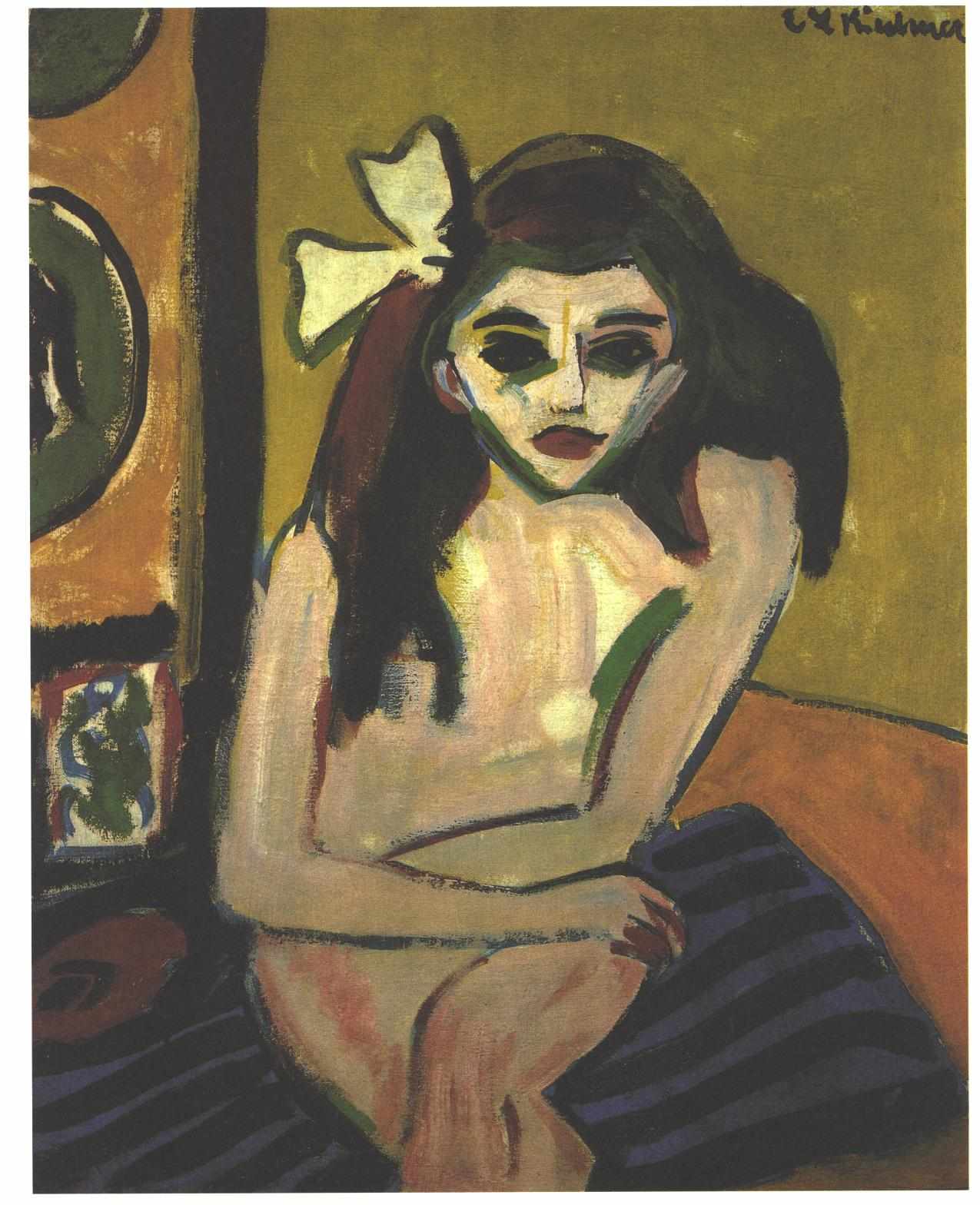
Dodo is not just a subject; she embodies the spirit of childhood. Her carefree expression and playful pose invite viewers to reflect on their own childhood experiences. Kirchner captures her essence, making her a relatable figure for many.
The Relationship Between Siblings: An Emotional Exploration
The relationship between Dodo and her brother is central to the painting. Their interaction conveys a deep emotional connection. This sibling bond reflects themes of protection, love, and shared experiences, resonating with anyone who has experienced similar relationships.
Childhood Innocence and Playfulness Captured in Art
Kirchner masterfully captures the essence of childhood innocence in this artwork. The playful nature of Dodo and her brother evokes nostalgia and warmth. This portrayal invites viewers to remember their own carefree days, making the painting timeless.
Artistic Techniques and Styles Employed by Kirchner
Brushwork and Texture: The Physicality of Kirchner's Painting
Kirchner's brushwork in "Dodo and Her Brother" is expressive and dynamic. The texture adds depth and movement to the painting, making it feel alive. This physicality enhances the emotional impact, drawing viewers into the scene.
Influence of Primitivism on Kirchner's Style
Primitivism significantly influenced Kirchner's style. He drew inspiration from non-Western art forms, which is evident in the simplified shapes and bold colors. This influence allows "Dodo and Her Brother" to transcend traditional European art, offering a fresh perspective.
Innovative Use of Line and Form in Dodo and Her Brother
Kirchner's innovative use of line and form creates a sense of movement and energy. The fluid lines guide the viewer's eye across the canvas, enhancing the emotional narrative. This technique showcases Kirchner's unique artistic vision and mastery of form.
The Historical Significance of Dodo and Her Brother
Impact on Modern Art: Kirchner's Legacy
"Dodo and Her Brother" is a testament to Kirchner's lasting impact on modern art. His bold approach to color and form paved the way for future artists. Kirchner's legacy continues to inspire contemporary art movements, making this painting historically significant.
Reception of the Painting in the Early 20th Century
Upon its release, "Dodo and Her Brother" received mixed reviews. Some praised its emotional depth, while others criticized its departure from realism. Over time, however, the painting has gained recognition as a masterpiece of Expressionism.
How Dodo and Her Brother Reflects Societal Changes
This painting reflects the societal changes of the early 20th century. As urban life became more prevalent, Kirchner captured the tension between innocence and the harsh realities of modernity. "Dodo and Her Brother" serves as a poignant reminder of the importance of childhood amidst societal upheaval.
Personal Reflections on Viewing Dodo and Her Brother
First-Hand Experience: The Emotional Impact of the Painting
Viewing "Dodo and Her Brother" evokes a strong emotional response. The vibrant colors and expressive forms create a sense of joy and nostalgia. This emotional impact makes the painting unforgettable and deeply moving.
What Makes Dodo and Her Brother Stand Out Among Kirchner's Works?
This painting stands out due to its unique portrayal of childhood. While many of Kirchner's works explore darker themes, "Dodo and Her Brother" radiates warmth and innocence. This contrast highlights Kirchner's versatility as an artist.
Connecting with the Art: Viewer Interpretations and Reactions
Viewers often interpret "Dodo and Her Brother" through their personal experiences. Many connect with the themes of childhood and sibling relationships, making the painting relatable. This connection enhances the viewer's experience, allowing for a deeper appreciation of Kirchner's work.
Frequently Asked Questions About Dodo and Her Brother
What is the story behind Dodo and Her Brother?
The story behind "Dodo and Her Brother" revolves around the themes of childhood innocence and sibling bonds. Kirchner captures a moment of joy and playfulness, reflecting his own experiences and observations of family life.
How does Dodo and Her Brother compare to other works by Kirchner?
Compared to other works by Kirchner, "Dodo and Her Brother" is more focused on themes of innocence and joy. While many of his pieces explore darker emotions, this painting offers a refreshing perspective on childhood.
What themes are prevalent in Dodo and Her Brother?
Key themes in "Dodo and Her Brother" include childhood innocence, sibling relationships, and the contrast between joy and the complexities of modern life. These themes resonate with viewers, making the painting timeless.
Where can I see the original Dodo and Her Brother painting?
The original "Dodo and Her Brother" painting is housed in a prominent museum, where it is part of a collection showcasing Kirchner's work. Art enthusiasts can visit to experience the painting's emotional depth firsthand.
What techniques did Kirchner use in creating Dodo and Her Brother?
Kirchner employed techniques such as bold brushwork, vibrant color palettes, and innovative composition in "Dodo and Her Brother." These techniques contribute to the painting's emotional impact and visual appeal.
Are there any notable exhibitions featuring Dodo and Her Brother?
Yes, "Dodo and Her Brother" has been featured in several notable exhibitions focusing on Expressionism and Kirchner's legacy. These exhibitions provide valuable insights into the painting's significance and context.
What should I know about reproducing Dodo and Her Brother?
When considering reproducing "Dodo and Her Brother," it's essential to choose high-quality painting reproductions. Unlike prints, these reproductions capture the texture and vibrancy of the original artwork, providing a more authentic experience. Investing in a painting reproduction allows you to enjoy Kirchner's masterpiece in your own space.
Original: $299.95
-70%$299.95
$89.98Product Information
Product Information
Shipping & Returns
Shipping & Returns
Description
Exploring the Vibrant World of Dodo and Her Brother by Ernst Ludwig Kirchner
Understanding the Artistic Context of Kirchner's Work
The Expressionist Movement: A Deep Dive
Ernst Ludwig Kirchner was a pivotal figure in the Expressionist movement, which emerged in the early 20th century. This movement sought to convey emotional experiences rather than physical reality. Kirchner's work often reflects intense feelings through vivid colors and distorted forms, making it a cornerstone of modern art.
Kirchner's Role in the Die Brücke Group
As a founding member of the Die Brücke group, Kirchner played a crucial role in shaping Expressionism. This collective of artists aimed to break away from traditional artistic conventions. They embraced bold colors and raw emotions, which are evident in "Dodo and Her Brother." This painting exemplifies the group's desire to express the complexities of human experience.
Influences of German Culture on Kirchner's Art
Kirchner's art is deeply rooted in German culture, reflecting the societal changes of his time. The industrialization and urbanization of Germany influenced his themes and subjects. His works often depict the tension between modern life and the innocence of childhood, as seen in "Dodo and Her Brother."
Visual Analysis of Dodo and Her Brother
Color Palette: The Bold Use of Color in Kirchner's Art
The color palette in "Dodo and Her Brother" is striking and vibrant. Kirchner uses bold reds, greens, and blues to evoke emotion and energy. This dynamic use of color not only captures the viewer's attention but also enhances the emotional depth of the painting.
Composition Techniques: Balancing Figures and Background
Kirchner expertly balances the figures of Dodo and her brother with the background. The composition draws the viewer's eye to the siblings while still providing context. This technique creates a sense of intimacy and connection between the characters and the audience.
Symbolism in Dodo and Her Brother: What Do the Figures Represent?
The figures in "Dodo and Her Brother" symbolize childhood innocence and the bond between siblings. Dodo, with her playful demeanor, represents joy and freedom. Her brother's protective stance highlights the themes of familial love and support, making the painting resonate on a personal level.
The Characters: Dodo and Her Brother in Focus
Who is Dodo? A Look at the Subject's Identity
Dodo is not just a subject; she embodies the spirit of childhood. Her carefree expression and playful pose invite viewers to reflect on their own childhood experiences. Kirchner captures her essence, making her a relatable figure for many.
The Relationship Between Siblings: An Emotional Exploration
The relationship between Dodo and her brother is central to the painting. Their interaction conveys a deep emotional connection. This sibling bond reflects themes of protection, love, and shared experiences, resonating with anyone who has experienced similar relationships.
Childhood Innocence and Playfulness Captured in Art
Kirchner masterfully captures the essence of childhood innocence in this artwork. The playful nature of Dodo and her brother evokes nostalgia and warmth. This portrayal invites viewers to remember their own carefree days, making the painting timeless.
Artistic Techniques and Styles Employed by Kirchner
Brushwork and Texture: The Physicality of Kirchner's Painting
Kirchner's brushwork in "Dodo and Her Brother" is expressive and dynamic. The texture adds depth and movement to the painting, making it feel alive. This physicality enhances the emotional impact, drawing viewers into the scene.
Influence of Primitivism on Kirchner's Style
Primitivism significantly influenced Kirchner's style. He drew inspiration from non-Western art forms, which is evident in the simplified shapes and bold colors. This influence allows "Dodo and Her Brother" to transcend traditional European art, offering a fresh perspective.
Innovative Use of Line and Form in Dodo and Her Brother
Kirchner's innovative use of line and form creates a sense of movement and energy. The fluid lines guide the viewer's eye across the canvas, enhancing the emotional narrative. This technique showcases Kirchner's unique artistic vision and mastery of form.
The Historical Significance of Dodo and Her Brother
Impact on Modern Art: Kirchner's Legacy
"Dodo and Her Brother" is a testament to Kirchner's lasting impact on modern art. His bold approach to color and form paved the way for future artists. Kirchner's legacy continues to inspire contemporary art movements, making this painting historically significant.
Reception of the Painting in the Early 20th Century
Upon its release, "Dodo and Her Brother" received mixed reviews. Some praised its emotional depth, while others criticized its departure from realism. Over time, however, the painting has gained recognition as a masterpiece of Expressionism.
How Dodo and Her Brother Reflects Societal Changes
This painting reflects the societal changes of the early 20th century. As urban life became more prevalent, Kirchner captured the tension between innocence and the harsh realities of modernity. "Dodo and Her Brother" serves as a poignant reminder of the importance of childhood amidst societal upheaval.
Personal Reflections on Viewing Dodo and Her Brother
First-Hand Experience: The Emotional Impact of the Painting
Viewing "Dodo and Her Brother" evokes a strong emotional response. The vibrant colors and expressive forms create a sense of joy and nostalgia. This emotional impact makes the painting unforgettable and deeply moving.
What Makes Dodo and Her Brother Stand Out Among Kirchner's Works?
This painting stands out due to its unique portrayal of childhood. While many of Kirchner's works explore darker themes, "Dodo and Her Brother" radiates warmth and innocence. This contrast highlights Kirchner's versatility as an artist.
Connecting with the Art: Viewer Interpretations and Reactions
Viewers often interpret "Dodo and Her Brother" through their personal experiences. Many connect with the themes of childhood and sibling relationships, making the painting relatable. This connection enhances the viewer's experience, allowing for a deeper appreciation of Kirchner's work.
Frequently Asked Questions About Dodo and Her Brother
What is the story behind Dodo and Her Brother?
The story behind "Dodo and Her Brother" revolves around the themes of childhood innocence and sibling bonds. Kirchner captures a moment of joy and playfulness, reflecting his own experiences and observations of family life.
How does Dodo and Her Brother compare to other works by Kirchner?
Compared to other works by Kirchner, "Dodo and Her Brother" is more focused on themes of innocence and joy. While many of his pieces explore darker emotions, this painting offers a refreshing perspective on childhood.
What themes are prevalent in Dodo and Her Brother?
Key themes in "Dodo and Her Brother" include childhood innocence, sibling relationships, and the contrast between joy and the complexities of modern life. These themes resonate with viewers, making the painting timeless.
Where can I see the original Dodo and Her Brother painting?
The original "Dodo and Her Brother" painting is housed in a prominent museum, where it is part of a collection showcasing Kirchner's work. Art enthusiasts can visit to experience the painting's emotional depth firsthand.
What techniques did Kirchner use in creating Dodo and Her Brother?
Kirchner employed techniques such as bold brushwork, vibrant color palettes, and innovative composition in "Dodo and Her Brother." These techniques contribute to the painting's emotional impact and visual appeal.
Are there any notable exhibitions featuring Dodo and Her Brother?
Yes, "Dodo and Her Brother" has been featured in several notable exhibitions focusing on Expressionism and Kirchner's legacy. These exhibitions provide valuable insights into the painting's significance and context.
What should I know about reproducing Dodo and Her Brother?
When considering reproducing "Dodo and Her Brother," it's essential to choose high-quality painting reproductions. Unlike prints, these reproductions capture the texture and vibrancy of the original artwork, providing a more authentic experience. Investing in a painting reproduction allows you to enjoy Kirchner's masterpiece in your own space.