Coffee Drinking Women
Exploring the Vibrant World of Coffee Drinking Women by Ernst Ludwig Kirchner
Introduction to Kirchner's Artistic Vision
The Expressionist Movement and Its Impact
Ernst Ludwig Kirchner was a pivotal figure in the Expressionist movement, which emerged in the early 20th century. This movement sought to convey emotional experiences rather than physical reality. Kirchner's work often reflects the tumultuous feelings of urban life, showcasing the struggles and joys of modern existence.
Ernst Ludwig Kirchner: A Brief Biography
Born in 1880 in Aschaffenburg, Germany, Kirchner became a founding member of the Die Brücke (The Bridge) group in 1905. This collective aimed to create a new artistic language that broke away from traditional norms. Kirchner's life was marked by personal challenges, including mental health struggles, which deeply influenced his art. He passed away in 1938, leaving behind a legacy that continues to inspire artists today.
Unpacking the Composition of Coffee Drinking Women
Color Palette: The Bold Use of Color in Kirchner's Work
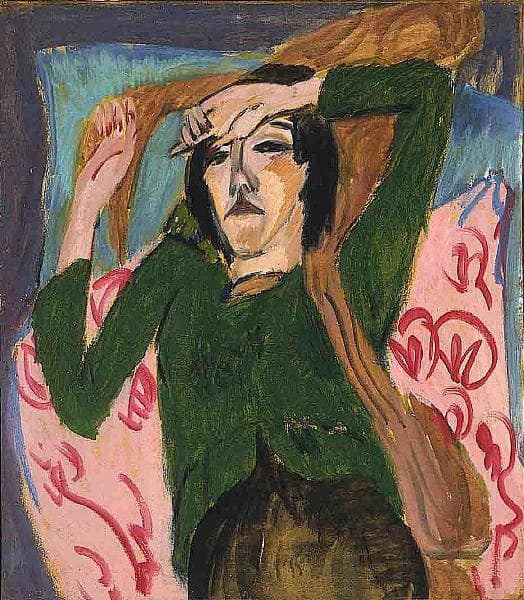
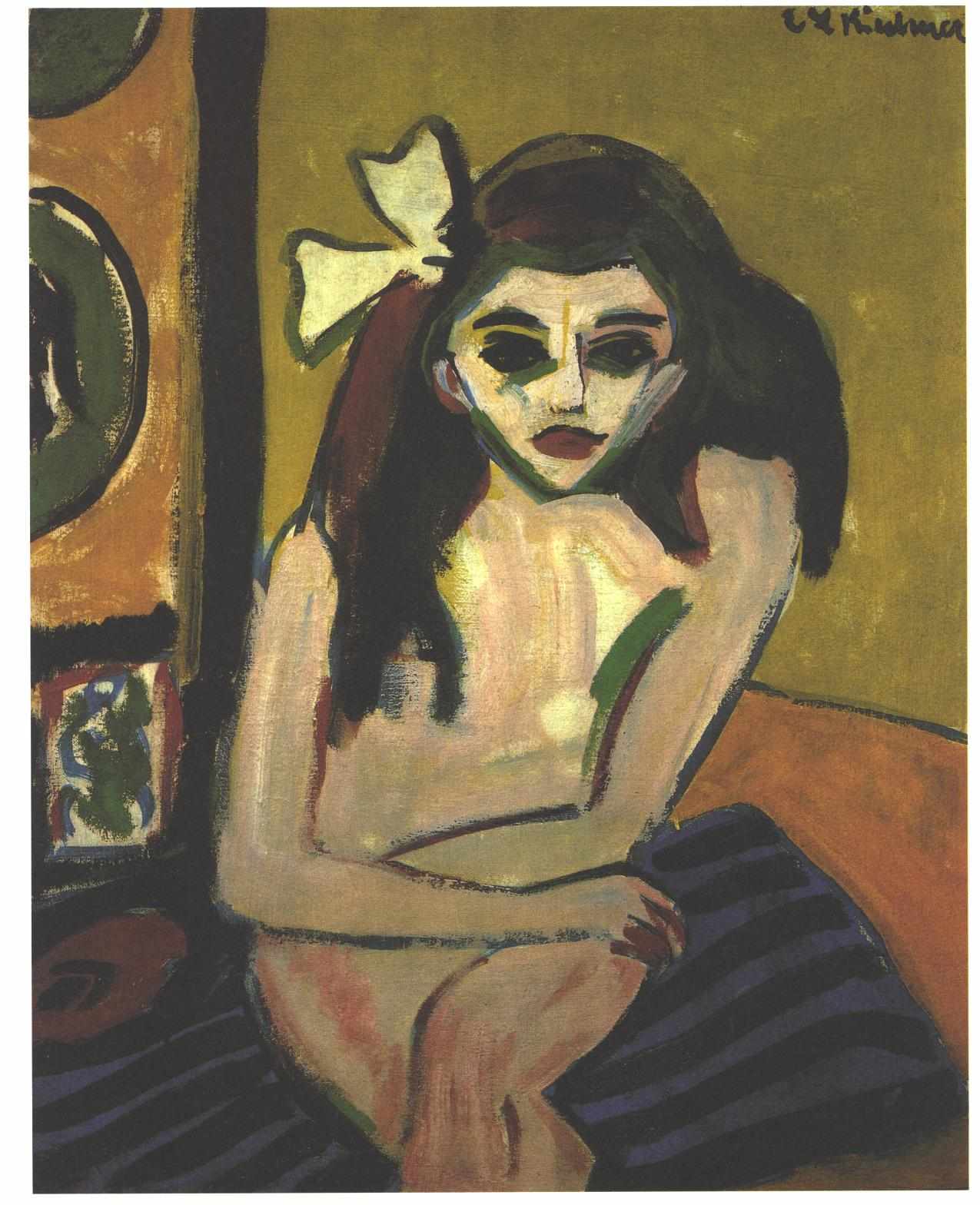
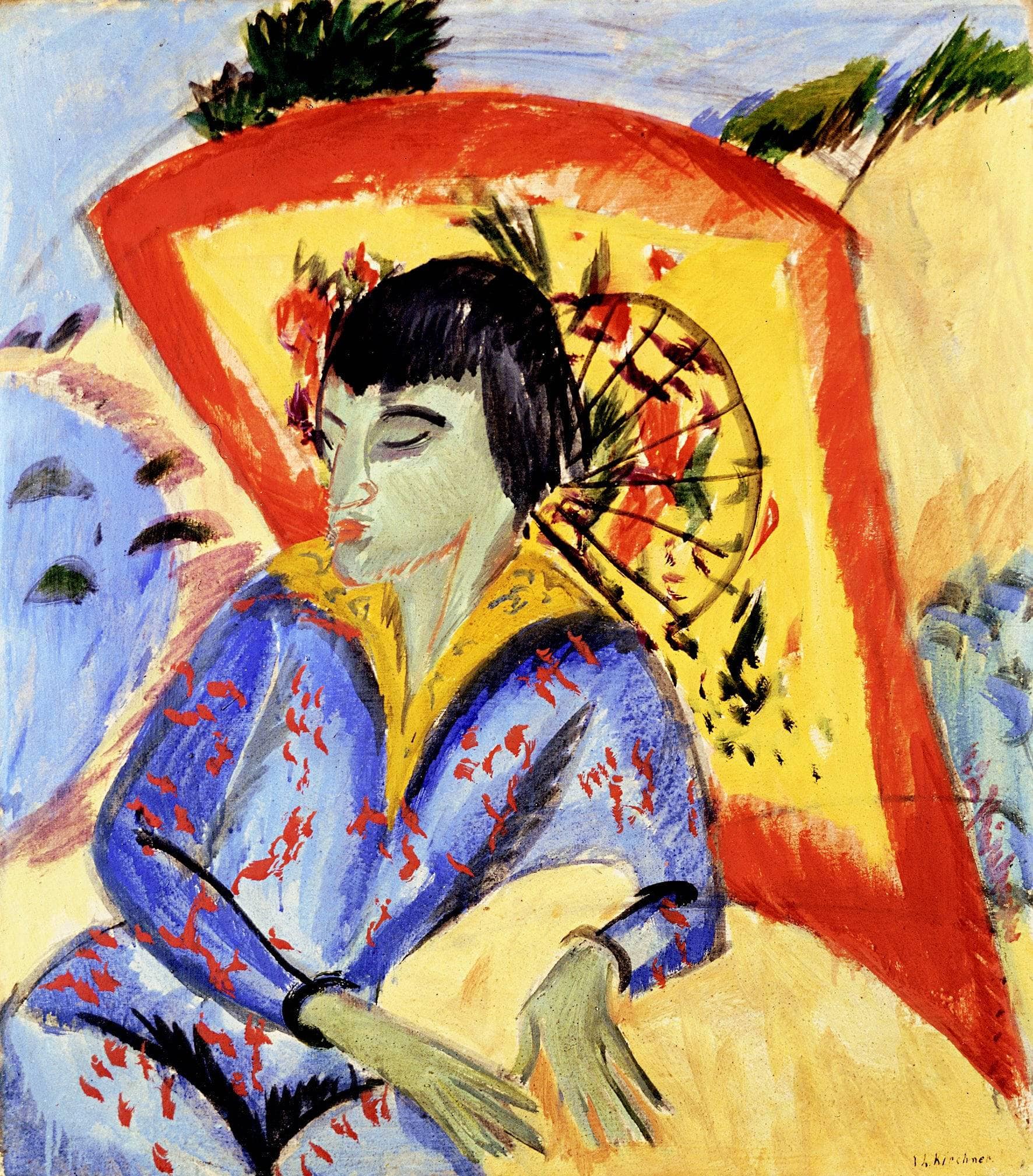
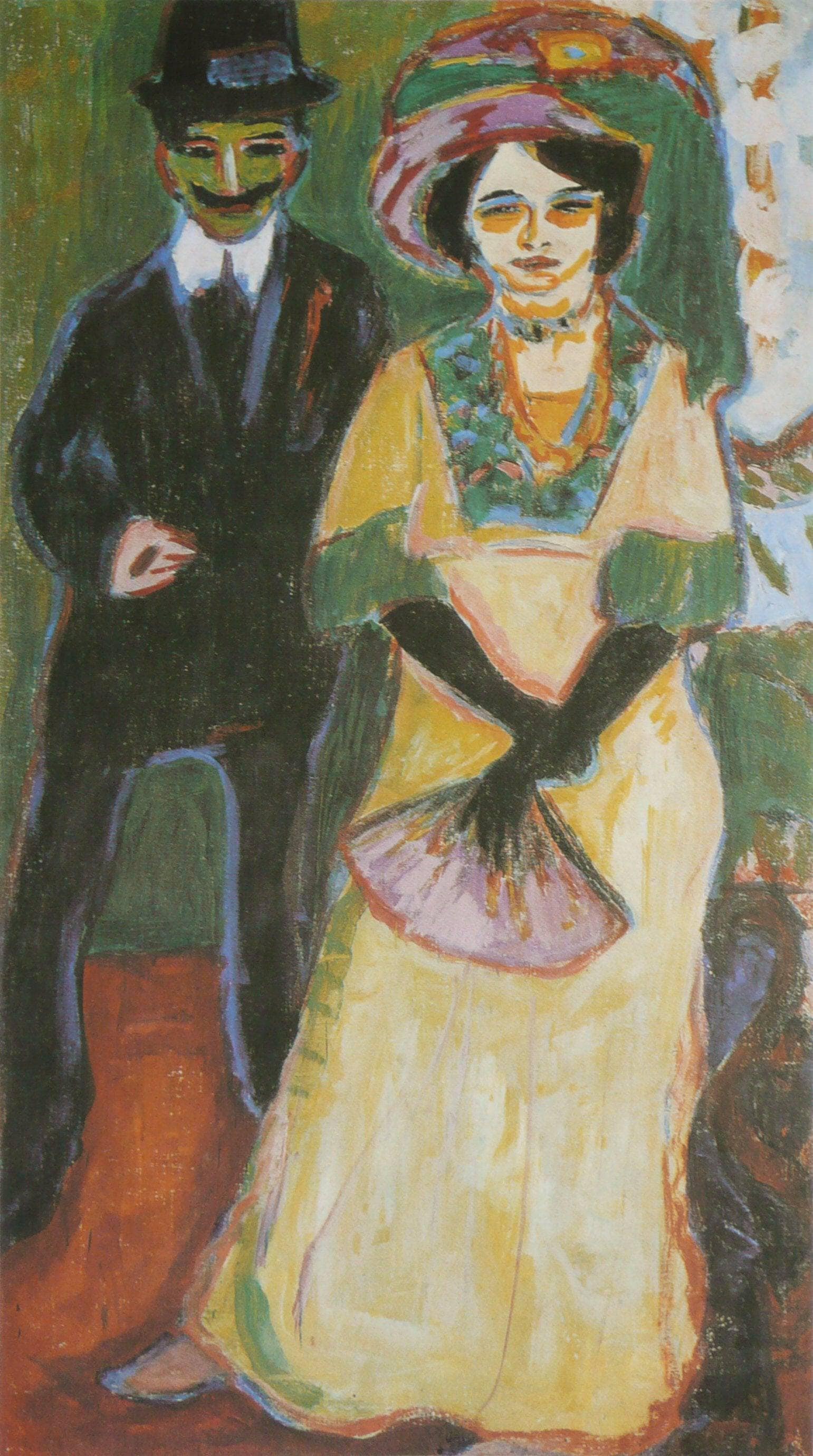
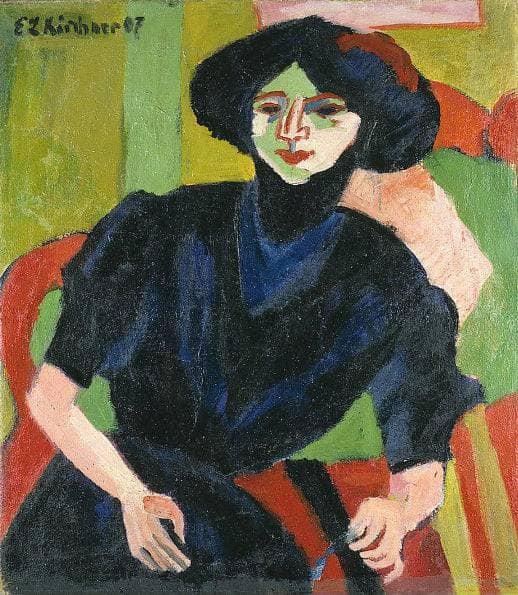
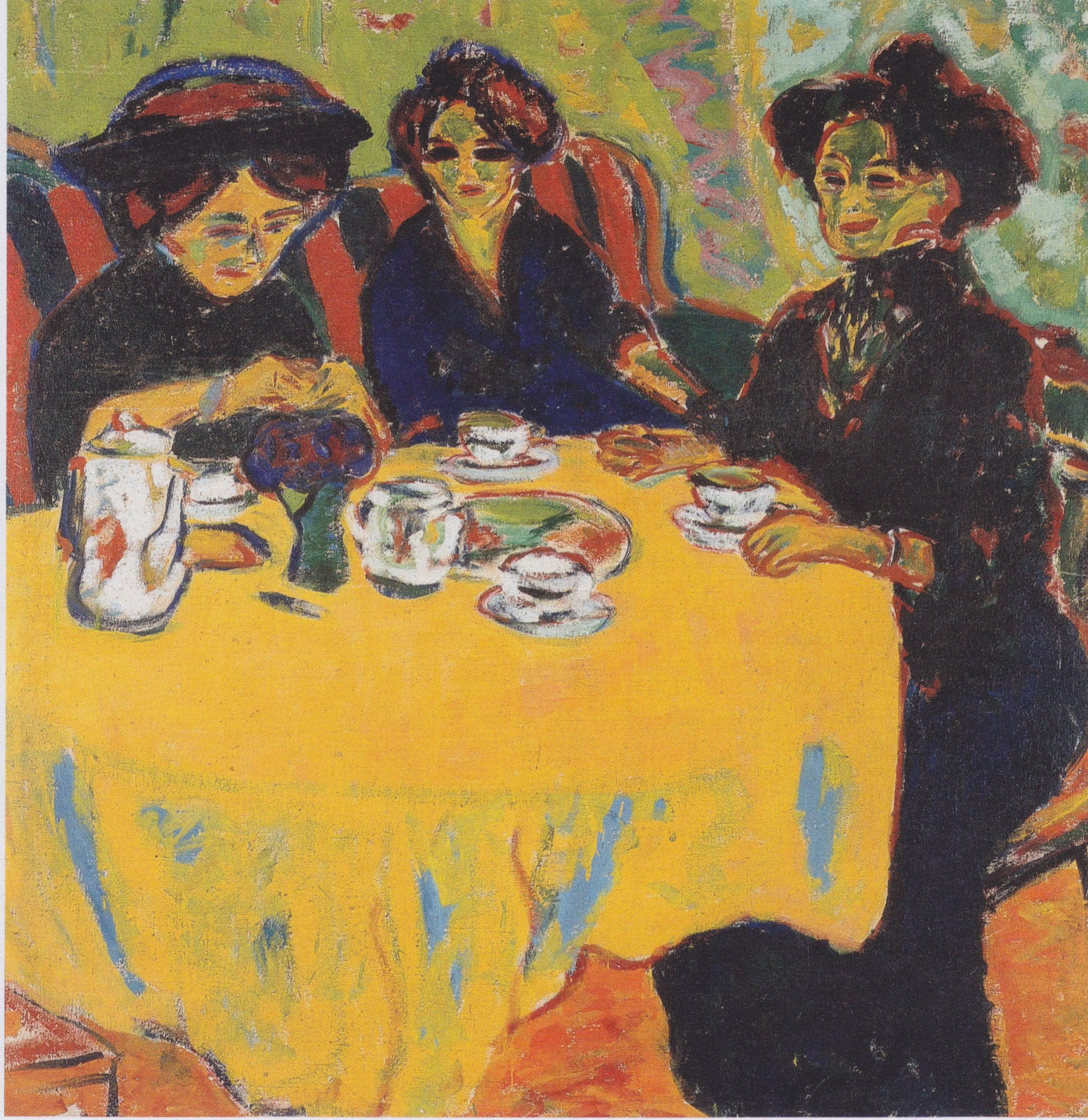
In "Coffee Drinking Women," Kirchner employs a striking color palette that captures the viewer's attention. The vibrant reds, deep blues, and lively yellows create a dynamic atmosphere. This bold use of color not only enhances the emotional intensity of the scene but also reflects the energy of urban life in early 20th-century Berlin.
Brushwork Techniques: Capturing Emotion Through Strokes
Kirchner's brushwork is both expressive and deliberate. He uses thick, visible strokes to convey movement and emotion. This technique allows the viewer to feel the energy of the moment, as if they are part of the lively café scene. The texture of the paint adds depth, inviting closer inspection of the figures and their interactions.
Figures and Forms: The Representation of Women in Art
The women in "Coffee Drinking Women" are depicted with exaggerated forms and bold outlines. Kirchner's portrayal challenges traditional representations of femininity. Instead of idealized beauty, he presents women as complex individuals engaged in social rituals. This approach highlights their strength and independence in a rapidly changing society.
Thematic Elements in Coffee Drinking Women
Social Commentary: Women in Urban Life
Kirchner's painting serves as a social commentary on the role of women in urban life. The café setting symbolizes a space where women can assert their independence and engage in social interactions. This reflects the broader changes in society during the early 1900s, as women began to carve out their own identities outside the domestic sphere.
Intimacy and Connection: The Dynamics of Female Relationships
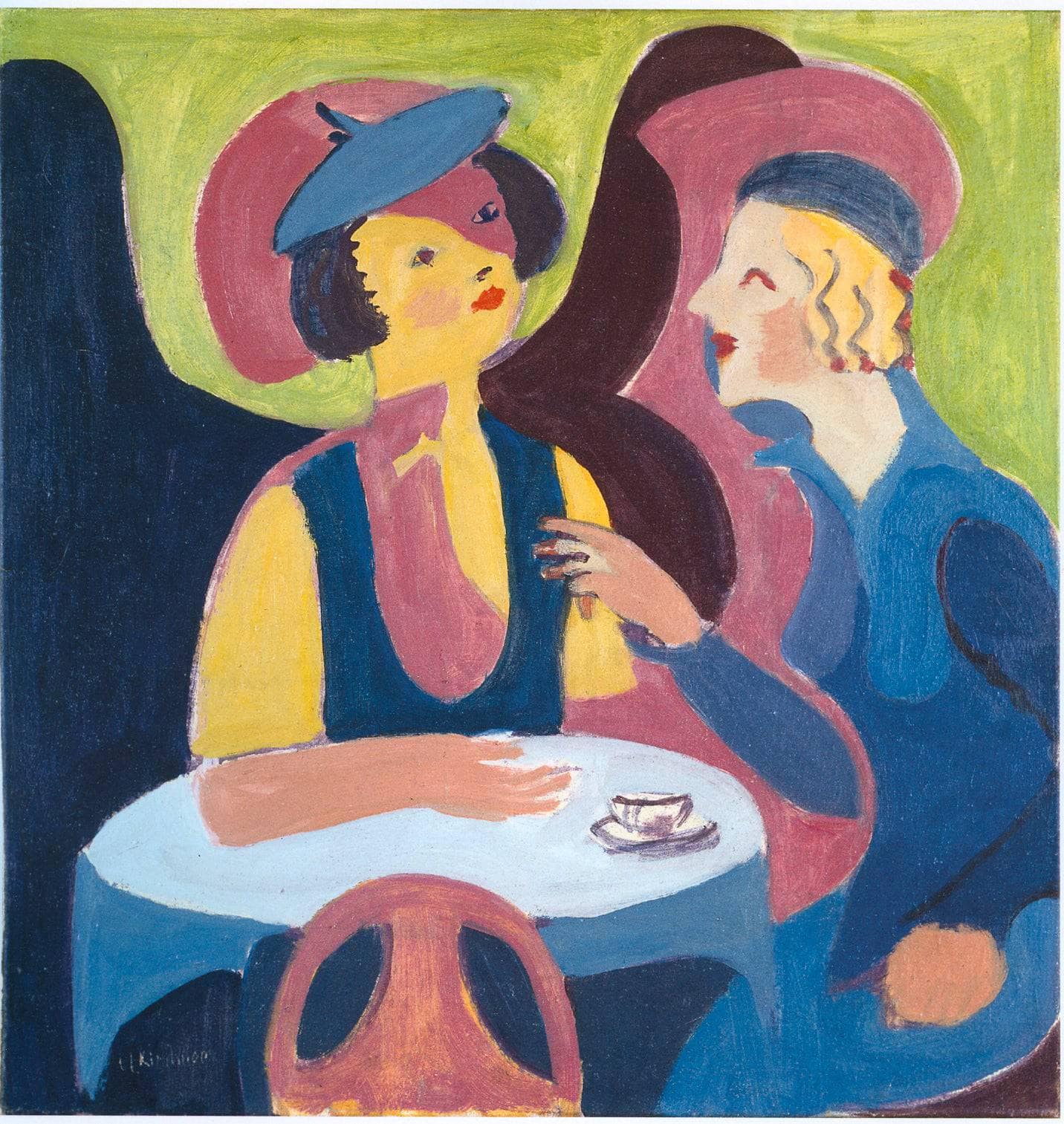
The interactions between the women in the painting reveal a sense of intimacy and connection. Their expressions and body language suggest a shared understanding and camaraderie. Kirchner captures the essence of female friendships, emphasizing the importance of these relationships in navigating the complexities of modern life.
Leisure and Modernity: A Reflection of Early 20th Century Society
"Coffee Drinking Women" reflects the leisure culture that emerged in urban centers during the early 20th century. Cafés became popular social hubs where people gathered to relax and converse. Kirchner's work encapsulates this modernity, showcasing how leisure activities were intertwined with the evolving social landscape.
Symbolism and Interpretation in Kirchner's Work
Understanding the Symbolism of Coffee and Social Rituals
Coffee serves as a powerful symbol in Kirchner's painting. It represents not just a beverage but a social ritual that fosters connection and conversation. The act of drinking coffee becomes a metaphor for the exchange of ideas and the forging of relationships in a bustling urban environment.
Interpreting the Expressions: What the Faces Reveal
The expressions of the women in "Coffee Drinking Women" are rich with emotion. Each face tells a story, revealing feelings of joy, contemplation, and camaraderie. Kirchner's ability to capture these nuances invites viewers to engage with the painting on a personal level, prompting reflection on their own experiences.
Contrasts and Juxtapositions: Light vs. Shadow in the Painting
Kirchner masterfully uses contrasts of light and shadow to enhance the drama of the scene. The interplay between bright highlights and deep shadows creates a sense of depth and movement. This technique not only adds visual interest but also emphasizes the emotional weight of the moment.
The Historical Context of Coffee Drinking Women
Berlin in the Early 1900s: A Cultural Melting Pot
During the early 1900s, Berlin was a vibrant cultural hub, attracting artists, intellectuals, and thinkers from around the world. This melting pot of ideas and influences shaped Kirchner's work. The city's dynamic atmosphere is palpable in "Coffee Drinking Women," where the café scene reflects the pulse of urban life.
The Role of Women in Society During Kirchner's Era
In Kirchner's time, women were beginning to challenge traditional roles. The suffrage movement gained momentum, and women sought greater independence. Kirchner's portrayal of women in social settings highlights their evolving status and the changing dynamics of gender roles in society.
Artistic Influences: The Impact of Fauvism and Cubism
Kirchner was influenced by various artistic movements, including Fauvism and Cubism. The bold colors and emotional intensity of Fauvism can be seen in his work, while the fragmented forms of Cubism inform his unique style. These influences helped Kirchner develop a distinctive voice within the Expressionist movement.
Legacy and Influence of Coffee Drinking Women
How Kirchner's Work Influenced Future Generations of Artists
Kirchner's innovative approach to color and form has left a lasting impact on modern art. His ability to convey emotion through bold strokes and vibrant palettes inspired countless artists. The themes of urban life and female empowerment continue to resonate in contemporary art.
Exhibitions and Collections: Where to See the Original Painting
The original "Coffee Drinking Women" is housed in prestigious collections, including the Museum of Modern Art in New York. Art enthusiasts can view this masterpiece in person, experiencing the vibrant colors and emotional depth that Kirchner intended. Exhibitions often showcase his work alongside other Expressionist artists, providing context to his contributions.
Art Criticism: Reception of Coffee Drinking Women Over Time
Since its creation, "Coffee Drinking Women" has garnered significant attention from art critics. Initially, some viewed Kirchner's style as radical, but over time, appreciation for his emotional depth and innovative techniques has grown. Today, the painting is celebrated as a key work in the Expressionist canon.
FAQs About Coffee Drinking Women by Ernst Ludwig Kirchner
What is the significance of the coffee ritual in the painting?
The coffee ritual symbolizes social connection and the importance of community in urban life. It reflects how women engage in meaningful conversations and relationships.
How does Kirchner's style reflect the emotions of the subjects?
Kirchner's expressive brushwork and bold colors convey the emotional states of the women. Their faces and body language reveal a range of feelings, from joy to contemplation.
What are the main themes explored in Coffee Drinking Women?
The painting explores themes of female empowerment, social connection, and the dynamics of urban life. It highlights the evolving role of women in society during Kirchner's time.
In what ways does this painting represent the modern woman?
"Coffee Drinking Women" portrays women as independent and engaged in social activities. It reflects their growing presence in public life and challenges traditional gender roles.
What historical events influenced Kirchner's work?
The rise of the suffrage movement and the cultural shifts in early 20th-century Berlin significantly influenced Kirchner's work. These events shaped his portrayal of women and urban life.
How can I appreciate the nuances of this painting?
To appreciate the nuances, observe the expressions, colors, and brushwork. Consider the social context and the emotions conveyed through the figures' interactions.
What should I know about reproductions of Coffee Drinking Women?
Art reproductions of "Coffee Drinking Women" offer a superior alternative to prints. They capture the texture and vibrancy of the original painting, allowing art lovers to enjoy Kirchner's work in their own homes. Investing in a high-quality reproduction can enhance your space and provide a deeper connection to this iconic piece.
Product Information
Product Information
Shipping & Returns
Shipping & Returns
Description
Exploring the Vibrant World of Coffee Drinking Women by Ernst Ludwig Kirchner
Introduction to Kirchner's Artistic Vision
The Expressionist Movement and Its Impact
Ernst Ludwig Kirchner was a pivotal figure in the Expressionist movement, which emerged in the early 20th century. This movement sought to convey emotional experiences rather than physical reality. Kirchner's work often reflects the tumultuous feelings of urban life, showcasing the struggles and joys of modern existence.
Ernst Ludwig Kirchner: A Brief Biography
Born in 1880 in Aschaffenburg, Germany, Kirchner became a founding member of the Die Brücke (The Bridge) group in 1905. This collective aimed to create a new artistic language that broke away from traditional norms. Kirchner's life was marked by personal challenges, including mental health struggles, which deeply influenced his art. He passed away in 1938, leaving behind a legacy that continues to inspire artists today.
Unpacking the Composition of Coffee Drinking Women
Color Palette: The Bold Use of Color in Kirchner's Work
In "Coffee Drinking Women," Kirchner employs a striking color palette that captures the viewer's attention. The vibrant reds, deep blues, and lively yellows create a dynamic atmosphere. This bold use of color not only enhances the emotional intensity of the scene but also reflects the energy of urban life in early 20th-century Berlin.
Brushwork Techniques: Capturing Emotion Through Strokes
Kirchner's brushwork is both expressive and deliberate. He uses thick, visible strokes to convey movement and emotion. This technique allows the viewer to feel the energy of the moment, as if they are part of the lively café scene. The texture of the paint adds depth, inviting closer inspection of the figures and their interactions.
Figures and Forms: The Representation of Women in Art
The women in "Coffee Drinking Women" are depicted with exaggerated forms and bold outlines. Kirchner's portrayal challenges traditional representations of femininity. Instead of idealized beauty, he presents women as complex individuals engaged in social rituals. This approach highlights their strength and independence in a rapidly changing society.
Thematic Elements in Coffee Drinking Women
Social Commentary: Women in Urban Life
Kirchner's painting serves as a social commentary on the role of women in urban life. The café setting symbolizes a space where women can assert their independence and engage in social interactions. This reflects the broader changes in society during the early 1900s, as women began to carve out their own identities outside the domestic sphere.
Intimacy and Connection: The Dynamics of Female Relationships
The interactions between the women in the painting reveal a sense of intimacy and connection. Their expressions and body language suggest a shared understanding and camaraderie. Kirchner captures the essence of female friendships, emphasizing the importance of these relationships in navigating the complexities of modern life.
Leisure and Modernity: A Reflection of Early 20th Century Society
"Coffee Drinking Women" reflects the leisure culture that emerged in urban centers during the early 20th century. Cafés became popular social hubs where people gathered to relax and converse. Kirchner's work encapsulates this modernity, showcasing how leisure activities were intertwined with the evolving social landscape.
Symbolism and Interpretation in Kirchner's Work
Understanding the Symbolism of Coffee and Social Rituals
Coffee serves as a powerful symbol in Kirchner's painting. It represents not just a beverage but a social ritual that fosters connection and conversation. The act of drinking coffee becomes a metaphor for the exchange of ideas and the forging of relationships in a bustling urban environment.
Interpreting the Expressions: What the Faces Reveal
The expressions of the women in "Coffee Drinking Women" are rich with emotion. Each face tells a story, revealing feelings of joy, contemplation, and camaraderie. Kirchner's ability to capture these nuances invites viewers to engage with the painting on a personal level, prompting reflection on their own experiences.
Contrasts and Juxtapositions: Light vs. Shadow in the Painting
Kirchner masterfully uses contrasts of light and shadow to enhance the drama of the scene. The interplay between bright highlights and deep shadows creates a sense of depth and movement. This technique not only adds visual interest but also emphasizes the emotional weight of the moment.
The Historical Context of Coffee Drinking Women
Berlin in the Early 1900s: A Cultural Melting Pot
During the early 1900s, Berlin was a vibrant cultural hub, attracting artists, intellectuals, and thinkers from around the world. This melting pot of ideas and influences shaped Kirchner's work. The city's dynamic atmosphere is palpable in "Coffee Drinking Women," where the café scene reflects the pulse of urban life.
The Role of Women in Society During Kirchner's Era
In Kirchner's time, women were beginning to challenge traditional roles. The suffrage movement gained momentum, and women sought greater independence. Kirchner's portrayal of women in social settings highlights their evolving status and the changing dynamics of gender roles in society.
Artistic Influences: The Impact of Fauvism and Cubism
Kirchner was influenced by various artistic movements, including Fauvism and Cubism. The bold colors and emotional intensity of Fauvism can be seen in his work, while the fragmented forms of Cubism inform his unique style. These influences helped Kirchner develop a distinctive voice within the Expressionist movement.
Legacy and Influence of Coffee Drinking Women
How Kirchner's Work Influenced Future Generations of Artists
Kirchner's innovative approach to color and form has left a lasting impact on modern art. His ability to convey emotion through bold strokes and vibrant palettes inspired countless artists. The themes of urban life and female empowerment continue to resonate in contemporary art.
Exhibitions and Collections: Where to See the Original Painting
The original "Coffee Drinking Women" is housed in prestigious collections, including the Museum of Modern Art in New York. Art enthusiasts can view this masterpiece in person, experiencing the vibrant colors and emotional depth that Kirchner intended. Exhibitions often showcase his work alongside other Expressionist artists, providing context to his contributions.
Art Criticism: Reception of Coffee Drinking Women Over Time
Since its creation, "Coffee Drinking Women" has garnered significant attention from art critics. Initially, some viewed Kirchner's style as radical, but over time, appreciation for his emotional depth and innovative techniques has grown. Today, the painting is celebrated as a key work in the Expressionist canon.
FAQs About Coffee Drinking Women by Ernst Ludwig Kirchner
What is the significance of the coffee ritual in the painting?
The coffee ritual symbolizes social connection and the importance of community in urban life. It reflects how women engage in meaningful conversations and relationships.
How does Kirchner's style reflect the emotions of the subjects?
Kirchner's expressive brushwork and bold colors convey the emotional states of the women. Their faces and body language reveal a range of feelings, from joy to contemplation.
What are the main themes explored in Coffee Drinking Women?
The painting explores themes of female empowerment, social connection, and the dynamics of urban life. It highlights the evolving role of women in society during Kirchner's time.
In what ways does this painting represent the modern woman?
"Coffee Drinking Women" portrays women as independent and engaged in social activities. It reflects their growing presence in public life and challenges traditional gender roles.
What historical events influenced Kirchner's work?
The rise of the suffrage movement and the cultural shifts in early 20th-century Berlin significantly influenced Kirchner's work. These events shaped his portrayal of women and urban life.
How can I appreciate the nuances of this painting?
To appreciate the nuances, observe the expressions, colors, and brushwork. Consider the social context and the emotions conveyed through the figures' interactions.
What should I know about reproductions of Coffee Drinking Women?
Art reproductions of "Coffee Drinking Women" offer a superior alternative to prints. They capture the texture and vibrancy of the original painting, allowing art lovers to enjoy Kirchner's work in their own homes. Investing in a high-quality reproduction can enhance your space and provide a deeper connection to this iconic piece.