Marcella
Discovering Marcella: A Masterpiece by Ernst Ludwig Kirchner
The Artistic Vision of Ernst Ludwig Kirchner
Exploring Kirchner's Expressionist Style
Ernst Ludwig Kirchner, a pivotal figure in the German Expressionist movement, created art that vibrates with emotional intensity. His work often reflects a deep connection to the human experience, showcasing raw feelings through bold colors and dynamic forms. Kirchner's unique approach to expressionism emphasizes the psychological depth of his subjects, making each piece a window into the soul.
Influences of German Expressionism on Kirchner's Work
Kirchner was heavily influenced by the cultural shifts in early 20th-century Germany. The rise of urban life and the complexities of modern existence shaped his artistic vision. He drew inspiration from the vibrant streets of Berlin, the beauty of nature, and the struggles of the individual, all of which are evident in his iconic painting, Marcella.
Unveiling the Subject: Who is Marcella?
The Model Behind the Canvas: A Deep Dive into Marcella's Identity
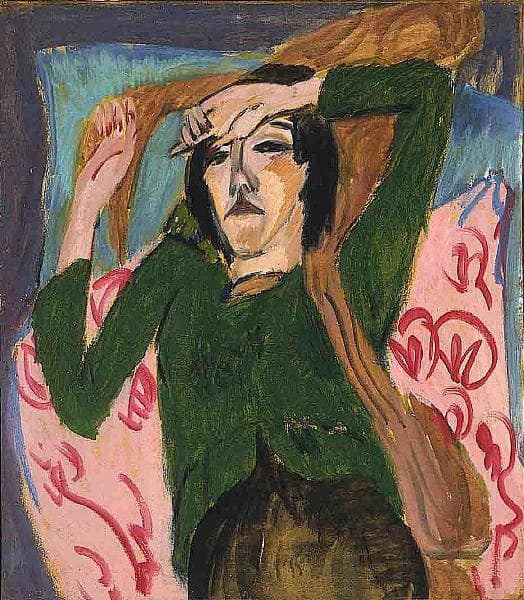
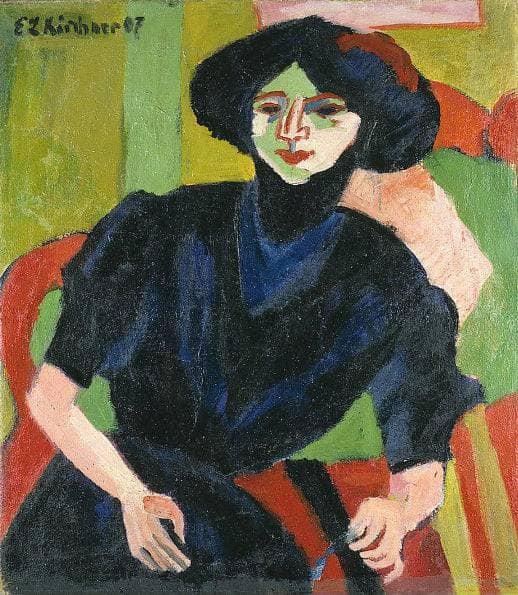
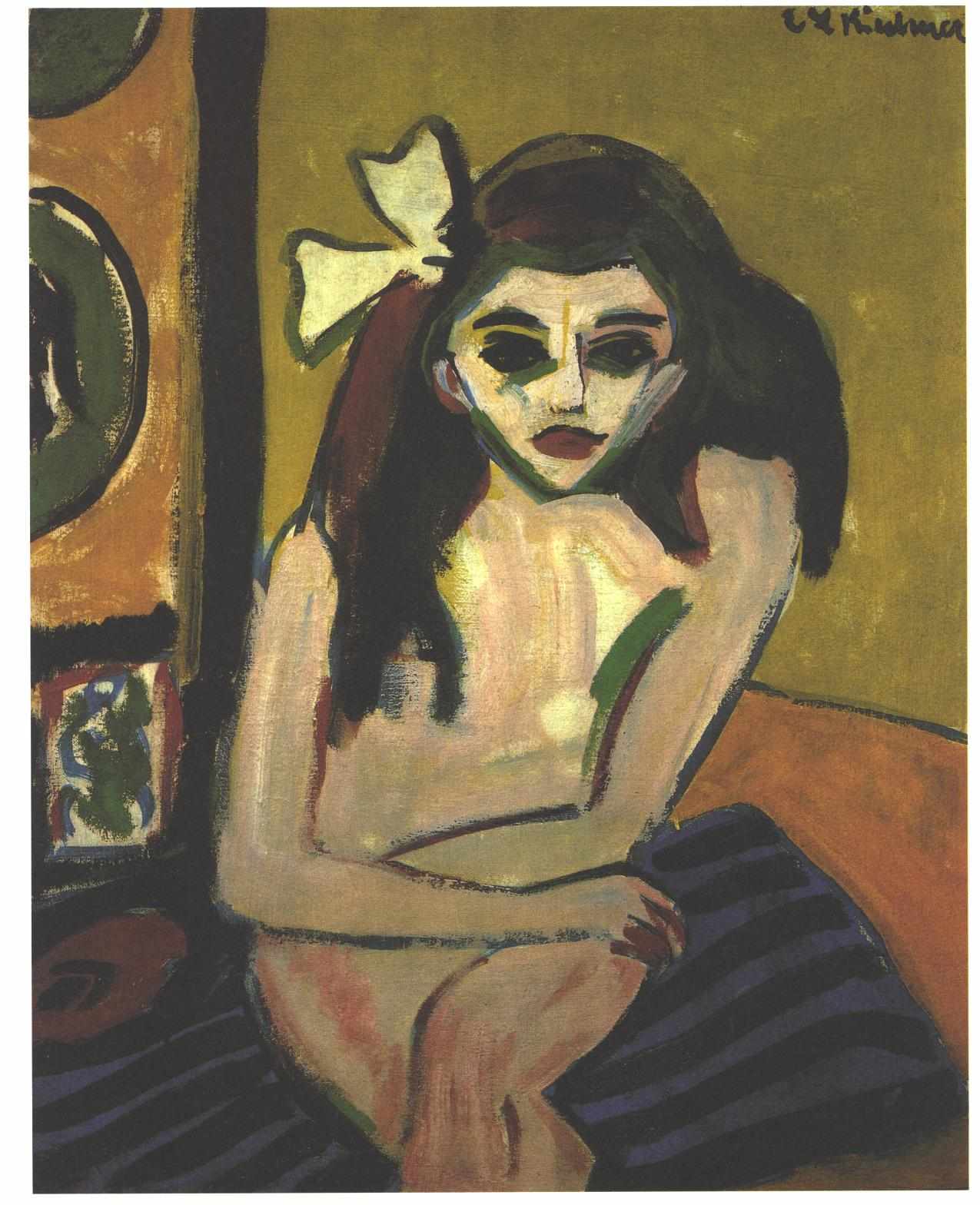
Marcella, the captivating subject of Kirchner's painting, was a close friend and model for the artist. Her identity is intertwined with Kirchner's exploration of femininity and modernity. While little is known about her personal life, her presence in the artwork symbolizes the evolving role of women in society during this transformative period.
Symbolism and Significance of the Female Figure in Kirchner's Art
In Kirchner's work, the female figure often embodies strength and vulnerability. Marcella represents the modern woman, navigating the complexities of urban life. Her portrayal challenges traditional gender roles, reflecting the broader themes of liberation and individuality that were emerging in early 20th-century art.
Color Palette and Techniques: The Vibrant World of Kirchner
Analyzing the Bold Colors and Brushwork in Marcella
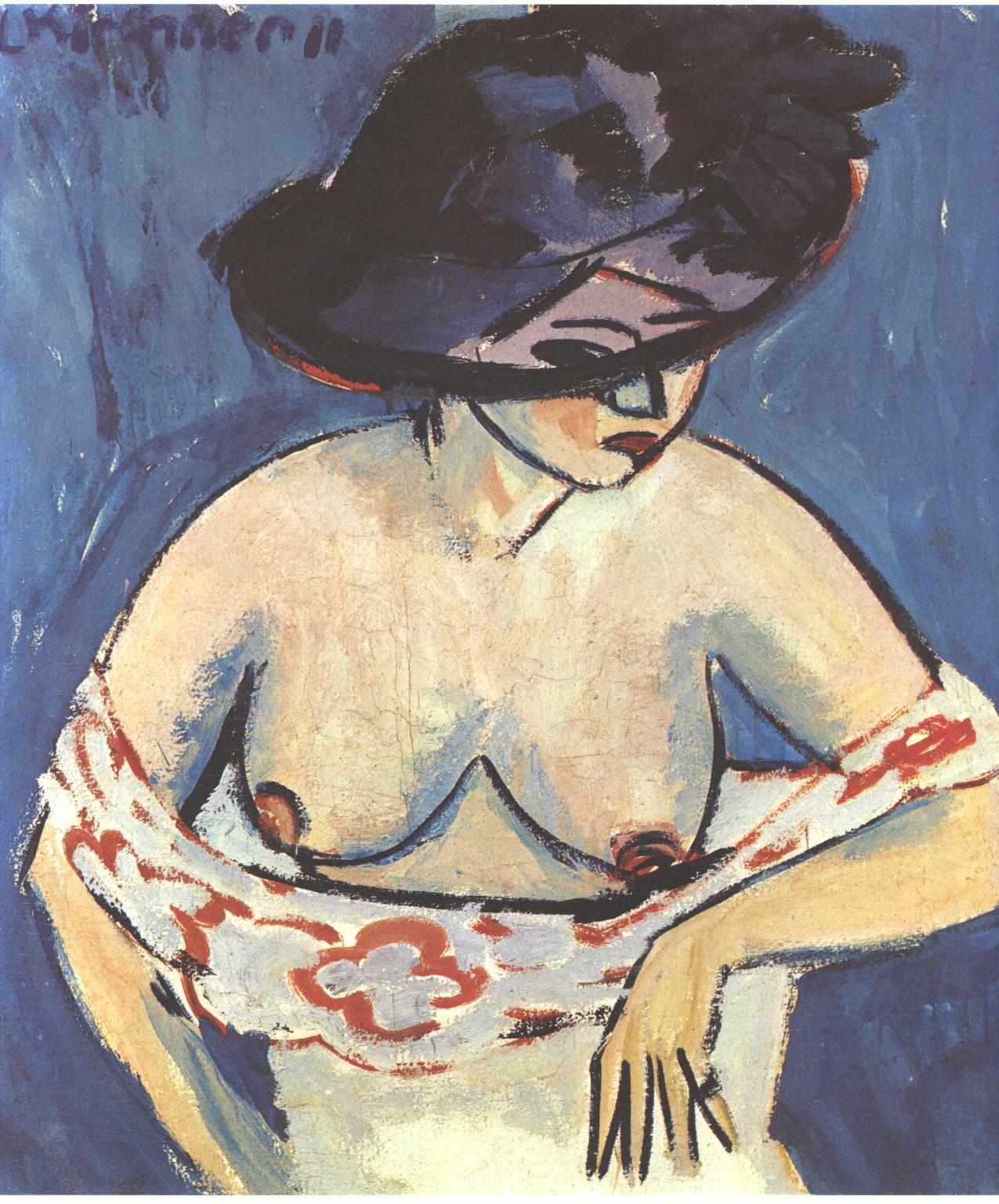
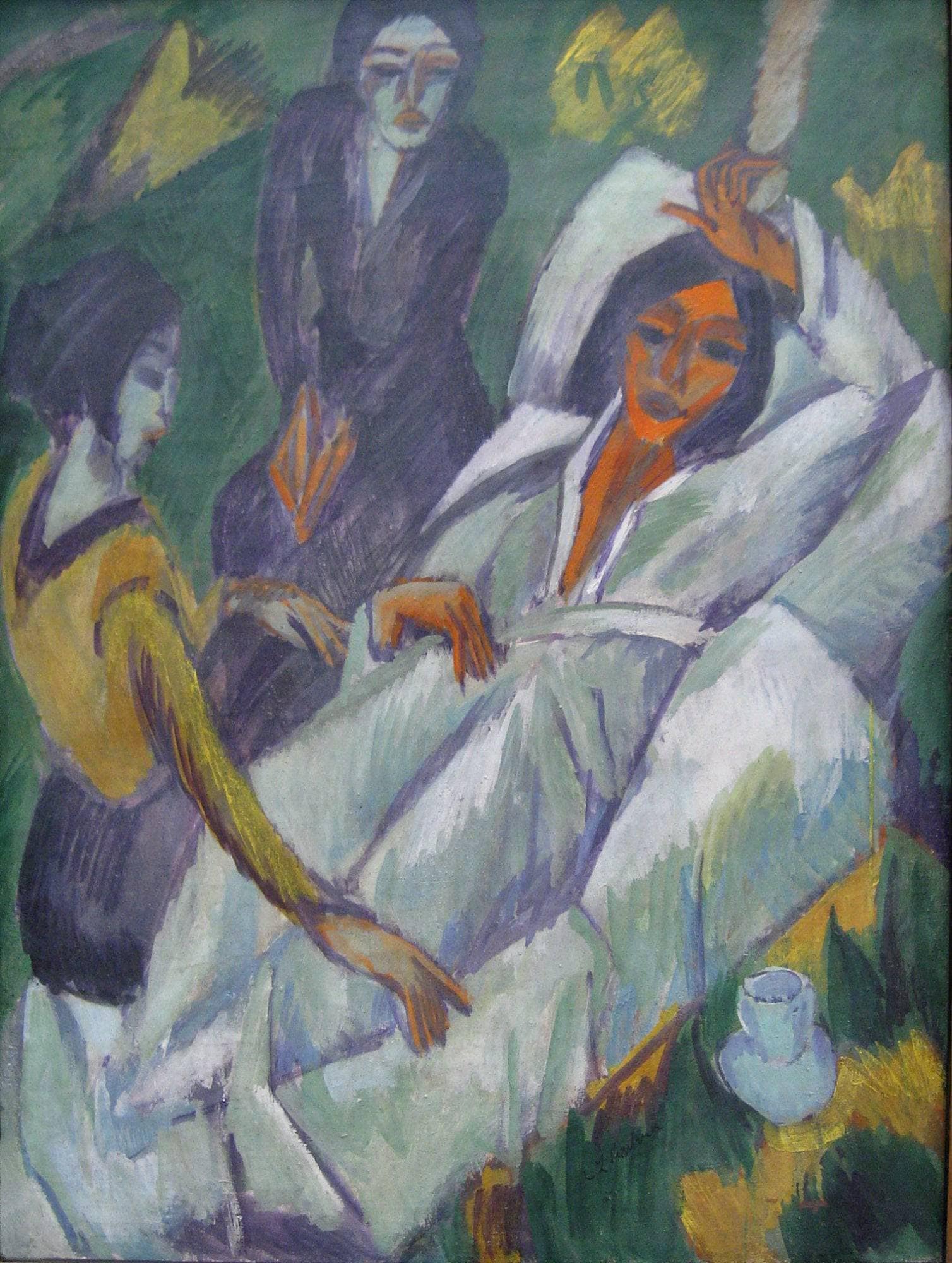
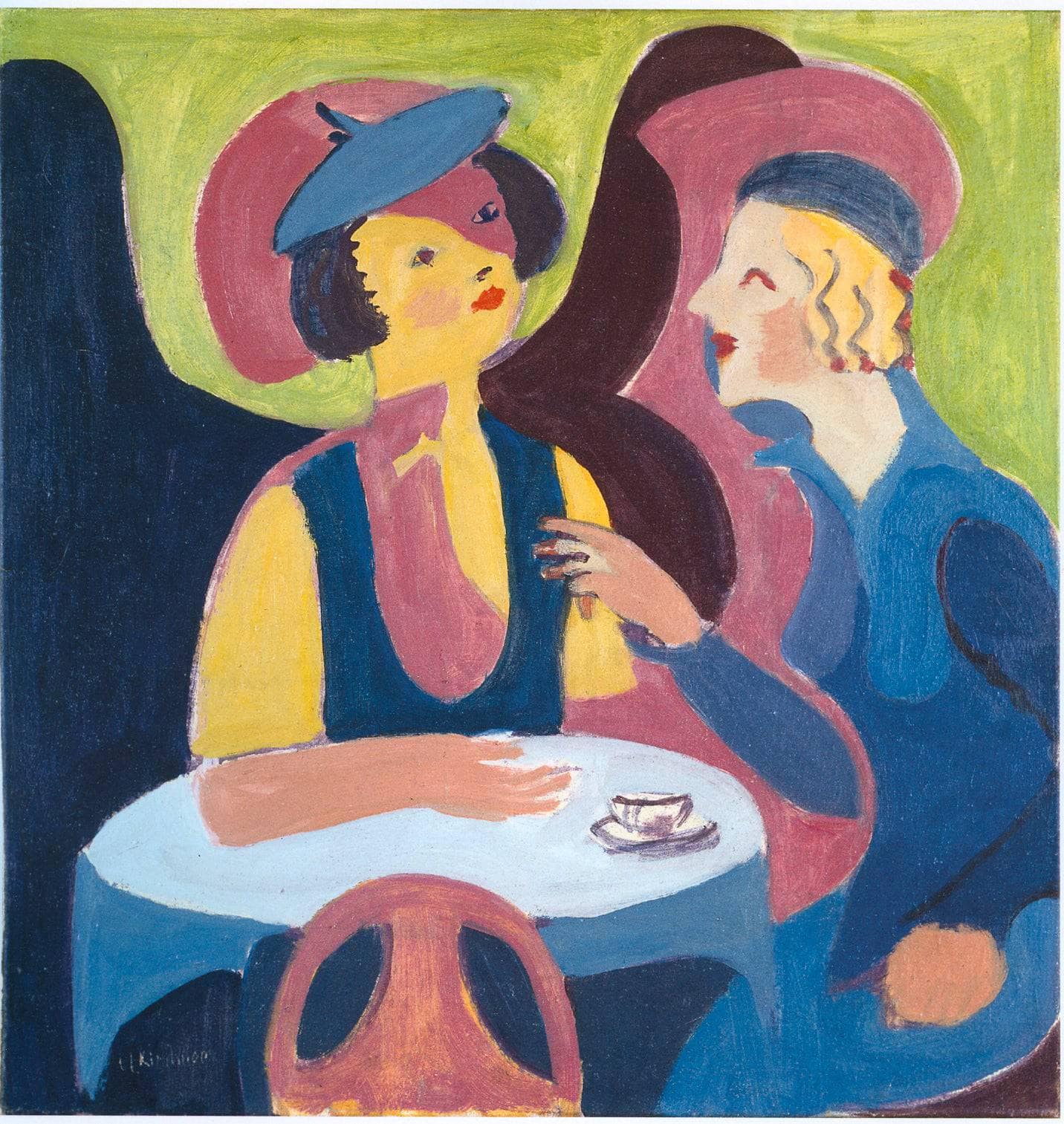
Kirchner's use of a vivid color palette in Marcella is striking. He employs rich reds, deep blues, and vibrant greens to create a sense of energy and movement. The brushwork is expressive and spontaneous, capturing the essence of Marcella's character and the emotional landscape of the scene.
How Kirchner's Technique Captures Emotion and Movement
Through his innovative techniques, Kirchner conveys a sense of immediacy and dynamism. The fluid lines and energetic strokes evoke a feeling of life and motion, allowing viewers to connect with the emotional core of the painting. This technique enhances the viewer's experience, drawing them into Marcella's world.
The Historical Context of Marcella: Art in Early 20th Century Germany
Understanding the Socio-Political Climate During Kirchner's Era
The early 20th century was a time of great change in Germany. The aftermath of World War I, along with rapid industrialization, created a complex socio-political landscape. Artists like Kirchner responded to these changes by exploring themes of alienation, identity, and modernity in their work, making Marcella a reflection of its time.
The Role of Art in Expressing Modernity and Individualism
Art became a powerful medium for expressing the spirit of modernity. Kirchner's Marcella captures the essence of individualism, showcasing the inner life of its subject against the backdrop of a rapidly changing society. This painting serves as a testament to the role of art in articulating personal and collective experiences during this era.
Marcella's Place in Kirchner's Artistic Journey
Comparative Analysis: Marcella and Other Notable Works by Kirchner
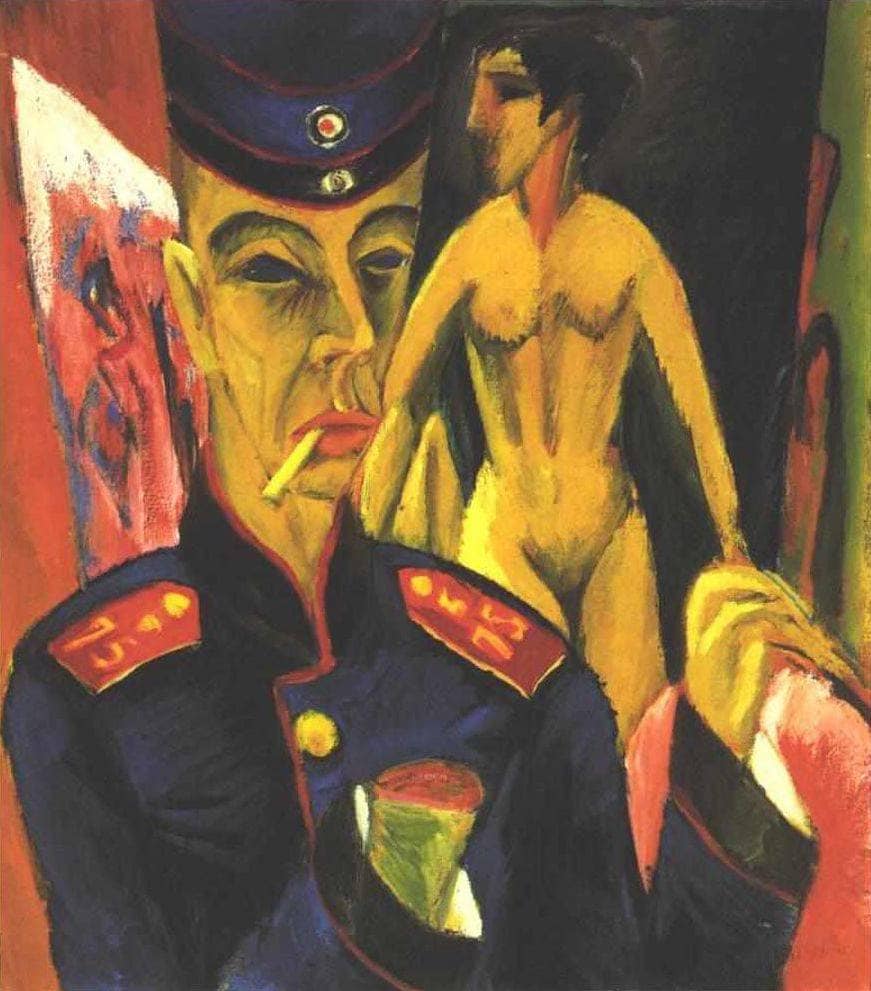
Marcella stands out among Kirchner's oeuvre, showcasing his evolution as an artist. Compared to earlier works, this painting reflects a more mature understanding of color and form. It shares thematic connections with other pieces, such as "Self-Portrait as a Soldier," yet offers a unique perspective on femininity and modern life.
The Evolution of Kirchner's Style: From Early Works to Marcella
Kirchner's style evolved significantly throughout his career. Early works display a more rigid structure, while Marcella reveals a freer, more expressive approach. This evolution mirrors Kirchner's personal journey and his response to the changing world around him, making Marcella a pivotal piece in understanding his artistic development.
Emotional Resonance: What Marcella Conveys to the Viewer
Interpreting the Mood and Atmosphere of the Painting
Marcella evokes a complex emotional response. The interplay of colors and forms creates a mood that is both vibrant and introspective. Viewers may feel a sense of connection to Marcella's inner world, as the painting invites them to explore themes of identity, freedom, and the human experience.
The Impact of Marcella on Contemporary Viewers and Art Lovers
Today, Marcella continues to resonate with art lovers and contemporary audiences. Its exploration of modernity and individuality speaks to ongoing conversations about gender and identity. The painting's emotional depth and striking visual language make it a timeless piece that captivates viewers across generations.
FAQs About Marcella by Ernst Ludwig Kirchner
What is the story behind the painting Marcella?
Marcella was painted during a time of personal and artistic exploration for Kirchner. The model, a close friend, embodies the modern woman, reflecting the changing societal roles of women in early 20th-century Germany.
How does Marcella reflect the themes of expressionism?
Marcella captures the essence of expressionism through its bold colors, emotional depth, and dynamic forms. The painting conveys the psychological state of its subject, inviting viewers to engage with the emotional landscape of the artwork.
What techniques did Kirchner use in creating Marcella?
Kirchner employed a combination of vibrant colors and expressive brushwork in Marcella. His technique emphasizes movement and emotion, allowing the viewer to feel the energy of the scene.
In what ways does Marcella differ from Kirchner's other works?
Marcella showcases a more mature and expressive style compared to Kirchner's earlier works. It focuses on the female figure and modernity, offering a unique perspective that sets it apart from his other pieces.
What emotions does Marcella evoke in its viewers?
Marcella evokes a range of emotions, including introspection, admiration, and connection. The painting's vibrant colors and dynamic composition invite viewers to explore their own feelings and interpretations.
How can I appreciate the details in Marcella more deeply?
To appreciate Marcella more deeply, take time to observe the interplay of colors and brushstrokes. Consider the emotional context of the painting and how it reflects the themes of modernity and individuality.
What should I know about reproductions of Marcella?
Art reproductions of Marcella offer a superior alternative to prints. They capture the texture and vibrancy of the original painting, allowing art lovers to experience Kirchner's work in a more authentic way. Investing in a high-quality reproduction can enhance your appreciation of this masterpiece.
Are there any notable exhibitions featuring Marcella?
Marcella has been featured in various exhibitions celebrating German Expressionism. These exhibitions often highlight Kirchner's contributions to modern art and the significance of his work in the context of early 20th-century culture.
Original: $299.95
-70%$299.95
$89.98Product Information
Product Information
Shipping & Returns
Shipping & Returns
Description
Discovering Marcella: A Masterpiece by Ernst Ludwig Kirchner
The Artistic Vision of Ernst Ludwig Kirchner
Exploring Kirchner's Expressionist Style
Ernst Ludwig Kirchner, a pivotal figure in the German Expressionist movement, created art that vibrates with emotional intensity. His work often reflects a deep connection to the human experience, showcasing raw feelings through bold colors and dynamic forms. Kirchner's unique approach to expressionism emphasizes the psychological depth of his subjects, making each piece a window into the soul.
Influences of German Expressionism on Kirchner's Work
Kirchner was heavily influenced by the cultural shifts in early 20th-century Germany. The rise of urban life and the complexities of modern existence shaped his artistic vision. He drew inspiration from the vibrant streets of Berlin, the beauty of nature, and the struggles of the individual, all of which are evident in his iconic painting, Marcella.
Unveiling the Subject: Who is Marcella?
The Model Behind the Canvas: A Deep Dive into Marcella's Identity
Marcella, the captivating subject of Kirchner's painting, was a close friend and model for the artist. Her identity is intertwined with Kirchner's exploration of femininity and modernity. While little is known about her personal life, her presence in the artwork symbolizes the evolving role of women in society during this transformative period.
Symbolism and Significance of the Female Figure in Kirchner's Art
In Kirchner's work, the female figure often embodies strength and vulnerability. Marcella represents the modern woman, navigating the complexities of urban life. Her portrayal challenges traditional gender roles, reflecting the broader themes of liberation and individuality that were emerging in early 20th-century art.
Color Palette and Techniques: The Vibrant World of Kirchner
Analyzing the Bold Colors and Brushwork in Marcella
Kirchner's use of a vivid color palette in Marcella is striking. He employs rich reds, deep blues, and vibrant greens to create a sense of energy and movement. The brushwork is expressive and spontaneous, capturing the essence of Marcella's character and the emotional landscape of the scene.
How Kirchner's Technique Captures Emotion and Movement
Through his innovative techniques, Kirchner conveys a sense of immediacy and dynamism. The fluid lines and energetic strokes evoke a feeling of life and motion, allowing viewers to connect with the emotional core of the painting. This technique enhances the viewer's experience, drawing them into Marcella's world.
The Historical Context of Marcella: Art in Early 20th Century Germany
Understanding the Socio-Political Climate During Kirchner's Era
The early 20th century was a time of great change in Germany. The aftermath of World War I, along with rapid industrialization, created a complex socio-political landscape. Artists like Kirchner responded to these changes by exploring themes of alienation, identity, and modernity in their work, making Marcella a reflection of its time.
The Role of Art in Expressing Modernity and Individualism
Art became a powerful medium for expressing the spirit of modernity. Kirchner's Marcella captures the essence of individualism, showcasing the inner life of its subject against the backdrop of a rapidly changing society. This painting serves as a testament to the role of art in articulating personal and collective experiences during this era.
Marcella's Place in Kirchner's Artistic Journey
Comparative Analysis: Marcella and Other Notable Works by Kirchner
Marcella stands out among Kirchner's oeuvre, showcasing his evolution as an artist. Compared to earlier works, this painting reflects a more mature understanding of color and form. It shares thematic connections with other pieces, such as "Self-Portrait as a Soldier," yet offers a unique perspective on femininity and modern life.
The Evolution of Kirchner's Style: From Early Works to Marcella
Kirchner's style evolved significantly throughout his career. Early works display a more rigid structure, while Marcella reveals a freer, more expressive approach. This evolution mirrors Kirchner's personal journey and his response to the changing world around him, making Marcella a pivotal piece in understanding his artistic development.
Emotional Resonance: What Marcella Conveys to the Viewer
Interpreting the Mood and Atmosphere of the Painting
Marcella evokes a complex emotional response. The interplay of colors and forms creates a mood that is both vibrant and introspective. Viewers may feel a sense of connection to Marcella's inner world, as the painting invites them to explore themes of identity, freedom, and the human experience.
The Impact of Marcella on Contemporary Viewers and Art Lovers
Today, Marcella continues to resonate with art lovers and contemporary audiences. Its exploration of modernity and individuality speaks to ongoing conversations about gender and identity. The painting's emotional depth and striking visual language make it a timeless piece that captivates viewers across generations.
FAQs About Marcella by Ernst Ludwig Kirchner
What is the story behind the painting Marcella?
Marcella was painted during a time of personal and artistic exploration for Kirchner. The model, a close friend, embodies the modern woman, reflecting the changing societal roles of women in early 20th-century Germany.
How does Marcella reflect the themes of expressionism?
Marcella captures the essence of expressionism through its bold colors, emotional depth, and dynamic forms. The painting conveys the psychological state of its subject, inviting viewers to engage with the emotional landscape of the artwork.
What techniques did Kirchner use in creating Marcella?
Kirchner employed a combination of vibrant colors and expressive brushwork in Marcella. His technique emphasizes movement and emotion, allowing the viewer to feel the energy of the scene.
In what ways does Marcella differ from Kirchner's other works?
Marcella showcases a more mature and expressive style compared to Kirchner's earlier works. It focuses on the female figure and modernity, offering a unique perspective that sets it apart from his other pieces.
What emotions does Marcella evoke in its viewers?
Marcella evokes a range of emotions, including introspection, admiration, and connection. The painting's vibrant colors and dynamic composition invite viewers to explore their own feelings and interpretations.
How can I appreciate the details in Marcella more deeply?
To appreciate Marcella more deeply, take time to observe the interplay of colors and brushstrokes. Consider the emotional context of the painting and how it reflects the themes of modernity and individuality.
What should I know about reproductions of Marcella?
Art reproductions of Marcella offer a superior alternative to prints. They capture the texture and vibrancy of the original painting, allowing art lovers to experience Kirchner's work in a more authentic way. Investing in a high-quality reproduction can enhance your appreciation of this masterpiece.
Are there any notable exhibitions featuring Marcella?
Marcella has been featured in various exhibitions celebrating German Expressionism. These exhibitions often highlight Kirchner's contributions to modern art and the significance of his work in the context of early 20th-century culture.