Winter Landscape in Moonlight
Exploring the Ethereal Beauty of Winter Landscape in Moonlight
Introduction to Ernst Ludwig Kirchner's Masterpiece
The Artist's Vision: Kirchner's Unique Style and Techniques
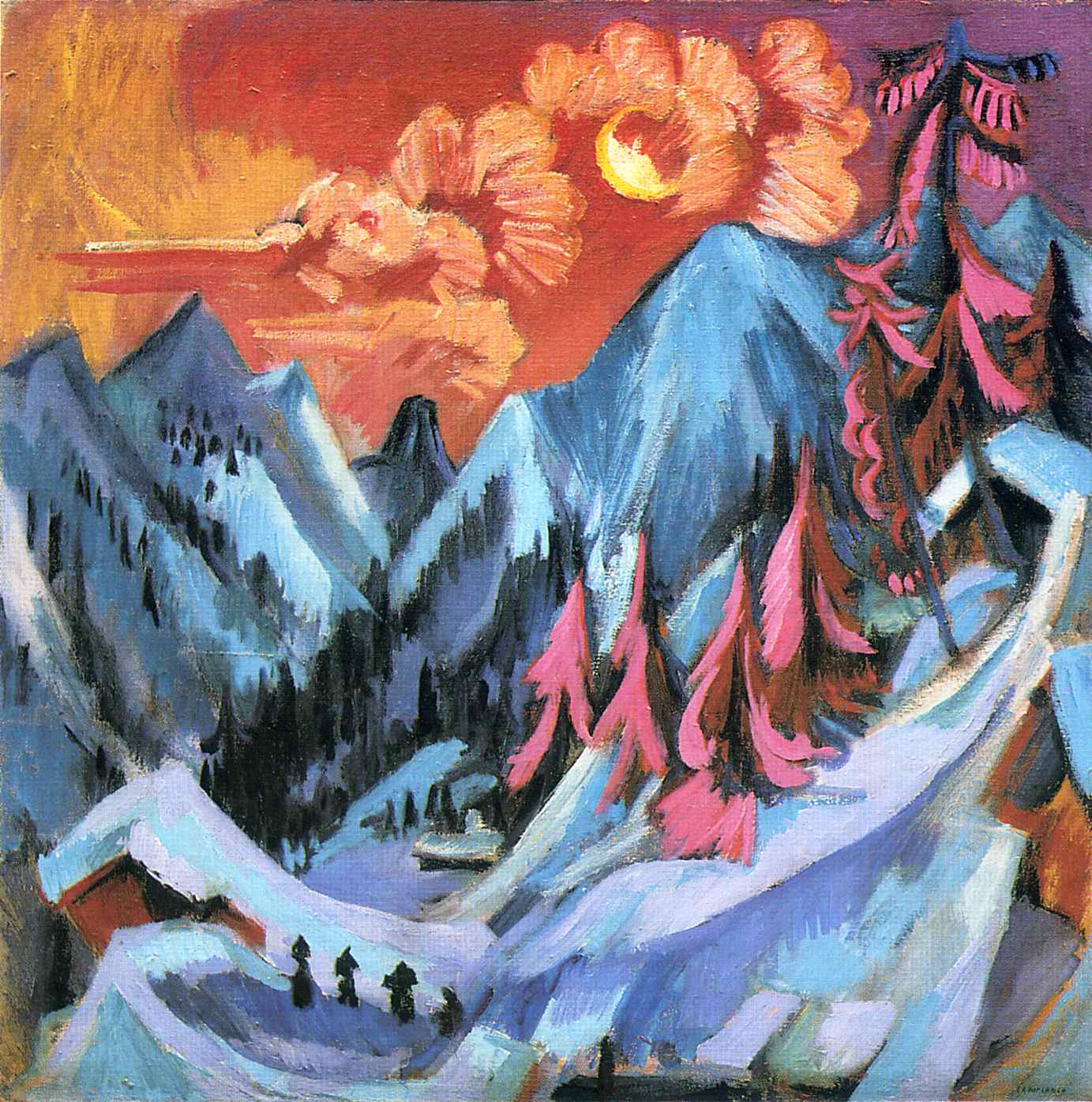
Ernst Ludwig Kirchner, a pivotal figure in the Expressionist movement, created the stunning oil painting "Winter Landscape in Moonlight" in 1920. His bold use of color and dynamic brushwork captures the essence of winter's tranquility and isolation. Kirchner's unique style blends vivid hues with emotional depth, making this artwork a striking representation of his artistic vision.
Historical Context: The Influence of Expressionism on Kirchner
Kirchner was a founding member of the Die Brücke (The Bridge) group, which sought to break away from traditional artistic conventions. This painting reflects the broader Expressionist movement, which emphasized emotional experience over realistic representation. Kirchner's work often explored themes of anxiety and alienation, influenced by the tumultuous social changes in early 20th-century Germany.
Captivating Elements of the Painting
Color Palette: The Enigmatic Blues and Whites of Winter
The color palette of "Winter Landscape in Moonlight" features a mesmerizing blend of deep blues and soft whites. These colors evoke the chill of winter nights and create a serene yet haunting atmosphere. The interplay of light and shadow enhances the painting's emotional impact, drawing viewers into its wintry embrace.
Brushwork: Kirchner's Distinctive Expressionist Techniques
Kirchner's brushwork is both vigorous and expressive, showcasing his mastery of oil painting. He employs thick, textured strokes that convey movement and emotion. This technique adds a tactile quality to the landscape, inviting viewers to feel the cold air and the stillness of the night.
Composition: The Harmony of Nature and Emotion
The composition of "Winter Landscape in Moonlight" balances natural elements with emotional resonance. The arrangement of trees and snow-covered ground creates a sense of depth, while the moonlight casts an ethereal glow over the scene. This harmony reflects Kirchner's belief in the interconnectedness of nature and human experience.
Thematic Exploration: Nature and Human Experience
Winter as a Metaphor: Isolation and Reflection
In this painting, winter serves as a powerful metaphor for isolation and introspection. The stark landscape invites viewers to reflect on their own experiences of solitude. Kirchner captures the quiet beauty of winter, suggesting that moments of stillness can lead to profound self-discovery.
The Role of Moonlight: Symbolism and Mood in the Artwork
The moonlight in Kirchner's painting symbolizes clarity and illumination amidst darkness. It casts a gentle light over the landscape, creating a dreamlike quality. This interplay of light and shadow enhances the mood, evoking feelings of calmness and contemplation.
Figures in the Landscape: Human Presence in a Natural World
While the painting primarily focuses on the landscape, the subtle inclusion of figures hints at human presence within nature. These figures, often depicted in a stylized manner, represent the connection between humanity and the natural world. They remind us of our place within the vastness of winter's beauty.
Artistic Influences and Inspirations
Connection to the Die Brücke Movement: A New Artistic Direction
Kirchner's involvement with the Die Brücke movement profoundly influenced his artistic direction. This group sought to express raw emotion and challenge societal norms through art. "Winter Landscape in Moonlight" embodies this spirit, showcasing Kirchner's commitment to exploring new artistic frontiers.
Influence of German Romanticism on Kirchner's Work
German Romanticism also played a significant role in shaping Kirchner's artistic vision. The movement's emphasis on nature, emotion, and individual experience resonates throughout his work. "Winter Landscape in Moonlight" reflects this influence, capturing the sublime beauty of the natural world.
Nature's Impact: The Swiss Landscape and Kirchner's Artistic Journey
Kirchner's time in Switzerland greatly impacted his artistic journey. The breathtaking Swiss landscapes inspired many of his works, including "Winter Landscape in Moonlight." The serene beauty of the Alps and the tranquil winter scenes provided a rich backdrop for his exploration of color and form.
Understanding the Cultural Significance of Winter Landscape in Moonlight
Reception and Critique: How the Art World Embraced Kirchner
Legacy: Kirchner's Lasting Impact on Modern Art
Kirchner's influence on modern art is undeniable. His exploration of color, form, and emotion paved the way for future generations of artists. "Winter Landscape in Moonlight" remains a testament to his innovative spirit and continues to inspire contemporary artists today.
Visual Analysis: A Closer Look at Key Features
Foreground vs. Background: Depth and Perspective in the Painting
The contrast between the foreground and background in "Winter Landscape in Moonlight" creates a sense of depth. The detailed depiction of snow-covered trees in the foreground draws the viewer's eye, while the softer background fades into a tranquil winter sky. This technique enhances the painting's immersive quality.
Light and Shadow: Creating Atmosphere and Emotion
Kirchner masterfully uses light and shadow to evoke emotion in this artwork. The moonlight illuminates the landscape, casting long shadows that add drama and intrigue. This interplay creates a captivating atmosphere, inviting viewers to experience the painting on a deeper level.
Symbolic Elements: Hidden Meanings in the Landscape
Throughout "Winter Landscape in Moonlight," Kirchner incorporates symbolic elements that invite interpretation. The moon can represent enlightenment, while the barren trees may symbolize resilience in the face of adversity. These hidden meanings enrich the viewer's experience, encouraging personal reflection.
FAQs about Winter Landscape in Moonlight
What inspired Ernst Ludwig Kirchner to create Winter Landscape in Moonlight?
Kirchner was inspired by the serene beauty of winter landscapes and his desire to express emotional depth through art. The tranquil Swiss scenery influenced his vision for this painting.
How does Winter Landscape in Moonlight reflect Kirchner's artistic style?
This painting showcases Kirchner's signature Expressionist style, characterized by bold colors, dynamic brushwork, and emotional intensity. It captures the essence of winter while inviting viewers to explore their own feelings.
What are the main themes depicted in Winter Landscape in Moonlight?
The main themes include isolation, reflection, and the connection between humanity and nature. The painting invites viewers to contemplate their own experiences within the winter landscape.
How was Winter Landscape in Moonlight received by critics at the time?
Initially, the painting received mixed reviews, with some critics praising its innovation and others questioning its emotional intensity. Over time, it gained recognition as a significant work of Expressionism.
What techniques did Kirchner use to convey emotion in this painting?
Kirchner used vibrant colors, expressive brushwork, and a dramatic composition to convey emotion. The interplay of light and shadow enhances the painting's mood, inviting viewers to connect with its themes.
What should I know about the reproduction of Winter Landscape in Moonlight?
Art reproductions of "Winter Landscape in Moonlight" offer a superior alternative to prints. They capture the texture and depth of the original oil painting, allowing you to experience Kirchner's artistry in your own space.
How can I best display a reproduction of Winter Landscape in Moonlight in my home?
To display a reproduction effectively, choose a prominent wall where it can be appreciated. Consider using a frame that complements the painting's colors. Proper lighting can enhance its beauty, creating a focal point in your home.
Original: $249.95
-70%$249.95
$74.98Product Information
Product Information
Shipping & Returns
Shipping & Returns
Description
Exploring the Ethereal Beauty of Winter Landscape in Moonlight
Introduction to Ernst Ludwig Kirchner's Masterpiece
The Artist's Vision: Kirchner's Unique Style and Techniques
Ernst Ludwig Kirchner, a pivotal figure in the Expressionist movement, created the stunning oil painting "Winter Landscape in Moonlight" in 1920. His bold use of color and dynamic brushwork captures the essence of winter's tranquility and isolation. Kirchner's unique style blends vivid hues with emotional depth, making this artwork a striking representation of his artistic vision.
Historical Context: The Influence of Expressionism on Kirchner
Kirchner was a founding member of the Die Brücke (The Bridge) group, which sought to break away from traditional artistic conventions. This painting reflects the broader Expressionist movement, which emphasized emotional experience over realistic representation. Kirchner's work often explored themes of anxiety and alienation, influenced by the tumultuous social changes in early 20th-century Germany.
Captivating Elements of the Painting
Color Palette: The Enigmatic Blues and Whites of Winter
The color palette of "Winter Landscape in Moonlight" features a mesmerizing blend of deep blues and soft whites. These colors evoke the chill of winter nights and create a serene yet haunting atmosphere. The interplay of light and shadow enhances the painting's emotional impact, drawing viewers into its wintry embrace.
Brushwork: Kirchner's Distinctive Expressionist Techniques
Kirchner's brushwork is both vigorous and expressive, showcasing his mastery of oil painting. He employs thick, textured strokes that convey movement and emotion. This technique adds a tactile quality to the landscape, inviting viewers to feel the cold air and the stillness of the night.
Composition: The Harmony of Nature and Emotion
The composition of "Winter Landscape in Moonlight" balances natural elements with emotional resonance. The arrangement of trees and snow-covered ground creates a sense of depth, while the moonlight casts an ethereal glow over the scene. This harmony reflects Kirchner's belief in the interconnectedness of nature and human experience.
Thematic Exploration: Nature and Human Experience
Winter as a Metaphor: Isolation and Reflection
In this painting, winter serves as a powerful metaphor for isolation and introspection. The stark landscape invites viewers to reflect on their own experiences of solitude. Kirchner captures the quiet beauty of winter, suggesting that moments of stillness can lead to profound self-discovery.
The Role of Moonlight: Symbolism and Mood in the Artwork
The moonlight in Kirchner's painting symbolizes clarity and illumination amidst darkness. It casts a gentle light over the landscape, creating a dreamlike quality. This interplay of light and shadow enhances the mood, evoking feelings of calmness and contemplation.
Figures in the Landscape: Human Presence in a Natural World
While the painting primarily focuses on the landscape, the subtle inclusion of figures hints at human presence within nature. These figures, often depicted in a stylized manner, represent the connection between humanity and the natural world. They remind us of our place within the vastness of winter's beauty.
Artistic Influences and Inspirations
Connection to the Die Brücke Movement: A New Artistic Direction
Kirchner's involvement with the Die Brücke movement profoundly influenced his artistic direction. This group sought to express raw emotion and challenge societal norms through art. "Winter Landscape in Moonlight" embodies this spirit, showcasing Kirchner's commitment to exploring new artistic frontiers.
Influence of German Romanticism on Kirchner's Work
German Romanticism also played a significant role in shaping Kirchner's artistic vision. The movement's emphasis on nature, emotion, and individual experience resonates throughout his work. "Winter Landscape in Moonlight" reflects this influence, capturing the sublime beauty of the natural world.
Nature's Impact: The Swiss Landscape and Kirchner's Artistic Journey
Kirchner's time in Switzerland greatly impacted his artistic journey. The breathtaking Swiss landscapes inspired many of his works, including "Winter Landscape in Moonlight." The serene beauty of the Alps and the tranquil winter scenes provided a rich backdrop for his exploration of color and form.
Understanding the Cultural Significance of Winter Landscape in Moonlight
Reception and Critique: How the Art World Embraced Kirchner
Legacy: Kirchner's Lasting Impact on Modern Art
Kirchner's influence on modern art is undeniable. His exploration of color, form, and emotion paved the way for future generations of artists. "Winter Landscape in Moonlight" remains a testament to his innovative spirit and continues to inspire contemporary artists today.
Visual Analysis: A Closer Look at Key Features
Foreground vs. Background: Depth and Perspective in the Painting
The contrast between the foreground and background in "Winter Landscape in Moonlight" creates a sense of depth. The detailed depiction of snow-covered trees in the foreground draws the viewer's eye, while the softer background fades into a tranquil winter sky. This technique enhances the painting's immersive quality.
Light and Shadow: Creating Atmosphere and Emotion
Kirchner masterfully uses light and shadow to evoke emotion in this artwork. The moonlight illuminates the landscape, casting long shadows that add drama and intrigue. This interplay creates a captivating atmosphere, inviting viewers to experience the painting on a deeper level.
Symbolic Elements: Hidden Meanings in the Landscape
Throughout "Winter Landscape in Moonlight," Kirchner incorporates symbolic elements that invite interpretation. The moon can represent enlightenment, while the barren trees may symbolize resilience in the face of adversity. These hidden meanings enrich the viewer's experience, encouraging personal reflection.
FAQs about Winter Landscape in Moonlight
What inspired Ernst Ludwig Kirchner to create Winter Landscape in Moonlight?
Kirchner was inspired by the serene beauty of winter landscapes and his desire to express emotional depth through art. The tranquil Swiss scenery influenced his vision for this painting.
How does Winter Landscape in Moonlight reflect Kirchner's artistic style?
This painting showcases Kirchner's signature Expressionist style, characterized by bold colors, dynamic brushwork, and emotional intensity. It captures the essence of winter while inviting viewers to explore their own feelings.
What are the main themes depicted in Winter Landscape in Moonlight?
The main themes include isolation, reflection, and the connection between humanity and nature. The painting invites viewers to contemplate their own experiences within the winter landscape.
How was Winter Landscape in Moonlight received by critics at the time?
Initially, the painting received mixed reviews, with some critics praising its innovation and others questioning its emotional intensity. Over time, it gained recognition as a significant work of Expressionism.
What techniques did Kirchner use to convey emotion in this painting?
Kirchner used vibrant colors, expressive brushwork, and a dramatic composition to convey emotion. The interplay of light and shadow enhances the painting's mood, inviting viewers to connect with its themes.
What should I know about the reproduction of Winter Landscape in Moonlight?
Art reproductions of "Winter Landscape in Moonlight" offer a superior alternative to prints. They capture the texture and depth of the original oil painting, allowing you to experience Kirchner's artistry in your own space.
How can I best display a reproduction of Winter Landscape in Moonlight in my home?
To display a reproduction effectively, choose a prominent wall where it can be appreciated. Consider using a frame that complements the painting's colors. Proper lighting can enhance its beauty, creating a focal point in your home.