Girl Under a Japanese Parasol
Exploring the Vibrant World of Ernst Ludwig Kirchner's "Girl Under a Japanese Parasol"
Artistic Context: The Expressionist Movement and Kirchner's Role
Understanding Expressionism: A Break from Tradition
Expressionism emerged in the early 20th century as a revolutionary art movement. It sought to convey emotional experiences rather than physical reality. Artists used bold colors, distorted forms, and exaggerated lines to express their inner feelings. This movement marked a significant departure from traditional artistic norms, emphasizing subjective interpretation over realistic representation.
Ernst Ludwig Kirchner: A Pioneer of Modern Art
Ernst Ludwig Kirchner was a leading figure in the Expressionist movement. Born in 1880 in Germany, he co-founded the influential Die Brücke (The Bridge) group. Kirchner's work often reflected his tumultuous emotions and the chaotic urban life of early 20th-century Germany. His innovative approach to color and form set him apart as a pioneer of modern art.
The Influence of German Expressionism on Kirchner's Work
Kirchner's art was deeply influenced by the German Expressionist ethos. He embraced the movement's focus on emotional depth and individual perspective. His paintings often depicted the struggles of modern life, showcasing the tension between nature and urbanization. This duality is vividly present in "Girl Under a Japanese Parasol," where the serene beauty of nature contrasts with the complexities of human emotion.
Visual Analysis: The Elements of "Girl Under a Japanese Parasol"
Color Palette: The Bold Use of Color in Kirchner's Art
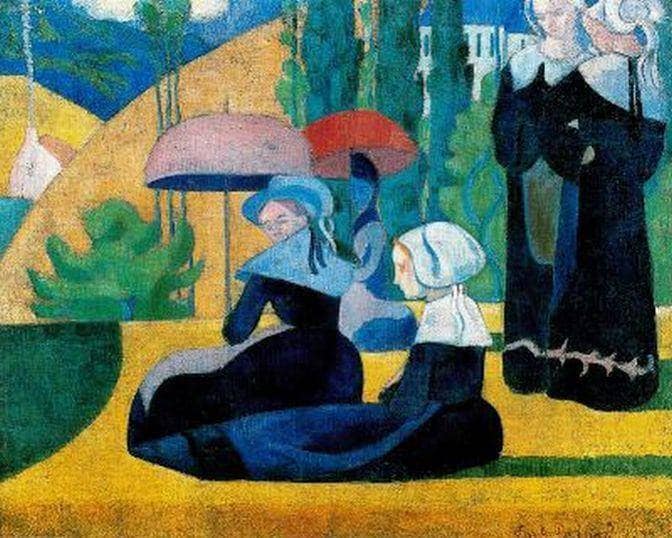
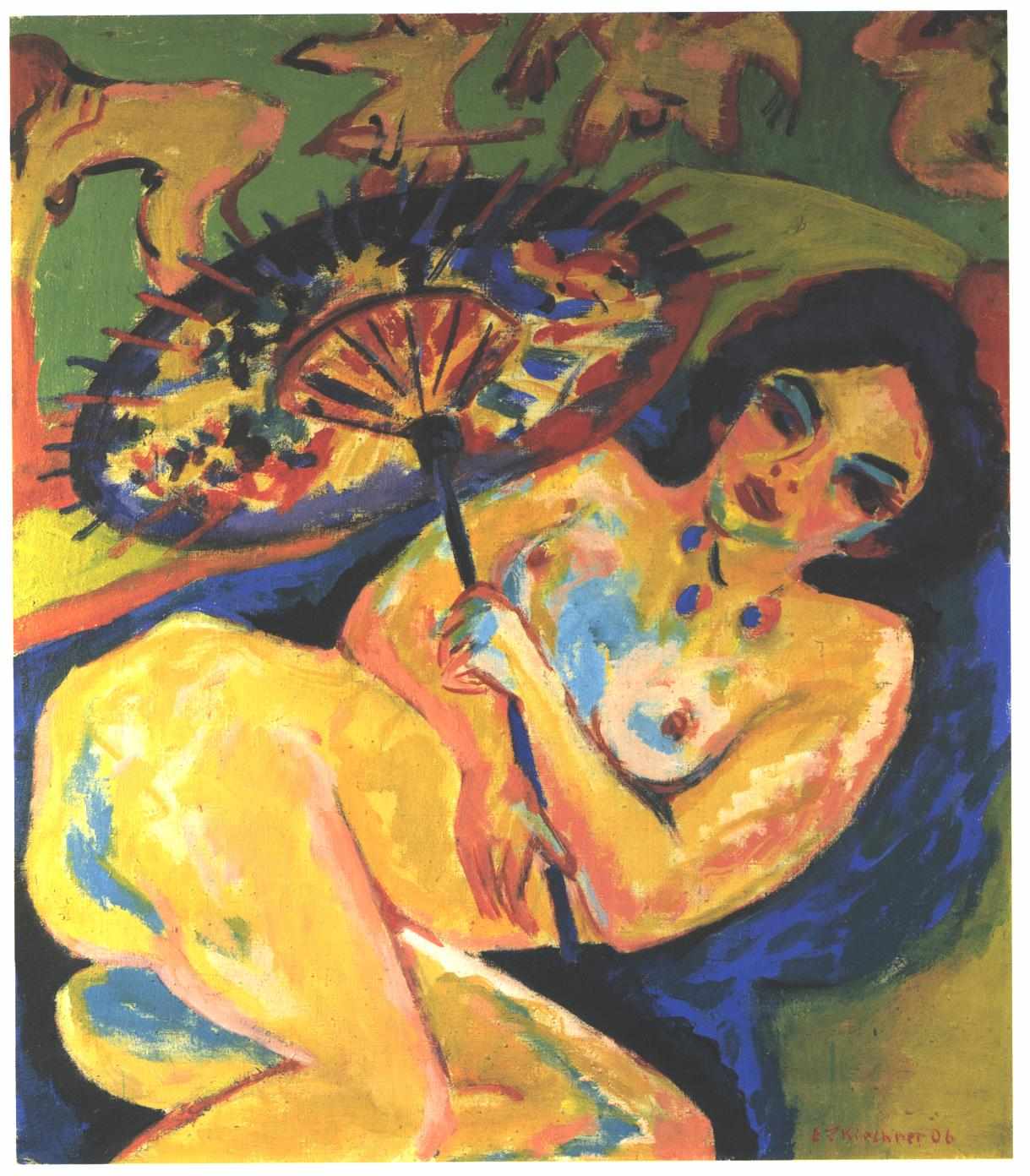
In "Girl Under a Japanese Parasol," Kirchner employs a striking color palette that captivates the viewer. The vibrant reds, greens, and yellows create a lively atmosphere. This bold use of color not only enhances the visual appeal but also evokes strong emotional responses. Kirchner's colors often symbolize deeper meanings, reflecting the subject's inner world.
Composition: The Dynamic Arrangement of Figures and Space
The composition of the painting is dynamic and engaging. Kirchner skillfully arranges the figures and the parasol to draw the viewer's eye across the canvas. The placement of the girl under the parasol creates a focal point, while the surrounding elements add depth and context. This thoughtful arrangement invites viewers to explore the relationship between the subject and her environment.
Brushwork: The Expressive Techniques Behind the Painting
Kirchner's brushwork in this piece is both expressive and energetic. He uses bold, sweeping strokes that convey movement and emotion. This technique adds a sense of immediacy to the painting, making it feel alive. The texture created by his brushwork enhances the overall impact, allowing viewers to feel the energy of the scene.
Thematic Exploration: Symbolism and Meaning in the Painting
Japanese Influence: The Cultural Significance of the Parasol
The parasol in the painting symbolizes the influence of Japanese art on Western artists during the late 19th and early 20th centuries. Kirchner admired Japanese aesthetics, which emphasized simplicity and beauty. The parasol serves as a bridge between cultures, highlighting the fascination with exoticism that characterized the era.
Feminine Identity: The Representation of Women in Kirchner's Art
Kirchner often explored themes of feminine identity in his work. In "Girl Under a Japanese Parasol," the girl embodies both strength and vulnerability. Her pose suggests a sense of independence, while the parasol offers protection. This duality reflects the complexities of women's roles in society during Kirchner's time.
Nature and Urban Life: A Contrast in Kirchner's Work
Kirchner frequently contrasted nature with urban life in his art. In this painting, the lush greenery surrounding the girl juxtaposes the chaos of city living. This contrast highlights the tension between the natural world and the industrialized environment. Kirchner's work invites viewers to reflect on their relationship with both nature and urbanization.
Historical Significance: The Impact of "Girl Under a Japanese Parasol"
Reception at the Time of Creation: Public and Critical Response
Legacy: How the Painting Influenced Future Generations of Artists
The legacy of "Girl Under a Japanese Parasol" extends beyond its initial reception. It has inspired countless artists who seek to explore emotional expression through color and form. Kirchner's unique approach to composition and brushwork continues to influence contemporary art. His work paved the way for future movements, including Abstract Expressionism.
Current Relevance: The Painting's Place in Modern Art Discourse
Today, "Girl Under a Japanese Parasol" holds a prominent place in modern art discourse. It is frequently studied in art history courses and featured in exhibitions worldwide. The painting's exploration of identity, culture, and emotion resonates with contemporary audiences, making it a timeless piece that continues to inspire discussion and analysis.
Personal Reflection: Experiencing "Girl Under a Japanese Parasol"
First-Hand Impressions: What to Look for When Viewing the Painting
When viewing "Girl Under a Japanese Parasol," pay attention to the vibrant colors and dynamic composition. Notice how the girl interacts with her surroundings and the emotions conveyed through her expression. Take time to appreciate the intricate details in the brushwork, which add depth to the overall experience.
Emotional Resonance: The Feelings Evoked by Kirchner's Work
Kirchner's painting evokes a range of emotions, from tranquility to introspection. The serene setting invites viewers to reflect on their own experiences with nature and identity. The girl's presence under the parasol creates a sense of calm, while the vibrant colors stir feelings of joy and vitality.
Connecting with the Art: How to Appreciate Kirchner's Vision
To fully appreciate Kirchner's vision, consider the historical and cultural context of the painting. Reflect on the themes of femininity, nature, and urban life. Engage with the artwork by allowing yourself to feel the emotions it evokes. This connection will deepen your understanding of Kirchner's artistic intent.
FAQs About "Girl Under a Japanese Parasol" by Ernst Ludwig Kirchner
What is the story behind "Girl Under a Japanese Parasol"?
The painting was created during a time of personal turmoil for Kirchner. It reflects his fascination with Japanese culture and his exploration of feminine identity. The girl under the parasol symbolizes both beauty and strength, capturing the essence of modern womanhood.
How does Kirchner's style differ from other Expressionist artists?
Kirchner's style is characterized by bold colors and dynamic compositions. While many Expressionists focused on emotional distortion, Kirchner often combined emotional depth with a sense of beauty. His unique approach sets him apart from his contemporaries, making his work instantly recognizable.
What are the main themes explored in "Girl Under a Japanese Parasol"?
The painting explores themes of femininity, cultural influence, and the contrast between nature and urban life. Kirchner's use of the parasol symbolizes the intersection of different cultures, while the girl's portrayal reflects the complexities of women's identities in a changing world.
Where can I see the original painting today?
The original "Girl Under a Japanese Parasol" is part of the collection at the Museum of Modern Art in New York City. It is a highlight of their Expressionist collection and attracts art lovers from around the globe.
What techniques did Kirchner use to create this artwork?
Kirchner employed oil on canvas to create "Girl Under a Japanese Parasol." His techniques included bold brushwork, vibrant color application, and dynamic composition. These methods allowed him to convey emotion and movement effectively, making the painting a powerful expression of his artistic vision.
FAQs About the Painting Reproduction
How can I ensure the quality of a reproduction of "Girl Under a Japanese Parasol"?
To ensure the quality of a reproduction, look for art reproductions that use high-quality materials and techniques. Hand-painted reproductions are superior to prints, as they capture the texture and vibrancy of the original artwork. Choose a reputable artist or company that specializes in fine art reproductions.
What should I consider when displaying a reproduction of this painting?
When displaying a reproduction of "Girl Under a Japanese Parasol," consider the lighting and placement. Natural light can enhance the colors, but avoid direct sunlight to prevent fading. Choose a location that allows viewers to appreciate the details and emotional depth of the piece. A well-framed reproduction can become a stunning focal point in any room.
Original: $249.95
-70%$249.95
$74.98Product Information
Product Information
Shipping & Returns
Shipping & Returns
Description
Exploring the Vibrant World of Ernst Ludwig Kirchner's "Girl Under a Japanese Parasol"
Artistic Context: The Expressionist Movement and Kirchner's Role
Understanding Expressionism: A Break from Tradition
Expressionism emerged in the early 20th century as a revolutionary art movement. It sought to convey emotional experiences rather than physical reality. Artists used bold colors, distorted forms, and exaggerated lines to express their inner feelings. This movement marked a significant departure from traditional artistic norms, emphasizing subjective interpretation over realistic representation.
Ernst Ludwig Kirchner: A Pioneer of Modern Art
Ernst Ludwig Kirchner was a leading figure in the Expressionist movement. Born in 1880 in Germany, he co-founded the influential Die Brücke (The Bridge) group. Kirchner's work often reflected his tumultuous emotions and the chaotic urban life of early 20th-century Germany. His innovative approach to color and form set him apart as a pioneer of modern art.
The Influence of German Expressionism on Kirchner's Work
Kirchner's art was deeply influenced by the German Expressionist ethos. He embraced the movement's focus on emotional depth and individual perspective. His paintings often depicted the struggles of modern life, showcasing the tension between nature and urbanization. This duality is vividly present in "Girl Under a Japanese Parasol," where the serene beauty of nature contrasts with the complexities of human emotion.
Visual Analysis: The Elements of "Girl Under a Japanese Parasol"
Color Palette: The Bold Use of Color in Kirchner's Art
In "Girl Under a Japanese Parasol," Kirchner employs a striking color palette that captivates the viewer. The vibrant reds, greens, and yellows create a lively atmosphere. This bold use of color not only enhances the visual appeal but also evokes strong emotional responses. Kirchner's colors often symbolize deeper meanings, reflecting the subject's inner world.
Composition: The Dynamic Arrangement of Figures and Space
The composition of the painting is dynamic and engaging. Kirchner skillfully arranges the figures and the parasol to draw the viewer's eye across the canvas. The placement of the girl under the parasol creates a focal point, while the surrounding elements add depth and context. This thoughtful arrangement invites viewers to explore the relationship between the subject and her environment.
Brushwork: The Expressive Techniques Behind the Painting
Kirchner's brushwork in this piece is both expressive and energetic. He uses bold, sweeping strokes that convey movement and emotion. This technique adds a sense of immediacy to the painting, making it feel alive. The texture created by his brushwork enhances the overall impact, allowing viewers to feel the energy of the scene.
Thematic Exploration: Symbolism and Meaning in the Painting
Japanese Influence: The Cultural Significance of the Parasol
The parasol in the painting symbolizes the influence of Japanese art on Western artists during the late 19th and early 20th centuries. Kirchner admired Japanese aesthetics, which emphasized simplicity and beauty. The parasol serves as a bridge between cultures, highlighting the fascination with exoticism that characterized the era.
Feminine Identity: The Representation of Women in Kirchner's Art
Kirchner often explored themes of feminine identity in his work. In "Girl Under a Japanese Parasol," the girl embodies both strength and vulnerability. Her pose suggests a sense of independence, while the parasol offers protection. This duality reflects the complexities of women's roles in society during Kirchner's time.
Nature and Urban Life: A Contrast in Kirchner's Work
Kirchner frequently contrasted nature with urban life in his art. In this painting, the lush greenery surrounding the girl juxtaposes the chaos of city living. This contrast highlights the tension between the natural world and the industrialized environment. Kirchner's work invites viewers to reflect on their relationship with both nature and urbanization.
Historical Significance: The Impact of "Girl Under a Japanese Parasol"
Reception at the Time of Creation: Public and Critical Response
Legacy: How the Painting Influenced Future Generations of Artists
The legacy of "Girl Under a Japanese Parasol" extends beyond its initial reception. It has inspired countless artists who seek to explore emotional expression through color and form. Kirchner's unique approach to composition and brushwork continues to influence contemporary art. His work paved the way for future movements, including Abstract Expressionism.
Current Relevance: The Painting's Place in Modern Art Discourse
Today, "Girl Under a Japanese Parasol" holds a prominent place in modern art discourse. It is frequently studied in art history courses and featured in exhibitions worldwide. The painting's exploration of identity, culture, and emotion resonates with contemporary audiences, making it a timeless piece that continues to inspire discussion and analysis.
Personal Reflection: Experiencing "Girl Under a Japanese Parasol"
First-Hand Impressions: What to Look for When Viewing the Painting
When viewing "Girl Under a Japanese Parasol," pay attention to the vibrant colors and dynamic composition. Notice how the girl interacts with her surroundings and the emotions conveyed through her expression. Take time to appreciate the intricate details in the brushwork, which add depth to the overall experience.
Emotional Resonance: The Feelings Evoked by Kirchner's Work
Kirchner's painting evokes a range of emotions, from tranquility to introspection. The serene setting invites viewers to reflect on their own experiences with nature and identity. The girl's presence under the parasol creates a sense of calm, while the vibrant colors stir feelings of joy and vitality.
Connecting with the Art: How to Appreciate Kirchner's Vision
To fully appreciate Kirchner's vision, consider the historical and cultural context of the painting. Reflect on the themes of femininity, nature, and urban life. Engage with the artwork by allowing yourself to feel the emotions it evokes. This connection will deepen your understanding of Kirchner's artistic intent.
FAQs About "Girl Under a Japanese Parasol" by Ernst Ludwig Kirchner
What is the story behind "Girl Under a Japanese Parasol"?
The painting was created during a time of personal turmoil for Kirchner. It reflects his fascination with Japanese culture and his exploration of feminine identity. The girl under the parasol symbolizes both beauty and strength, capturing the essence of modern womanhood.
How does Kirchner's style differ from other Expressionist artists?
Kirchner's style is characterized by bold colors and dynamic compositions. While many Expressionists focused on emotional distortion, Kirchner often combined emotional depth with a sense of beauty. His unique approach sets him apart from his contemporaries, making his work instantly recognizable.
What are the main themes explored in "Girl Under a Japanese Parasol"?
The painting explores themes of femininity, cultural influence, and the contrast between nature and urban life. Kirchner's use of the parasol symbolizes the intersection of different cultures, while the girl's portrayal reflects the complexities of women's identities in a changing world.
Where can I see the original painting today?
The original "Girl Under a Japanese Parasol" is part of the collection at the Museum of Modern Art in New York City. It is a highlight of their Expressionist collection and attracts art lovers from around the globe.
What techniques did Kirchner use to create this artwork?
Kirchner employed oil on canvas to create "Girl Under a Japanese Parasol." His techniques included bold brushwork, vibrant color application, and dynamic composition. These methods allowed him to convey emotion and movement effectively, making the painting a powerful expression of his artistic vision.
FAQs About the Painting Reproduction
How can I ensure the quality of a reproduction of "Girl Under a Japanese Parasol"?
To ensure the quality of a reproduction, look for art reproductions that use high-quality materials and techniques. Hand-painted reproductions are superior to prints, as they capture the texture and vibrancy of the original artwork. Choose a reputable artist or company that specializes in fine art reproductions.
What should I consider when displaying a reproduction of this painting?
When displaying a reproduction of "Girl Under a Japanese Parasol," consider the lighting and placement. Natural light can enhance the colors, but avoid direct sunlight to prevent fading. Choose a location that allows viewers to appreciate the details and emotional depth of the piece. A well-framed reproduction can become a stunning focal point in any room.