Five Women in the Street
Exploring the Vibrant World of Ernst Ludwig Kirchner's "Five Women in the Street"
Artistic Context: The Expressionist Movement and Kirchner's Role
Understanding Expressionism: A Break from Tradition
Expressionism emerged in the early 20th century as a radical art movement. It sought to convey emotional experiences rather than physical reality. Artists like Kirchner used vivid colors and distorted forms to express feelings of anxiety and alienation. This movement marked a significant departure from traditional artistic norms, emphasizing individual perception and emotional depth.
Ernst Ludwig Kirchner: Life and Influences
Ernst Ludwig Kirchner was born in 1880 in Aschaffenburg, Germany. He studied architecture before turning to painting, influenced by the vibrant art scene in Berlin. Kirchner's experiences in the bustling city shaped his artistic vision. His work often reflected the tension between modernity and the human experience, making him a key figure in the Expressionist movement.
The Berlin Scene: A Hub of Modernity and Change
Berlin in the early 1900s was a melting pot of culture, innovation, and social change. The city attracted artists, writers, and intellectuals, creating a dynamic environment. Kirchner captured the essence of urban life, portraying the excitement and chaos of the streets. "Five Women in the Street" serves as a vivid snapshot of this transformative period, highlighting the complexities of modern existence.
Visual Analysis: Decoding the Elements of "Five Women in the Street"
Color Palette: Bold Hues and Emotional Resonance
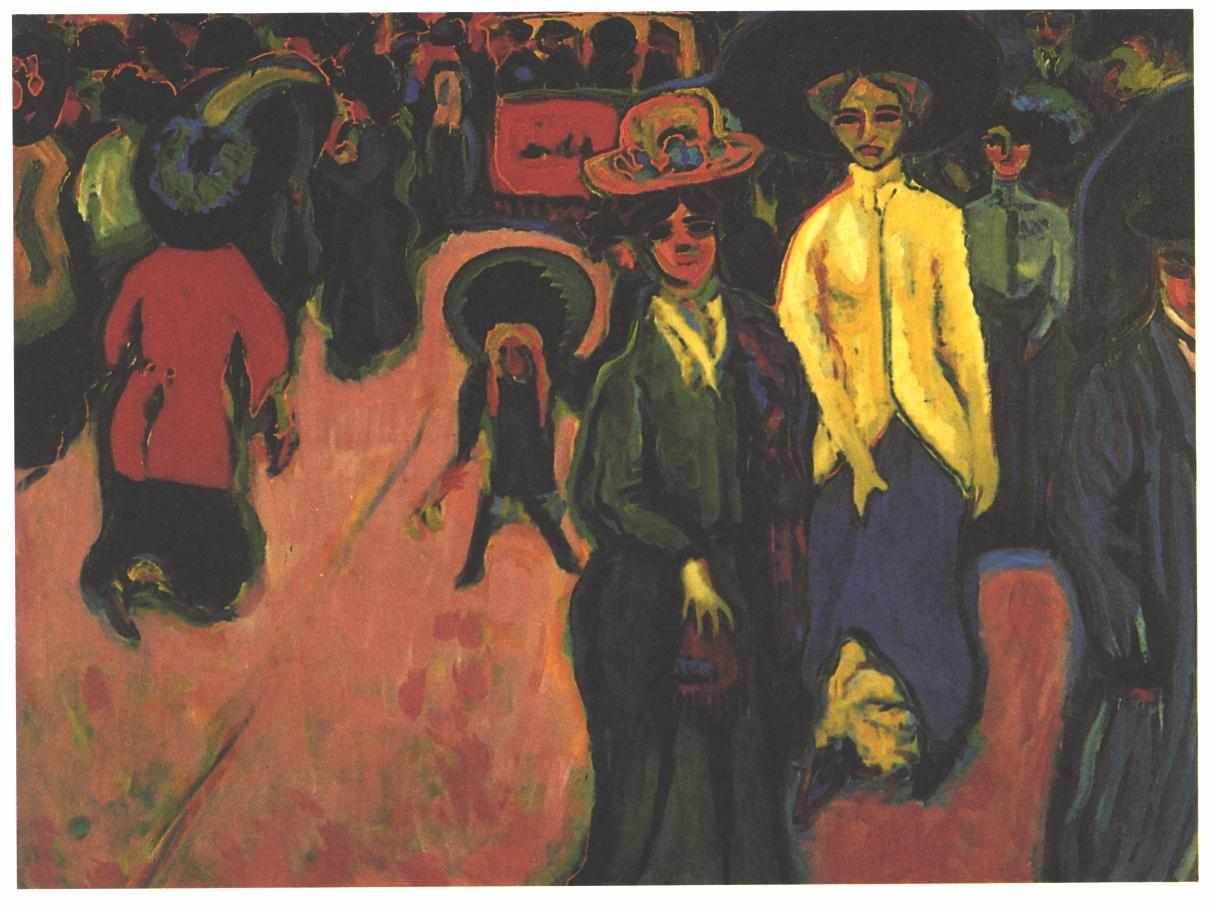
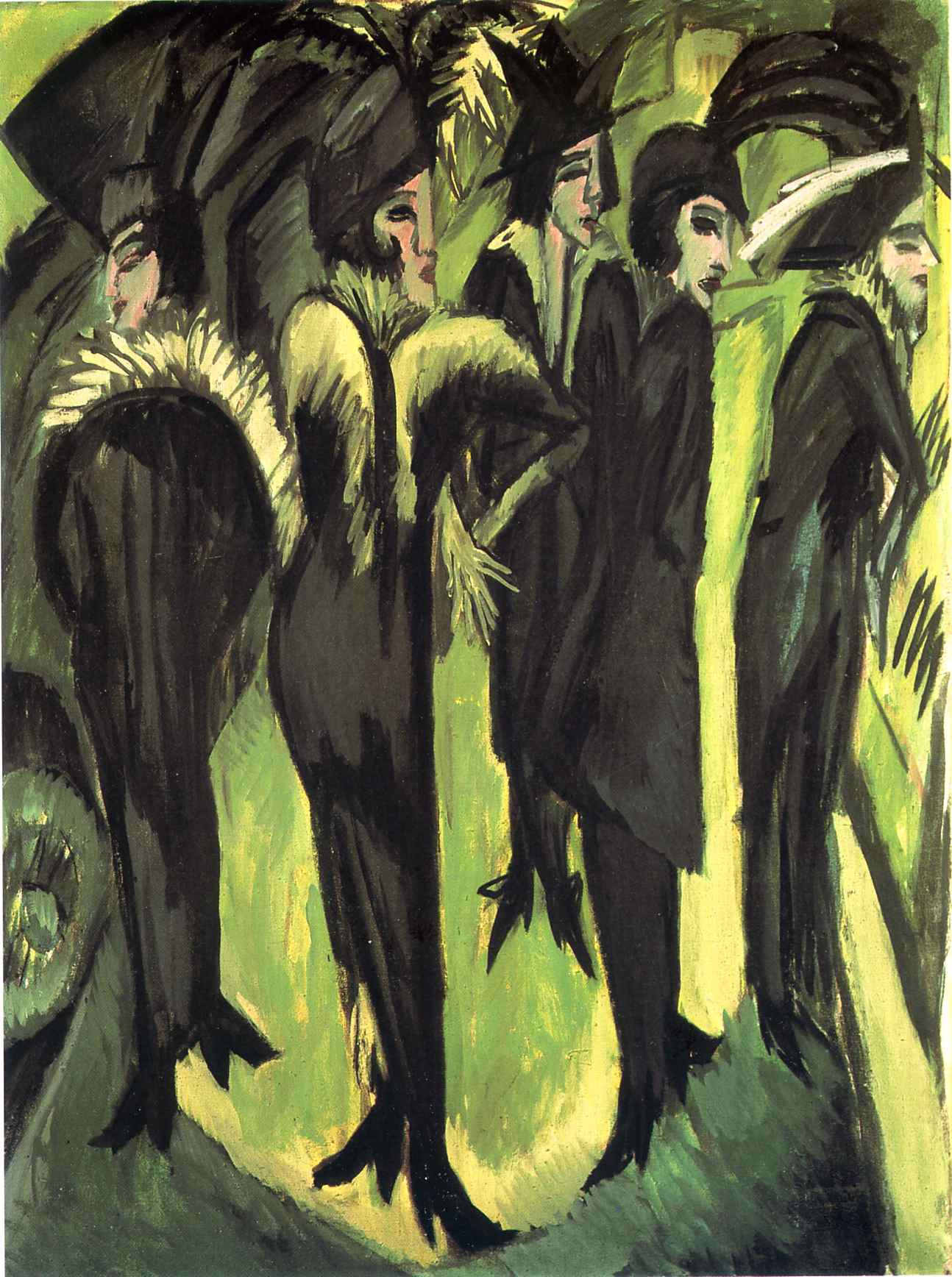
The color palette of "Five Women in the Street" is striking and emotive. Kirchner employed bold reds, greens, and yellows to evoke strong feelings. These colors create a sense of vibrancy and urgency, reflecting the energy of urban life. The use of contrasting colors enhances the emotional impact, drawing viewers into the scene.
Composition: The Dynamic Arrangement of Figures
The composition of the painting is dynamic and engaging. Kirchner arranged the five women in a diagonal line, creating movement and flow. This arrangement invites the viewer's eye to travel across the canvas. The figures appear to interact with one another, suggesting a shared experience in the bustling city environment.
Brushwork: Kirchner's Distinctive Technique and Style
Kirchner's brushwork is bold and expressive. He used thick, visible strokes to convey emotion and energy. This technique adds texture and depth to the painting, making it feel alive. The energetic brushwork reflects the frenetic pace of city life, capturing the essence of the modern experience.
Thematic Exploration: Women in Urban Life
Feminine Identity: Representation and Empowerment
In "Five Women in the Street," Kirchner explores feminine identity in the context of urban life. The women are depicted with confidence and individuality, showcasing their strength. This representation challenges traditional gender roles, highlighting women's empowerment in a rapidly changing society.
Urban Isolation: The Paradox of City Life
Despite the vibrant setting, the painting also conveys a sense of isolation. The women, while together, seem disconnected from their surroundings. This paradox reflects the loneliness that can accompany urban living. Kirchner captures the duality of city life, where excitement coexists with alienation.
Social Commentary: Reflections on Modern Society
Kirchner's work serves as a social commentary on modern society. "Five Women in the Street" critiques the superficiality of urban life and the challenges faced by women. The painting invites viewers to reflect on the complexities of modern existence, encouraging a deeper understanding of societal issues.
Symbolism and Interpretation: What Lies Beneath the Surface?
Figures and Gestures: Reading the Body Language
The body language of the figures in the painting is rich with meaning. Their poses and expressions convey a range of emotions, from confidence to uncertainty. This non-verbal communication invites viewers to interpret the women's experiences and feelings, adding depth to the narrative.
Clothing and Accessories: Fashion as a Narrative Tool
The clothing and accessories worn by the women are significant elements of the painting. Kirchner's depiction of fashion reflects the contemporary styles of the time. These details serve as a narrative tool, providing insight into the social status and individuality of each figure.
Spatial Dynamics: The Relationship Between Figures and Environment
The spatial dynamics in "Five Women in the Street" create a sense of interaction between the figures and their environment. The women occupy a prominent space, yet they seem to blend into the urban backdrop. This relationship highlights the tension between individuality and conformity in modern society.
Historical Significance: "Five Women in the Street" in Art History
Impact on Contemporary Art: Kirchner's Legacy
"Five Women in the Street" is a pivotal work in the history of art. Kirchner's innovative approach influenced many contemporary artists. His exploration of color, form, and emotion paved the way for future movements, including Abstract Expressionism. Kirchner's legacy continues to resonate in the art world today.
Exhibitions and Reception: How the Painting Was Received
Upon its release, "Five Women in the Street" garnered attention for its bold style and subject matter. Critics praised Kirchner's ability to capture the essence of modern life. The painting has since been featured in numerous exhibitions, solidifying its place in art history.
Influence on Future Artists: A Lasting Impression
Kirchner's work has left a lasting impression on future generations of artists. His emphasis on emotional expression and individuality inspired movements such as Fauvism and Neo-Expressionism. Many artists continue to draw from Kirchner's innovative techniques and themes, ensuring his influence endures.
Personal Reflections: Experiencing the Painting First-Hand
Visiting Museums: Where to See the Original
The original "Five Women in the Street" is housed in the Museum of Modern Art in New York City. Visiting this museum offers a unique opportunity to experience Kirchner's work up close. The vibrant colors and dynamic composition are even more striking in person, allowing for a deeper appreciation of the painting.
Emotional Response: What the Painting Evokes
Viewers often report a strong emotional response when encountering "Five Women in the Street." The painting evokes feelings of excitement, curiosity, and even melancholy. Kirchner's ability to capture the complexities of urban life resonates with many, making it a powerful piece of art.
Connecting with Kirchner: A Personal Journey Through Art
Experiencing Kirchner's work can be a personal journey. Each viewer may interpret the painting differently, reflecting their own experiences and emotions. Engaging with "Five Women in the Street" allows for a deeper connection to the themes of modernity, identity, and the human experience.
FAQs About "Five Women in the Street" by Ernst Ludwig Kirchner
What is the historical context of "Five Women in the Street"?
"Five Women in the Street" was created during a time of significant social and cultural change in early 20th-century Germany. The painting reflects the rise of urbanization and the evolving role of women in society.
What techniques did Kirchner use in this painting?
Kirchner employed bold colors, dynamic brushwork, and expressive forms in "Five Women in the Street." His distinctive style captures the energy and emotion of urban life.
How does "Five Women in the Street" reflect the themes of Expressionism?
The painting embodies Expressionism through its emotional intensity, vibrant colors, and focus on individual experience. Kirchner's work challenges traditional representations of reality, emphasizing subjective perception.
What are the main symbols present in the painting?
Key symbols in "Five Women in the Street" include the women's clothing, their body language, and the urban backdrop. These elements convey themes of identity, social status, and the complexities of modern life.
How has "Five Women in the Street" influenced modern art?
The painting has influenced modern art by inspiring artists to explore emotional expression and individuality. Kirchner's innovative techniques and themes continue to resonate in contemporary artistic practices.
What should I know about the reproduction of this painting?
Art reproductions of "Five Women in the Street" offer a superior alternative to prints. They capture the texture, color, and detail of the original painting, allowing art lovers to appreciate Kirchner's work in their own space.
How can I appreciate the details in a reproduction of "Five Women in the Street"?
To appreciate the details in a reproduction, take time to observe the brushwork, color variations, and composition. Consider the emotional impact of the painting and how it reflects the themes of urban life and feminine identity.
Original: $299.95
-70%$299.95
$89.98Product Information
Product Information
Shipping & Returns
Shipping & Returns
Description
Exploring the Vibrant World of Ernst Ludwig Kirchner's "Five Women in the Street"
Artistic Context: The Expressionist Movement and Kirchner's Role
Understanding Expressionism: A Break from Tradition
Expressionism emerged in the early 20th century as a radical art movement. It sought to convey emotional experiences rather than physical reality. Artists like Kirchner used vivid colors and distorted forms to express feelings of anxiety and alienation. This movement marked a significant departure from traditional artistic norms, emphasizing individual perception and emotional depth.
Ernst Ludwig Kirchner: Life and Influences
Ernst Ludwig Kirchner was born in 1880 in Aschaffenburg, Germany. He studied architecture before turning to painting, influenced by the vibrant art scene in Berlin. Kirchner's experiences in the bustling city shaped his artistic vision. His work often reflected the tension between modernity and the human experience, making him a key figure in the Expressionist movement.
The Berlin Scene: A Hub of Modernity and Change
Berlin in the early 1900s was a melting pot of culture, innovation, and social change. The city attracted artists, writers, and intellectuals, creating a dynamic environment. Kirchner captured the essence of urban life, portraying the excitement and chaos of the streets. "Five Women in the Street" serves as a vivid snapshot of this transformative period, highlighting the complexities of modern existence.
Visual Analysis: Decoding the Elements of "Five Women in the Street"
Color Palette: Bold Hues and Emotional Resonance
The color palette of "Five Women in the Street" is striking and emotive. Kirchner employed bold reds, greens, and yellows to evoke strong feelings. These colors create a sense of vibrancy and urgency, reflecting the energy of urban life. The use of contrasting colors enhances the emotional impact, drawing viewers into the scene.
Composition: The Dynamic Arrangement of Figures
The composition of the painting is dynamic and engaging. Kirchner arranged the five women in a diagonal line, creating movement and flow. This arrangement invites the viewer's eye to travel across the canvas. The figures appear to interact with one another, suggesting a shared experience in the bustling city environment.
Brushwork: Kirchner's Distinctive Technique and Style
Kirchner's brushwork is bold and expressive. He used thick, visible strokes to convey emotion and energy. This technique adds texture and depth to the painting, making it feel alive. The energetic brushwork reflects the frenetic pace of city life, capturing the essence of the modern experience.
Thematic Exploration: Women in Urban Life
Feminine Identity: Representation and Empowerment
In "Five Women in the Street," Kirchner explores feminine identity in the context of urban life. The women are depicted with confidence and individuality, showcasing their strength. This representation challenges traditional gender roles, highlighting women's empowerment in a rapidly changing society.
Urban Isolation: The Paradox of City Life
Despite the vibrant setting, the painting also conveys a sense of isolation. The women, while together, seem disconnected from their surroundings. This paradox reflects the loneliness that can accompany urban living. Kirchner captures the duality of city life, where excitement coexists with alienation.
Social Commentary: Reflections on Modern Society
Kirchner's work serves as a social commentary on modern society. "Five Women in the Street" critiques the superficiality of urban life and the challenges faced by women. The painting invites viewers to reflect on the complexities of modern existence, encouraging a deeper understanding of societal issues.
Symbolism and Interpretation: What Lies Beneath the Surface?
Figures and Gestures: Reading the Body Language
The body language of the figures in the painting is rich with meaning. Their poses and expressions convey a range of emotions, from confidence to uncertainty. This non-verbal communication invites viewers to interpret the women's experiences and feelings, adding depth to the narrative.
Clothing and Accessories: Fashion as a Narrative Tool
The clothing and accessories worn by the women are significant elements of the painting. Kirchner's depiction of fashion reflects the contemporary styles of the time. These details serve as a narrative tool, providing insight into the social status and individuality of each figure.
Spatial Dynamics: The Relationship Between Figures and Environment
The spatial dynamics in "Five Women in the Street" create a sense of interaction between the figures and their environment. The women occupy a prominent space, yet they seem to blend into the urban backdrop. This relationship highlights the tension between individuality and conformity in modern society.
Historical Significance: "Five Women in the Street" in Art History
Impact on Contemporary Art: Kirchner's Legacy
"Five Women in the Street" is a pivotal work in the history of art. Kirchner's innovative approach influenced many contemporary artists. His exploration of color, form, and emotion paved the way for future movements, including Abstract Expressionism. Kirchner's legacy continues to resonate in the art world today.
Exhibitions and Reception: How the Painting Was Received
Upon its release, "Five Women in the Street" garnered attention for its bold style and subject matter. Critics praised Kirchner's ability to capture the essence of modern life. The painting has since been featured in numerous exhibitions, solidifying its place in art history.
Influence on Future Artists: A Lasting Impression
Kirchner's work has left a lasting impression on future generations of artists. His emphasis on emotional expression and individuality inspired movements such as Fauvism and Neo-Expressionism. Many artists continue to draw from Kirchner's innovative techniques and themes, ensuring his influence endures.
Personal Reflections: Experiencing the Painting First-Hand
Visiting Museums: Where to See the Original
The original "Five Women in the Street" is housed in the Museum of Modern Art in New York City. Visiting this museum offers a unique opportunity to experience Kirchner's work up close. The vibrant colors and dynamic composition are even more striking in person, allowing for a deeper appreciation of the painting.
Emotional Response: What the Painting Evokes
Viewers often report a strong emotional response when encountering "Five Women in the Street." The painting evokes feelings of excitement, curiosity, and even melancholy. Kirchner's ability to capture the complexities of urban life resonates with many, making it a powerful piece of art.
Connecting with Kirchner: A Personal Journey Through Art
Experiencing Kirchner's work can be a personal journey. Each viewer may interpret the painting differently, reflecting their own experiences and emotions. Engaging with "Five Women in the Street" allows for a deeper connection to the themes of modernity, identity, and the human experience.
FAQs About "Five Women in the Street" by Ernst Ludwig Kirchner
What is the historical context of "Five Women in the Street"?
"Five Women in the Street" was created during a time of significant social and cultural change in early 20th-century Germany. The painting reflects the rise of urbanization and the evolving role of women in society.
What techniques did Kirchner use in this painting?
Kirchner employed bold colors, dynamic brushwork, and expressive forms in "Five Women in the Street." His distinctive style captures the energy and emotion of urban life.
How does "Five Women in the Street" reflect the themes of Expressionism?
The painting embodies Expressionism through its emotional intensity, vibrant colors, and focus on individual experience. Kirchner's work challenges traditional representations of reality, emphasizing subjective perception.
What are the main symbols present in the painting?
Key symbols in "Five Women in the Street" include the women's clothing, their body language, and the urban backdrop. These elements convey themes of identity, social status, and the complexities of modern life.
How has "Five Women in the Street" influenced modern art?
The painting has influenced modern art by inspiring artists to explore emotional expression and individuality. Kirchner's innovative techniques and themes continue to resonate in contemporary artistic practices.
What should I know about the reproduction of this painting?
Art reproductions of "Five Women in the Street" offer a superior alternative to prints. They capture the texture, color, and detail of the original painting, allowing art lovers to appreciate Kirchner's work in their own space.
How can I appreciate the details in a reproduction of "Five Women in the Street"?
To appreciate the details in a reproduction, take time to observe the brushwork, color variations, and composition. Consider the emotional impact of the painting and how it reflects the themes of urban life and feminine identity.