Self-Portrait with a Model
Exploring the Artistic Vision of Ernst Ludwig Kirchner
Understanding Kirchner's Role in Expressionism
The Birth of a Movement: Expressionism in Early 20th Century Art
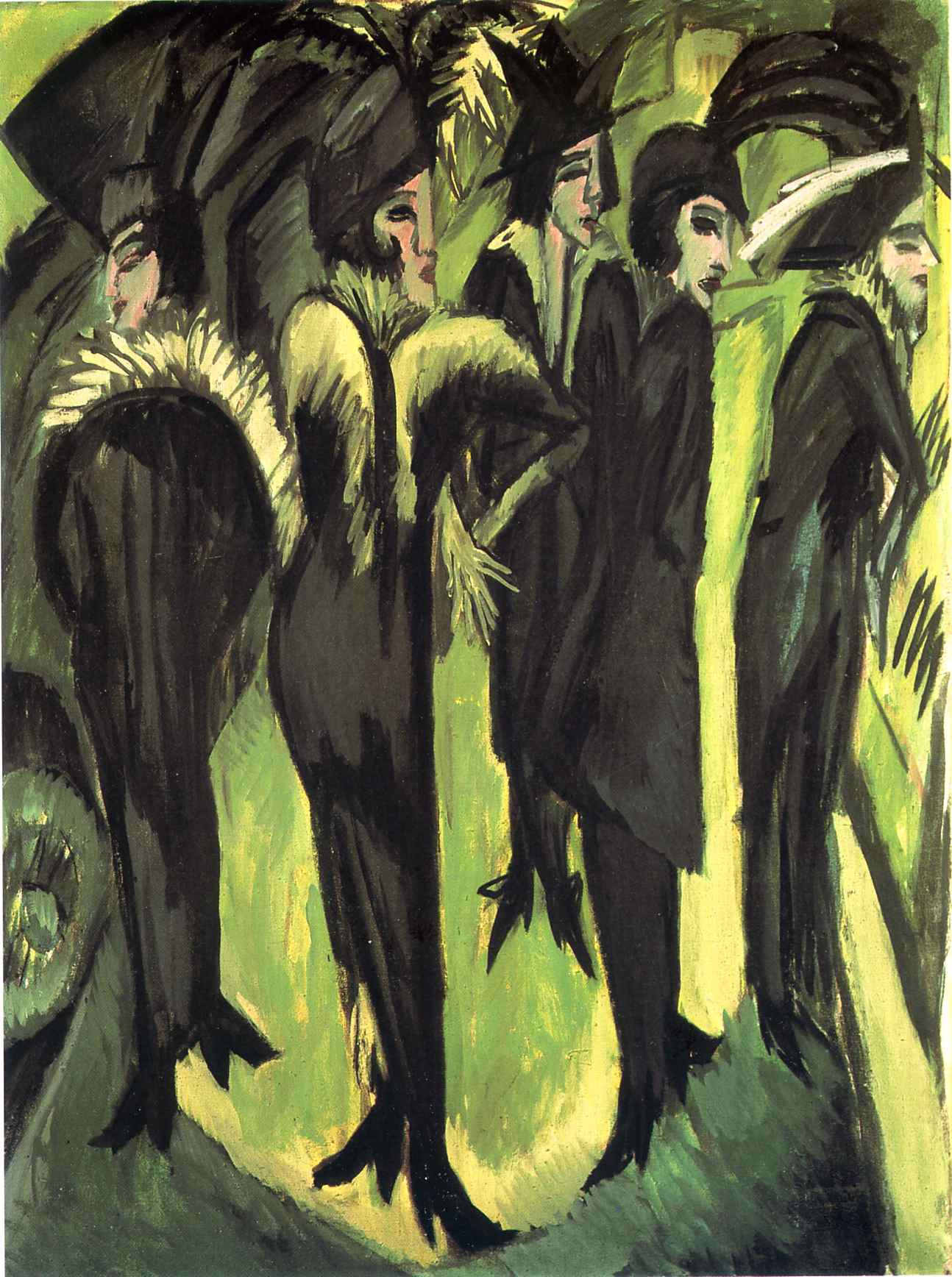
Ernst Ludwig Kirchner emerged as a pivotal figure in the Expressionist movement, which blossomed in the early 20th century. This artistic revolution sought to convey emotional experiences rather than physical reality. Kirchner, along with other artists, broke away from traditional techniques, embracing bold colors and distorted forms to express the complexities of human emotion.
Kirchner's Influence on Modern Art: A Legacy of Emotion
Kirchner's work significantly influenced modern art, inspiring future generations of artists. His unique approach to color and form paved the way for new artistic expressions. Kirchner's legacy is evident in the way contemporary artists explore themes of identity, emotion, and the human experience.
Self-Portrait with a Model: A Deep Dive into the Painting
Visual Elements and Composition of Self-Portrait with a Model
Color Palette: The Bold Use of Vibrant Hues
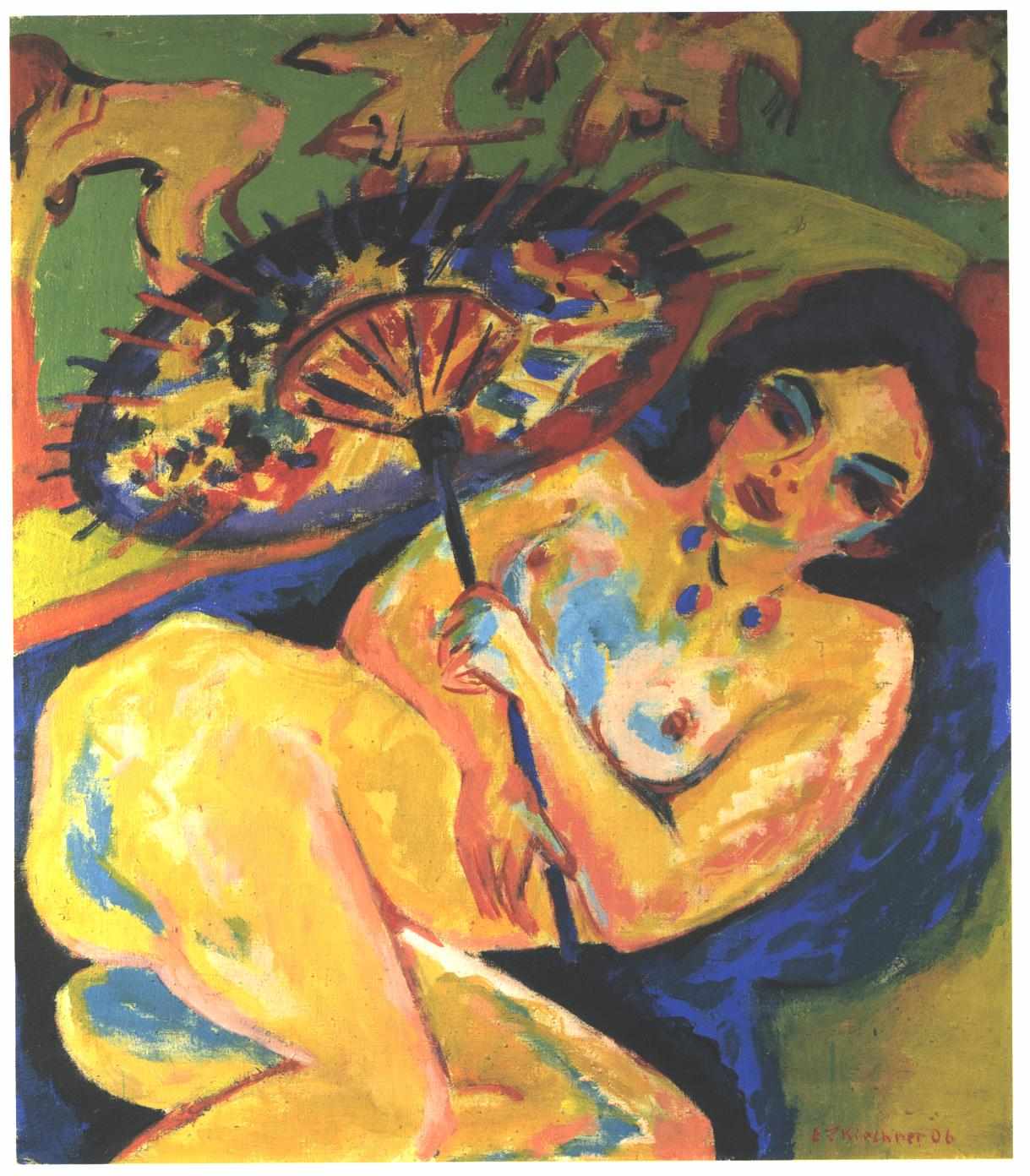
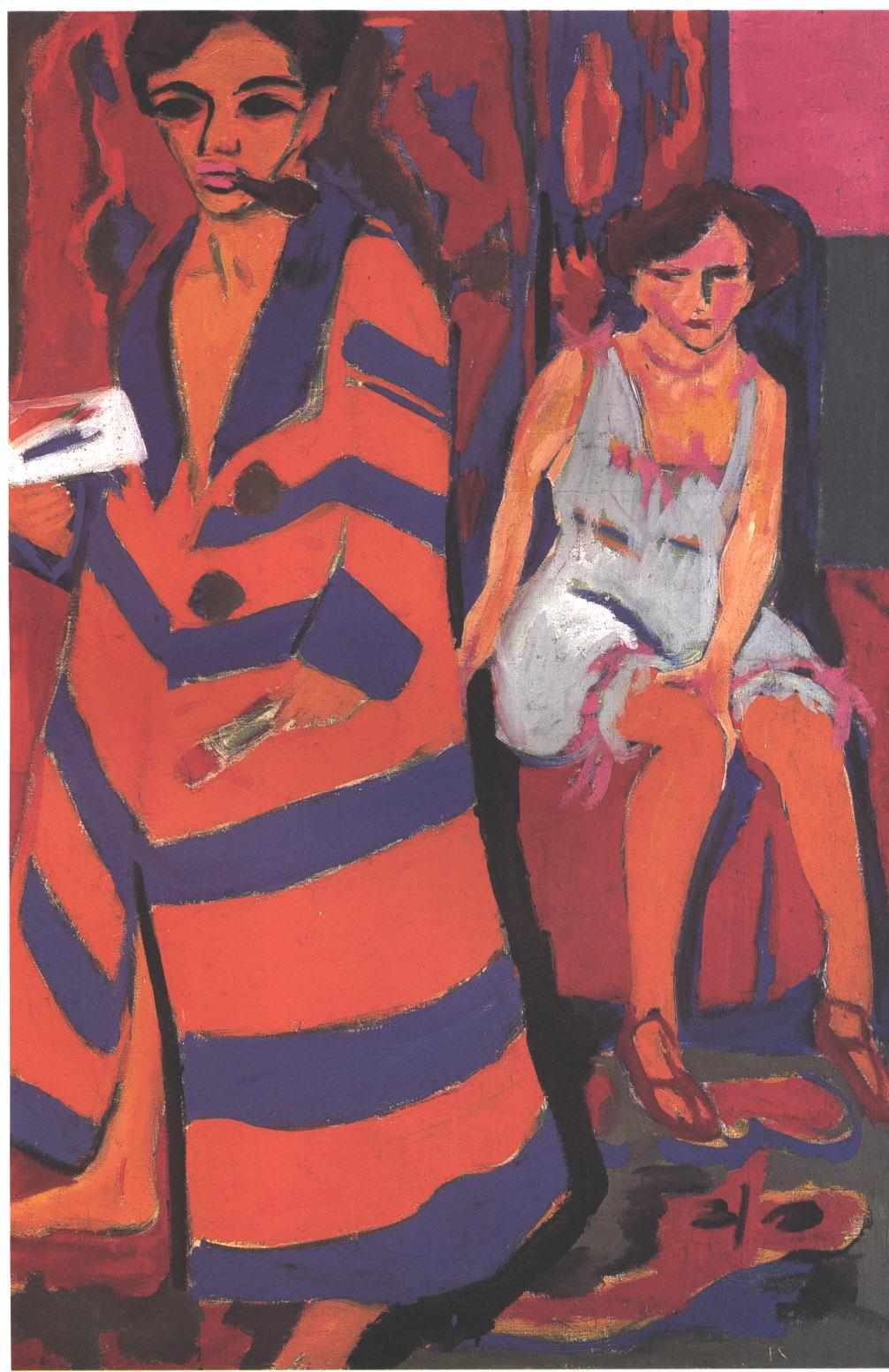
In "Self-Portrait with a Model," Kirchner employs a striking color palette that captivates viewers. The vibrant reds, greens, and blues create a sense of energy and emotional intensity. This bold use of color not only reflects Kirchner's inner turmoil but also invites the viewer to engage with the painting on a deeper level.
Brushwork Techniques: Capturing Emotion Through Texture
Kirchner's brushwork in this piece is dynamic and expressive. He uses thick, gestural strokes to convey movement and emotion. This technique adds a tactile quality to the painting, allowing viewers to feel the artist's passion and urgency. The texture enhances the overall impact, making the artwork come alive.
Symbolism in the Composition: The Relationship Between Artist and Model
The composition of "Self-Portrait with a Model" is rich with symbolism. The model, positioned closely to Kirchner, represents not just a subject but a connection between the artist and his muse. This intimate relationship highlights themes of vulnerability and trust, inviting viewers to ponder the complexities of artistic collaboration.
Thematic Exploration: Identity and Intimacy in Kirchner's Work
Self-Reflection: The Artist's Journey Through Self-Portraiture
Kirchner's self-portraits serve as a window into his psyche. In "Self-Portrait with a Model," he explores his identity as both an artist and an individual. This introspective journey reveals his struggles with self-acceptance and the quest for authenticity in a rapidly changing world.
Interpersonal Dynamics: The Model's Role in Kirchner's Narrative
The model in this painting is more than a mere figure; she embodies the emotional landscape of Kirchner's life. Her presence reflects the artist's desire for connection and understanding. This dynamic adds depth to the narrative, showcasing the interplay between artist and subject.
Historical Context and Significance of Self-Portrait with a Model
The Impact of World War I on Kirchner's Artistic Expression
Psychological Reflections: War and the Human Condition
World War I profoundly affected Kirchner's work. The chaos and trauma of the war seeped into his art, influencing his emotional expression. "Self-Portrait with a Model" captures the psychological turmoil of the time, reflecting the broader human condition in the face of conflict.
Artistic Responses to Societal Changes in Post-War Germany
In the aftermath of the war, Kirchner's art became a response to the societal changes in Germany. He grappled with themes of alienation and disillusionment, which are evident in this painting. Kirchner's work serves as a commentary on the struggles of a generation seeking meaning in a fractured world.
Comparative Analysis: Kirchner and His Contemporaries
Contrasting Styles: Kirchner vs. Other Expressionist Artists
Kirchner's style stands out among his Expressionist peers. While artists like Edvard Munch focused on psychological themes, Kirchner's work often emphasizes vibrant color and dynamic forms. This contrast highlights his unique approach to expressing emotion through visual art.
Influences from Fauvism and Cubism: A Cross-Pollination of Ideas
Kirchner's work also reflects influences from Fauvism and Cubism. The bold color choices and fragmented forms in "Self-Portrait with a Model" showcase this cross-pollination of ideas. Kirchner's ability to blend these styles demonstrates his innovative spirit and artistic versatility.
Artistic Techniques and Innovations in Self-Portrait with a Model
Innovative Use of Color and Form
Emotional Resonance: How Color Choices Affect Viewer Perception
The emotional resonance of "Self-Portrait with a Model" lies in Kirchner's color choices. Each hue evokes specific feelings, drawing viewers into the artist's emotional world. The interplay of colors creates a vibrant atmosphere that enhances the painting's overall impact.
Dynamic Composition: The Arrangement of Figures and Space
Kirchner's dynamic composition in this painting is masterful. The arrangement of figures creates a sense of movement and interaction. This thoughtful layout invites viewers to explore the relationship between the artist and the model, adding layers of meaning to the artwork.
Psychological Depth: The Role of Expression in Kirchner's Portraits
Facial Expressions and Body Language: Conveying Inner Thoughts
Facial expressions and body language play a crucial role in Kirchner's portraits. In "Self-Portrait with a Model," the subtle nuances of expression reveal the characters' inner thoughts and emotions. This psychological depth invites viewers to connect with the subjects on a personal level.
Capturing Vulnerability: The Intimacy of the Artist-Model Relationship
The intimacy of the artist-model relationship is palpable in this painting. Kirchner captures the vulnerability of both figures, creating a poignant moment of connection. This emotional honesty resonates with viewers, making the artwork feel deeply personal and relatable.
FAQs About Self-Portrait with a Model by Ernst Ludwig Kirchner
Common Questions About the Painting
What is the significance of the model in Kirchner's self-portrait?
The model represents a crucial connection in Kirchner's artistic journey, embodying themes of intimacy and vulnerability.
How does Kirchner's style reflect the themes of Expressionism?
Kirchner's bold colors and dynamic forms convey deep emotional experiences, aligning with the core principles of Expressionism.
What emotions does Kirchner convey through his use of color?
Kirchner's vibrant color choices evoke feelings of passion, turmoil, and introspection, inviting viewers to engage with his emotional landscape.
In what ways does this painting reflect the artist's personal struggles?
This painting reflects Kirchner's struggles with identity and connection, showcasing his quest for authenticity in a chaotic world.
How does Self-Portrait with a Model compare to Kirchner's other works?
This work stands out for its emotional depth and intimate portrayal of the artist-model relationship, highlighting Kirchner's unique style.
Questions About the Painting Reproduction
What should I consider when purchasing a reproduction of this painting?
When purchasing a reproduction, consider the quality of materials, the accuracy of color, and the attention to detail in capturing Kirchner's expressive style.
How can I ensure the reproduction captures the essence of Kirchner's original work?
Choose a reputable source that specializes in high-quality oil painting reproductions, as they provide a more authentic representation than standard prints.
Original: $299.95
-70%$299.95
$89.98Product Information
Product Information
Shipping & Returns
Shipping & Returns
Description
Exploring the Artistic Vision of Ernst Ludwig Kirchner
Understanding Kirchner's Role in Expressionism
The Birth of a Movement: Expressionism in Early 20th Century Art
Ernst Ludwig Kirchner emerged as a pivotal figure in the Expressionist movement, which blossomed in the early 20th century. This artistic revolution sought to convey emotional experiences rather than physical reality. Kirchner, along with other artists, broke away from traditional techniques, embracing bold colors and distorted forms to express the complexities of human emotion.
Kirchner's Influence on Modern Art: A Legacy of Emotion
Kirchner's work significantly influenced modern art, inspiring future generations of artists. His unique approach to color and form paved the way for new artistic expressions. Kirchner's legacy is evident in the way contemporary artists explore themes of identity, emotion, and the human experience.
Self-Portrait with a Model: A Deep Dive into the Painting
Visual Elements and Composition of Self-Portrait with a Model
Color Palette: The Bold Use of Vibrant Hues
In "Self-Portrait with a Model," Kirchner employs a striking color palette that captivates viewers. The vibrant reds, greens, and blues create a sense of energy and emotional intensity. This bold use of color not only reflects Kirchner's inner turmoil but also invites the viewer to engage with the painting on a deeper level.
Brushwork Techniques: Capturing Emotion Through Texture
Kirchner's brushwork in this piece is dynamic and expressive. He uses thick, gestural strokes to convey movement and emotion. This technique adds a tactile quality to the painting, allowing viewers to feel the artist's passion and urgency. The texture enhances the overall impact, making the artwork come alive.
Symbolism in the Composition: The Relationship Between Artist and Model
The composition of "Self-Portrait with a Model" is rich with symbolism. The model, positioned closely to Kirchner, represents not just a subject but a connection between the artist and his muse. This intimate relationship highlights themes of vulnerability and trust, inviting viewers to ponder the complexities of artistic collaboration.
Thematic Exploration: Identity and Intimacy in Kirchner's Work
Self-Reflection: The Artist's Journey Through Self-Portraiture
Kirchner's self-portraits serve as a window into his psyche. In "Self-Portrait with a Model," he explores his identity as both an artist and an individual. This introspective journey reveals his struggles with self-acceptance and the quest for authenticity in a rapidly changing world.
Interpersonal Dynamics: The Model's Role in Kirchner's Narrative
The model in this painting is more than a mere figure; she embodies the emotional landscape of Kirchner's life. Her presence reflects the artist's desire for connection and understanding. This dynamic adds depth to the narrative, showcasing the interplay between artist and subject.
Historical Context and Significance of Self-Portrait with a Model
The Impact of World War I on Kirchner's Artistic Expression
Psychological Reflections: War and the Human Condition
World War I profoundly affected Kirchner's work. The chaos and trauma of the war seeped into his art, influencing his emotional expression. "Self-Portrait with a Model" captures the psychological turmoil of the time, reflecting the broader human condition in the face of conflict.
Artistic Responses to Societal Changes in Post-War Germany
In the aftermath of the war, Kirchner's art became a response to the societal changes in Germany. He grappled with themes of alienation and disillusionment, which are evident in this painting. Kirchner's work serves as a commentary on the struggles of a generation seeking meaning in a fractured world.
Comparative Analysis: Kirchner and His Contemporaries
Contrasting Styles: Kirchner vs. Other Expressionist Artists
Kirchner's style stands out among his Expressionist peers. While artists like Edvard Munch focused on psychological themes, Kirchner's work often emphasizes vibrant color and dynamic forms. This contrast highlights his unique approach to expressing emotion through visual art.
Influences from Fauvism and Cubism: A Cross-Pollination of Ideas
Kirchner's work also reflects influences from Fauvism and Cubism. The bold color choices and fragmented forms in "Self-Portrait with a Model" showcase this cross-pollination of ideas. Kirchner's ability to blend these styles demonstrates his innovative spirit and artistic versatility.
Artistic Techniques and Innovations in Self-Portrait with a Model
Innovative Use of Color and Form
Emotional Resonance: How Color Choices Affect Viewer Perception
The emotional resonance of "Self-Portrait with a Model" lies in Kirchner's color choices. Each hue evokes specific feelings, drawing viewers into the artist's emotional world. The interplay of colors creates a vibrant atmosphere that enhances the painting's overall impact.
Dynamic Composition: The Arrangement of Figures and Space
Kirchner's dynamic composition in this painting is masterful. The arrangement of figures creates a sense of movement and interaction. This thoughtful layout invites viewers to explore the relationship between the artist and the model, adding layers of meaning to the artwork.
Psychological Depth: The Role of Expression in Kirchner's Portraits
Facial Expressions and Body Language: Conveying Inner Thoughts
Facial expressions and body language play a crucial role in Kirchner's portraits. In "Self-Portrait with a Model," the subtle nuances of expression reveal the characters' inner thoughts and emotions. This psychological depth invites viewers to connect with the subjects on a personal level.
Capturing Vulnerability: The Intimacy of the Artist-Model Relationship
The intimacy of the artist-model relationship is palpable in this painting. Kirchner captures the vulnerability of both figures, creating a poignant moment of connection. This emotional honesty resonates with viewers, making the artwork feel deeply personal and relatable.
FAQs About Self-Portrait with a Model by Ernst Ludwig Kirchner
Common Questions About the Painting
What is the significance of the model in Kirchner's self-portrait?
The model represents a crucial connection in Kirchner's artistic journey, embodying themes of intimacy and vulnerability.
How does Kirchner's style reflect the themes of Expressionism?
Kirchner's bold colors and dynamic forms convey deep emotional experiences, aligning with the core principles of Expressionism.
What emotions does Kirchner convey through his use of color?
Kirchner's vibrant color choices evoke feelings of passion, turmoil, and introspection, inviting viewers to engage with his emotional landscape.
In what ways does this painting reflect the artist's personal struggles?
This painting reflects Kirchner's struggles with identity and connection, showcasing his quest for authenticity in a chaotic world.
How does Self-Portrait with a Model compare to Kirchner's other works?
This work stands out for its emotional depth and intimate portrayal of the artist-model relationship, highlighting Kirchner's unique style.
Questions About the Painting Reproduction
What should I consider when purchasing a reproduction of this painting?
When purchasing a reproduction, consider the quality of materials, the accuracy of color, and the attention to detail in capturing Kirchner's expressive style.
How can I ensure the reproduction captures the essence of Kirchner's original work?
Choose a reputable source that specializes in high-quality oil painting reproductions, as they provide a more authentic representation than standard prints.