Street, Dresden
Exploring the Vibrant Urban Life in Street, Dresden by Ernst Ludwig Kirchner
Understanding the Expressionist Movement: Kirchner's Role
The Birth of Expressionism: A New Artistic Language
Expressionism emerged in the early 20th century as a revolutionary art movement. It sought to convey emotional experiences rather than physical reality. Artists like Kirchner used vivid colors and distorted forms to express feelings of anxiety and alienation.
Ernst Ludwig Kirchner: A Pioneer of Modern Art
Ernst Ludwig Kirchner was a founding member of the Die Brücke (The Bridge) group, which played a crucial role in the development of Expressionism. His innovative approach to color and form set him apart as a leading figure in modern art. Kirchner's works often reflect his deep connection to urban life and the psychological struggles of the individual.
Visual Analysis of Street, Dresden: Color and Composition
Dynamic Color Palette: The Emotional Impact of Bold Hues
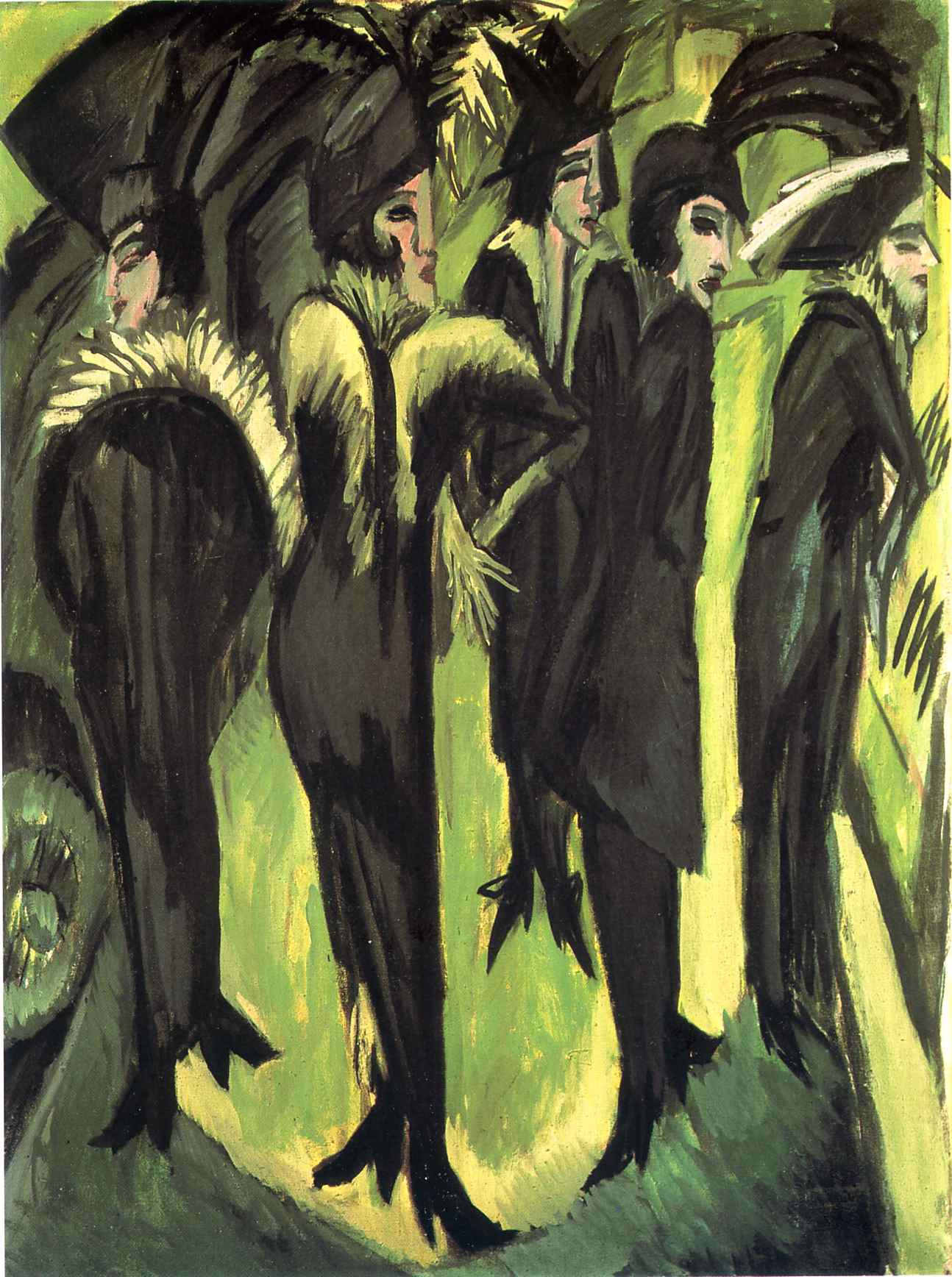
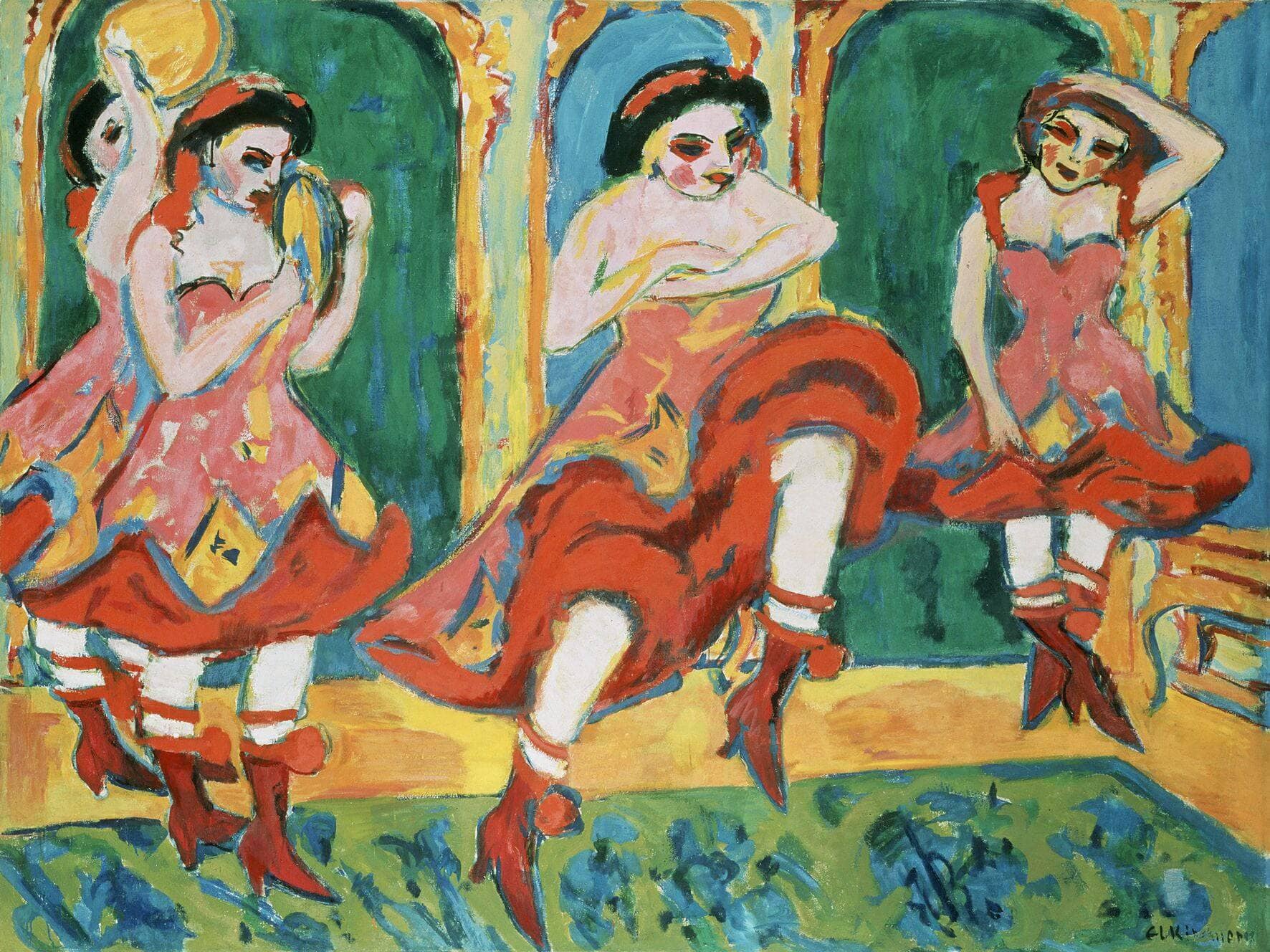
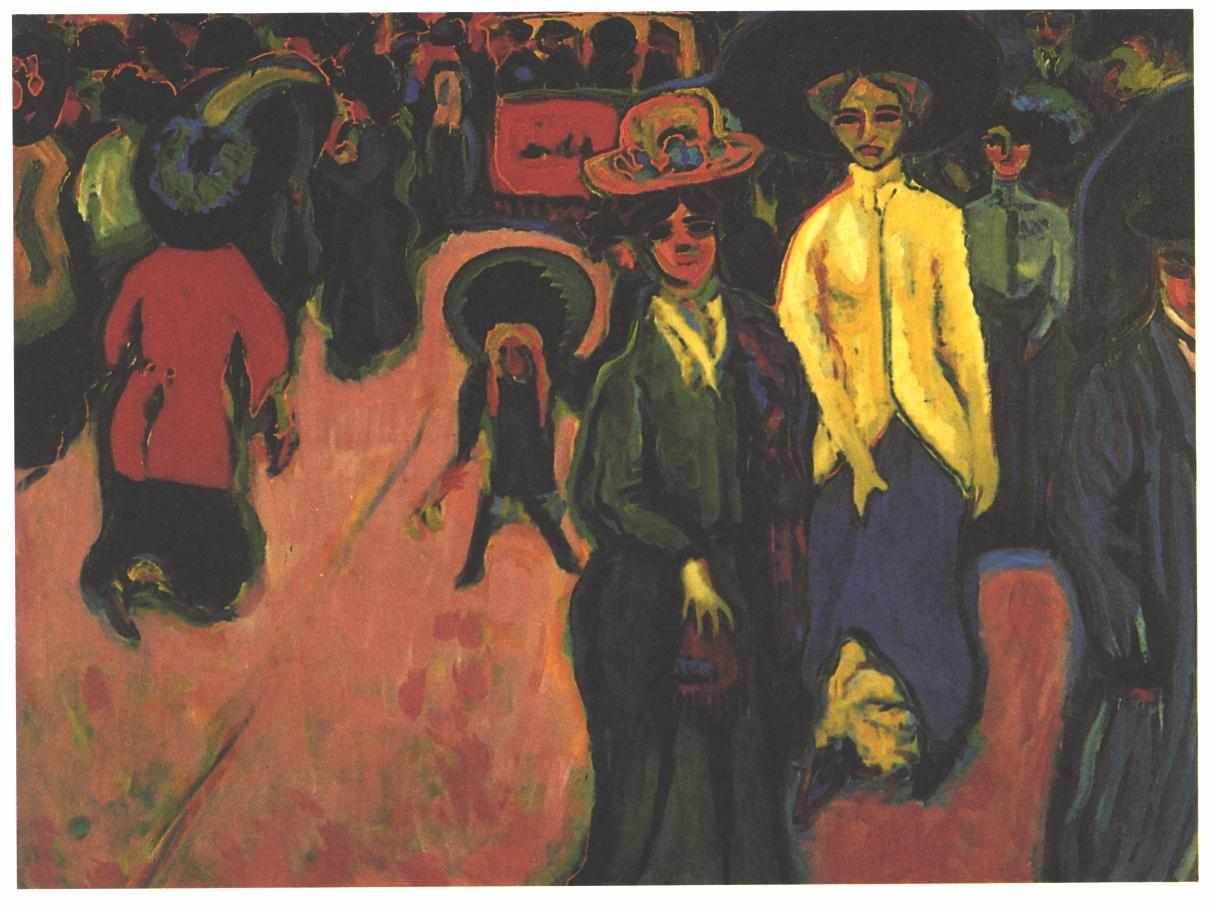
In Street, Dresden, Kirchner employs a striking color palette filled with vibrant reds, greens, and yellows. These bold hues evoke strong emotions, capturing the frenetic energy of city life. The colors create a sense of urgency and chaos, reflecting the artist's perception of urban existence.
Composition Techniques: Balancing Figures and Background
The composition of Street, Dresden is masterfully crafted. Kirchner skillfully balances the figures with the bustling background, drawing the viewer's eye across the canvas. The overlapping forms create a sense of depth, immersing the audience in the lively street scene.
Brushwork and Texture: The Signature Style of Kirchner
Kirchner's distinctive brushwork adds texture and movement to the painting. His energetic strokes convey a sense of immediacy, making the viewer feel the vibrancy of the street. This technique enhances the emotional intensity of the scene, showcasing Kirchner's unique artistic style.
Thematic Elements in Street, Dresden: Society and Isolation
Urban Alienation: The Dichotomy of City Life
Street, Dresden explores the theme of urban alienation. The figures appear disconnected from one another, highlighting the loneliness that can accompany city living. This sense of isolation resonates with many who experience the paradox of being surrounded by crowds yet feeling utterly alone.
Gender Dynamics: Women in Kirchner's Urban Landscape
Women play a significant role in Kirchner's depiction of urban life. In Street, Dresden, the female figures are both prominent and enigmatic. They embody the complexities of modern femininity, navigating the challenges of a rapidly changing society.
Psychological Depth: The Inner Turmoil of Modern Existence
The painting delves into the psychological struggles of individuals in a modern world. Kirchner captures the inner turmoil of his subjects, reflecting the anxieties and uncertainties of life in a bustling city. This depth adds layers of meaning to the artwork, inviting viewers to contemplate their own experiences.
Historical Context: Dresden in the Early 20th Century
The Cultural Landscape: Art, Politics, and Society
Dresden in the early 20th century was a vibrant cultural hub. The city was a melting pot of artistic innovation, political change, and social upheaval. Kirchner's work reflects the dynamic atmosphere of this period, capturing the essence of a society in transition.
Influences on Kirchner: The Impact of German Expressionism
Kirchner was deeply influenced by the broader German Expressionist movement. This artistic wave emphasized emotional expression and individual perspective. Kirchner's experiences in Dresden shaped his artistic vision, allowing him to convey the complexities of modern life through his unique lens.
Personal Insights: Kirchner's Life and Artistic Journey
From the Streets of Dresden: Kirchner's Personal Experiences
Kirchner's personal experiences in Dresden profoundly influenced his art. He often painted scenes from his own life, capturing the vibrancy and struggles of urban existence. His connection to the city is evident in the raw emotion and energy of Street, Dresden.
Artistic Evolution: Key Milestones in Kirchner's Career
Throughout his career, Kirchner evolved as an artist. He experimented with various styles and techniques, continually pushing the boundaries of expression. His journey reflects a commitment to exploring the human condition through art, making him a pivotal figure in modern art history.
Legacy of Street, Dresden: Influence on Future Generations
Impact on Modern Art: How Kirchner Shaped Contemporary Perspectives
Street, Dresden has left a lasting impact on modern art. Kirchner's innovative use of color and form has inspired countless artists. His exploration of urban themes continues to resonate, influencing contemporary discussions about society and identity.
Art Market Trends: The Value of Kirchner's Works Today
Today, Kirchner's works, including Street, Dresden, are highly sought after in the art market. Collectors value his unique perspective and emotional depth. The painting's significance has only grown, making it a prized piece for art enthusiasts and investors alike.
FAQs About Street, Dresden by Ernst Ludwig Kirchner
What is the significance of the figures in Street, Dresden?
The figures in Street, Dresden symbolize the isolation and disconnection prevalent in urban life. They represent the struggles of individuals navigating a bustling city.
How does Street, Dresden reflect the themes of urban life?
The painting captures the vibrancy and chaos of city life, highlighting both the excitement and alienation that come with it. Kirchner's use of color and composition emphasizes these themes.
What techniques did Kirchner use to convey emotion in this painting?
Kirchner used bold colors, dynamic brushwork, and a unique composition to convey deep emotions. His expressive style allows viewers to feel the intensity of the urban experience.
What was the public's reaction to Street, Dresden when it was first exhibited?
When first exhibited, Street, Dresden elicited mixed reactions. Some praised its boldness and emotional depth, while others found it challenging and unconventional. This response reflects the transformative nature of Kirchner's work.
How does Street, Dresden compare to other works by Kirchner?
Street, Dresden stands out for its vibrant color palette and exploration of urban themes. While other works by Kirchner also reflect his unique style, this painting captures a specific moment in his artistic evolution.
What are the key elements that define Kirchner's style in this painting?
Key elements of Kirchner's style in Street, Dresden include bold colors, expressive brushwork, and a focus on emotional depth. These characteristics define his approach to capturing the human experience.
FAQs About the Reproduction of Street, Dresden
How can I ensure the quality of a reproduction of Street, Dresden?
To ensure quality, look for reproductions created using high-quality materials and techniques. A well-crafted oil painting reproduction will capture the essence of Kirchner's original work far better than a simple print.
What should I look for in a reproduction to capture Kirchner's essence?
Seek reproductions that emphasize vibrant colors, dynamic brushwork, and texture. A superior oil painting reproduction will reflect the emotional intensity and unique style of Kirchner's original masterpiece.
Original: $299.95
-70%$299.95
$89.98Product Information
Product Information
Shipping & Returns
Shipping & Returns
Description
Exploring the Vibrant Urban Life in Street, Dresden by Ernst Ludwig Kirchner
Understanding the Expressionist Movement: Kirchner's Role
The Birth of Expressionism: A New Artistic Language
Expressionism emerged in the early 20th century as a revolutionary art movement. It sought to convey emotional experiences rather than physical reality. Artists like Kirchner used vivid colors and distorted forms to express feelings of anxiety and alienation.
Ernst Ludwig Kirchner: A Pioneer of Modern Art
Ernst Ludwig Kirchner was a founding member of the Die Brücke (The Bridge) group, which played a crucial role in the development of Expressionism. His innovative approach to color and form set him apart as a leading figure in modern art. Kirchner's works often reflect his deep connection to urban life and the psychological struggles of the individual.
Visual Analysis of Street, Dresden: Color and Composition
Dynamic Color Palette: The Emotional Impact of Bold Hues
In Street, Dresden, Kirchner employs a striking color palette filled with vibrant reds, greens, and yellows. These bold hues evoke strong emotions, capturing the frenetic energy of city life. The colors create a sense of urgency and chaos, reflecting the artist's perception of urban existence.
Composition Techniques: Balancing Figures and Background
The composition of Street, Dresden is masterfully crafted. Kirchner skillfully balances the figures with the bustling background, drawing the viewer's eye across the canvas. The overlapping forms create a sense of depth, immersing the audience in the lively street scene.
Brushwork and Texture: The Signature Style of Kirchner
Kirchner's distinctive brushwork adds texture and movement to the painting. His energetic strokes convey a sense of immediacy, making the viewer feel the vibrancy of the street. This technique enhances the emotional intensity of the scene, showcasing Kirchner's unique artistic style.
Thematic Elements in Street, Dresden: Society and Isolation
Urban Alienation: The Dichotomy of City Life
Street, Dresden explores the theme of urban alienation. The figures appear disconnected from one another, highlighting the loneliness that can accompany city living. This sense of isolation resonates with many who experience the paradox of being surrounded by crowds yet feeling utterly alone.
Gender Dynamics: Women in Kirchner's Urban Landscape
Women play a significant role in Kirchner's depiction of urban life. In Street, Dresden, the female figures are both prominent and enigmatic. They embody the complexities of modern femininity, navigating the challenges of a rapidly changing society.
Psychological Depth: The Inner Turmoil of Modern Existence
The painting delves into the psychological struggles of individuals in a modern world. Kirchner captures the inner turmoil of his subjects, reflecting the anxieties and uncertainties of life in a bustling city. This depth adds layers of meaning to the artwork, inviting viewers to contemplate their own experiences.
Historical Context: Dresden in the Early 20th Century
The Cultural Landscape: Art, Politics, and Society
Dresden in the early 20th century was a vibrant cultural hub. The city was a melting pot of artistic innovation, political change, and social upheaval. Kirchner's work reflects the dynamic atmosphere of this period, capturing the essence of a society in transition.
Influences on Kirchner: The Impact of German Expressionism
Kirchner was deeply influenced by the broader German Expressionist movement. This artistic wave emphasized emotional expression and individual perspective. Kirchner's experiences in Dresden shaped his artistic vision, allowing him to convey the complexities of modern life through his unique lens.
Personal Insights: Kirchner's Life and Artistic Journey
From the Streets of Dresden: Kirchner's Personal Experiences
Kirchner's personal experiences in Dresden profoundly influenced his art. He often painted scenes from his own life, capturing the vibrancy and struggles of urban existence. His connection to the city is evident in the raw emotion and energy of Street, Dresden.
Artistic Evolution: Key Milestones in Kirchner's Career
Throughout his career, Kirchner evolved as an artist. He experimented with various styles and techniques, continually pushing the boundaries of expression. His journey reflects a commitment to exploring the human condition through art, making him a pivotal figure in modern art history.
Legacy of Street, Dresden: Influence on Future Generations
Impact on Modern Art: How Kirchner Shaped Contemporary Perspectives
Street, Dresden has left a lasting impact on modern art. Kirchner's innovative use of color and form has inspired countless artists. His exploration of urban themes continues to resonate, influencing contemporary discussions about society and identity.
Art Market Trends: The Value of Kirchner's Works Today
Today, Kirchner's works, including Street, Dresden, are highly sought after in the art market. Collectors value his unique perspective and emotional depth. The painting's significance has only grown, making it a prized piece for art enthusiasts and investors alike.
FAQs About Street, Dresden by Ernst Ludwig Kirchner
What is the significance of the figures in Street, Dresden?
The figures in Street, Dresden symbolize the isolation and disconnection prevalent in urban life. They represent the struggles of individuals navigating a bustling city.
How does Street, Dresden reflect the themes of urban life?
The painting captures the vibrancy and chaos of city life, highlighting both the excitement and alienation that come with it. Kirchner's use of color and composition emphasizes these themes.
What techniques did Kirchner use to convey emotion in this painting?
Kirchner used bold colors, dynamic brushwork, and a unique composition to convey deep emotions. His expressive style allows viewers to feel the intensity of the urban experience.
What was the public's reaction to Street, Dresden when it was first exhibited?
When first exhibited, Street, Dresden elicited mixed reactions. Some praised its boldness and emotional depth, while others found it challenging and unconventional. This response reflects the transformative nature of Kirchner's work.
How does Street, Dresden compare to other works by Kirchner?
Street, Dresden stands out for its vibrant color palette and exploration of urban themes. While other works by Kirchner also reflect his unique style, this painting captures a specific moment in his artistic evolution.
What are the key elements that define Kirchner's style in this painting?
Key elements of Kirchner's style in Street, Dresden include bold colors, expressive brushwork, and a focus on emotional depth. These characteristics define his approach to capturing the human experience.
FAQs About the Reproduction of Street, Dresden
How can I ensure the quality of a reproduction of Street, Dresden?
To ensure quality, look for reproductions created using high-quality materials and techniques. A well-crafted oil painting reproduction will capture the essence of Kirchner's original work far better than a simple print.
What should I look for in a reproduction to capture Kirchner's essence?
Seek reproductions that emphasize vibrant colors, dynamic brushwork, and texture. A superior oil painting reproduction will reflect the emotional intensity and unique style of Kirchner's original masterpiece.