Station in Davos
Exploring the Vibrant World of Station in Davos by Ernst Ludwig Kirchner
Introduction to Kirchner's Artistic Vision
The Influence of Expressionism on Kirchner's Work
Ernst Ludwig Kirchner, a pivotal figure in the Expressionist movement, infused his art with emotional intensity and vivid colors. His work often reflects the turmoil of his time, showcasing the psychological struggles of modern life. Kirchner's unique approach to expressionism emphasizes raw emotion over realistic representation, making his pieces resonate deeply with viewers.
Understanding Kirchner's Unique Style and Techniques
Kirchner's style is characterized by bold brushwork and a striking color palette. He often used distorted forms and exaggerated perspectives to convey feelings of anxiety and alienation. This technique allows viewers to experience the emotional weight of his subjects, drawing them into the vibrant world he created.
Unveiling the Scene: A Closer Look at Station in Davos
Capturing the Essence of the Swiss Landscape
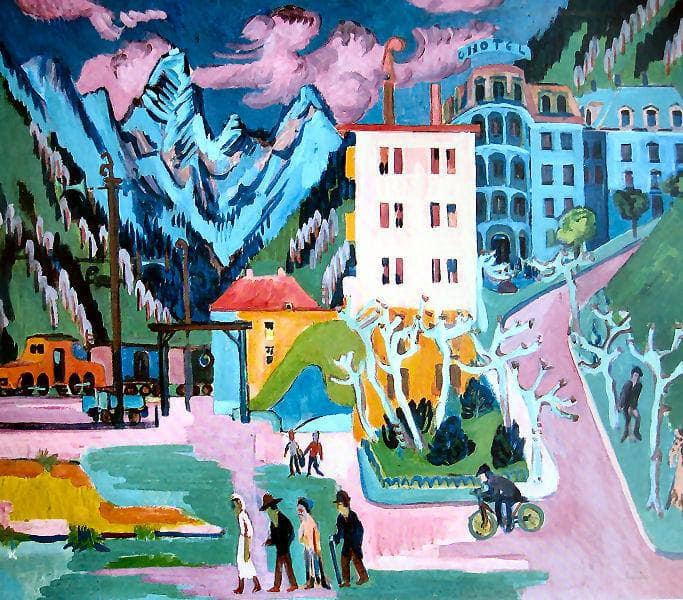
In "Station in Davos," Kirchner captures the breathtaking beauty of the Swiss Alps. The painting showcases the dramatic interplay between the rugged mountains and the serene village below. Kirchner's depiction of the landscape is not just a visual representation; it evokes a sense of place that is both inviting and isolating.
The Role of Color and Light in Kirchner's Composition
Color plays a crucial role in "Station in Davos." Kirchner employs vibrant hues to create a lively atmosphere. The interplay of light and shadow adds depth, enhancing the emotional impact of the scene. This dynamic use of color invites viewers to explore the painting's layers and nuances.
Figures in Motion: Analyzing the Human Element
The figures in "Station in Davos" are central to the narrative. They appear in various states of movement, reflecting the hustle and bustle of life in a mountain resort. Kirchner's portrayal of these figures captures the essence of human experience, highlighting themes of connection and disconnection in a rapidly changing world.
The Historical Context of Station in Davos
Davos: A Retreat for Artists and Intellectuals
Davos, known for its healing climate and stunning scenery, became a haven for artists and intellectuals in the early 20th century. This picturesque Swiss town attracted many creative minds seeking inspiration and solace. Kirchner was drawn to Davos, where he found both a refuge and a source of artistic inspiration.
Kirchner's Life and Artistic Journey in the Early 20th Century
During the early 1900s, Kirchner's life was marked by both personal struggles and artistic breakthroughs. He co-founded the Berlin Secession and became a leading figure in the Expressionist movement. His time in Davos allowed him to reflect on his experiences and channel his emotions into his art.
The Impact of World War I on Kirchner's Art
The trauma of World War I profoundly affected Kirchner's work. The chaos and destruction of the war led him to explore themes of isolation and despair. "Station in Davos" reflects this emotional turmoil, capturing the tension between the beauty of nature and the struggles of the human spirit.
Symbolism and Themes in Station in Davos
Exploring Themes of Isolation and Community
In "Station in Davos," Kirchner explores the duality of isolation and community. The figures in the painting represent both the solitude of the individual and the collective experience of society. This theme resonates with viewers, inviting them to reflect on their own connections with others.
The Significance of Nature in Kirchner's Work
Nature plays a vital role in Kirchner's art. In "Station in Davos," the Swiss landscape serves as a backdrop for human experiences. The mountains symbolize both beauty and isolation, reflecting the complex relationship between humanity and the natural world.
Interpreting the Emotional Depth of the Painting
The emotional depth of "Station in Davos" is palpable. Kirchner's use of color, form, and composition invites viewers to engage with the painting on a personal level. Each brushstroke conveys a sense of urgency and emotion, making the artwork a powerful expression of the human condition.
Artistic Techniques: Brushwork and Color Palette
Understanding Kirchner's Use of Bold Colors
Kirchner's bold color choices are a hallmark of his style. In "Station in Davos," he employs a vibrant palette that captures the essence of the landscape and the emotions of the figures. This use of color not only enhances the visual appeal but also deepens the emotional resonance of the painting.
The Impact of Brushstroke Techniques on the Viewer
The dynamic brushwork in "Station in Davos" creates a sense of movement and energy. Kirchner's expressive strokes draw the viewer's eye across the canvas, inviting them to explore the intricate details of the scene. This technique enhances the overall impact of the painting, making it a captivating experience.
Layering and Texture: Creating Depth in the Painting
Kirchner's layering techniques add texture and depth to "Station in Davos." The interplay of colors and brushstrokes creates a rich visual experience. This depth invites viewers to immerse themselves in the painting, discovering new details with each glance.
Comparative Analysis: Station in Davos and Other Works
Contrasting with Kirchner's Other Famous Pieces
Influences from Other Artists of the Expressionist Movement
Kirchner was influenced by fellow Expressionists like Edvard Munch and Vincent van Gogh. Their emphasis on emotional expression and bold colors can be seen in "Station in Davos." This connection to other artists enriches the understanding of Kirchner's work within the broader context of the Expressionist movement.
How Station in Davos Reflects Kirchner's Evolution as an Artist
"Station in Davos" marks a significant point in Kirchner's artistic evolution. It reflects his growing mastery of color and form, as well as his deepening exploration of emotional themes. This painting serves as a bridge between his earlier works and his later, more introspective pieces.
Viewing Station in Davos: Where to Experience the Original
Notable Exhibitions Featuring Kirchner's Work
Kirchner's "Station in Davos" has been featured in numerous prestigious exhibitions worldwide. Art lovers can often find it in major museums, showcasing its importance in the art historical canon. These exhibitions provide a unique opportunity to experience the painting's emotional depth and vibrant colors in person.
Understanding the Painting's Place in Art History
"Station in Davos" holds a significant place in art history as a prime example of Expressionism. It captures the essence of early 20th-century art, reflecting the societal changes and emotional struggles of the time. This painting continues to inspire and resonate with audiences today.
FAQs About Station in Davos by Ernst Ludwig Kirchner
What inspired Kirchner to paint Station in Davos?
Kirchner was inspired by the serene beauty of the Swiss Alps and the vibrant life in Davos. The town's unique atmosphere provided a backdrop for his exploration of human emotions.
What are the main themes depicted in Station in Davos?
The main themes include isolation, community, and the relationship between humanity and nature. Kirchner captures the tension between these elements through his expressive style.
How does Station in Davos reflect Kirchner's expressionist style?
The painting reflects Kirchner's expressionist style through its bold colors, dynamic brushwork, and emotional depth. These elements convey the psychological experiences of the figures and the landscape.
What is the significance of the figures in the painting?
The figures represent the human experience in a beautiful yet isolating environment. They embody the themes of connection and disconnection, inviting viewers to reflect on their own relationships.
How has Station in Davos been received by art critics?
Art critics have praised "Station in Davos" for its emotional intensity and innovative use of color. It is considered a significant work within Kirchner's oeuvre and the Expressionist movement.
What should I know about the reproduction of Station in Davos?
Art reproductions of "Station in Davos" offer a superior alternative to prints. They capture the texture and vibrancy of the original painting, allowing art lovers to appreciate Kirchner's work in their own homes.
How can I best appreciate the details in a reproduction of this painting?
To appreciate the details in a reproduction, take time to observe the brushwork and color variations. Consider the emotional impact of the scene and how Kirchner's techniques enhance the overall experience.
Original: $249.95
-70%$249.95
$74.98Product Information
Product Information
Shipping & Returns
Shipping & Returns
Description
Exploring the Vibrant World of Station in Davos by Ernst Ludwig Kirchner
Introduction to Kirchner's Artistic Vision
The Influence of Expressionism on Kirchner's Work
Ernst Ludwig Kirchner, a pivotal figure in the Expressionist movement, infused his art with emotional intensity and vivid colors. His work often reflects the turmoil of his time, showcasing the psychological struggles of modern life. Kirchner's unique approach to expressionism emphasizes raw emotion over realistic representation, making his pieces resonate deeply with viewers.
Understanding Kirchner's Unique Style and Techniques
Kirchner's style is characterized by bold brushwork and a striking color palette. He often used distorted forms and exaggerated perspectives to convey feelings of anxiety and alienation. This technique allows viewers to experience the emotional weight of his subjects, drawing them into the vibrant world he created.
Unveiling the Scene: A Closer Look at Station in Davos
Capturing the Essence of the Swiss Landscape
In "Station in Davos," Kirchner captures the breathtaking beauty of the Swiss Alps. The painting showcases the dramatic interplay between the rugged mountains and the serene village below. Kirchner's depiction of the landscape is not just a visual representation; it evokes a sense of place that is both inviting and isolating.
The Role of Color and Light in Kirchner's Composition
Color plays a crucial role in "Station in Davos." Kirchner employs vibrant hues to create a lively atmosphere. The interplay of light and shadow adds depth, enhancing the emotional impact of the scene. This dynamic use of color invites viewers to explore the painting's layers and nuances.
Figures in Motion: Analyzing the Human Element
The figures in "Station in Davos" are central to the narrative. They appear in various states of movement, reflecting the hustle and bustle of life in a mountain resort. Kirchner's portrayal of these figures captures the essence of human experience, highlighting themes of connection and disconnection in a rapidly changing world.
The Historical Context of Station in Davos
Davos: A Retreat for Artists and Intellectuals
Davos, known for its healing climate and stunning scenery, became a haven for artists and intellectuals in the early 20th century. This picturesque Swiss town attracted many creative minds seeking inspiration and solace. Kirchner was drawn to Davos, where he found both a refuge and a source of artistic inspiration.
Kirchner's Life and Artistic Journey in the Early 20th Century
During the early 1900s, Kirchner's life was marked by both personal struggles and artistic breakthroughs. He co-founded the Berlin Secession and became a leading figure in the Expressionist movement. His time in Davos allowed him to reflect on his experiences and channel his emotions into his art.
The Impact of World War I on Kirchner's Art
The trauma of World War I profoundly affected Kirchner's work. The chaos and destruction of the war led him to explore themes of isolation and despair. "Station in Davos" reflects this emotional turmoil, capturing the tension between the beauty of nature and the struggles of the human spirit.
Symbolism and Themes in Station in Davos
Exploring Themes of Isolation and Community
In "Station in Davos," Kirchner explores the duality of isolation and community. The figures in the painting represent both the solitude of the individual and the collective experience of society. This theme resonates with viewers, inviting them to reflect on their own connections with others.
The Significance of Nature in Kirchner's Work
Nature plays a vital role in Kirchner's art. In "Station in Davos," the Swiss landscape serves as a backdrop for human experiences. The mountains symbolize both beauty and isolation, reflecting the complex relationship between humanity and the natural world.
Interpreting the Emotional Depth of the Painting
The emotional depth of "Station in Davos" is palpable. Kirchner's use of color, form, and composition invites viewers to engage with the painting on a personal level. Each brushstroke conveys a sense of urgency and emotion, making the artwork a powerful expression of the human condition.
Artistic Techniques: Brushwork and Color Palette
Understanding Kirchner's Use of Bold Colors
Kirchner's bold color choices are a hallmark of his style. In "Station in Davos," he employs a vibrant palette that captures the essence of the landscape and the emotions of the figures. This use of color not only enhances the visual appeal but also deepens the emotional resonance of the painting.
The Impact of Brushstroke Techniques on the Viewer
The dynamic brushwork in "Station in Davos" creates a sense of movement and energy. Kirchner's expressive strokes draw the viewer's eye across the canvas, inviting them to explore the intricate details of the scene. This technique enhances the overall impact of the painting, making it a captivating experience.
Layering and Texture: Creating Depth in the Painting
Kirchner's layering techniques add texture and depth to "Station in Davos." The interplay of colors and brushstrokes creates a rich visual experience. This depth invites viewers to immerse themselves in the painting, discovering new details with each glance.
Comparative Analysis: Station in Davos and Other Works
Contrasting with Kirchner's Other Famous Pieces
Influences from Other Artists of the Expressionist Movement
Kirchner was influenced by fellow Expressionists like Edvard Munch and Vincent van Gogh. Their emphasis on emotional expression and bold colors can be seen in "Station in Davos." This connection to other artists enriches the understanding of Kirchner's work within the broader context of the Expressionist movement.
How Station in Davos Reflects Kirchner's Evolution as an Artist
"Station in Davos" marks a significant point in Kirchner's artistic evolution. It reflects his growing mastery of color and form, as well as his deepening exploration of emotional themes. This painting serves as a bridge between his earlier works and his later, more introspective pieces.
Viewing Station in Davos: Where to Experience the Original
Notable Exhibitions Featuring Kirchner's Work
Kirchner's "Station in Davos" has been featured in numerous prestigious exhibitions worldwide. Art lovers can often find it in major museums, showcasing its importance in the art historical canon. These exhibitions provide a unique opportunity to experience the painting's emotional depth and vibrant colors in person.
Understanding the Painting's Place in Art History
"Station in Davos" holds a significant place in art history as a prime example of Expressionism. It captures the essence of early 20th-century art, reflecting the societal changes and emotional struggles of the time. This painting continues to inspire and resonate with audiences today.
FAQs About Station in Davos by Ernst Ludwig Kirchner
What inspired Kirchner to paint Station in Davos?
Kirchner was inspired by the serene beauty of the Swiss Alps and the vibrant life in Davos. The town's unique atmosphere provided a backdrop for his exploration of human emotions.
What are the main themes depicted in Station in Davos?
The main themes include isolation, community, and the relationship between humanity and nature. Kirchner captures the tension between these elements through his expressive style.
How does Station in Davos reflect Kirchner's expressionist style?
The painting reflects Kirchner's expressionist style through its bold colors, dynamic brushwork, and emotional depth. These elements convey the psychological experiences of the figures and the landscape.
What is the significance of the figures in the painting?
The figures represent the human experience in a beautiful yet isolating environment. They embody the themes of connection and disconnection, inviting viewers to reflect on their own relationships.
How has Station in Davos been received by art critics?
Art critics have praised "Station in Davos" for its emotional intensity and innovative use of color. It is considered a significant work within Kirchner's oeuvre and the Expressionist movement.
What should I know about the reproduction of Station in Davos?
Art reproductions of "Station in Davos" offer a superior alternative to prints. They capture the texture and vibrancy of the original painting, allowing art lovers to appreciate Kirchner's work in their own homes.
How can I best appreciate the details in a reproduction of this painting?
To appreciate the details in a reproduction, take time to observe the brushwork and color variations. Consider the emotional impact of the scene and how Kirchner's techniques enhance the overall experience.