🚚 Free Worldwide Shipping on All Orders!Shop Now

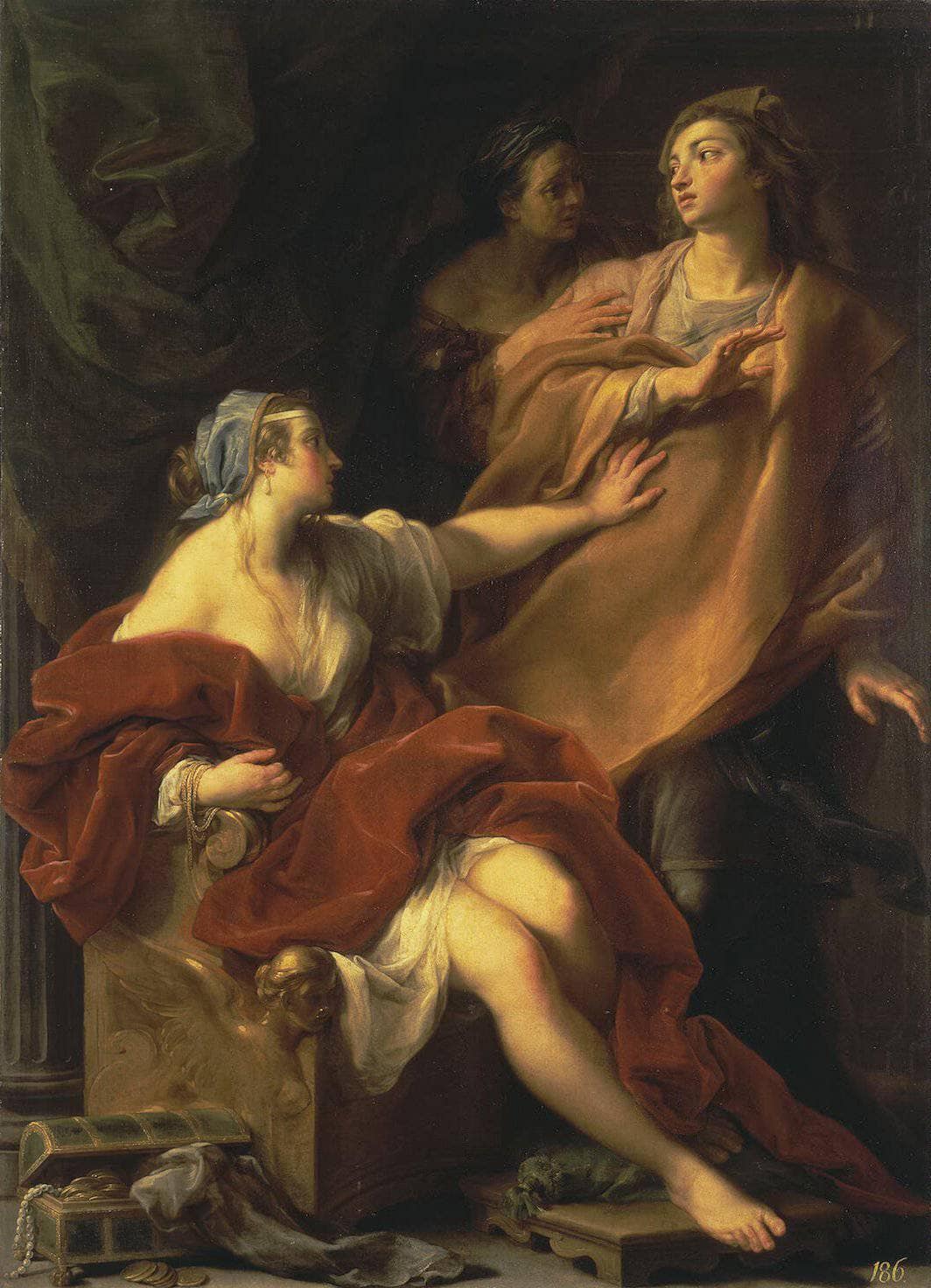
Allegory of Sensuality
Exploring the Allegory of Sensuality: A Masterpiece by Pompeo Batoni
Historical Context of the Allegory of Sensuality
The Influence of the 18th Century Art Movement
The 18th century was a vibrant period for art, marked by the Rococo and Neoclassical movements. Artists like Pompeo Batoni embraced these styles, blending elegance with emotional depth. The Allegory of Sensuality reflects the era's fascination with beauty, pleasure, and the human experience. This painting captures the essence of Enlightenment thought, where reason and sensuality coexisted, inviting viewers to explore their own desires.Pompeo Batoni: A Glimpse into the Artist's Life and Style
Pompeo Batoni, born in 1708 in Lucca, Italy, became a prominent figure in the Roman art scene. Known for his portraiture and historical scenes, Batoni's style is characterized by a delicate balance of realism and idealism. His works often feature rich colors and intricate details, showcasing his mastery of oil painting. Batoni's Allegory of Sensuality stands out as a testament to his ability to convey complex themes through visual storytelling.Patronage and the Role of Art in Enlightenment Society
During the Enlightenment, art served as a reflection of societal values and aspirations. Batoni received commissions from wealthy patrons, including nobility and intellectuals, who sought to display their sophistication through art. The Allegory of Sensuality was likely commissioned to celebrate the ideals of beauty and pleasure, making it a significant piece in the context of 18th-century patronage.Visual Elements of the Allegory of Sensuality
Color Palette: The Vibrant Hues and Their Symbolism
The color palette of the Allegory of Sensuality is rich and inviting. Batoni employs warm tones like deep reds, soft pinks, and golden yellows to evoke feelings of warmth and intimacy. These colors symbolize passion and desire, drawing the viewer into the sensual world he creates. The harmonious blend of colors enhances the painting's overall allure, making it a feast for the eyes.Composition: The Arrangement of Figures and Objects
Batoni's composition in the Allegory of Sensuality is masterful. The arrangement of figures creates a dynamic flow, guiding the viewer's gaze across the canvas. The central figure, often interpreted as a personification of sensuality, is surrounded by allegorical representations of love and beauty. This thoughtful placement emphasizes the interconnectedness of these themes, inviting deeper contemplation.Light and Shadow: Techniques that Enhance Sensuality
Light and shadow play a crucial role in Batoni's work. He skillfully uses chiaroscuro to create depth and dimension, enhancing the painting's sensuality. The soft illumination highlights the figures' curves and expressions, adding a layer of intimacy. This technique not only brings the painting to life but also evokes a sense of mystery and allure.Symbolism and Themes in the Allegory of Sensuality
Understanding Sensuality: A Deeper Look at the Theme
The theme of sensuality in Batoni's painting goes beyond mere physical attraction. It explores the emotional and intellectual aspects of desire. The Allegory of Sensuality invites viewers to reflect on their own experiences with love and passion. This deeper understanding of sensuality resonates with the Enlightenment's emphasis on human emotion and experience.Mythological References: Figures and Their Significance
Batoni incorporates mythological figures into the Allegory of Sensuality, enriching its narrative. Characters like Venus, the goddess of love, symbolize beauty and desire. These references connect the painting to classical traditions, reinforcing the timeless nature of its themes. The inclusion of these figures invites viewers to explore the cultural significance of love and sensuality throughout history.Emotional Resonance: How the Painting Evokes Feelings
The Allegory of Sensuality evokes a range of emotions, from longing to joy. Batoni's ability to capture the subtleties of human expression allows viewers to connect with the figures on a personal level. The painting's emotional resonance encourages introspection, prompting viewers to consider their own relationships and desires.Artistic Techniques Used by Pompeo Batoni
Oil Painting Techniques: Brushwork and Texture
Batoni's oil painting techniques are exemplary. His brushwork is both precise and fluid, creating a sense of movement within the composition. The texture of the paint adds depth, making the figures appear almost lifelike. This mastery of oil painting enhances the overall impact of the Allegory of Sensuality, setting it apart from other works of the time.Innovative Use of Space: Creating Depth and Dimension
Batoni's innovative use of space in the Allegory of Sensuality creates a three-dimensional effect. He skillfully arranges figures in the foreground and background, drawing the viewer into the scene. This technique not only adds depth but also enhances the narrative, allowing viewers to feel as if they are part of the painting's world.Comparative Analysis: Batoni's Style vs. His Contemporaries
When compared to his contemporaries, Batoni's style stands out for its elegance and emotional depth. While artists like Giovanni Battista Tiepolo focused on grand historical scenes, Batoni's work often centers on intimate moments. This unique approach allows the Allegory of Sensuality to resonate with viewers on a personal level, making it a significant contribution to 18th-century art.The Allegory of Sensuality in Modern Culture
Influence on Contemporary Artists and Art Movements
The Allegory of Sensuality continues to influence contemporary artists. Its themes of love and desire resonate in modern art, inspiring new interpretations and expressions. Artists today draw on Batoni's techniques and emotional depth, showcasing the painting's lasting impact on the art world.Reinterpretations in Popular Media and Literature
The themes of the Allegory of Sensuality have found their way into popular media and literature. Writers and filmmakers often reference its exploration of desire and beauty, demonstrating its relevance in contemporary culture. This ongoing dialogue highlights the painting's ability to transcend time and speak to universal human experiences.Exhibitions and Collections: Where to See the Original Work
The original Allegory of Sensuality is housed in prestigious collections, including the National Gallery of Canada. Art enthusiasts can view this masterpiece in person, experiencing its beauty and intricacies up close. Exhibitions featuring Batoni's work often showcase his contributions to 18th-century art, providing valuable insights into his artistic legacy.FAQs about the Allegory of Sensuality
What is the main theme of the Allegory of Sensuality?
The main theme of the Allegory of Sensuality is the exploration of desire, beauty, and the emotional aspects of human relationships.Who commissioned the Allegory of Sensuality and why?
The Allegory of Sensuality was likely commissioned by a wealthy patron seeking to celebrate the ideals of beauty and sensuality during the Enlightenment.What are the key symbols depicted in the painting?
Key symbols in the painting include mythological figures like Venus, representing love, and various allegorical elements that signify beauty and desire.How does the Allegory of Sensuality reflect 18th-century values?
The painting reflects 18th-century values by emphasizing the balance between reason and sensuality, showcasing the era's fascination with human emotion and experience.What techniques did Batoni use to create depth in the painting?
Batoni used chiaroscuro to create depth, along with innovative spatial arrangements that draw the viewer into the scene.How can I appreciate the nuances of the Allegory of Sensuality?
To appreciate the nuances, consider the emotional expressions, color choices, and mythological references that enrich the painting's narrative.What should I know about reproductions of this painting?
Reproductions of the Allegory of Sensuality are superior to prints, as they capture the intricate details and textures of the original oil painting, allowing for a more authentic experience.Are there any notable exhibitions featuring the Allegory of Sensuality?
Yes, notable exhibitions often feature the Allegory of Sensuality, particularly in art museums that focus on 18th-century European art, providing opportunities to view this masterpiece in person.Select Size
From $89.98
Original: $299.95
-70%Allegory of Sensuality—
$299.95
$89.98Product Information
Product Information
Shipping & Returns
Shipping & Returns