Peasants at the fountain said before
Discovering the Essence of "Peasants at the Fountain" by Ernest Hébert
Historical Context of the 19th Century French Art Scene
The Influence of Realism in French Painting
The 19th century marked a significant shift in the art world, particularly in France. Realism emerged as a powerful movement, focusing on everyday life and ordinary people. Artists sought to depict the world as it truly was, moving away from romanticized subjects. This shift allowed for a more authentic representation of society, highlighting the struggles and triumphs of the working class.
Ernest Hébert: A Pioneer of Naturalism
Ernest Hébert was a key figure in the Naturalism movement, which aimed to portray life with accuracy and detail. Born in 1817, Hébert's work often reflected the realities of rural life. His dedication to capturing the essence of peasant existence set him apart from his contemporaries. Hébert's paintings, including "Peasants at the Fountain," showcase his commitment to realism and his ability to convey deep emotional narratives.
Visual Analysis of "Peasants at the Fountain"
Composition and Color Palette: A Study in Earthy Tones
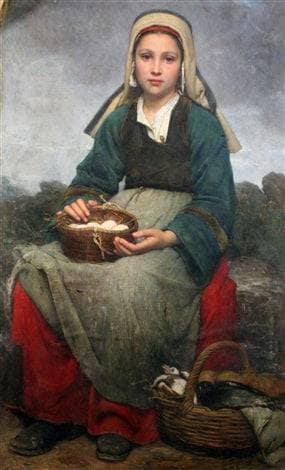
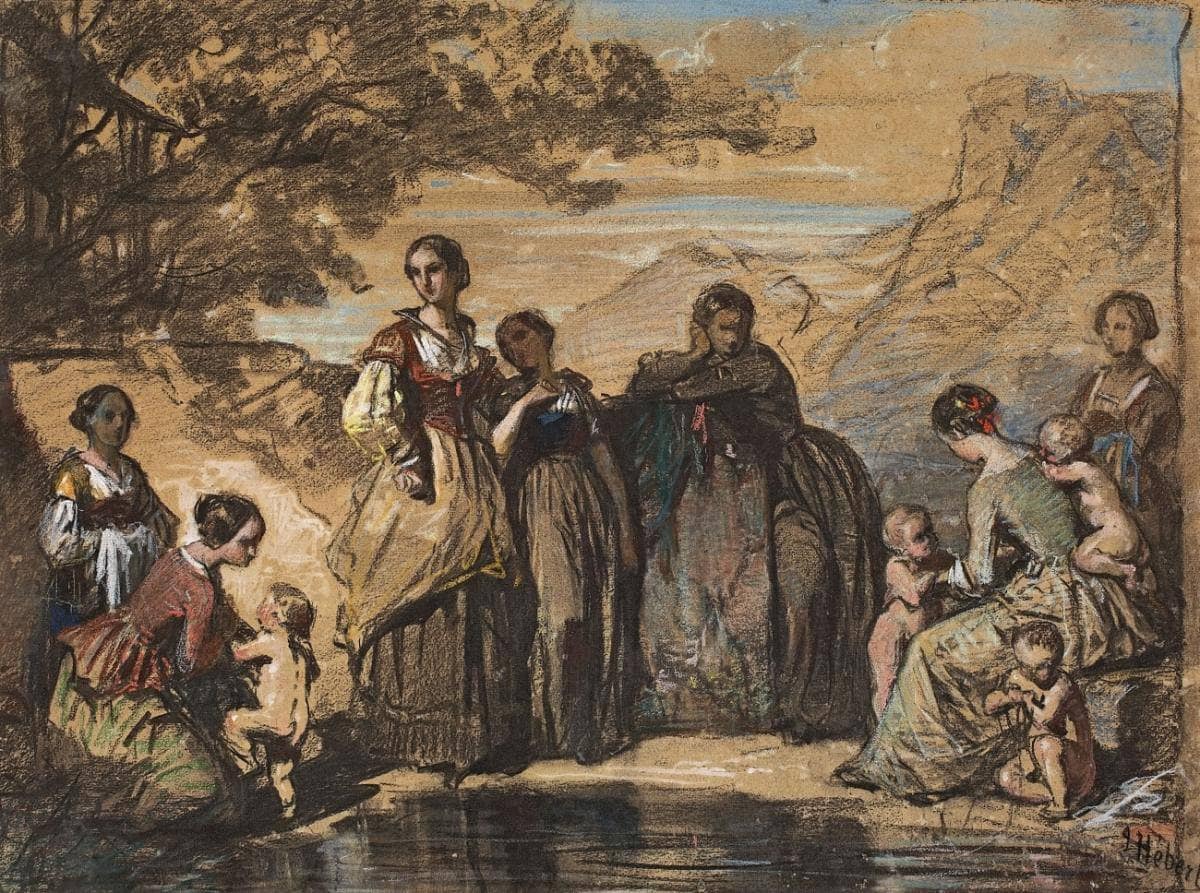
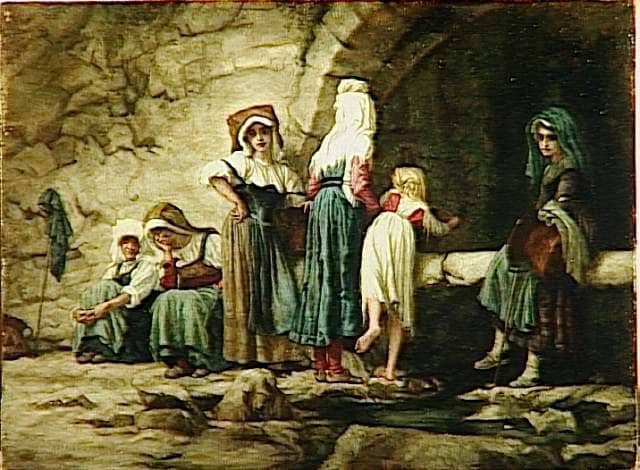
"Peasants at the Fountain" features a harmonious composition that draws the viewer's eye to the central fountain. The earthy tones of browns, greens, and muted blues create a warm, inviting atmosphere. Hébert's use of color enhances the natural setting, making the scene feel alive and relatable. The careful arrangement of figures around the fountain emphasizes community and interaction.
Figures and Expressions: Capturing Everyday Life
The figures in Hébert's painting are depicted with remarkable realism. Each peasant's expression tells a story, reflecting the joys and hardships of rural life. The attention to detail in their clothing and postures adds depth to their characters. Hébert's ability to capture genuine emotions makes this artwork a powerful representation of the human experience.
Symbolism of the Fountain: Water as a Source of Life
The fountain in the painting symbolizes more than just a water source; it represents life, community, and sustenance. Water is essential for survival, and its presence in the artwork highlights the importance of nature in the lives of the peasants. The fountain serves as a gathering place, fostering social connections among the characters.
Artistic Techniques Employed by Hébert
Brushwork and Texture: The Art of Oil Painting
Hébert's mastery of oil painting is evident in "Peasants at the Fountain." His brushwork creates a rich texture that brings the scene to life. The layering of paint adds depth and dimension, allowing viewers to appreciate the intricacies of the artwork. This technique enhances the realism, making the peasants and their environment feel tangible.
Light and Shadow: Creating Depth and Dimension
Light plays a crucial role in Hébert's composition. He skillfully uses light and shadow to create a sense of depth. The interplay of light highlights the figures and the fountain, drawing attention to their significance. This technique not only adds dimension but also evokes a mood that resonates with the viewer.
Thematic Exploration: Life of the Rural Peasantry
Social Commentary: The Struggles of the Working Class
"Peasants at the Fountain" serves as a poignant social commentary on the lives of the rural working class. Hébert sheds light on their daily struggles, emphasizing the hard work and resilience of these individuals. The painting invites viewers to reflect on the socio-economic conditions of the time, making it a powerful historical document.
Community and Togetherness: A Glimpse into Peasant Life
The gathering of peasants around the fountain illustrates the importance of community. Hébert captures a moment of connection, showcasing the bonds formed through shared experiences. This theme of togetherness resonates throughout the painting, highlighting the strength found in unity among the rural population.
Ernest Hébert's Legacy and Influence
Impact on Future Generations of Artists
Hébert's influence extends beyond his lifetime. His dedication to realism and naturalism inspired future generations of artists. Many sought to emulate his techniques and themes, recognizing the importance of portraying everyday life with authenticity. Hébert's legacy lives on in the works of contemporary artists who continue to explore similar subjects.
Recognition and Exhibitions: Where to See His Work
Ernest Hébert's works have been featured in various prestigious exhibitions. Art enthusiasts can find "Peasants at the Fountain" in notable galleries, where it stands as a testament to his artistic prowess. Museums dedicated to 19th-century art often showcase his contributions, allowing visitors to appreciate his unique perspective on rural life.
Comparative Analysis with Contemporary Works
Similarities with Other Realist Artists
Hébert's work shares similarities with other prominent Realist artists, such as Gustave Courbet and Jean-François Millet. Like them, Hébert focused on the lives of ordinary people, portraying their struggles and triumphs. This common thread of realism connects their works, creating a rich tapestry of 19th-century art.
Contrasts with Impressionism: A Different Perspective
While Impressionism celebrated light and color, Hébert's realism grounded itself in the everyday experiences of the peasantry. His focus on detail and narrative contrasts sharply with the fleeting moments captured by Impressionist artists. This distinction highlights the diverse approaches to art during the 19th century, showcasing the depth of artistic expression.
FAQs about "Peasants at the Fountain"
What is the story behind "Peasants at the Fountain"?
"Peasants at the Fountain" depicts a serene moment in rural life, showcasing the daily activities of peasants as they gather around a fountain. The painting reflects the social dynamics and community spirit of the time.
What techniques did Ernest Hébert use in this painting?
Hébert employed oil painting techniques, utilizing brushwork and layering to create texture. His use of light and shadow adds depth, enhancing the realism of the scene.
How does "Peasants at the Fountain" reflect the social issues of its time?
The painting highlights the struggles of the working class, emphasizing their daily lives and the importance of community. It serves as a commentary on the socio-economic conditions faced by rural populations in 19th-century France.
What are the main themes depicted in the painting?
Main themes include community, resilience, and the connection to nature. The fountain symbolizes life and social interaction among the peasants.
Where can I view the original "Peasants at the Fountain"?
The original painting can be viewed in select museums that focus on 19th-century French art. Check local listings for exhibitions featuring Hébert's work.
FAQs about the Painting Reproduction
What should I consider when purchasing a reproduction of this painting?
When purchasing a reproduction, consider the quality of materials used, the level of detail, and the artist's technique. Look for reproductions that capture the essence of the original oil painting.
How can I ensure the quality of the reproduction matches the original?
Choose a reputable seller who specializes in high-quality art reproductions. Look for reproductions that use premium canvas and oil paints to ensure they reflect the original's vibrancy and texture.
Original: $299.95
-70%$299.95
$89.98Product Information
Product Information
Shipping & Returns
Shipping & Returns
Description
Discovering the Essence of "Peasants at the Fountain" by Ernest Hébert
Historical Context of the 19th Century French Art Scene
The Influence of Realism in French Painting
The 19th century marked a significant shift in the art world, particularly in France. Realism emerged as a powerful movement, focusing on everyday life and ordinary people. Artists sought to depict the world as it truly was, moving away from romanticized subjects. This shift allowed for a more authentic representation of society, highlighting the struggles and triumphs of the working class.
Ernest Hébert: A Pioneer of Naturalism
Ernest Hébert was a key figure in the Naturalism movement, which aimed to portray life with accuracy and detail. Born in 1817, Hébert's work often reflected the realities of rural life. His dedication to capturing the essence of peasant existence set him apart from his contemporaries. Hébert's paintings, including "Peasants at the Fountain," showcase his commitment to realism and his ability to convey deep emotional narratives.
Visual Analysis of "Peasants at the Fountain"
Composition and Color Palette: A Study in Earthy Tones
"Peasants at the Fountain" features a harmonious composition that draws the viewer's eye to the central fountain. The earthy tones of browns, greens, and muted blues create a warm, inviting atmosphere. Hébert's use of color enhances the natural setting, making the scene feel alive and relatable. The careful arrangement of figures around the fountain emphasizes community and interaction.
Figures and Expressions: Capturing Everyday Life
The figures in Hébert's painting are depicted with remarkable realism. Each peasant's expression tells a story, reflecting the joys and hardships of rural life. The attention to detail in their clothing and postures adds depth to their characters. Hébert's ability to capture genuine emotions makes this artwork a powerful representation of the human experience.
Symbolism of the Fountain: Water as a Source of Life
The fountain in the painting symbolizes more than just a water source; it represents life, community, and sustenance. Water is essential for survival, and its presence in the artwork highlights the importance of nature in the lives of the peasants. The fountain serves as a gathering place, fostering social connections among the characters.
Artistic Techniques Employed by Hébert
Brushwork and Texture: The Art of Oil Painting
Hébert's mastery of oil painting is evident in "Peasants at the Fountain." His brushwork creates a rich texture that brings the scene to life. The layering of paint adds depth and dimension, allowing viewers to appreciate the intricacies of the artwork. This technique enhances the realism, making the peasants and their environment feel tangible.
Light and Shadow: Creating Depth and Dimension
Light plays a crucial role in Hébert's composition. He skillfully uses light and shadow to create a sense of depth. The interplay of light highlights the figures and the fountain, drawing attention to their significance. This technique not only adds dimension but also evokes a mood that resonates with the viewer.
Thematic Exploration: Life of the Rural Peasantry
Social Commentary: The Struggles of the Working Class
"Peasants at the Fountain" serves as a poignant social commentary on the lives of the rural working class. Hébert sheds light on their daily struggles, emphasizing the hard work and resilience of these individuals. The painting invites viewers to reflect on the socio-economic conditions of the time, making it a powerful historical document.
Community and Togetherness: A Glimpse into Peasant Life
The gathering of peasants around the fountain illustrates the importance of community. Hébert captures a moment of connection, showcasing the bonds formed through shared experiences. This theme of togetherness resonates throughout the painting, highlighting the strength found in unity among the rural population.
Ernest Hébert's Legacy and Influence
Impact on Future Generations of Artists
Hébert's influence extends beyond his lifetime. His dedication to realism and naturalism inspired future generations of artists. Many sought to emulate his techniques and themes, recognizing the importance of portraying everyday life with authenticity. Hébert's legacy lives on in the works of contemporary artists who continue to explore similar subjects.
Recognition and Exhibitions: Where to See His Work
Ernest Hébert's works have been featured in various prestigious exhibitions. Art enthusiasts can find "Peasants at the Fountain" in notable galleries, where it stands as a testament to his artistic prowess. Museums dedicated to 19th-century art often showcase his contributions, allowing visitors to appreciate his unique perspective on rural life.
Comparative Analysis with Contemporary Works
Similarities with Other Realist Artists
Hébert's work shares similarities with other prominent Realist artists, such as Gustave Courbet and Jean-François Millet. Like them, Hébert focused on the lives of ordinary people, portraying their struggles and triumphs. This common thread of realism connects their works, creating a rich tapestry of 19th-century art.
Contrasts with Impressionism: A Different Perspective
While Impressionism celebrated light and color, Hébert's realism grounded itself in the everyday experiences of the peasantry. His focus on detail and narrative contrasts sharply with the fleeting moments captured by Impressionist artists. This distinction highlights the diverse approaches to art during the 19th century, showcasing the depth of artistic expression.
FAQs about "Peasants at the Fountain"
What is the story behind "Peasants at the Fountain"?
"Peasants at the Fountain" depicts a serene moment in rural life, showcasing the daily activities of peasants as they gather around a fountain. The painting reflects the social dynamics and community spirit of the time.
What techniques did Ernest Hébert use in this painting?
Hébert employed oil painting techniques, utilizing brushwork and layering to create texture. His use of light and shadow adds depth, enhancing the realism of the scene.
How does "Peasants at the Fountain" reflect the social issues of its time?
The painting highlights the struggles of the working class, emphasizing their daily lives and the importance of community. It serves as a commentary on the socio-economic conditions faced by rural populations in 19th-century France.
What are the main themes depicted in the painting?
Main themes include community, resilience, and the connection to nature. The fountain symbolizes life and social interaction among the peasants.
Where can I view the original "Peasants at the Fountain"?
The original painting can be viewed in select museums that focus on 19th-century French art. Check local listings for exhibitions featuring Hébert's work.
FAQs about the Painting Reproduction
What should I consider when purchasing a reproduction of this painting?
When purchasing a reproduction, consider the quality of materials used, the level of detail, and the artist's technique. Look for reproductions that capture the essence of the original oil painting.
How can I ensure the quality of the reproduction matches the original?
Choose a reputable seller who specializes in high-quality art reproductions. Look for reproductions that use premium canvas and oil paints to ensure they reflect the original's vibrancy and texture.