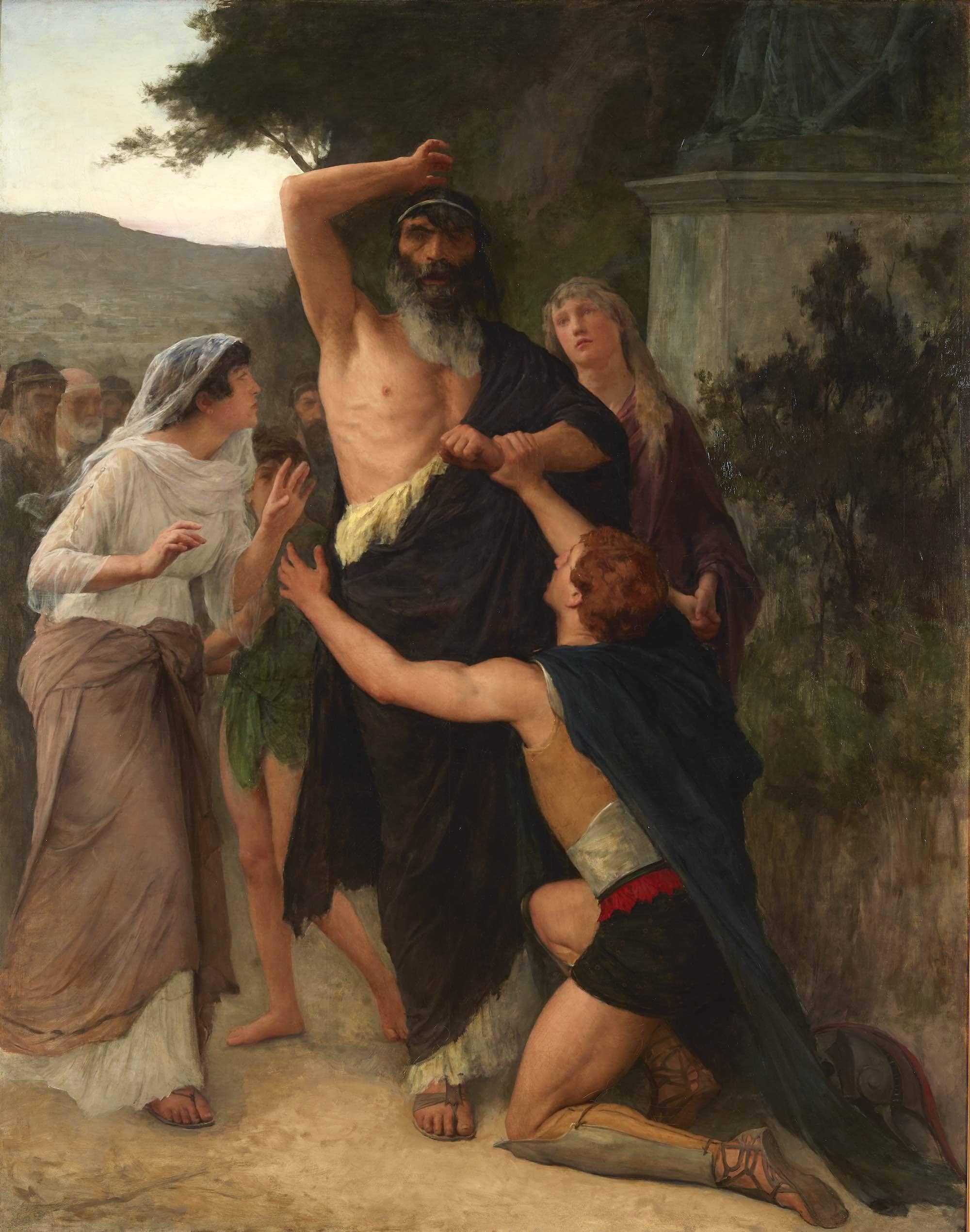
Oedipus curses his son Polynices
Exploring the Dramatic Themes in ‚àö√¢mile Friant's Oedipus Curses His Son Polynices
The Tragic Narrative of Oedipus and Polynices
Understanding the Mythological Context of Oedipus
The story of Oedipus is one of the most powerful tales in Greek mythology. Oedipus, the tragic hero, unknowingly fulfills a prophecy that foretells he will kill his father and marry his mother. This dark narrative explores themes of fate, free will, and the consequences of human actions. In this painting, Friant captures the moment when Oedipus confronts his son Polynices, filled with rage and despair. This moment is pivotal, as it highlights the tragic fallout of Oedipus's past decisions.
Polynices: The Symbol of Betrayal and Conflict
Polynices represents the ultimate betrayal in the family saga. He defies his father and seeks to reclaim the throne of Thebes, leading to a fierce conflict. This struggle between father and son embodies the themes of loyalty, ambition, and the tragic consequences of familial discord. Polynices' actions are not just personal; they reflect the broader societal conflicts of power and morality in ancient Greece.
‚àö√¢mile Friant: The Master of Emotional Expression in Art
A Brief Biography of ‚àö√¢mile Friant and His Artistic Journey
‚àö√¢mile Friant was a prominent French painter born in 1863. He became known for his ability to convey deep emotions through his art. His works often draw from historical and mythological themes, showcasing his fascination with human experiences. Friant's artistic journey led him to explore various styles, but he ultimately found his voice in blending realism with rich symbolism.
Friant's Unique Style: Blending Realism with Symbolism
Friant's paintings are characterized by their emotional depth and intricate details. He skillfully combines realistic portrayals with symbolic elements, creating a narrative that resonates with viewers. In "Oedipus Curses His Son Polynices," he uses this technique to enhance the emotional weight of the scene, inviting the audience to engage with the characters' turmoil.
Visual Analysis of Oedipus Curses His Son Polynices
Color Palette and Its Emotional Impact
The Use of Dark Tones to Convey Despair
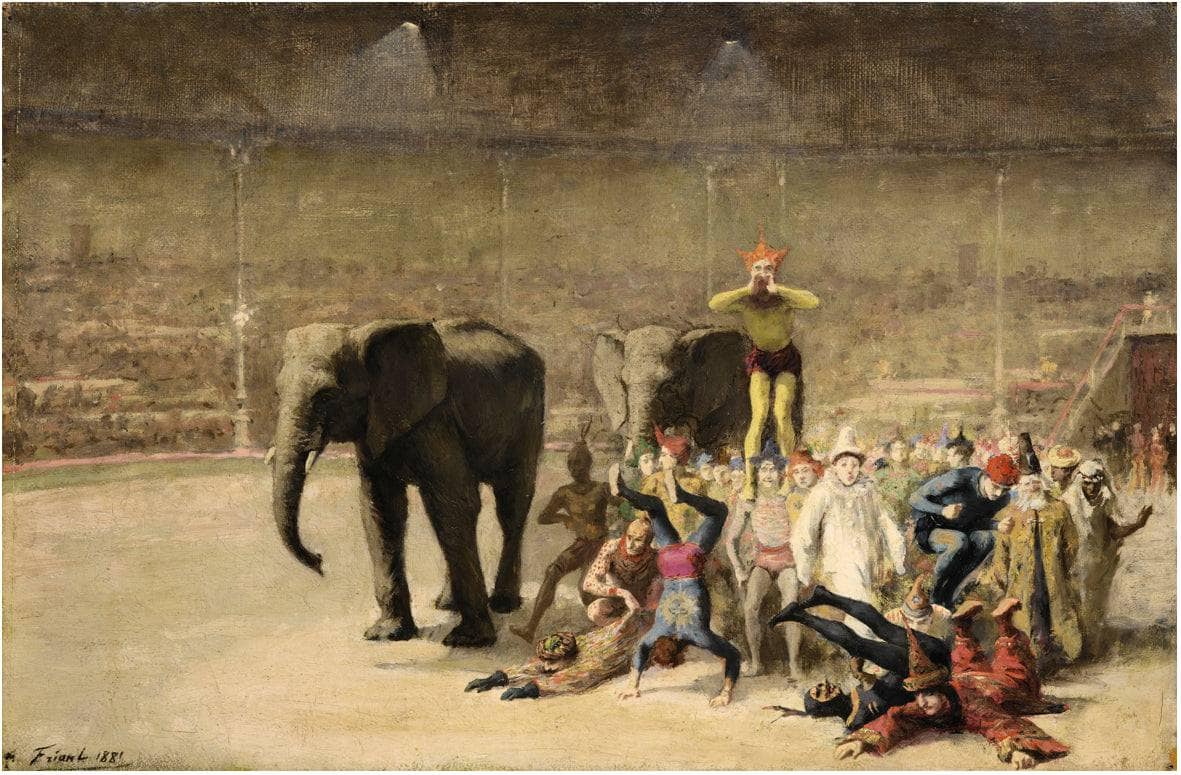
The color palette in this painting is dominated by dark, moody tones that evoke a sense of despair. Deep blues and blacks envelop the figures, emphasizing the tragic nature of the scene. These colors reflect the heavy emotions of anger and sorrow that Oedipus feels as he curses his son.
Contrasting Light: Symbolism of Hope and Despair
In contrast to the dark tones, Friant employs strategic highlights to symbolize fleeting hope amidst despair. The interplay of light and shadow creates a dramatic tension that draws the viewer's eye. This contrast serves to remind us that even in the depths of tragedy, there can be moments of clarity and understanding.
Composition and Perspective: Drawing the Viewer In
Dynamic Poses and Their Significance
Friant's use of dynamic poses adds to the painting's emotional intensity. Oedipus's outstretched arm and Polynices's defensive stance create a palpable tension. This composition invites viewers to witness the conflict, making them feel part of the unfolding drama.
Foreground vs. Background: Creating Depth and Tension
The careful arrangement of figures in the foreground against a blurred background enhances the sense of depth. This technique emphasizes the emotional struggle between Oedipus and Polynices, making their confrontation the focal point of the artwork. The background, while less defined, hints at the chaos surrounding their tragic fate.
The Cultural and Historical Significance of the Painting
Influence of Greek Tragedy on 19th Century Art
Greek tragedy profoundly influenced 19th-century art, inspiring artists like Friant to explore complex human emotions. The themes of fate, conflict, and moral dilemmas found in Greek myths resonated with contemporary audiences. "Oedipus Curses His Son Polynices" serves as a bridge between ancient narratives and modern artistic expression.
How Oedipus' Story Resonates Through Time
The story of Oedipus continues to resonate today, reflecting timeless human struggles. Themes of familial conflict, betrayal, and the search for identity are universal. Friant's painting captures this essence, making it relevant across generations.
Art as a Reflection of Societal Values in Friant's Era
During Friant's time, society grappled with issues of authority, morality, and the consequences of individual actions. His artwork reflects these societal values, encouraging viewers to reflect on their own lives. The emotional depth in "Oedipus Curses His Son Polynices" invites contemplation of the human condition.
Reception and Legacy of Oedipus Curses His Son Polynices
Critical Acclaim: How Art Critics Viewed Friant's Work
Upon its release, "Oedipus Curses His Son Polynices" received critical acclaim for its emotional depth and technical skill. Critics praised Friant's ability to convey complex emotions through his brushwork and composition. This painting solidified his reputation as a master of emotional expression in art.
The Painting's Place in Art History and Modern Interpretations
This artwork holds a significant place in art history, representing the intersection of classical themes and modern artistic techniques. Today, it continues to inspire discussions about the nature of tragedy and the human experience. Modern interpretations often explore the psychological aspects of the characters, adding layers to the original narrative.
Frequently Asked Questions About Oedipus Curses His Son Polynices
What is the story behind Oedipus Curses His Son Polynices?
The painting depicts the moment when Oedipus confronts his son Polynices, filled with anger and despair over their tragic fate. It captures the essence of betrayal and familial conflict central to the Oedipus myth.
What artistic techniques did ‚àö√¢mile Friant use in this painting?
Friant employed a blend of realism and symbolism, using dynamic poses, a dramatic color palette, and careful composition to convey deep emotions and tension between the characters.
How does this painting reflect the themes of Greek tragedy?
The painting embodies themes of fate, conflict, and the consequences of human actions, mirroring the tragic narratives found in Greek mythology. It invites viewers to reflect on the complexities of human relationships.
What emotions does the painting evoke in viewers?
Viewers often feel a mix of sorrow, anger, and empathy when observing the painting. The emotional intensity of the characters draws the audience into their tragic plight.
How has the interpretation of this painting changed over time?
Over time, interpretations have evolved to include psychological analyses of the characters. Modern viewers often explore the deeper emotional and moral dilemmas presented in the artwork.
What are the key elements that make this painting significant?
The key elements include its emotional depth, dynamic composition, and the powerful themes of betrayal and conflict. These aspects contribute to its lasting impact in the art world.
What should I know about the reproduction of this painting?
Art reproductions of "Oedipus Curses His Son Polynices" are superior to prints, as they capture the intricate details and textures of the original painting. A high-quality reproduction allows you to appreciate Friant's artistry in your own space.
How can I display a reproduction of Oedipus Curses His Son Polynices in my home?
To display a reproduction effectively, consider placing it in a well-lit area where it can be admired. Pair it with complementary decor to enhance its dramatic presence. A prominent wall or gallery space can create a stunning focal point in your home.
Original: $299.95
-70%$299.95
$89.98Product Information
Product Information
Shipping & Returns
Shipping & Returns
Description
Exploring the Dramatic Themes in ‚àö√¢mile Friant's Oedipus Curses His Son Polynices
The Tragic Narrative of Oedipus and Polynices
Understanding the Mythological Context of Oedipus
The story of Oedipus is one of the most powerful tales in Greek mythology. Oedipus, the tragic hero, unknowingly fulfills a prophecy that foretells he will kill his father and marry his mother. This dark narrative explores themes of fate, free will, and the consequences of human actions. In this painting, Friant captures the moment when Oedipus confronts his son Polynices, filled with rage and despair. This moment is pivotal, as it highlights the tragic fallout of Oedipus's past decisions.
Polynices: The Symbol of Betrayal and Conflict
Polynices represents the ultimate betrayal in the family saga. He defies his father and seeks to reclaim the throne of Thebes, leading to a fierce conflict. This struggle between father and son embodies the themes of loyalty, ambition, and the tragic consequences of familial discord. Polynices' actions are not just personal; they reflect the broader societal conflicts of power and morality in ancient Greece.
‚àö√¢mile Friant: The Master of Emotional Expression in Art
A Brief Biography of ‚àö√¢mile Friant and His Artistic Journey
‚àö√¢mile Friant was a prominent French painter born in 1863. He became known for his ability to convey deep emotions through his art. His works often draw from historical and mythological themes, showcasing his fascination with human experiences. Friant's artistic journey led him to explore various styles, but he ultimately found his voice in blending realism with rich symbolism.
Friant's Unique Style: Blending Realism with Symbolism
Friant's paintings are characterized by their emotional depth and intricate details. He skillfully combines realistic portrayals with symbolic elements, creating a narrative that resonates with viewers. In "Oedipus Curses His Son Polynices," he uses this technique to enhance the emotional weight of the scene, inviting the audience to engage with the characters' turmoil.
Visual Analysis of Oedipus Curses His Son Polynices
Color Palette and Its Emotional Impact
The Use of Dark Tones to Convey Despair
The color palette in this painting is dominated by dark, moody tones that evoke a sense of despair. Deep blues and blacks envelop the figures, emphasizing the tragic nature of the scene. These colors reflect the heavy emotions of anger and sorrow that Oedipus feels as he curses his son.
Contrasting Light: Symbolism of Hope and Despair
In contrast to the dark tones, Friant employs strategic highlights to symbolize fleeting hope amidst despair. The interplay of light and shadow creates a dramatic tension that draws the viewer's eye. This contrast serves to remind us that even in the depths of tragedy, there can be moments of clarity and understanding.
Composition and Perspective: Drawing the Viewer In
Dynamic Poses and Their Significance
Friant's use of dynamic poses adds to the painting's emotional intensity. Oedipus's outstretched arm and Polynices's defensive stance create a palpable tension. This composition invites viewers to witness the conflict, making them feel part of the unfolding drama.
Foreground vs. Background: Creating Depth and Tension
The careful arrangement of figures in the foreground against a blurred background enhances the sense of depth. This technique emphasizes the emotional struggle between Oedipus and Polynices, making their confrontation the focal point of the artwork. The background, while less defined, hints at the chaos surrounding their tragic fate.
The Cultural and Historical Significance of the Painting
Influence of Greek Tragedy on 19th Century Art
Greek tragedy profoundly influenced 19th-century art, inspiring artists like Friant to explore complex human emotions. The themes of fate, conflict, and moral dilemmas found in Greek myths resonated with contemporary audiences. "Oedipus Curses His Son Polynices" serves as a bridge between ancient narratives and modern artistic expression.
How Oedipus' Story Resonates Through Time
The story of Oedipus continues to resonate today, reflecting timeless human struggles. Themes of familial conflict, betrayal, and the search for identity are universal. Friant's painting captures this essence, making it relevant across generations.
Art as a Reflection of Societal Values in Friant's Era
During Friant's time, society grappled with issues of authority, morality, and the consequences of individual actions. His artwork reflects these societal values, encouraging viewers to reflect on their own lives. The emotional depth in "Oedipus Curses His Son Polynices" invites contemplation of the human condition.
Reception and Legacy of Oedipus Curses His Son Polynices
Critical Acclaim: How Art Critics Viewed Friant's Work
Upon its release, "Oedipus Curses His Son Polynices" received critical acclaim for its emotional depth and technical skill. Critics praised Friant's ability to convey complex emotions through his brushwork and composition. This painting solidified his reputation as a master of emotional expression in art.
The Painting's Place in Art History and Modern Interpretations
This artwork holds a significant place in art history, representing the intersection of classical themes and modern artistic techniques. Today, it continues to inspire discussions about the nature of tragedy and the human experience. Modern interpretations often explore the psychological aspects of the characters, adding layers to the original narrative.
Frequently Asked Questions About Oedipus Curses His Son Polynices
What is the story behind Oedipus Curses His Son Polynices?
The painting depicts the moment when Oedipus confronts his son Polynices, filled with anger and despair over their tragic fate. It captures the essence of betrayal and familial conflict central to the Oedipus myth.
What artistic techniques did ‚àö√¢mile Friant use in this painting?
Friant employed a blend of realism and symbolism, using dynamic poses, a dramatic color palette, and careful composition to convey deep emotions and tension between the characters.
How does this painting reflect the themes of Greek tragedy?
The painting embodies themes of fate, conflict, and the consequences of human actions, mirroring the tragic narratives found in Greek mythology. It invites viewers to reflect on the complexities of human relationships.
What emotions does the painting evoke in viewers?
Viewers often feel a mix of sorrow, anger, and empathy when observing the painting. The emotional intensity of the characters draws the audience into their tragic plight.
How has the interpretation of this painting changed over time?
Over time, interpretations have evolved to include psychological analyses of the characters. Modern viewers often explore the deeper emotional and moral dilemmas presented in the artwork.
What are the key elements that make this painting significant?
The key elements include its emotional depth, dynamic composition, and the powerful themes of betrayal and conflict. These aspects contribute to its lasting impact in the art world.
What should I know about the reproduction of this painting?
Art reproductions of "Oedipus Curses His Son Polynices" are superior to prints, as they capture the intricate details and textures of the original painting. A high-quality reproduction allows you to appreciate Friant's artistry in your own space.
How can I display a reproduction of Oedipus Curses His Son Polynices in my home?
To display a reproduction effectively, consider placing it in a well-lit area where it can be admired. Pair it with complementary decor to enhance its dramatic presence. A prominent wall or gallery space can create a stunning focal point in your home.