The Virgin of Deliverance
The Virgin of Deliverance: A Masterpiece by Ernest Hébert
Exploring the Historical Context of The Virgin of Deliverance
The Influence of 19th Century French Art Movements
The Virgin of Deliverance emerged during a vibrant period in 19th-century France, marked by the Romantic and Realist art movements. Artists sought to express deep emotions and explore the human condition. This painting reflects the era's fascination with spirituality and the divine, showcasing how art served as a medium for both personal and societal reflection.
Ernest Hébert: Life and Artistic Journey
Ernest Hébert, born in 1817, was a prominent figure in French art. He studied at the École des Beaux-Arts and became known for his unique blend of Romanticism and realism. Hébert's travels across Europe enriched his artistic vision, allowing him to draw inspiration from various cultures and artistic styles. His dedication to portraying religious themes, particularly the Virgin Mary, set him apart in the art world.
Religious Themes in Art: The Significance of Virgin Mary
The Virgin Mary has long been a symbol of compassion, protection, and maternal love in art. In The Virgin of Deliverance, Hébert captures her essence as a beacon of hope. This painting not only reflects religious devotion but also resonates with the struggles of women in society, making it a powerful statement on faith and resilience.
Visual Analysis of The Virgin of Deliverance
Color Palette: The Emotional Impact of Blues and Golds
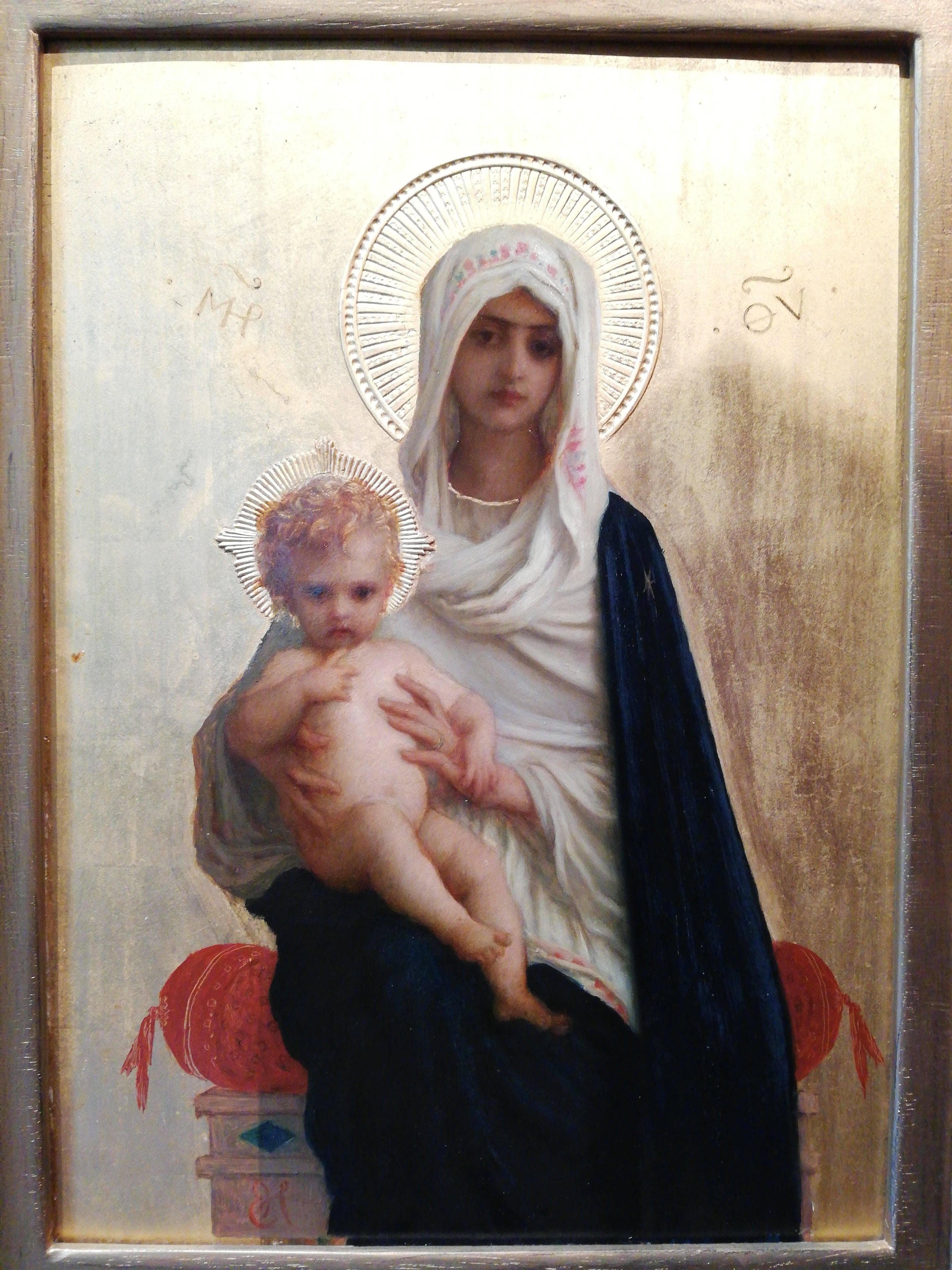
The color palette of The Virgin of Deliverance is striking, dominated by deep blues and radiant golds. The blues evoke tranquility and spirituality, while the golds symbolize divine light and glory. This combination creates an emotional atmosphere that draws viewers into the painting's serene yet powerful narrative.
Composition Techniques: Balance and Symmetry in the Painting
Hébert expertly employs balance and symmetry in his composition. The Virgin Mary is centrally positioned, surrounded by harmonious elements that guide the viewer's eye. This careful arrangement enhances the painting's sense of stability and reverence, inviting contemplation and reflection.
Symbolism in The Virgin of Deliverance: A Deeper Look
Every element in The Virgin of Deliverance carries symbolic weight. The flowers at Mary's feet represent purity and new beginnings, while the soft drapery of her garments signifies grace. Hébert's use of symbolism invites viewers to explore deeper meanings, connecting personal experiences with the universal themes of faith and deliverance.
The Artistic Techniques Employed by Hébert
Brushwork and Texture: Capturing Emotion on Canvas
Hébert's brushwork is both delicate and expressive. He skillfully layers paint to create texture, giving life to the fabric and skin of the figures. This technique allows viewers to feel the emotions conveyed in the painting, making it a truly immersive experience.
Light and Shadow: Creating Depth and Dimension
Light and shadow play a crucial role in The Virgin of Deliverance. Hébert masterfully manipulates light to highlight the Virgin's face, drawing attention to her serene expression. The shadows add depth, creating a three-dimensional effect that enhances the painting's realism.
Influence of Romanticism: Expressive Elements in the Painting
The influence of Romanticism is evident in Hébert's expressive style. He captures the emotional intensity of the Virgin Mary, portraying her as a figure of strength and compassion. This approach resonates with viewers, evoking feelings of empathy and connection.
The Virgin of Deliverance: Cultural and Religious Significance
Depiction of Virgin Mary: A Symbol of Hope and Protection
In The Virgin of Deliverance, Mary embodies hope and protection. Her gentle gaze and outstretched hands offer comfort to those in distress. This portrayal reflects the societal need for spiritual guidance during a time of change and uncertainty in 19th-century France.
Art as a Reflection of Society: The Role of Women in 19th Century France
The painting also comments on the role of women in society. During the 19th century, women were often seen as symbols of virtue and morality. Hébert's depiction of the Virgin Mary elevates this perception, highlighting women's strength and influence in both the spiritual and social realms.
Patronage and Reception: How the Painting Was Received
The Virgin of Deliverance received acclaim upon its unveiling. Patrons admired Hébert's ability to blend technical skill with profound themes. The painting became a beloved piece in the art community, celebrated for its emotional depth and spiritual resonance.
Comparative Analysis: The Virgin of Deliverance and Other Works
Contrasting with Contemporary Artists: A Study of Similar Themes
When compared to contemporary artists, The Virgin of Deliverance stands out for its unique blend of realism and romantic expression. While other artists explored similar themes, Hébert's focus on the Virgin Mary as a central figure offers a distinct perspective that continues to inspire discussions about faith and femininity in art.
Influence on Future Generations of Artists
Hébert's work has influenced many artists who followed. His techniques and thematic choices paved the way for future explorations of religious and emotional subjects in art. The Virgin of Deliverance remains a reference point for artists seeking to convey deep spiritual narratives.
Legacy of The Virgin of Deliverance in Modern Art
The legacy of The Virgin of Deliverance endures in modern art. Its themes of hope, protection, and the strength of women resonate with contemporary audiences. Artists today continue to draw inspiration from Hébert's masterful portrayal of the Virgin Mary, ensuring that this masterpiece remains relevant.
First-Hand Experience: Viewing The Virgin of Deliverance
Visiting Museums: Where to See the Original Painting
The original The Virgin of Deliverance can be viewed at the Musée d'Orsay in Paris. This museum houses an impressive collection of 19th-century art, making it a must-visit for art enthusiasts. Experiencing the painting in person allows viewers to appreciate its scale and detail fully.
Emotional Reactions: What to Expect When You View It
When you stand before The Virgin of Deliverance, expect to feel a wave of emotion. The serene expression of the Virgin Mary and the rich colors create a calming atmosphere. Many viewers report feelings of peace and reflection, making the experience truly transformative.
Art Appreciation: Engaging with Hébert's Work
Engaging with Hébert's work involves more than just viewing; it requires contemplation. Take time to explore the details, the brushwork, and the symbolism. Understanding the context and themes enhances appreciation, allowing you to connect with the painting on a deeper level.
FAQs About The Virgin of Deliverance
What is the story behind The Virgin of Deliverance?
The Virgin of Deliverance tells the story of hope and protection through the figure of the Virgin Mary. It reflects the societal struggles of the time and serves as a reminder of faith's power in overcoming adversity.
What techniques did Ernest Hébert use in this painting?
Hébert employed techniques such as layered brushwork, strategic use of light and shadow, and a balanced composition to create depth and emotion in The Virgin of Deliverance.
How does The Virgin of Deliverance reflect 19th-century values?
The painting reflects 19th-century values by emphasizing spirituality, the role of women, and the importance of hope during a time of social change. It captures the essence of the era's artistic and cultural movements.
What are the main themes depicted in The Virgin of Deliverance?
Main themes include hope, protection, and the strength of femininity. The Virgin Mary serves as a central figure representing compassion and resilience in the face of challenges.
How has The Virgin of Deliverance influenced modern art?
The Virgin of Deliverance has influenced modern art by inspiring artists to explore themes of spirituality and emotional depth. Its legacy continues to resonate, encouraging new interpretations of religious subjects.
FAQs About The Virgin of Deliverance Reproduction
What should I consider when purchasing a reproduction of The Virgin of Deliverance?
When purchasing a reproduction, consider the quality of materials, the accuracy of colors, and the craftsmanship. A high-quality painting reproduction will capture the essence of Hébert's original work far better than a simple print.
How can I ensure the quality of a reproduction of this painting?
To ensure quality, look for reproductions created by skilled artists using premium materials. Check for details like brushwork and texture that mimic the original painting, as these elements enhance the overall experience.
Original: $299.95
-70%$299.95
$89.98Product Information
Product Information
Shipping & Returns
Shipping & Returns
Description
The Virgin of Deliverance: A Masterpiece by Ernest Hébert
Exploring the Historical Context of The Virgin of Deliverance
The Influence of 19th Century French Art Movements
The Virgin of Deliverance emerged during a vibrant period in 19th-century France, marked by the Romantic and Realist art movements. Artists sought to express deep emotions and explore the human condition. This painting reflects the era's fascination with spirituality and the divine, showcasing how art served as a medium for both personal and societal reflection.
Ernest Hébert: Life and Artistic Journey
Ernest Hébert, born in 1817, was a prominent figure in French art. He studied at the École des Beaux-Arts and became known for his unique blend of Romanticism and realism. Hébert's travels across Europe enriched his artistic vision, allowing him to draw inspiration from various cultures and artistic styles. His dedication to portraying religious themes, particularly the Virgin Mary, set him apart in the art world.
Religious Themes in Art: The Significance of Virgin Mary
The Virgin Mary has long been a symbol of compassion, protection, and maternal love in art. In The Virgin of Deliverance, Hébert captures her essence as a beacon of hope. This painting not only reflects religious devotion but also resonates with the struggles of women in society, making it a powerful statement on faith and resilience.
Visual Analysis of The Virgin of Deliverance
Color Palette: The Emotional Impact of Blues and Golds
The color palette of The Virgin of Deliverance is striking, dominated by deep blues and radiant golds. The blues evoke tranquility and spirituality, while the golds symbolize divine light and glory. This combination creates an emotional atmosphere that draws viewers into the painting's serene yet powerful narrative.
Composition Techniques: Balance and Symmetry in the Painting
Hébert expertly employs balance and symmetry in his composition. The Virgin Mary is centrally positioned, surrounded by harmonious elements that guide the viewer's eye. This careful arrangement enhances the painting's sense of stability and reverence, inviting contemplation and reflection.
Symbolism in The Virgin of Deliverance: A Deeper Look
Every element in The Virgin of Deliverance carries symbolic weight. The flowers at Mary's feet represent purity and new beginnings, while the soft drapery of her garments signifies grace. Hébert's use of symbolism invites viewers to explore deeper meanings, connecting personal experiences with the universal themes of faith and deliverance.
The Artistic Techniques Employed by Hébert
Brushwork and Texture: Capturing Emotion on Canvas
Hébert's brushwork is both delicate and expressive. He skillfully layers paint to create texture, giving life to the fabric and skin of the figures. This technique allows viewers to feel the emotions conveyed in the painting, making it a truly immersive experience.
Light and Shadow: Creating Depth and Dimension
Light and shadow play a crucial role in The Virgin of Deliverance. Hébert masterfully manipulates light to highlight the Virgin's face, drawing attention to her serene expression. The shadows add depth, creating a three-dimensional effect that enhances the painting's realism.
Influence of Romanticism: Expressive Elements in the Painting
The influence of Romanticism is evident in Hébert's expressive style. He captures the emotional intensity of the Virgin Mary, portraying her as a figure of strength and compassion. This approach resonates with viewers, evoking feelings of empathy and connection.
The Virgin of Deliverance: Cultural and Religious Significance
Depiction of Virgin Mary: A Symbol of Hope and Protection
In The Virgin of Deliverance, Mary embodies hope and protection. Her gentle gaze and outstretched hands offer comfort to those in distress. This portrayal reflects the societal need for spiritual guidance during a time of change and uncertainty in 19th-century France.
Art as a Reflection of Society: The Role of Women in 19th Century France
The painting also comments on the role of women in society. During the 19th century, women were often seen as symbols of virtue and morality. Hébert's depiction of the Virgin Mary elevates this perception, highlighting women's strength and influence in both the spiritual and social realms.
Patronage and Reception: How the Painting Was Received
The Virgin of Deliverance received acclaim upon its unveiling. Patrons admired Hébert's ability to blend technical skill with profound themes. The painting became a beloved piece in the art community, celebrated for its emotional depth and spiritual resonance.
Comparative Analysis: The Virgin of Deliverance and Other Works
Contrasting with Contemporary Artists: A Study of Similar Themes
When compared to contemporary artists, The Virgin of Deliverance stands out for its unique blend of realism and romantic expression. While other artists explored similar themes, Hébert's focus on the Virgin Mary as a central figure offers a distinct perspective that continues to inspire discussions about faith and femininity in art.
Influence on Future Generations of Artists
Hébert's work has influenced many artists who followed. His techniques and thematic choices paved the way for future explorations of religious and emotional subjects in art. The Virgin of Deliverance remains a reference point for artists seeking to convey deep spiritual narratives.
Legacy of The Virgin of Deliverance in Modern Art
The legacy of The Virgin of Deliverance endures in modern art. Its themes of hope, protection, and the strength of women resonate with contemporary audiences. Artists today continue to draw inspiration from Hébert's masterful portrayal of the Virgin Mary, ensuring that this masterpiece remains relevant.
First-Hand Experience: Viewing The Virgin of Deliverance
Visiting Museums: Where to See the Original Painting
The original The Virgin of Deliverance can be viewed at the Musée d'Orsay in Paris. This museum houses an impressive collection of 19th-century art, making it a must-visit for art enthusiasts. Experiencing the painting in person allows viewers to appreciate its scale and detail fully.
Emotional Reactions: What to Expect When You View It
When you stand before The Virgin of Deliverance, expect to feel a wave of emotion. The serene expression of the Virgin Mary and the rich colors create a calming atmosphere. Many viewers report feelings of peace and reflection, making the experience truly transformative.
Art Appreciation: Engaging with Hébert's Work
Engaging with Hébert's work involves more than just viewing; it requires contemplation. Take time to explore the details, the brushwork, and the symbolism. Understanding the context and themes enhances appreciation, allowing you to connect with the painting on a deeper level.
FAQs About The Virgin of Deliverance
What is the story behind The Virgin of Deliverance?
The Virgin of Deliverance tells the story of hope and protection through the figure of the Virgin Mary. It reflects the societal struggles of the time and serves as a reminder of faith's power in overcoming adversity.
What techniques did Ernest Hébert use in this painting?
Hébert employed techniques such as layered brushwork, strategic use of light and shadow, and a balanced composition to create depth and emotion in The Virgin of Deliverance.
How does The Virgin of Deliverance reflect 19th-century values?
The painting reflects 19th-century values by emphasizing spirituality, the role of women, and the importance of hope during a time of social change. It captures the essence of the era's artistic and cultural movements.
What are the main themes depicted in The Virgin of Deliverance?
Main themes include hope, protection, and the strength of femininity. The Virgin Mary serves as a central figure representing compassion and resilience in the face of challenges.
How has The Virgin of Deliverance influenced modern art?
The Virgin of Deliverance has influenced modern art by inspiring artists to explore themes of spirituality and emotional depth. Its legacy continues to resonate, encouraging new interpretations of religious subjects.
FAQs About The Virgin of Deliverance Reproduction
What should I consider when purchasing a reproduction of The Virgin of Deliverance?
When purchasing a reproduction, consider the quality of materials, the accuracy of colors, and the craftsmanship. A high-quality painting reproduction will capture the essence of Hébert's original work far better than a simple print.
How can I ensure the quality of a reproduction of this painting?
To ensure quality, look for reproductions created by skilled artists using premium materials. Check for details like brushwork and texture that mimic the original painting, as these elements enhance the overall experience.