🚚 Free Worldwide Shipping on All Orders!Shop Now

Joseph's Coup
Discovering Joseph's Coup: A Masterpiece by Ernest Hébert
Historical Context of Joseph's Coup: The Era of Romanticism
Understanding the Romantic Movement in Art
The Romantic movement, which flourished in the late 18th and early 19th centuries, emphasized emotion, individualism, and the beauty of nature. Artists sought to express deep feelings and explore the human experience. This period was a reaction against the rationalism of the Enlightenment, focusing instead on the sublime and the dramatic. In this context, Ernest Hébert's work stands out as a vivid representation of these ideals, capturing the essence of human emotion through his art.Ernest Hébert's Influence and Contributions
Ernest Hébert, a prominent French painter, played a significant role in the Romantic movement. Born in 1817, he was influenced by the works of EugÉne Delacroix and other contemporaries. Hébert's unique approach combined classical themes with emotional depth, making his paintings resonate with viewers. His dedication to historical subjects, like in "Joseph's Coup," showcases his ability to blend narrative and artistry, leaving a lasting impact on the art world.Visual Analysis of Joseph's Coup: Composition and Color Palette
Examining the Use of Light and Shadow
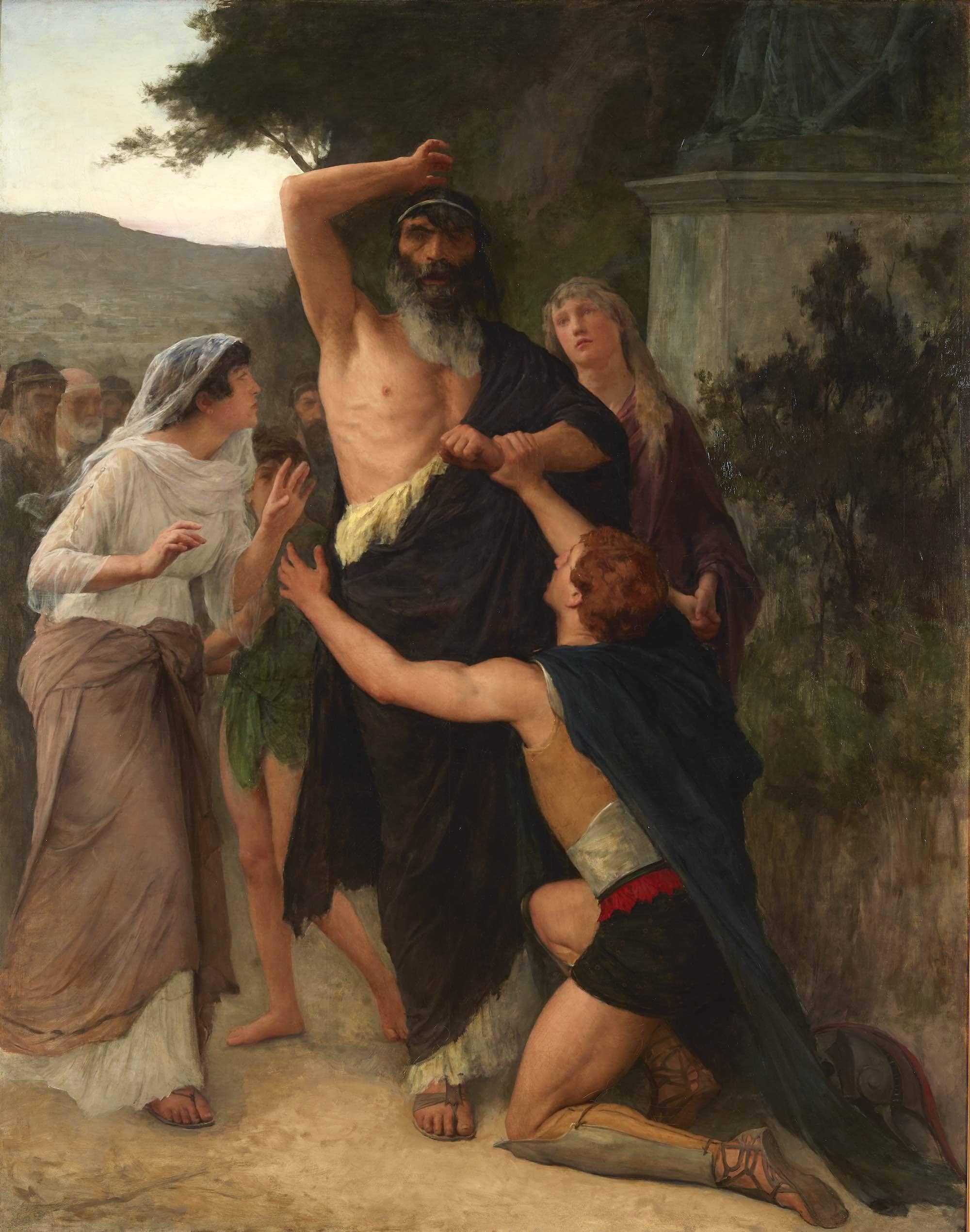
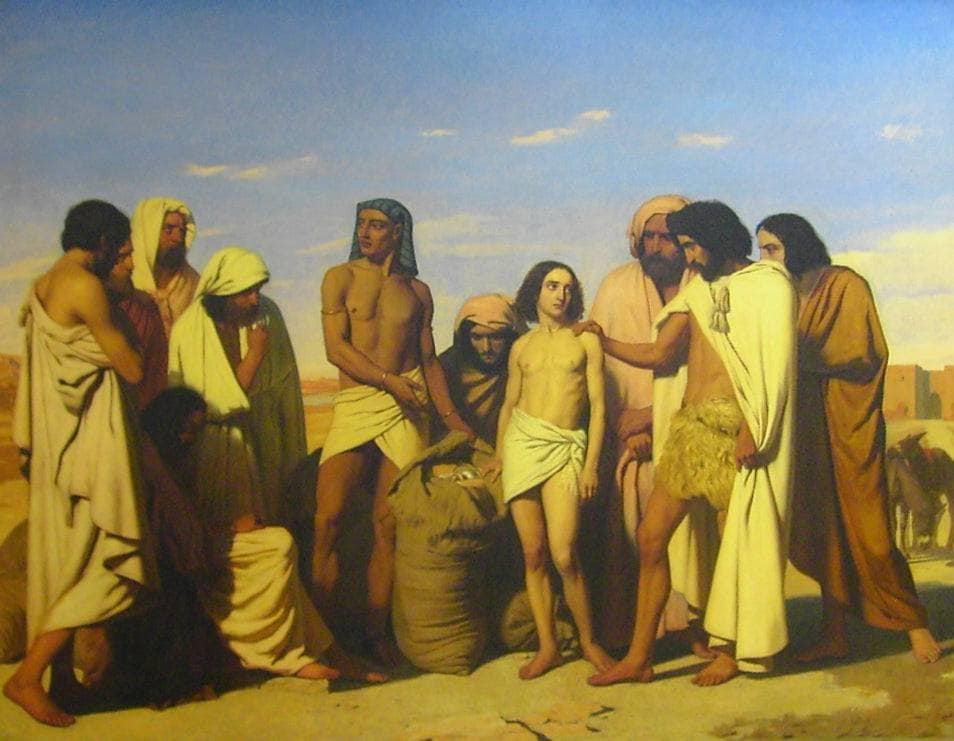
In "Joseph's Coup," Hébert masterfully employs chiaroscuro, the contrast of light and shadow, to create a dramatic atmosphere. The interplay of light highlights the central figures, drawing the viewer's eye to the emotional core of the painting. This technique not only enhances the three-dimensionality of the scene but also emphasizes the tension between the characters, making the narrative more compelling.Color Symbolism in Joseph's Coup
The color palette of "Joseph's Coup" is rich and evocative. Hébert uses deep reds and earthy browns to convey passion and conflict, while softer hues of blue and green suggest hope and redemption. Each color choice serves a purpose, enhancing the emotional weight of the story being told. The vibrant colors invite viewers to explore the layers of meaning within the artwork.Figures and Their Significance in the Painting
The figures in "Joseph's Coup" are not just characters; they embody complex emotions and themes. Joseph, depicted with a look of anguish, represents betrayal and the struggle for forgiveness. His brothers, with expressions of guilt and remorse, reflect the consequences of their actions. Hébert's attention to detail in their expressions and postures adds depth to the narrative, inviting viewers to engage with the story on a personal level.Thematic Exploration: The Narrative Behind Joseph's Coup
Interpreting the Story of Joseph and His Brothers
"Joseph's Coup" draws inspiration from the biblical tale of Joseph and his brothers, a story rich with themes of jealousy, betrayal, and eventual reconciliation. Hébert captures the pivotal moment when Joseph reveals his identity to his brothers, a scene filled with tension and emotional complexity. This narrative invites viewers to reflect on their own experiences of family dynamics and forgiveness.Emotional Depth: Themes of Betrayal and Redemption
The painting delves deep into the emotional landscape of betrayal and redemption. Joseph's pain is palpable, while his brothers' regret is evident. Hébert's portrayal of these themes resonates with anyone who has faced conflict in relationships. The artwork serves as a reminder of the power of forgiveness and the possibility of healing, making it timeless and relatable.Ernest Hébert's Artistic Techniques: Brushwork and Style
Analyzing Hébert's Signature Techniques
Hébert's brushwork is characterized by a blend of precision and fluidity. He skillfully uses both fine details and broad strokes to create texture and movement within the painting. This technique allows for a dynamic composition that draws the viewer into the emotional turmoil of the scene. His ability to balance realism with expressive brushwork sets him apart from his contemporaries.Comparative Study: Hébert vs. His Contemporaries
When compared to other artists of his time, Hébert's style stands out for its emotional intensity. While artists like Delacroix focused on dramatic scenes, Hébert infused his works with a personal touch, often exploring intimate moments. This unique approach allows "Joseph's Coup" to resonate deeply with viewers, making it a significant contribution to 19th-century art.Joseph's Coup in the Context of 19th Century French Art
Influence on Future Generations of Artists
"Joseph's Coup" has left a lasting legacy in the art world. Hébert's exploration of emotional themes and historical narratives influenced future generations of artists. His ability to convey complex human experiences through painting paved the way for later movements, including Symbolism and Impressionism. Artists who followed were inspired by his techniques and thematic depth.Joseph's Coup: A Reflection of Societal Values
The painting also reflects the societal values of 19th-century France. During this time, themes of family, morality, and redemption were prevalent in art and literature. Hébert's work captures the essence of these values, making it a mirror of the cultural landscape of his time. "Joseph's Coup" serves as a historical document, revealing the concerns and aspirations of society.Visiting the Original: Where to Experience Joseph's Coup
Key Museums and Exhibitions Featuring Hébert's Work
Art lovers can experience "Joseph's Coup" in person at prominent museums that showcase Hébert's work. The original painting is housed in the Musée des Beaux-Arts in Strasbourg, France. This museum offers a rich collection of 19th-century art, providing context for Hébert's contributions to the Romantic movement.Virtual Tours and Online Resources for Art Lovers
For those unable to visit in person, many online resources offer virtual tours of museums featuring Hébert's work. Websites like Google Arts & Culture provide high-resolution images and detailed descriptions of "Joseph's Coup." These digital platforms allow art enthusiasts to explore the painting's intricacies from the comfort of their homes.FAQs About Joseph's Coup by Ernest Hébert
What is the story behind Joseph's Coup?
"Joseph's Coup" depicts the biblical story of Joseph revealing his identity to his brothers, exploring themes of betrayal and forgiveness.What techniques did Ernest Hébert use in this painting?
Hébert used chiaroscuro to create depth, along with a rich color palette to convey emotion and narrative.How does Joseph's Coup reflect the Romantic era?
The painting embodies Romantic ideals by emphasizing emotion, individual experience, and dramatic storytelling.What emotions does the painting evoke?
"Joseph's Coup" evokes feelings of anguish, regret, and the hope of redemption, resonating with viewers on a personal level.Where can I see the original Joseph's Coup?
The original painting is located at the Musée des Beaux-Arts in Strasbourg, France, a key destination for art lovers.FAQs About Joseph's Coup Art Reproduction
What makes a reproduction of Joseph's Coup valuable?
A reproduction of "Joseph's Coup" captures the original's emotional depth and artistic techniques, making it a valuable addition to any art collection.How can I ensure the quality of a Joseph's Coup reproduction?
To ensure quality, look for reproductions created using high-quality materials and techniques that replicate the original painting's details and colors. Choose reputable art reproduction companies that specialize in oil painting reproductions, as they offer superior quality compared to standard prints.Select Size
From $89.98
Original: $299.95
-70%Joseph's Coup—
$299.95
$89.98Product Information
Product Information
Shipping & Returns
Shipping & Returns