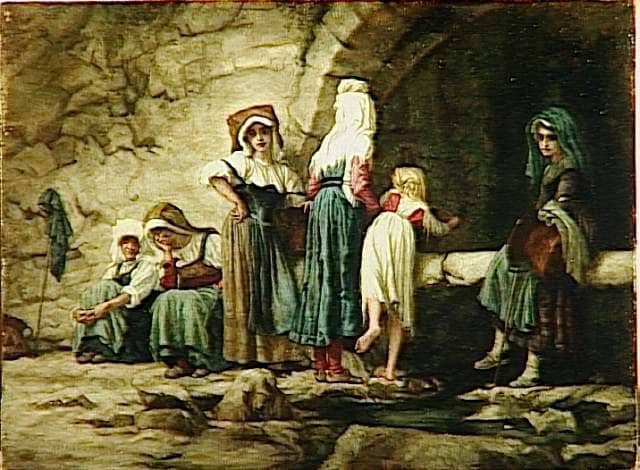
Female bathers
Exploring the Artistic Essence of Female Bathers by Ernest Hébert
Historical Context of the 19th Century French Art Scene
The Influence of Romanticism on Hébert's Work
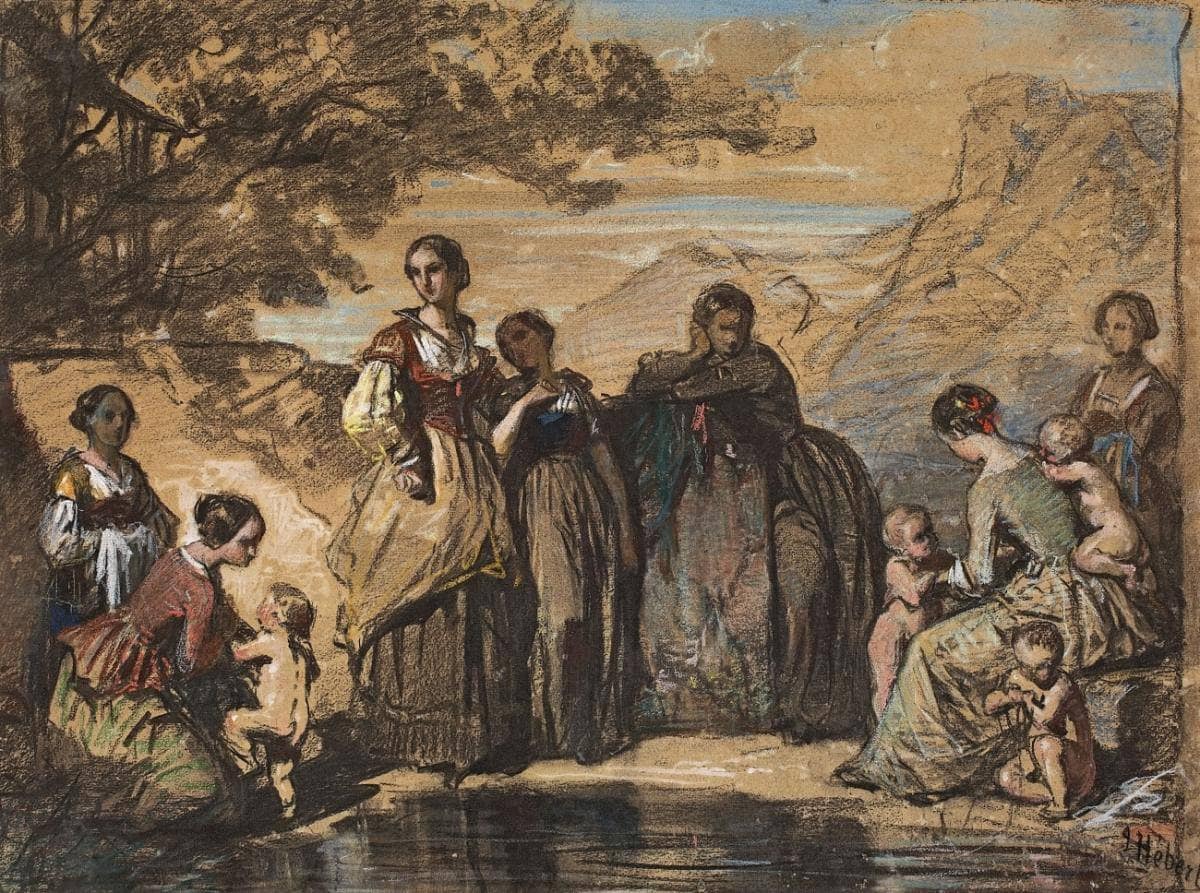
In the 19th century, France experienced a vibrant artistic revolution. Romanticism emerged as a powerful movement, emphasizing emotion, nature, and individualism. Ernest Hébert, a prominent figure in this era, infused his works with the romantic spirit. His painting, Female Bathers, captures the essence of this movement, showcasing the beauty of the female form in a serene natural setting.
Key Art Movements and Their Impact on Female Bathers
Hébert's Female Bathers reflects the influence of various art movements, including Realism and Impressionism. These movements focused on depicting everyday life and the effects of light. Hébert skillfully blended these styles, creating a unique representation of women in nature. The painting serves as a bridge between the romantic ideals of beauty and the emerging modernist perspectives of the time.
Visual Analysis of Female Bathers: Composition and Color Palette
Understanding the Use of Light and Shadow in the Painting
Light and shadow play a crucial role in Female Bathers. Hébert masterfully uses chiaroscuro to create depth and dimension. The soft, dappled sunlight filters through the trees, illuminating the bathers and enhancing their natural beauty. This technique draws the viewer's eye and invites them into the tranquil scene.
Color Symbolism: The Meaning Behind the Hues
The color palette of Female Bathers is rich and evocative. Hébert employs soft pastels and vibrant greens to symbolize tranquility and vitality. The warm skin tones of the bathers contrast beautifully with the cool blues of the water, representing harmony between humanity and nature. Each hue carries emotional weight, inviting viewers to explore their own feelings about the scene.
Figures and Forms: The Representation of Femininity
In Female Bathers, Hébert presents the female figures with grace and elegance. The bathers are depicted in relaxed poses, celebrating the beauty of the female form. Their flowing hair and soft curves embody femininity and sensuality. This representation challenges traditional views of women in art, showcasing them as powerful and free in their natural environment.
Ernest Hébert: A Deep Dive into the Artist's Life and Style
Biographical Insights: Hébert's Journey as a Painter
Ernest Hébert was born in 1817 in France and became a significant figure in the art world. He studied at the École des Beaux-Arts and was influenced by the works of Delacroix and Courbet. Hébert's travels across Europe enriched his artistic vision, allowing him to develop a unique style that combined romanticism with realism.
Signature Techniques: Brushwork and Texture in Hébert's Art
Hébert's brushwork is characterized by fluidity and precision. He often used a technique called "alla prima," applying paint directly onto the canvas without underpainting. This method gives his works a vibrant texture and immediacy. In Female Bathers, the brushstrokes create a sense of movement, making the scene feel alive and dynamic.
Comparative Analysis: Hébert and His Contemporaries
When compared to his contemporaries, Hébert stands out for his focus on the female experience. While artists like Gustave Courbet emphasized realism, Hébert blended romantic ideals with a modern sensibility. His ability to capture the essence of femininity in nature sets him apart, making Female Bathers a significant work in the context of 19th-century art.
Thematic Exploration: Nature and Femininity in Female Bathers
Symbolism of Water: A Reflection of Emotion and Freedom
Water in Female Bathers symbolizes both emotion and freedom. It serves as a backdrop for the bathers, representing purity and renewal. The act of bathing is often associated with cleansing and liberation, reflecting the women's connection to nature. This theme resonates deeply, inviting viewers to contemplate their own relationship with the natural world.
Women in Nature: The Role of Bathers in Art History
Throughout art history, women have often been depicted in natural settings. Hébert's Female Bathers contributes to this tradition, showcasing women as integral parts of the landscape. This portrayal challenges societal norms, celebrating women's autonomy and their connection to the earth. It invites a dialogue about the role of women in both art and society.
Reception and Legacy of Female Bathers in Art History
Critical Reception: How Art Critics Viewed the Painting
Upon its release, Female Bathers received mixed reviews from critics. Some praised Hébert's innovative approach to femininity and nature, while others felt it strayed too far from traditional representations. Over time, however, the painting has gained recognition for its beauty and emotional depth, solidifying Hébert's place in art history.
Influence on Future Generations of Artists
Female Bathers has inspired countless artists in the years since its creation. Its themes of femininity and nature resonate with modern audiences, influencing contemporary art movements. Artists continue to explore similar motifs, drawing from Hébert's legacy to create new interpretations of women in nature.
Connecting with the Artwork: Personal Reflections and Interpretations
First-Hand Experience: Viewing Female Bathers in a Gallery Setting
Experiencing Female Bathers in person is a transformative experience. The painting's scale and vibrant colors draw viewers in, creating an intimate connection. Standing before the artwork, one can appreciate the intricate details and the emotional resonance it evokes. The serene atmosphere invites contemplation and reflection.
Emotional Resonance: What the Painting Evokes in Viewers
Female Bathers evokes a range of emotions, from tranquility to nostalgia. The peaceful scene encourages viewers to reflect on their own experiences with nature and femininity. Many find themselves transported to a serene moment, feeling a deep connection to the bathers and their environment. This emotional depth is what makes Hébert's work timeless.
FAQs About Female Bathers by Ernest Hébert
What is the story behind the painting Female Bathers?
Female Bathers captures a serene moment of women enjoying nature. It reflects Hébert's fascination with femininity and the beauty of the natural world.
How does Female Bathers reflect the values of its time?
The painting embodies the romantic ideals of the 19th century, celebrating emotion, nature, and the female experience. It challenges traditional gender roles and highlights women's autonomy.
What techniques did Ernest Hébert use in this painting?
Hébert employed techniques like chiaroscuro and alla prima to create depth and texture. His brushwork adds a sense of movement and life to the scene.
What are the main themes depicted in Female Bathers?
The main themes include femininity, nature, and the symbolism of water. The painting explores the relationship between women and their natural surroundings.
How has Female Bathers influenced modern art?
Female Bathers has inspired modern artists to explore themes of femininity and nature. Its emotional depth and innovative representation continue to resonate in contemporary art.
FAQs About Painting Reproductions
What should I consider when purchasing a reproduction of Female Bathers?
When purchasing a reproduction, consider the quality of materials, the artist's techniques, and the level of detail. A high-quality painting reproduction captures the essence of the original artwork.
How can I ensure the quality of a painting reproduction?
To ensure quality, look for reproductions created using archival materials and techniques. Unlike prints, painting reproductions offer a richer texture and a more authentic representation of the original work.
Original: $299.95
-70%$299.95
$89.98Product Information
Product Information
Shipping & Returns
Shipping & Returns
Description
Exploring the Artistic Essence of Female Bathers by Ernest Hébert
Historical Context of the 19th Century French Art Scene
The Influence of Romanticism on Hébert's Work
In the 19th century, France experienced a vibrant artistic revolution. Romanticism emerged as a powerful movement, emphasizing emotion, nature, and individualism. Ernest Hébert, a prominent figure in this era, infused his works with the romantic spirit. His painting, Female Bathers, captures the essence of this movement, showcasing the beauty of the female form in a serene natural setting.
Key Art Movements and Their Impact on Female Bathers
Hébert's Female Bathers reflects the influence of various art movements, including Realism and Impressionism. These movements focused on depicting everyday life and the effects of light. Hébert skillfully blended these styles, creating a unique representation of women in nature. The painting serves as a bridge between the romantic ideals of beauty and the emerging modernist perspectives of the time.
Visual Analysis of Female Bathers: Composition and Color Palette
Understanding the Use of Light and Shadow in the Painting
Light and shadow play a crucial role in Female Bathers. Hébert masterfully uses chiaroscuro to create depth and dimension. The soft, dappled sunlight filters through the trees, illuminating the bathers and enhancing their natural beauty. This technique draws the viewer's eye and invites them into the tranquil scene.
Color Symbolism: The Meaning Behind the Hues
The color palette of Female Bathers is rich and evocative. Hébert employs soft pastels and vibrant greens to symbolize tranquility and vitality. The warm skin tones of the bathers contrast beautifully with the cool blues of the water, representing harmony between humanity and nature. Each hue carries emotional weight, inviting viewers to explore their own feelings about the scene.
Figures and Forms: The Representation of Femininity
In Female Bathers, Hébert presents the female figures with grace and elegance. The bathers are depicted in relaxed poses, celebrating the beauty of the female form. Their flowing hair and soft curves embody femininity and sensuality. This representation challenges traditional views of women in art, showcasing them as powerful and free in their natural environment.
Ernest Hébert: A Deep Dive into the Artist's Life and Style
Biographical Insights: Hébert's Journey as a Painter
Ernest Hébert was born in 1817 in France and became a significant figure in the art world. He studied at the École des Beaux-Arts and was influenced by the works of Delacroix and Courbet. Hébert's travels across Europe enriched his artistic vision, allowing him to develop a unique style that combined romanticism with realism.
Signature Techniques: Brushwork and Texture in Hébert's Art
Hébert's brushwork is characterized by fluidity and precision. He often used a technique called "alla prima," applying paint directly onto the canvas without underpainting. This method gives his works a vibrant texture and immediacy. In Female Bathers, the brushstrokes create a sense of movement, making the scene feel alive and dynamic.
Comparative Analysis: Hébert and His Contemporaries
When compared to his contemporaries, Hébert stands out for his focus on the female experience. While artists like Gustave Courbet emphasized realism, Hébert blended romantic ideals with a modern sensibility. His ability to capture the essence of femininity in nature sets him apart, making Female Bathers a significant work in the context of 19th-century art.
Thematic Exploration: Nature and Femininity in Female Bathers
Symbolism of Water: A Reflection of Emotion and Freedom
Water in Female Bathers symbolizes both emotion and freedom. It serves as a backdrop for the bathers, representing purity and renewal. The act of bathing is often associated with cleansing and liberation, reflecting the women's connection to nature. This theme resonates deeply, inviting viewers to contemplate their own relationship with the natural world.
Women in Nature: The Role of Bathers in Art History
Throughout art history, women have often been depicted in natural settings. Hébert's Female Bathers contributes to this tradition, showcasing women as integral parts of the landscape. This portrayal challenges societal norms, celebrating women's autonomy and their connection to the earth. It invites a dialogue about the role of women in both art and society.
Reception and Legacy of Female Bathers in Art History
Critical Reception: How Art Critics Viewed the Painting
Upon its release, Female Bathers received mixed reviews from critics. Some praised Hébert's innovative approach to femininity and nature, while others felt it strayed too far from traditional representations. Over time, however, the painting has gained recognition for its beauty and emotional depth, solidifying Hébert's place in art history.
Influence on Future Generations of Artists
Female Bathers has inspired countless artists in the years since its creation. Its themes of femininity and nature resonate with modern audiences, influencing contemporary art movements. Artists continue to explore similar motifs, drawing from Hébert's legacy to create new interpretations of women in nature.
Connecting with the Artwork: Personal Reflections and Interpretations
First-Hand Experience: Viewing Female Bathers in a Gallery Setting
Experiencing Female Bathers in person is a transformative experience. The painting's scale and vibrant colors draw viewers in, creating an intimate connection. Standing before the artwork, one can appreciate the intricate details and the emotional resonance it evokes. The serene atmosphere invites contemplation and reflection.
Emotional Resonance: What the Painting Evokes in Viewers
Female Bathers evokes a range of emotions, from tranquility to nostalgia. The peaceful scene encourages viewers to reflect on their own experiences with nature and femininity. Many find themselves transported to a serene moment, feeling a deep connection to the bathers and their environment. This emotional depth is what makes Hébert's work timeless.
FAQs About Female Bathers by Ernest Hébert
What is the story behind the painting Female Bathers?
Female Bathers captures a serene moment of women enjoying nature. It reflects Hébert's fascination with femininity and the beauty of the natural world.
How does Female Bathers reflect the values of its time?
The painting embodies the romantic ideals of the 19th century, celebrating emotion, nature, and the female experience. It challenges traditional gender roles and highlights women's autonomy.
What techniques did Ernest Hébert use in this painting?
Hébert employed techniques like chiaroscuro and alla prima to create depth and texture. His brushwork adds a sense of movement and life to the scene.
What are the main themes depicted in Female Bathers?
The main themes include femininity, nature, and the symbolism of water. The painting explores the relationship between women and their natural surroundings.
How has Female Bathers influenced modern art?
Female Bathers has inspired modern artists to explore themes of femininity and nature. Its emotional depth and innovative representation continue to resonate in contemporary art.
FAQs About Painting Reproductions
What should I consider when purchasing a reproduction of Female Bathers?
When purchasing a reproduction, consider the quality of materials, the artist's techniques, and the level of detail. A high-quality painting reproduction captures the essence of the original artwork.
How can I ensure the quality of a painting reproduction?
To ensure quality, look for reproductions created using archival materials and techniques. Unlike prints, painting reproductions offer a richer texture and a more authentic representation of the original work.