🚚 Free Worldwide Shipping on All Orders!Shop Now

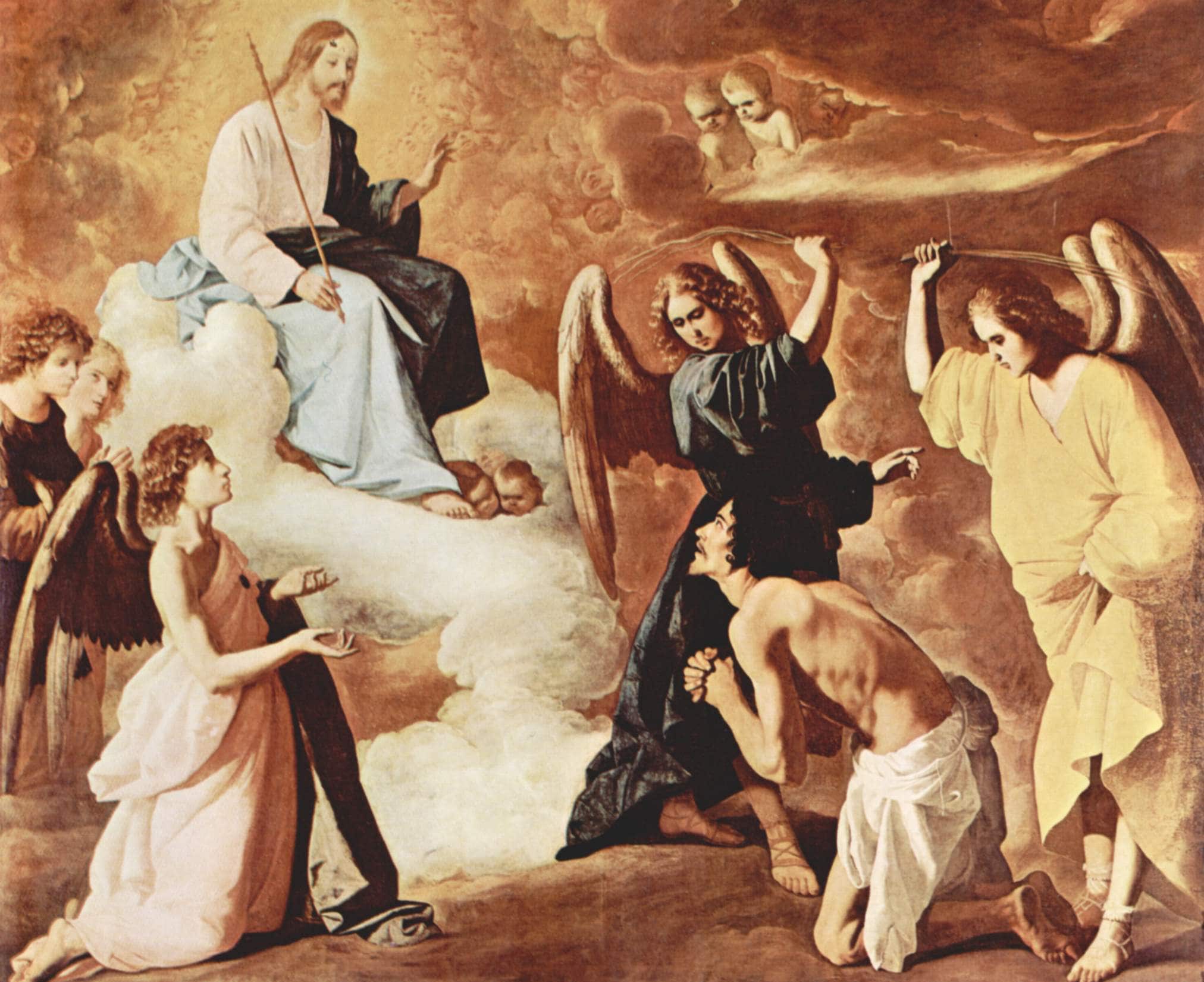
Flagellation of St. Jerome by the angels
Exploring the Divine: The Flagellation of St. Jerome by Francisco de Zurbarán
Historical Context of the Flagellation of St. Jerome
The Life and Times of Francisco de Zurbarán
Francisco de Zurbarán, born in 1598 in the Spanish city of Fuente de Cantos, became one of the most prominent painters of the Spanish Golden Age. His works often reflect deep religious themes, influenced by his upbringing in a devout Catholic family. Zurbarán's artistic journey took him to Seville, where he honed his skills and developed a unique style that combined realism with spiritual depth. His dedication to religious subjects, particularly saints and martyrs, positioned him as a key figure in the Baroque art movement.Religious Significance in 17th Century Spain
In 17th century Spain, religion played a central role in daily life. The Catholic Church was a powerful institution, and art served as a means to convey spiritual messages. Zurbarán's "Flagellation of St. Jerome" captures this essence, portraying the saint's intense suffering and devotion. This painting reflects the era's emphasis on martyrdom and the veneration of saints, making it a significant piece in the context of Spanish religious art.Influence of Counter-Reformation on Art
The Counter-Reformation profoundly impacted art in Spain, as the Catholic Church sought to inspire faith and devotion through visual storytelling. Artists like Zurbarán responded to this call by creating works that emphasized emotional depth and spiritual themes. "Flagellation of St. Jerome" exemplifies this movement, showcasing the saint's torment while simultaneously highlighting the hope of redemption through suffering.Artistic Techniques and Styles in Zurbarán's Work
Use of Light and Shadow: Chiaroscuro in Flagellation
Zurbarán masterfully employs chiaroscuro, the technique of using strong contrasts between light and dark, to enhance the drama in "Flagellation of St. Jerome." The stark lighting draws attention to the figures, creating a sense of depth and highlighting the emotional intensity of the scene. This technique not only adds realism but also evokes a spiritual atmosphere, inviting viewers to contemplate the divine.Color Palette: Symbolism of Earthy Tones
The color palette in "Flagellation of St. Jerome" features rich, earthy tones that symbolize humility and suffering. The deep browns and muted reds reflect the somber mood of the painting, while also connecting to the natural world. These colors enhance the realism of the figures and their surroundings, grounding the spiritual experience in a tangible reality.Textural Elements: The Realism of Fabric and Skin
Zurbarán's attention to detail is evident in the textural elements of the painting. The intricate rendering of fabric and skin showcases his skill in creating lifelike representations. The soft drapery of the angels' garments contrasts with the roughness of St. Jerome's skin, emphasizing his physical suffering. This realism invites viewers to engage with the painting on a sensory level, making the experience more profound.Symbolism and Themes in the Flagellation of St. Jerome
Martyrdom and Suffering: The Role of St. Jerome
St. Jerome, known for his translation of the Bible into Latin, is depicted in a moment of intense suffering. His martyrdom symbolizes the struggle for faith and the sacrifices made for spiritual enlightenment. This theme resonates deeply with viewers, encouraging reflection on their own beliefs and the challenges they face in their spiritual journeys.Angelic Presence: The Significance of the Angels
The angels in "Flagellation of St. Jerome" serve as both comforters and witnesses to the saint's suffering. Their ethereal presence highlights the divine aspect of the scene, suggesting that even in moments of pain, there is a connection to the heavenly realm. This duality of suffering and support enriches the narrative, inviting viewers to explore the complexities of faith.Contrasts of Pain and Redemption in the Composition
The composition of the painting juxtaposes pain and redemption, creating a powerful emotional impact. St. Jerome's anguish is palpable, yet the presence of the angels suggests hope and divine intervention. This contrast encourages viewers to contemplate the relationship between suffering and spiritual growth, making the painting a profound exploration of faith.Composition and Layout: Analyzing the Visual Hierarchy
Central Figures: St. Jerome and the Angels
In "Flagellation of St. Jerome," the central figures dominate the composition, drawing the viewer's eye immediately. St. Jerome's anguished expression contrasts with the serene faces of the angels, creating a dynamic tension that captivates the audience. This focus on the figures emphasizes the emotional core of the painting, inviting viewers to engage with their stories.Spatial Arrangement: Depth and Perspective Techniques
Zurbarán skillfully uses spatial arrangement to create depth in the painting. The positioning of the figures and the use of overlapping elements enhance the three-dimensionality of the scene. This technique not only adds realism but also guides the viewer's gaze through the composition, creating a journey of discovery within the artwork.Emotional Impact: The Viewer's Journey Through the Scene
The emotional impact of "Flagellation of St. Jerome" is profound. As viewers engage with the painting, they are drawn into the narrative of suffering and redemption. The careful arrangement of elements and the expressive faces of the figures create a visceral experience, allowing viewers to connect with the themes on a personal level.Comparative Analysis: Zurbarán's Flagellation vs. Other Works
Contrasting with Caravaggio's Approach to Religious Themes
While both Zurbarán and Caravaggio explored religious themes, their approaches differ significantly. Caravaggio's dramatic use of light and his focus on realism create a sense of immediacy, while Zurbarán's work emphasizes spiritual depth and emotional resonance. "Flagellation of St. Jerome" stands out for its contemplative nature, inviting viewers to reflect on the deeper meanings of faith.Similarities with Other Zurbarán Paintings: A Study of Saints
"Flagellation of St. Jerome" shares thematic and stylistic similarities with other works by Zurbarán, particularly his depictions of saints. His consistent focus on martyrdom, suffering, and divine presence creates a cohesive body of work that resonates with viewers. This painting exemplifies his mastery in portraying the complexities of faith and devotion.Influence on Later Artists: Legacy of Zurbarán's Style
Zurbarán's unique style and thematic focus influenced many later artists. His ability to convey deep emotion and spiritual significance set a standard for religious art. The legacy of "Flagellation of St. Jerome" continues to inspire artists today, as they explore the intersections of faith, suffering, and redemption in their own works.Visiting the Original: Where to Experience the Flagellation of St. Jerome
Location and Accessibility: Museums Housing the Artwork
The original "Flagellation of St. Jerome" is housed in the Museo de Bellas Artes in Seville, Spain. This museum is easily accessible for art lovers and tourists alike. Visitors can immerse themselves in the rich history of Spanish art while experiencing Zurbarán's masterpiece in person.Exhibition History: Notable Showings and Restorations
Over the years, "Flagellation of St. Jerome" has been featured in various exhibitions, showcasing its significance in the art world. Notable restorations have preserved the painting's vibrancy, allowing new generations to appreciate its beauty. These exhibitions often highlight the painting's historical context and artistic techniques, enriching the viewer's experience.Engaging with Art: Tips for Viewing and Appreciating the Painting
When visiting "Flagellation of St. Jerome," take your time to observe the details. Notice the interplay of light and shadow, and consider the emotions conveyed by the figures. Engaging with the painting on a personal level can deepen your appreciation for Zurbarán's artistry and the themes he explores.FAQs about the Flagellation of St. Jerome by Francisco de Zurbarán
What is the story behind the Flagellation of St. Jerome?
The "Flagellation of St. Jerome" depicts the saint's intense suffering as a form of spiritual devotion. It reflects his commitment to faith and the sacrifices made for religious enlightenment.What techniques did Zurbarán use in this painting?
Zurbarán employed chiaroscuro to create dramatic contrasts of light and shadow. He also used a rich, earthy color palette and detailed textures to enhance realism.How does the Flagellation of St. Jerome reflect the themes of the Counter-Reformation?
The painting embodies the Counter-Reformation's focus on emotional depth and spiritual themes, emphasizing martyrdom and the hope of redemption through suffering.What are the key symbols present in the painting?
Key symbols include St. Jerome's suffering, the angels' comforting presence, and the contrasts between pain and redemption, all of which invite contemplation on faith.Where can I see the original Flagellation of St. Jerome?
The original painting is located in the Museo de Bellas Artes in Seville, Spain, where visitors can experience its historical and artistic significance.What should I know about the reproduction of this painting?
Art reproductions of "Flagellation of St. Jerome" offer a superior alternative to prints. They capture the intricate details and textures of the original, allowing art lovers to appreciate Zurbarán's work in their own homes.How can I best appreciate the details in a reproduction of Zurbarán's work?
To appreciate a reproduction, focus on the textures, colors, and emotional expressions of the figures. Take time to explore the nuances that make Zurbarán's style unique, enhancing your connection to the artwork.Select Size
From $299.95
Flagellation of St. Jerome by the angels—
$299.95
Product Information
Product Information
Shipping & Returns
Shipping & Returns