🚚 Free Worldwide Shipping on All Orders!Shop Now

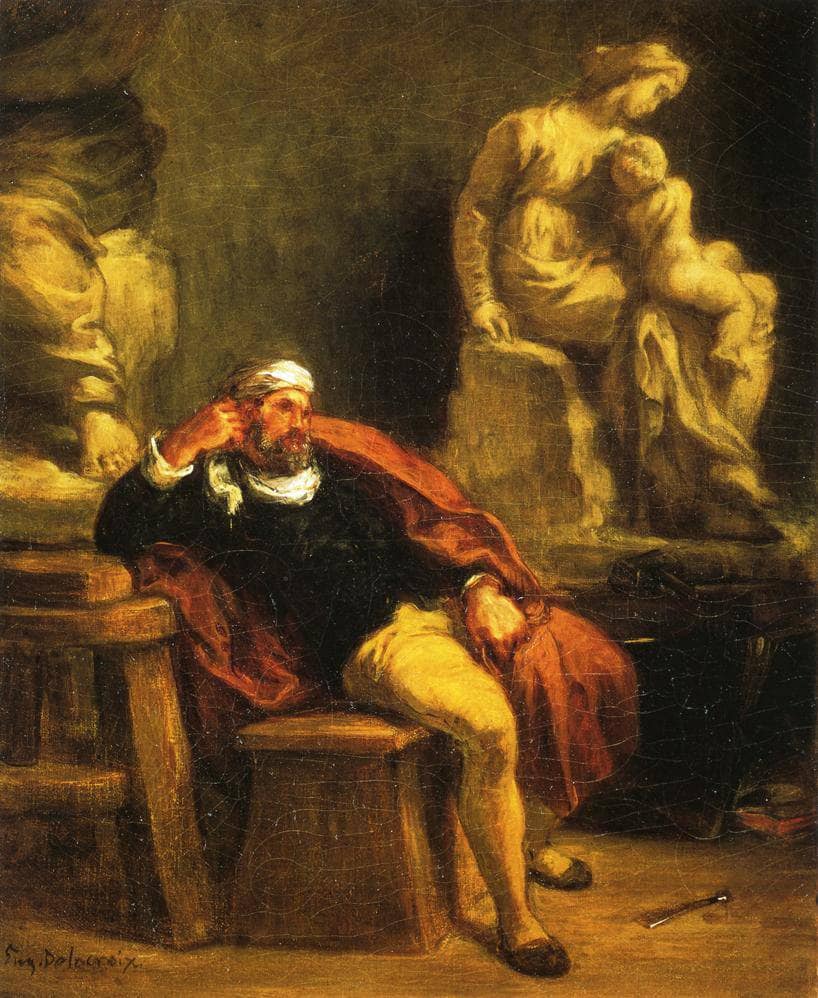
Michelangelo in his Studio
Exploring the Artistic Brilliance of Michelangelo in His Studio
Unveiling the Masterpiece: A Closer Look at Delacroix's Vision
The Historical Context of the 19th Century Art Scene
EugÉne Delacroix painted "Michelangelo in His Studio" in 1850, during a time when Romanticism was flourishing. This period was marked by a shift from the strict rules of Neoclassicism to a more expressive and emotional approach to art. Artists sought to capture the essence of human experience, and Delacroix was at the forefront of this movement. His work reflects the cultural and artistic upheaval of the 19th century, where individual expression became paramount.Delacroix's Unique Style: Romanticism and Its Influence
Delacroix's style is characterized by vibrant colors, dynamic compositions, and a deep emotional resonance. He often drew inspiration from literature and history, infusing his paintings with dramatic narratives. In "Michelangelo in His Studio," he pays homage to the great Renaissance master while showcasing his own innovative techniques. This painting serves as a bridge between the Romantic ideals of the 19th century and the classical traditions of the past.Michelangelo: The Iconic Renaissance Figure
Life and Legacy: Michelangelo's Impact on Art History
Michelangelo Buonarroti, born in 1475, is one of the most celebrated artists in history. His contributions to sculpture, painting, and architecture have left an indelible mark on the art world. Known for masterpieces like the Sistine Chapel ceiling and the statue of David, Michelangelo's work embodies the spirit of the Renaissance. His innovative techniques and profound understanding of human anatomy set new standards for artistic excellence.Symbolism of Michelangelo's Work: A Study of Themes
Michelangelo's art often explores themes of human struggle, divine inspiration, and the pursuit of beauty. In "Michelangelo in His Studio," Delacroix captures the essence of these themes by depicting the artist surrounded by his students, symbolizing the transmission of knowledge and creativity. The painting reflects Michelangelo's role as a mentor and innovator, emphasizing the importance of artistic collaboration.Composition and Color: Analyzing Delacroix's Techniques
Dynamic Use of Light and Shadow in the Painting
Delacroix masterfully employs chiaroscuro, the contrast of light and shadow, to create depth and drama in "Michelangelo in His Studio." The light illuminates Michelangelo and his work, drawing the viewer's eye to the central figure. This technique enhances the emotional intensity of the scene, making it feel alive and vibrant.Color Palette: The Emotional Resonance of Hues
The color palette in this painting is rich and varied, with deep reds, earthy browns, and soft whites. Delacroix uses color to evoke emotion and convey the atmosphere of creativity. The warm tones create a sense of intimacy, inviting viewers into the artist's world. Each hue plays a role in expressing the passion and dedication of Michelangelo and his students.Figures and Expressions: The Characters in the Studio
Depicting Creativity: The Role of Michelangelo's Students
In "Michelangelo in His Studio," Delacroix includes several figures representing Michelangelo's students. These characters are not mere background elements; they embody the spirit of learning and artistic exploration. Their attentive gazes and engaged postures reflect the reverence they hold for their master, highlighting the collaborative nature of artistic creation.Facial Expressions: Capturing Emotion and Intellect
The facial expressions of the figures in the painting convey a range of emotions, from admiration to contemplation. Delacroix captures the intensity of the creative process, showcasing the intellectual engagement of both Michelangelo and his students. This focus on expression adds a layer of depth to the artwork, inviting viewers to connect with the characters on a personal level.Artistic Techniques: Brushwork and Texture in Detail
Layering Techniques: The Depth of Oil Painting
Delacroix's use of oil paint allows for rich layering and texture in "Michelangelo in His Studio." He builds up the paint in layers, creating a sense of depth and dimension. This technique enhances the realism of the scene, making the studio feel tangible and immersive. The careful application of paint showcases Delacroix's skill and attention to detail.Texture and Detail: Bringing the Studio to Life
The texture in this painting is palpable, from the rough surfaces of the studio to the smoothness of Michelangelo's marble. Delacroix's meticulous attention to detail brings the studio to life, allowing viewers to almost feel the environment. This level of detail sets oil painting reproductions apart from mere prints, offering a richer visual experience.The Cultural Significance of Michelangelo in His Studio
Influence on Future Generations of Artists
"Michelangelo in His Studio" has inspired countless artists since its creation. Delacroix's portrayal of the creative process emphasizes the importance of mentorship and collaboration in art. This painting serves as a reminder of the enduring legacy of Michelangelo and the impact of artistic communities on future generations.Michelangelo's Studio as a Hub of Innovation
Michelangelo's studio was not just a place of work; it was a hub of innovation and creativity. Artists gathered to share ideas, techniques, and inspiration. Delacroix captures this spirit in his painting, highlighting the collaborative nature of art. The studio symbolizes the exchange of knowledge that fuels artistic progress.Comparative Analysis: Delacroix and His Contemporaries
Contrasting Styles: Delacroix vs. Other Romantic Artists
Delacroix's style stands out among his contemporaries for its emotional depth and vibrant color. While other Romantic artists focused on historical or mythological themes, Delacroix often drew from personal experiences and contemporary subjects. "Michelangelo in His Studio" exemplifies this unique approach, blending historical reverence with modern sensibilities.Influence of Renaissance Art on 19th Century Painting
The influence of Renaissance art is evident in Delacroix's work. He admired the technical mastery of artists like Michelangelo and sought to incorporate those elements into his own style. This connection between the Renaissance and 19th-century painting highlights the ongoing dialogue between different artistic movements.FAQs About Michelangelo in His Studio
What is the story behind Michelangelo in His Studio?
"Michelangelo in His Studio" depicts the great Renaissance artist surrounded by his students, capturing the essence of creativity and mentorship. Delacroix painted this work to honor Michelangelo's legacy and the collaborative spirit of artistic creation.What techniques did Delacroix use in this painting?
Delacroix employed oil painting techniques, including chiaroscuro and layering, to create depth and emotion. His dynamic brushwork and rich color palette enhance the overall impact of the artwork.How does this painting reflect Michelangelo's character?
The painting reflects Michelangelo's dedication to his craft and his role as a mentor. His intense focus and passion for art are evident in Delacroix's portrayal, showcasing the artist's commitment to creativity.What are the main themes depicted in Michelangelo in His Studio?
The main themes include creativity, mentorship, and the transmission of knowledge. Delacroix emphasizes the collaborative nature of art and the importance of artistic communities.How does this artwork compare to other works by Delacroix?
"Michelangelo in His Studio" showcases Delacroix's signature style, characterized by vibrant colors and emotional depth. It stands out for its historical subject matter while maintaining the artist's unique approach to Romanticism.What is the significance of the figures in the painting?
The figures represent Michelangelo's students, symbolizing the importance of mentorship and collaboration in the artistic process. Their expressions and postures convey admiration and engagement with their master.How can I appreciate the details in this painting reproduction?
To appreciate the details, take time to observe the textures, colors, and expressions. A high-quality oil painting reproduction allows you to experience the depth and richness of Delacroix's techniques, offering a more immersive viewing experience than standard prints.Select Size
From $89.98
Original: $299.95
-70%Michelangelo in his Studio—
$299.95
$89.98Product Information
Product Information
Shipping & Returns
Shipping & Returns