🚚 Free Worldwide Shipping on All Orders!Shop Now

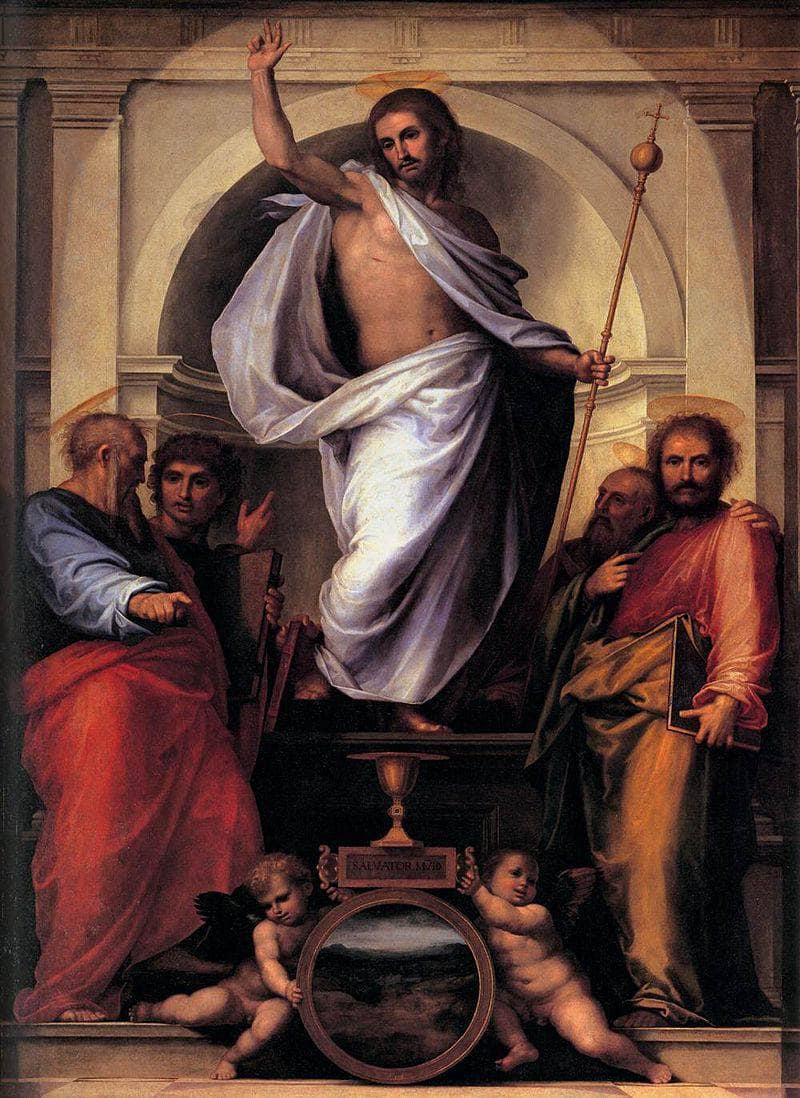
Christ with the Four Evangelists
Exploring the Divine: Christ with the Four Evangelists by Fra Bartolomeo
Historical Context of the Renaissance: A Glimpse into Fra Bartolomeo's Era
The Influence of the Early 16th Century on Religious Art
The early 16th century marked a transformative period in art, particularly in religious themes. Artists sought to convey spiritual narratives with greater emotional depth and realism. This era, known as the High Renaissance, saw a shift towards humanism, emphasizing the importance of individual experience and divine connection. Artists like Fra Bartolomeo embraced these ideals, creating works that resonated with both the sacred and the secular.Fra Bartolomeo: Life and Artistic Journey
Fra Bartolomeo, born in 1472 in Florence, was a Dominican friar and a prominent painter of the Renaissance. His real name was Bartolomeo di Giovanni Battista, and he trained under the guidance of the great painter, Domenico Ghirlandaio. His deep religious convictions influenced his art, leading him to create masterpieces that reflect his faith. He became known for his ability to blend spirituality with artistic beauty, making him a key figure in the development of religious art.Symbolism and Iconography in Christ with the Four Evangelists
Understanding the Evangelists: Matthew, Mark, Luke, and John
In "Christ with the Four Evangelists," each evangelist is depicted with unique symbols. Matthew is often represented by a winged man, Mark by a lion, Luke by an ox, and John by an eagle. These symbols highlight their distinct contributions to the Gospel and their roles in conveying the message of Christ. This painting serves as a visual testament to their importance in Christian theology.The Significance of Christ's Central Position
Christ occupies the central position in the composition, symbolizing His role as the focal point of Christian faith. This arrangement emphasizes His divine authority and the unity of the four evangelists around Him. The placement of Christ not only draws the viewer's eye but also reinforces the idea that all paths in Christianity lead to Him.Color Palette and Its Spiritual Implications
Fra Bartolomeo's use of a rich color palette enhances the spiritual atmosphere of the painting. Deep blues, vibrant reds, and soft earth tones create a sense of harmony and balance. The colors evoke feelings of reverence and awe, inviting viewers to reflect on the divine message conveyed through the figures.Artistic Techniques: The Mastery of Oil Painting in the 1500s
Layering and Glazing: Techniques Used by Fra Bartolomeo
Fra Bartolomeo employed advanced oil painting techniques, such as layering and glazing, to achieve depth and luminosity. By applying multiple thin layers of paint, he created a sense of realism and texture that brings the figures to life. This method allowed him to capture the subtleties of light and shadow, enhancing the overall visual impact of the artwork.Brushwork and Texture: Creating Depth and Emotion
The artist's brushwork is both delicate and expressive. Fra Bartolomeo skillfully used varied brush strokes to create texture in the garments and skin tones of the figures. This attention to detail adds emotional depth, allowing viewers to connect with the characters on a personal level.Composition and Layout: Analyzing the Arrangement of Figures
The Triangular Composition: Balance and Harmony
The triangular composition of "Christ with the Four Evangelists" creates a sense of balance and harmony. This arrangement guides the viewer's eye through the painting, emphasizing the relationship between Christ and the evangelists. The triangular shape symbolizes the Holy Trinity, reinforcing the spiritual message of the artwork.Facial Expressions and Gestures: Conveying Emotion and Message
Each figure's facial expression and gesture convey a range of emotions, from reverence to contemplation. Fra Bartolomeo's ability to capture these nuances invites viewers to engage with the spiritual narrative. The evangelists' attentive gazes towards Christ reflect their devotion and the importance of His teachings.Comparative Analysis: Fra Bartolomeo's Style vs. His Contemporaries
Contrasting with Leonardo da Vinci: Techniques and Themes
While Leonardo da Vinci focused on anatomical precision and perspective, Fra Bartolomeo emphasized spiritual themes and emotional resonance. His approach to religious subjects often featured a more direct connection to the divine, contrasting with da Vinci's more scientific exploration of the human form.Influence of Michelangelo: Form and Structure in Religious Art
Michelangelo's influence is evident in Fra Bartolomeo's work, particularly in the robust forms and dynamic poses of the figures. However, Fra Bartolomeo maintained a softer, more ethereal quality in his paintings, reflecting his unique interpretation of religious themes.Legacy and Influence: The Impact of Christ with the Four Evangelists
How This Painting Shaped Future Religious Art
"Christ with the Four Evangelists" has left a lasting impact on religious art. Its innovative composition and emotional depth influenced subsequent generations of artists. The painting serves as a benchmark for how to depict spiritual narratives with both beauty and meaning.Modern Interpretations and Reproductions of the Work
Today, art enthusiasts and collectors seek high-quality reproductions of this masterpiece. Unlike standard prints, oil painting reproductions capture the texture and vibrancy of the original artwork. These reproductions allow individuals to bring a piece of Renaissance history into their homes, celebrating the legacy of Fra Bartolomeo.FAQs about Christ with the Four Evangelists
What is the significance of the Four Evangelists in Christian art?
The Four Evangelists represent the authors of the Gospels, each contributing unique perspectives on the life and teachings of Christ. Their inclusion in art emphasizes the importance of the Gospel message in Christianity.How did Fra Bartolomeo's background influence his artwork?
Fra Bartolomeo's upbringing in a religious environment and his training as a friar deeply influenced his artistic vision. His faith is evident in the spiritual themes and emotional depth of his paintings.What are the main themes depicted in Christ with the Four Evangelists?
The main themes include the divinity of Christ, the importance of the evangelists, and the unity of the Christian message. The painting invites viewers to reflect on their faith and the teachings of the Gospels.What techniques did Fra Bartolomeo use to create depth in this painting?
Fra Bartolomeo used layering and glazing techniques to create depth. His careful brushwork added texture and realism, enhancing the emotional impact of the figures.How does this painting reflect the values of the Renaissance period?
The painting reflects Renaissance values by emphasizing humanism, spirituality, and the pursuit of beauty. It showcases the era's focus on individual experience and the divine connection.FAQs about the Painting Reproduction
What should I consider when purchasing a reproduction of this painting?
When purchasing a reproduction, consider the quality of materials, the artist's technique, and the level of detail. Look for reproductions that use oil paints to capture the richness of the original.How can I ensure the quality of a reproduction of Christ with the Four Evangelists?
To ensure quality, choose a reputable seller who specializes in art reproductions. Look for detailed descriptions and customer reviews to gauge the authenticity and craftsmanship of the reproduction.Select Size
From $89.98
Original: $299.95
-70%Christ with the Four Evangelists—
$299.95
$89.98Product Information
Product Information
Shipping & Returns
Shipping & Returns