🚚 Free Worldwide Shipping on All Orders!Shop Now

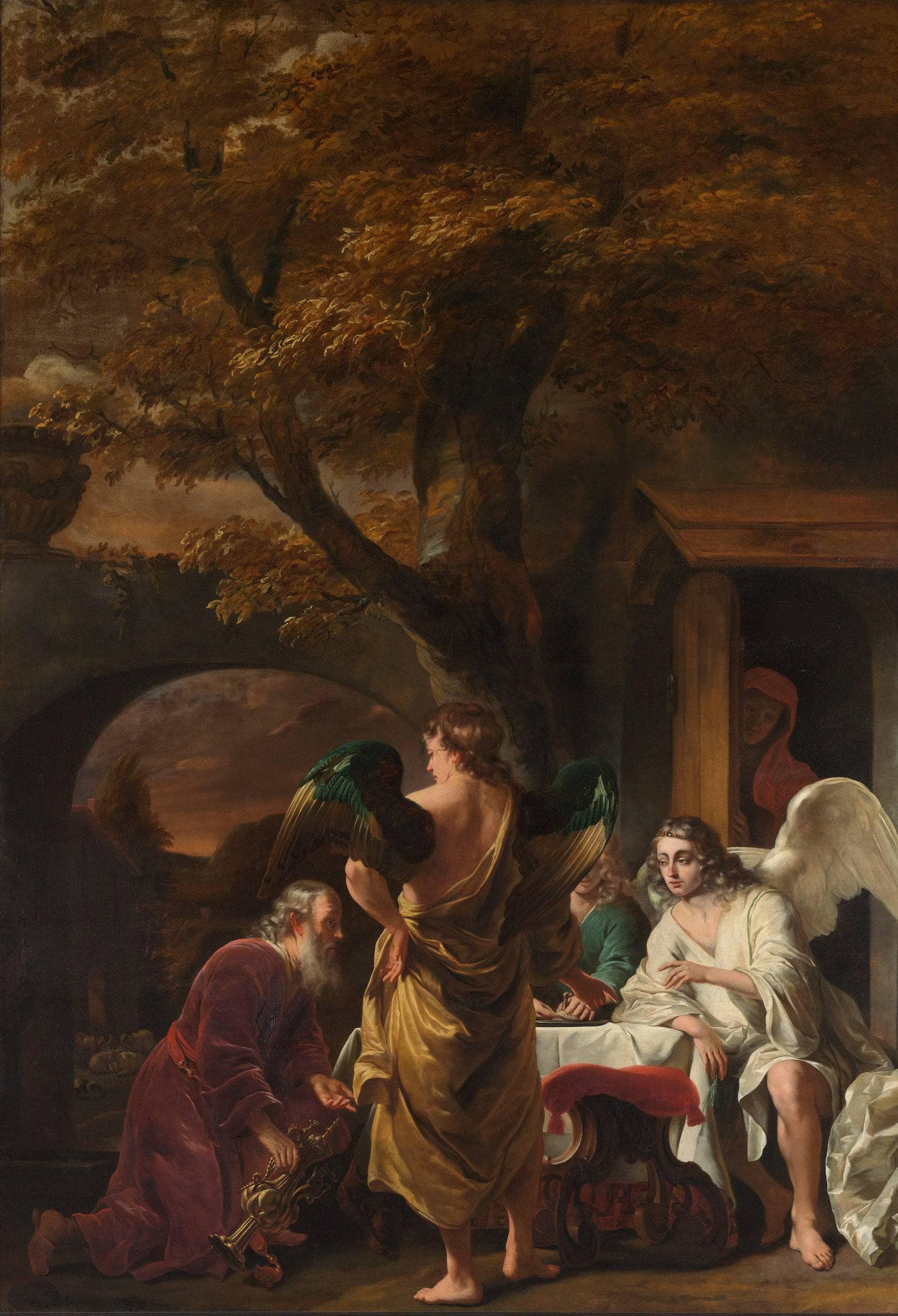
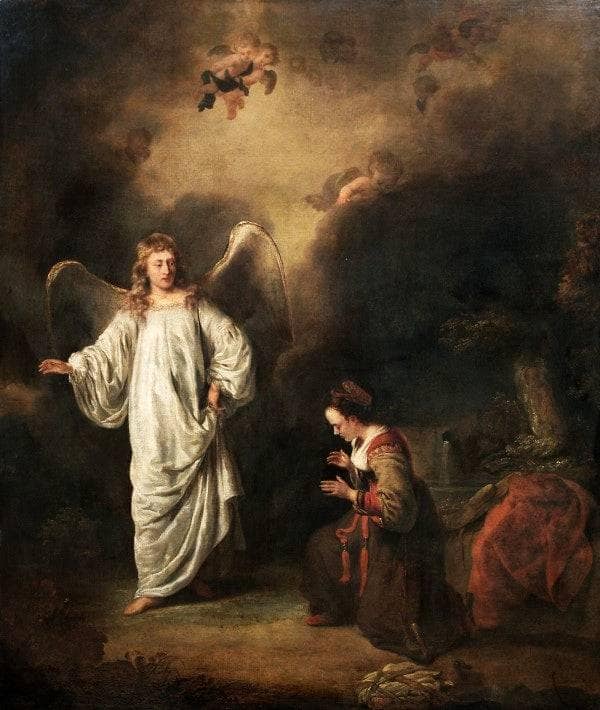
Abraham Receiving the Three Angels
Exploring the Masterpiece: Abraham Receiving the Three Angels by Ferdinand Bol
Historical Context of the 17th Century Dutch Art Movement
The 17th century marked a golden age for Dutch art, characterized by a flourishing of creativity and innovation. Artists like Ferdinand Bol emerged during this vibrant period, influenced by the rich cultural and religious landscape of the time. The Protestant Reformation and the rise of the merchant class played significant roles in shaping the themes and subjects of Dutch paintings.The Influence of Rembrandt on Ferdinand Bol's Artistic Style
Ferdinand Bol was a prominent student of Rembrandt, one of the most celebrated painters of the Dutch Golden Age. Bol adopted Rembrandt's mastery of light and shadow, known as chiaroscuro, which adds depth and drama to his works. This influence is particularly evident in "Abraham Receiving the Three Angels," where the interplay of light highlights the emotional intensity of the scene.Understanding the Baroque Era: Characteristics and Themes
The Baroque era, spanning the late 16th to the early 18th century, is known for its grandeur and emotional depth. Artists of this time often explored themes of faith, divine intervention, and human emotion. Bol's painting exemplifies these characteristics, showcasing a moment of divine hospitality and revelation that resonates with viewers on multiple levels.Symbolism and Themes in Abraham Receiving the Three Angels
Bol's "Abraham Receiving the Three Angels" is rich with symbolism and profound themes that invite interpretation. The painting captures a pivotal moment from the Book of Genesis, where Abraham welcomes three celestial visitors, symbolizing divine grace and hospitality.The Significance of Hospitality in Biblical Narratives
Hospitality is a recurring theme in biblical stories, representing kindness and generosity. In this painting, Abraham's warm welcome to the angels reflects the importance of hospitality in Judeo-Christian traditions. This act of kindness not only honors the guests but also signifies Abraham's faith and obedience to God.Divine Revelation: The Role of Angels in the Painting
The three angels in Bol's artwork serve as messengers of God, bringing news of blessings and future events. Their presence signifies divine revelation, emphasizing the connection between the earthly and the heavenly. The angels' serene expressions and graceful postures enhance the painting's spiritual atmosphere.Faith and Obedience: Abraham's Character Portrayal
Abraham is depicted as a figure of unwavering faith and obedience. His attentive gaze and open posture convey his readiness to receive divine guidance. This portrayal aligns with the biblical narrative, where Abraham's faith is tested and rewarded, making him a central figure in religious teachings.Artistic Techniques and Composition in Bol's Work
Ferdinand Bol's artistic techniques contribute significantly to the impact of "Abraham Receiving the Three Angels." His skillful use of composition, color, and light creates a captivating visual experience.Use of Light and Shadow: Chiaroscuro in Abraham Receiving the Three Angels
Bol's use of chiaroscuro enhances the dramatic effect of the painting. The contrast between light and shadow draws attention to the figures, creating a sense of depth and movement. This technique not only highlights the emotional weight of the scene but also reflects the divine presence of the angels.Color Palette: The Emotional Impact of Warm and Cool Tones
The color palette in "Abraham Receiving the Three Angels" features warm earth tones contrasted with cooler shades. This combination evokes a sense of warmth and comfort, inviting viewers to engage with the scene. The rich colors also symbolize the abundance of blessings that Abraham is about to receive.Composition Analysis: The Arrangement of Figures and Space
Bol's composition skillfully arranges the figures within the space, creating a harmonious balance. Abraham stands at the center, flanked by the angels, drawing the viewer's eye to the focal point of the interaction. The open landscape in the background adds depth, suggesting the vastness of God's creation.Ferdinand Bol: A Closer Look at the Artist's Life and Career
Ferdinand Bol's journey as an artist is a fascinating tale of talent and ambition. Born in 1616, he became one of the leading painters of his time, known for his historical and biblical subjects.Bol's Journey from Rembrandt's Apprentice to Renowned Painter
Starting as an apprentice to Rembrandt, Bol honed his skills and developed his unique style. He eventually gained recognition for his own works, becoming a sought-after portraitist and historical painter. His ability to blend Rembrandt's influence with his own vision set him apart in the art world.Key Works and Contributions to Dutch Golden Age Art
In addition to "Abraham Receiving the Three Angels," Bol created numerous significant works that contributed to the Dutch Golden Age. His paintings often explored themes of faith, morality, and human emotion, leaving a lasting impact on the art community.Comparative Analysis: Abraham Receiving the Three Angels and Other Biblical Paintings
Bol's depiction of Abraham offers a unique perspective when compared to other biblical paintings. His interpretation emphasizes the themes of hospitality and divine interaction, setting it apart from more traditional representations.Contrasting Interpretations of Abraham in Art History
Throughout art history, Abraham has been portrayed in various ways, often focusing on his role as a patriarch. Bol's approach highlights the intimate moment of hospitality, showcasing Abraham's character and faith rather than merely his lineage.Similarities with Other Works Depicting Divine Encounters
"Abraham Receiving the Three Angels" shares thematic similarities with other works depicting divine encounters. Artists like Caravaggio and Raphael also explored the relationship between humanity and the divine, but Bol's focus on hospitality adds a distinct layer to the narrative.Viewing Experience: What to Look for in Abraham Receiving the Three Angels
When viewing "Abraham Receiving the Three Angels," take time to engage with the painting's emotional and spiritual depth. The intricate details and rich symbolism invite reflection and contemplation.Engaging with the Painting: Emotional and Spiritual Reflections
As you observe the painting, consider the emotions conveyed through the characters' expressions and gestures. Reflect on the themes of faith, hospitality, and divine revelation, allowing the artwork to inspire personal insights.Understanding the Historical and Cultural Significance
Recognizing the historical context of Bol's work enhances the viewing experience. Understanding the significance of hospitality in biblical narratives and the Baroque era's artistic trends provides a deeper appreciation for the painting's message.FAQs about Abraham Receiving the Three Angels
What is the story behind Abraham Receiving the Three Angels?
The painting depicts a moment from Genesis 18, where Abraham welcomes three angels who bring him news of a son and the impending destruction of Sodom. This story highlights themes of faith, hospitality, and divine promise.How does Ferdinand Bol's style differ from other artists of his time?
Bol's style is characterized by his use of chiaroscuro and a focus on emotional depth. While influenced by Rembrandt, he developed a unique approach that emphasized narrative and character, setting him apart from his contemporaries.What are the key elements of the painting's composition?
Key elements include the central placement of Abraham, the arrangement of the angels, and the use of light and shadow. These aspects create a dynamic interaction between the figures and enhance the overall narrative.What does the painting reveal about the themes of hospitality and faith?
The painting emphasizes the importance of hospitality in biblical teachings, showcasing Abraham's welcoming nature. It also highlights his faith in God's promises, illustrating the connection between human kindness and divine favor.How has Abraham Receiving the Three Angels influenced modern art?
Bol's work has inspired contemporary artists to explore themes of faith and divine encounters. His unique portrayal of biblical narratives continues to resonate, encouraging modern interpretations of hospitality and spirituality.FAQs about the Painting Reproduction
What should I consider when purchasing a reproduction of this painting?
When purchasing a reproduction, consider the quality of the materials and the level of detail. A high-quality painting reproduction captures the essence of Bol's original work, offering a more authentic experience than standard prints.How can I best display a reproduction of Abraham Receiving the Three Angels?
To best display a reproduction, choose a well-lit area that allows viewers to appreciate the colors and details. Framing the reproduction in a style that complements your decor can enhance its visual impact and create a focal point in your space.Select Size
From $89.98
Original: $299.95
-70%Abraham Receiving the Three Angels—
$299.95
$89.98Product Information
Product Information
Shipping & Returns
Shipping & Returns