🚚 Free Worldwide Shipping on All Orders!Shop Now

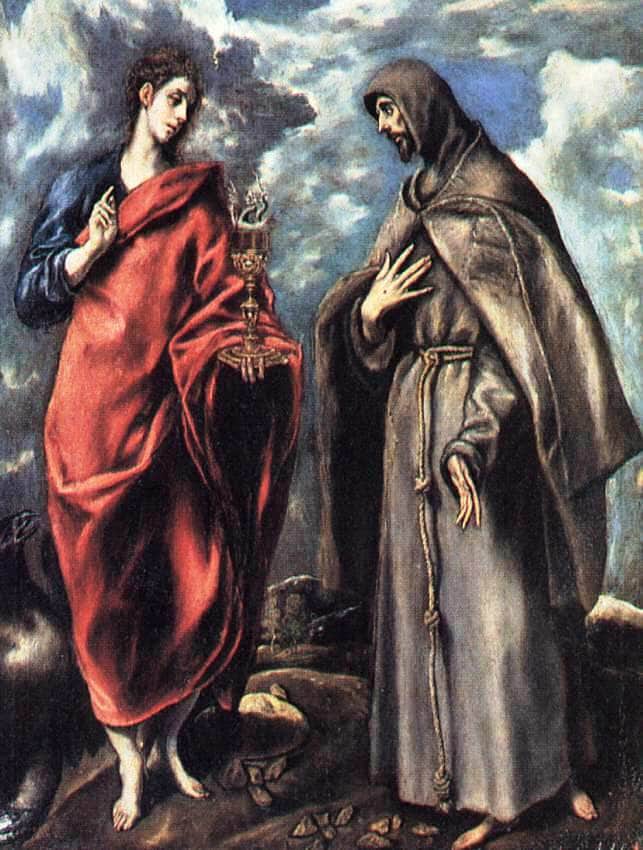
St. John the Evangelist and St. Francis
Exploring the Spiritual Depth of El Greco's St. John the Evangelist and St. Francis
Historical Context of El Greco's Masterpiece
The Influence of the Spanish Renaissance on El Greco
El Greco, born Domenikos Theotokopoulos, emerged during the Spanish Renaissance, a period rich in artistic innovation. His unique style blended Byzantine traditions with Western influences, creating a distinctive approach that set him apart. The cultural environment of Toledo, Spain, where he spent much of his life, played a crucial role in shaping his artistic vision. This city was a melting pot of Christian, Jewish, and Muslim cultures, which deeply influenced his themes and subjects.Religious Themes in 16th Century Art
The 16th century was a time of religious upheaval and fervor. Artists like El Greco often depicted saints and biblical figures to inspire devotion. His painting, "St. John the Evangelist and St. Francis," reflects the deep spirituality of the era. The work captures the essence of faith, emphasizing the connection between the divine and humanity. Lesser-known is how El Greco's works often served as visual sermons, aiming to educate and uplift the viewer.Artistic Techniques and Styles in St. John the Evangelist and St. Francis
El Greco's Unique Use of Color and Light
El Greco's mastery of color is evident in "St. John the Evangelist and St. Francis." He employed a vibrant palette, using rich blues, deep reds, and luminous whites to create a sense of ethereal light. This technique not only enhances the emotional impact of the painting but also draws the viewer's eye to the central figures. His innovative use of chiaroscuro adds depth and dimension, making the saints appear almost three-dimensional.Brushwork and Texture: A Closer Look at the Painting's Surface
The brushwork in this oil painting is both expressive and deliberate. El Greco's technique involves swift, bold strokes that create a dynamic texture. This approach gives the painting a sense of movement and life. The surface of the artwork invites viewers to explore the intricate details, from the flowing robes of the saints to the delicate features of their faces.Symbolism in Composition: Understanding the Arrangement of Figures
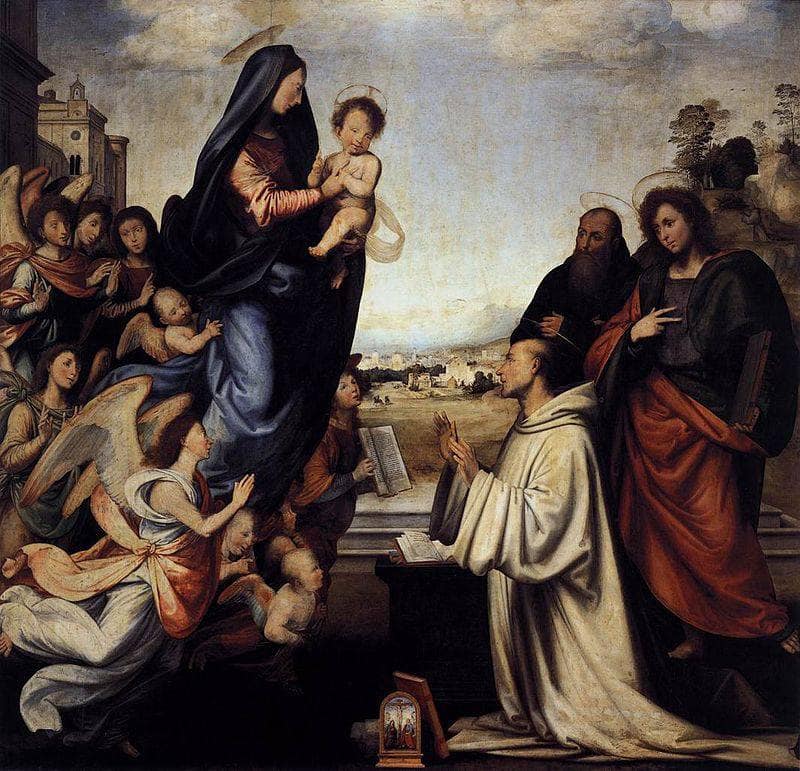
The composition of "St. John the Evangelist and St. Francis" is rich with symbolism. St. John, often depicted with an eagle, represents divine inspiration, while St. Francis, known for his love of nature, embodies humility and compassion. Their positioning in the painting suggests a dialogue between the two saints, highlighting their shared devotion to God. This arrangement encourages viewers to reflect on the spiritual connection between the figures.Character Analysis: St. John the Evangelist and St. Francis
St. John: The Beloved Disciple and His Iconography
St. John the Evangelist is often recognized as the beloved disciple of Christ. In this painting, he is portrayed with a gentle expression, symbolizing his deep love and understanding of Jesus' teachings. His traditional iconography includes the eagle, which signifies his lofty spiritual insights. El Greco captures John's essence, inviting viewers to connect with his profound faith.St. Francis: The Patron Saint of Animals and Nature
St. Francis of Assisi is celebrated as the patron saint of animals and the environment. His presence in the painting emphasizes the importance of nature in spirituality. El Greco depicts him with a serene expression, reflecting his deep connection to all living things. This portrayal encourages viewers to appreciate the beauty of creation and the divine presence within it.The Emotional Expressions of the Saints: A Study in Facial Features
The emotional expressions of St. John and St. Francis are central to the painting's impact. El Greco skillfully conveys a range of feelings through their facial features. St. John's contemplative gaze invites reflection, while St. Francis's gentle smile radiates warmth and compassion. This emotional depth enhances the viewer's experience, making the saints relatable and inspiring.The Role of Spirituality in El Greco's Work
Transcendence and Mysticism in the Painting
El Greco's work often explores themes of transcendence and mysticism. In "St. John the Evangelist and St. Francis," the ethereal quality of the figures suggests a connection to the divine. The swirling clouds and luminous background create a sense of otherworldliness, inviting viewers to contemplate the spiritual realm. This mystical aspect is a hallmark of El Greco's style, setting him apart from his contemporaries.How El Greco Captures Divine Inspiration
El Greco's ability to capture divine inspiration is evident in this painting. The way he portrays light emanating from the figures suggests a heavenly presence. This technique not only enhances the spiritual atmosphere but also encourages viewers to seek their own connection to the divine. El Greco's art serves as a bridge between the earthly and the celestial.Comparative Analysis: El Greco's Other Works
Similarities with The Burial of the Count of Orgaz
"St. John the Evangelist and St. Francis" shares thematic similarities with El Greco's renowned work, "The Burial of the Count of Orgaz." Both paintings feature a strong spiritual narrative and a dramatic use of color. The emotional intensity and the depiction of saints in both works highlight El Greco's unique ability to convey deep religious themes.Contrasts with View of Toledo: A Study in Landscape vs. Figures
In contrast to "View of Toledo," which focuses on the landscape, "St. John the Evangelist and St. Francis" emphasizes human figures and their spiritual significance. While "View of Toledo" showcases El Greco's mastery of atmospheric perspective, this painting highlights his skill in character portrayal and emotional expression. Each work reflects different aspects of El Greco's artistic genius.Impact and Legacy of St. John the Evangelist and St. Francis
Influence on Future Generations of Artists
El Greco's "St. John the Evangelist and St. Francis" has left a lasting impact on future generations of artists. His innovative techniques and spiritual themes inspired movements such as Expressionism and Surrealism. Artists continue to study his work for its emotional depth and unique style, ensuring that El Greco's legacy endures.Reception and Critique Through the Ages
The reception of "St. John the Evangelist and St. Francis" has evolved over time. Initially, some critics struggled to understand El Greco's unconventional style. However, as art movements progressed, appreciation for his work grew. Today, art historians recognize this painting as a significant contribution to the canon of Western art, celebrated for its emotional resonance and spiritual depth.Visiting the Original: Where to Experience El Greco's Art
Key Museums Housing El Greco's Works
To experience El Greco's art in person, visit key museums such as the Museo del Prado in Madrid and the El Greco Museum in Toledo. These institutions house a remarkable collection of his works, including "St. John the Evangelist and St. Francis." Viewing the original painting allows for a deeper appreciation of El Greco's techniques and emotional impact.Guided Tours and Art Exhibitions Featuring El Greco
Many museums offer guided tours and special exhibitions focused on El Greco's life and works. These experiences provide valuable insights into his artistic process and the historical context of his paintings. Participating in such tours enhances the understanding of "St. John the Evangelist and St. Francis" and its significance in art history.FAQs About El Greco's St. John the Evangelist and St. Francis
What is the significance of St. John the Evangelist in Christian art?
St. John the Evangelist is significant in Christian art as a symbol of divine love and wisdom. His writings, particularly the Gospel of John, emphasize the importance of faith and spirituality.How does El Greco's style differ from other Renaissance artists?
El Greco's style differs from other Renaissance artists through his use of elongated figures, dramatic color contrasts, and a mystical approach to spirituality. His work often conveys deep emotional and spiritual themes.What are the main themes depicted in St. John the Evangelist and St. Francis?
The main themes in "St. John the Evangelist and St. Francis" include spirituality, divine inspiration, and the connection between humanity and the divine. The painting emphasizes the importance of faith and compassion.What techniques did El Greco use to convey emotion in this painting?
El Greco used techniques such as expressive brushwork, vibrant color palettes, and dramatic lighting to convey emotion. The facial expressions of the saints also play a crucial role in evoking feelings of compassion and contemplation.Where can I find more information about El Greco's life and works?
To learn more about El Greco's life and works, consider visiting art history websites, museum collections, and books dedicated to his art. Many resources provide in-depth analysis and context for his masterpieces.FAQs About the Painting Reproduction
How can I ensure the quality of an El Greco painting reproduction?
To ensure the quality of an El Greco painting reproduction, look for reproductions created using high-quality materials and techniques. Oil painting reproductions are superior to prints, as they capture the texture and depth of the original artwork.What should I consider when displaying a reproduction of this artwork?
When displaying a reproduction of "St. John the Evangelist and St. Francis," consider the lighting and placement. Ensure that the artwork is well-lit to highlight its colors and details. Choose a location that complements the painting's spiritual themes, creating a serene atmosphere.Select Size
From $89.98
Original: $299.95
-70%St. John the Evangelist and St. Francis—
$299.95
$89.98Product Information
Product Information
Shipping & Returns
Shipping & Returns