🚚 Free Worldwide Shipping on All Orders!Shop Now

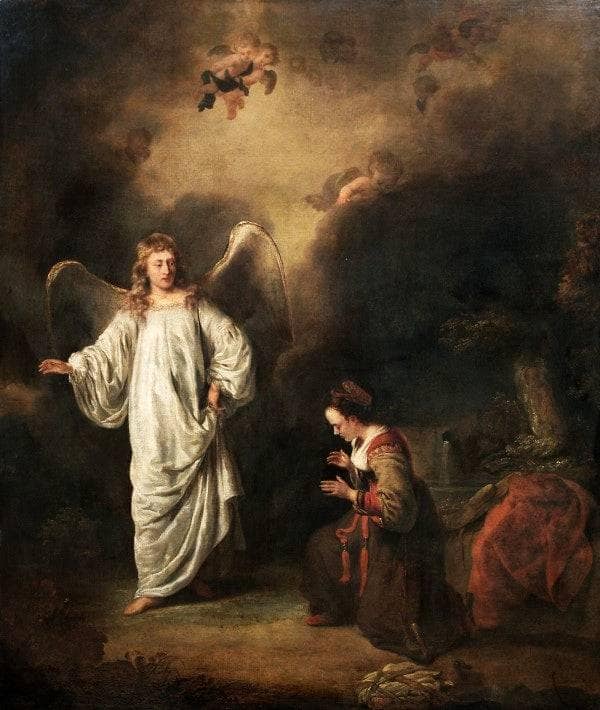
Hagar Meeting the Angel in the Desert
Exploring the Spiritual Journey in Hagar Meeting the Angel in the Desert
Historical Context of Ferdinand Bol's Masterpiece
The Influence of the Dutch Golden Age on Bol's Work
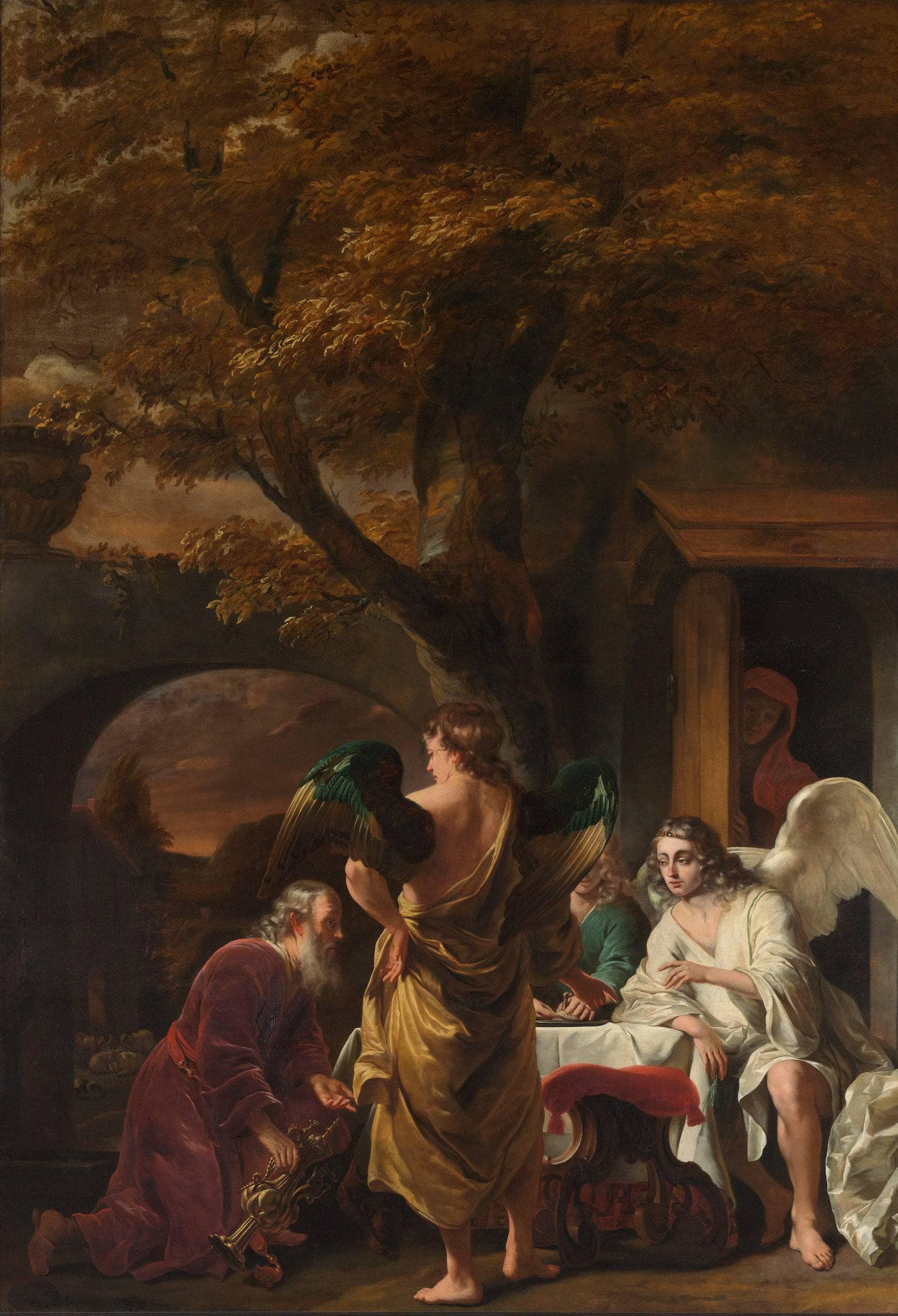
Ferdinand Bol created "Hagar Meeting the Angel in the Desert" during the Dutch Golden Age, a period marked by immense artistic innovation and cultural flourishing. This era saw the rise of realism and emotional depth in art, which profoundly influenced Bol's style. The painting reflects the rich tradition of Dutch narrative art, where biblical stories were depicted with a focus on human emotion and divine interaction.Bol's Artistic Journey: From Rembrandt's Apprentice to Renowned Painter
Bol began his career as an apprentice to the legendary Rembrandt van Rijn. This mentorship shaped his understanding of light, shadow, and human expression. After establishing his own studio, Bol gained recognition for his unique interpretations of biblical themes. His ability to blend dramatic storytelling with meticulous detail set him apart from his contemporaries, making him a significant figure in 17th-century Dutch art.Symbolism and Themes in Hagar Meeting the Angel
The Significance of Hagar's Encounter with the Divine
In "Hagar Meeting the Angel," Hagar represents the marginalized and the desperate. Her encounter with the angel symbolizes hope and divine intervention. This moment captures the essence of faith, as Hagar receives reassurance in her time of need. The painting invites viewers to reflect on their own spiritual journeys and the moments when they seek guidance.Exploring Themes of Faith, Despair, and Redemption
The themes of faith and despair are intricately woven into the fabric of this artwork. Hagar's expression conveys a mix of fear and hope, illustrating the human condition. The painting serves as a reminder that redemption often comes through moments of vulnerability and divine connection. Bol's portrayal encourages viewers to explore their own experiences of faith and the transformative power of hope.The Role of Angels in Religious Art: A Closer Look
Angels have long been a powerful symbol in religious art, representing messengers of God and divine protection. In Bol's painting, the angel embodies compassion and guidance. The angel's serene demeanor contrasts with Hagar's turmoil, highlighting the theme of divine support in times of crisis. This interaction emphasizes the importance of spiritual figures in navigating life's challenges.Visual Analysis: Composition and Color Palette
Understanding the Use of Light and Shadow in Bol's Technique
Bol masterfully employs chiaroscuro, the technique of using strong contrasts between light and dark, to create depth and drama in "Hagar Meeting the Angel." The light illuminates Hagar's face, drawing attention to her emotional state. This technique enhances the painting's narrative, making the viewer feel the weight of her experience.Color Symbolism: The Emotional Impact of Hues in the Painting
The color palette in Bol's work is rich and evocative. Warm earth tones dominate the scene, symbolizing the harshness of the desert and Hagar's plight. The soft blues and whites of the angel's attire suggest purity and divine presence. This careful selection of colors amplifies the emotional resonance of the painting, inviting viewers to connect with Hagar's journey.Figures and Gestures: Analyzing Hagar and the Angel's Interaction
The gestures of Hagar and the angel are pivotal in conveying the painting's message. Hagar's outstretched hand signifies her yearning for help, while the angel's gentle posture offers comfort. This dynamic interaction captures a moment of profound connection, illustrating the theme of divine assistance in human struggles.Artistic Techniques: Brushwork and Texture in Bol's Painting
Examining the Oil Painting Techniques of the 17th Century
Bol's use of oil paint allows for rich textures and vibrant colors. He layered paint to create depth, a technique that was innovative for his time. This method enhances the realism of the figures and the surrounding landscape, making the scene come alive. Bol's skillful brushwork showcases his mastery of the medium, setting a high standard for future artists.Texture and Detail: How Bol Captures Emotion Through Brushwork
The texture in "Hagar Meeting the Angel" adds to the emotional impact of the painting. Bol's delicate brushstrokes create lifelike skin tones and intricate details in the clothing. This attention to detail invites viewers to appreciate the nuances of Hagar's expression and the angel's serene presence, deepening the overall experience of the artwork.The Legacy of Hagar Meeting the Angel in Art History
Influence on Contemporary Artists and Modern Interpretations
Bol's "Hagar Meeting the Angel" continues to inspire contemporary artists. Its themes of faith and resilience resonate in modern interpretations of biblical stories. Artists draw from Bol's techniques and emotional depth, creating new works that reflect similar struggles and divine encounters. This legacy highlights the timeless nature of Bol's message.Hagar in Literature and Art: A Timeless Figure
Hagar's story transcends art and literature, appearing in various cultural narratives. Her journey of survival and faith has inspired countless interpretations across different mediums. Bol's portrayal of Hagar captures her essence, making her a symbol of hope and perseverance. This timeless figure continues to resonate with audiences today.Visiting the Original: Where to Experience Hagar Meeting the Angel
Key Museums and Collections Featuring Bol's Work
To experience "Hagar Meeting the Angel in the Desert," visit the prestigious Rijksmuseum in Amsterdam, where the original painting resides. This museum houses an extensive collection of Dutch masterpieces, providing a rich context for Bol's work. Viewing the painting in person allows for a deeper appreciation of its details and emotional impact.Art Exhibitions: Current and Upcoming Displays of Bol's Art
Art enthusiasts can look forward to exhibitions featuring Bol's works at various galleries. Keep an eye on local art institutions for upcoming displays that celebrate Dutch Golden Age artists. These exhibitions often provide insights into Bol's techniques and themes, enriching the viewer's understanding of his contributions to art history.Frequently Asked Questions about Hagar Meeting the Angel in the Desert
What is the story behind Hagar Meeting the Angel?
The painting depicts the biblical story of Hagar, who, after being cast out by Sarah, encounters an angel in the desert. This moment symbolizes divine intervention and hope in her time of despair.What are the main themes depicted in the painting?
The main themes include faith, despair, and redemption. Hagar's encounter with the angel represents the struggle for hope and the importance of divine guidance.How does Ferdinand Bol's style differ from other artists of his time?
Bol's style is characterized by his dramatic use of light and shadow, emotional depth, and meticulous attention to detail. His background as Rembrandt's apprentice influenced his unique approach to narrative painting.What techniques did Bol use to create depth in the painting?
Bol used chiaroscuro to create depth, employing strong contrasts between light and dark. He also layered oil paint to enhance the realism and texture of the figures and landscape.Why is Hagar an important figure in religious art?
Hagar represents resilience and faith in the face of adversity. Her story resonates with themes of survival and divine support, making her a powerful symbol in religious narratives.How can I appreciate the details in Hagar Meeting the Angel?
To appreciate the details, take time to observe Hagar's expression, the angel's gentle demeanor, and the intricate textures of their clothing. Consider the emotional impact of the colors and the composition as a whole.What should I know about reproductions of this painting?
Art reproductions of "Hagar Meeting the Angel" offer a superior alternative to prints. They capture the richness of the original oil painting, allowing you to experience the texture and depth that Bol intended. Investing in a high-quality reproduction brings the beauty of this masterpiece into your home.Select Size
From $74.98
Original: $249.95
-70%Hagar Meeting the Angel in the Desert—
$249.95
$74.98Product Information
Product Information
Shipping & Returns
Shipping & Returns