๐Ÿšš Free Worldwide Shipping on All Orders!Shop Now

HomeStore

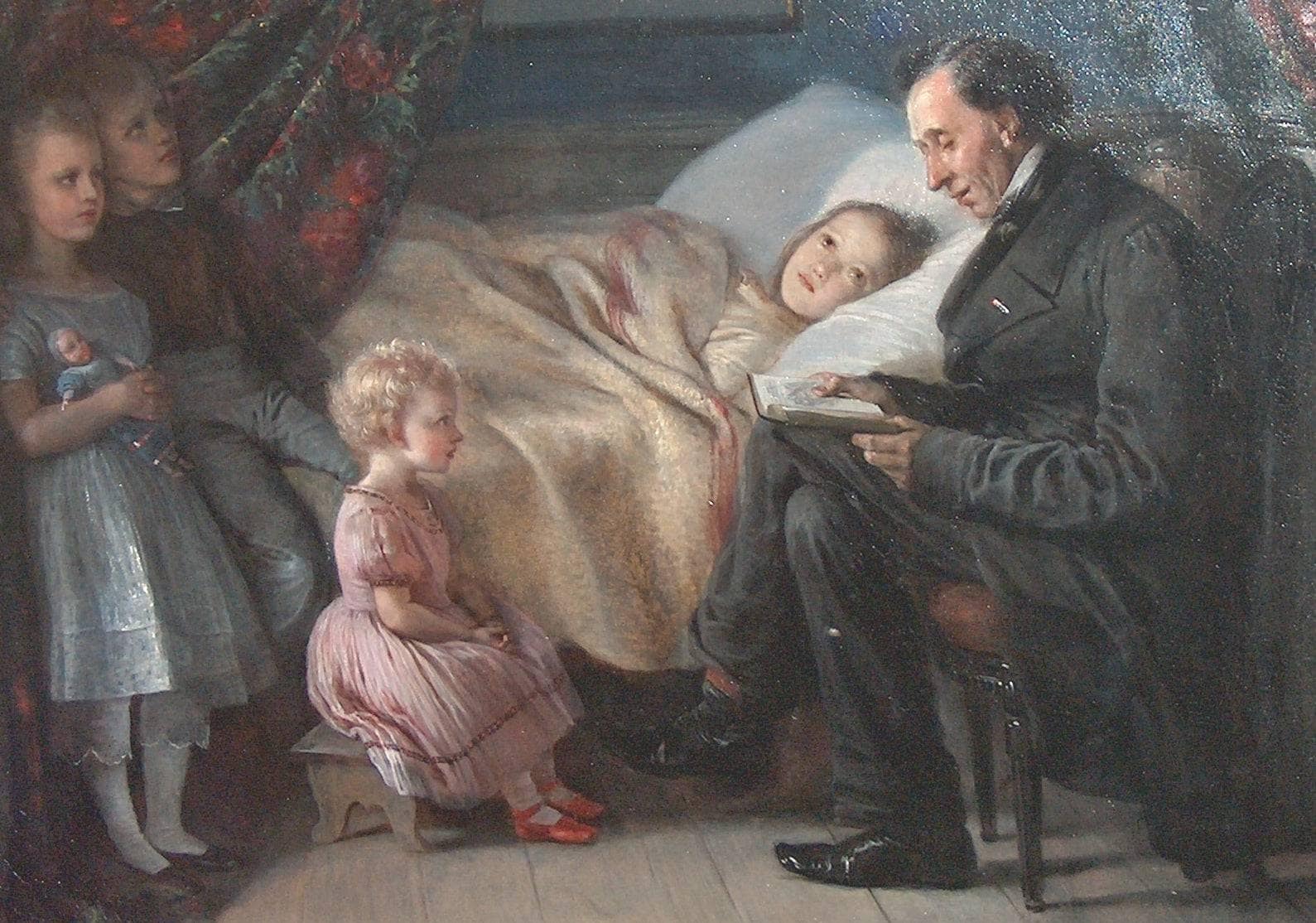
H C. Andersen reads the story "The Angel" for the children of the painter

Product image 1

H C. Andersen reads the story "The Angel" for the children of the painter

Exploring the Enigmatic Themes in "The Angel" by Elisabeth Jerichau-Baumann

Symbolism of Innocence and Protection in the Artwork

Understanding the Role of the Angel in Children's Lives

In "The Angel," Elisabeth Jerichau-Baumann captures the essence of childhood innocence and the protective nature of angels. The angel serves as a guardian, embodying the purity and wonder of youth. This figure resonates deeply with children, symbolizing hope and safety in a world that can often feel overwhelming. The angel's gentle demeanor invites viewers to reflect on the nurturing aspects of childhood, making it a timeless piece that speaks to the hearts of both young and old.

Interpreting the Guardian Figure: A Deeper Look

The angel in this painting is not just a celestial being; it represents a universal archetype of protection and guidance. Jerichau-Baumann's portrayal invites us to consider the emotional bonds between children and their guardians. This interpretation aligns with the Romantic ideals of the 19th century, where artists sought to explore the emotional landscapes of their subjects. The angel's presence suggests a comforting embrace, reinforcing the idea that love and protection are fundamental to a child's development.

Elisabeth Jerichau-Baumann: A Pioneer of 19th Century Art

Her Artistic Journey and Influences

Elisabeth Jerichau-Baumann was a trailblazer in the male-dominated art world of the 19th century. Born in 1815 in Poland, she studied under prominent artists and developed a unique style that blended realism with romanticism. Her works often featured themes of motherhood, childhood, and spirituality, reflecting her personal experiences and the societal norms of her time. Jerichau-Baumann's dedication to her craft and her ability to convey deep emotions through her art set her apart as a significant figure in European art history.

Women in Art: Breaking Barriers in the 1800s

During the 1800s, women artists faced numerous challenges, including limited access to formal training and exhibition opportunities. Jerichau-Baumann defied these barriers, establishing herself as a respected artist. Her success paved the way for future generations of female artists, inspiring them to pursue their passions despite societal constraints. Her legacy continues to influence contemporary discussions about gender equality in the arts.

The Artistic Techniques Behind "The Angel"

Brushwork and Color Palette: A Study in Emotion

How Color Choices Evoke Feelings of Safety and Wonder

Jerichau-Baumann's use of color in "The Angel" is masterful. Soft pastels and warm hues create an inviting atmosphere, evoking feelings of safety and wonder. The delicate pinks and blues enhance the angel's ethereal quality, while the vibrant colors of the children's clothing add a playful contrast. This thoughtful color palette draws viewers into the scene, allowing them to experience the joy and innocence of childhood.

Examining the Use of Light and Shadow in the Composition

Light plays a crucial role in "The Angel." Jerichau-Baumann skillfully employs chiaroscuro techniques to create depth and dimension. The gentle illumination highlights the angel's features, emphasizing her protective gaze. Shadows add a sense of mystery and intrigue, inviting viewers to explore the emotional undertones of the painting. This interplay of light and shadow enhances the overall narrative, making the artwork a captivating visual experience.

Composition and Perspective: Guiding the Viewer's Eye

Analyzing the Arrangement of Figures and Background

The composition of "The Angel" is thoughtfully arranged. The angel stands prominently, drawing the viewer's attention, while the children are positioned in a way that suggests interaction and connection. This arrangement creates a harmonious balance, guiding the viewer's eye through the painting. The background, with its soft, blurred elements, enhances the focus on the figures, allowing the emotional exchange to take center stage.

Spatial Relationships: The Interaction Between the Angel and Children

Jerichau-Baumann's depiction of spatial relationships adds depth to the narrative. The closeness of the angel to the children signifies a protective bond, while their expressions convey a sense of wonder and trust. This interaction reflects the artist's understanding of human emotions and relationships, making "The Angel" a poignant exploration of childhood and guardianship.

The Cultural Context of "The Angel"

19th Century European Society and Its Influence on Art

The 19th century was a time of significant change in Europe, marked by industrialization and shifting social norms. Artists like Jerichau-Baumann responded to these changes by exploring themes of innocence and spirituality. "The Angel" reflects the era's fascination with the idealization of childhood, as well as the growing interest in emotional expression in art. This cultural backdrop enriches the painting's meaning and relevance.

Childhood in the 1800s: A Reflection in Art

During the 1800s, childhood was often romanticized in art. Children were seen as symbols of purity and potential, and artists sought to capture their essence. Jerichau-Baumann's "The Angel" embodies this ideal, portraying children in a safe and nurturing environment. This reflection of childhood in art serves as a reminder of the importance of protecting and cherishing the innocence of youth.

Religious and Spiritual Undertones in Jerichau-Baumann's Work

Jerichau-Baumann's work often contains religious and spiritual themes. In "The Angel," the angelic figure represents a divine presence, suggesting a connection between the earthly and the heavenly. This spiritual undertone invites viewers to contemplate the deeper meanings of protection and guidance in their own lives. The painting serves as a visual meditation on the role of faith and spirituality in nurturing the innocence of childhood.

Reception and Legacy of "The Angel"

Critical Acclaim: How Art Critics Viewed the Piece

Upon its release, "The Angel" received critical acclaim for its emotional depth and technical skill. Art critics praised Jerichau-Baumann's ability to convey complex emotions through her brushwork and composition. The painting was celebrated for its innovative approach to depicting childhood and spirituality, solidifying Jerichau-Baumann's reputation as a leading artist of her time.

The Painting's Impact on Future Generations of Artists

"The Angel" has left a lasting legacy in the art world. Its themes of innocence and protection continue to resonate with contemporary artists. Jerichau-Baumann's unique perspective and mastery of technique inspire new generations to explore similar themes in their work. The painting serves as a reminder of the enduring power of art to evoke emotion and provoke thought.

Frequently Asked Questions About "The Angel"

What is the main theme of "The Angel" by Elisabeth Jerichau-Baumann?

The main theme of "The Angel" revolves around innocence, protection, and the nurturing bond between guardians and children. The angel symbolizes hope and safety in a child's life.

How does the painting reflect the artist's personal experiences?

Jerichau-Baumann's personal experiences as a mother and her understanding of childhood inform the emotional depth of "The Angel." Her own life influences the themes of protection and love depicted in the artwork.

What techniques did Jerichau-Baumann use to create depth in the painting?

Jerichau-Baumann employed chiaroscuro techniques, careful brushwork, and a thoughtful color palette to create depth and dimension in "The Angel." These techniques enhance the emotional impact of the piece.

What historical context influenced the creation of "The Angel"?

The 19th century was marked by romanticism and a fascination with childhood. This cultural context influenced Jerichau-Baumann's portrayal of innocence and spirituality in "The Angel."

How has "The Angel" been received by art historians over the years?

Art historians have praised "The Angel" for its emotional depth and technical skill. The painting is recognized as a significant work that explores themes of childhood and protection.

FAQs About the Painting Reproduction

What should I consider when purchasing a reproduction of "The Angel"?

When purchasing a reproduction of "The Angel," consider the quality of materials used, the accuracy of colors, and the level of detail. Look for art reproductions that capture the essence of the original painting.

How can I ensure the quality of the reproduction matches the original?

To ensure the quality of the reproduction matches the original, choose a reputable art reproduction company that specializes in oil painting reproductions. These reproductions are superior to prints, as they replicate the texture and depth of the original artwork, providing a more authentic experience.
Select Size
From $89.98

Original: $299.95

-70%
H C. Andersen reads the story "The Angel" for the children of the painterโ€”

$299.95

$89.98

Product Information

Shipping & Returns

Description

Exploring the Enigmatic Themes in "The Angel" by Elisabeth Jerichau-Baumann

Symbolism of Innocence and Protection in the Artwork

Understanding the Role of the Angel in Children's Lives

In "The Angel," Elisabeth Jerichau-Baumann captures the essence of childhood innocence and the protective nature of angels. The angel serves as a guardian, embodying the purity and wonder of youth. This figure resonates deeply with children, symbolizing hope and safety in a world that can often feel overwhelming. The angel's gentle demeanor invites viewers to reflect on the nurturing aspects of childhood, making it a timeless piece that speaks to the hearts of both young and old.

Interpreting the Guardian Figure: A Deeper Look

The angel in this painting is not just a celestial being; it represents a universal archetype of protection and guidance. Jerichau-Baumann's portrayal invites us to consider the emotional bonds between children and their guardians. This interpretation aligns with the Romantic ideals of the 19th century, where artists sought to explore the emotional landscapes of their subjects. The angel's presence suggests a comforting embrace, reinforcing the idea that love and protection are fundamental to a child's development.

Elisabeth Jerichau-Baumann: A Pioneer of 19th Century Art

Her Artistic Journey and Influences

Elisabeth Jerichau-Baumann was a trailblazer in the male-dominated art world of the 19th century. Born in 1815 in Poland, she studied under prominent artists and developed a unique style that blended realism with romanticism. Her works often featured themes of motherhood, childhood, and spirituality, reflecting her personal experiences and the societal norms of her time. Jerichau-Baumann's dedication to her craft and her ability to convey deep emotions through her art set her apart as a significant figure in European art history.

Women in Art: Breaking Barriers in the 1800s

During the 1800s, women artists faced numerous challenges, including limited access to formal training and exhibition opportunities. Jerichau-Baumann defied these barriers, establishing herself as a respected artist. Her success paved the way for future generations of female artists, inspiring them to pursue their passions despite societal constraints. Her legacy continues to influence contemporary discussions about gender equality in the arts.

The Artistic Techniques Behind "The Angel"

Brushwork and Color Palette: A Study in Emotion

How Color Choices Evoke Feelings of Safety and Wonder

Jerichau-Baumann's use of color in "The Angel" is masterful. Soft pastels and warm hues create an inviting atmosphere, evoking feelings of safety and wonder. The delicate pinks and blues enhance the angel's ethereal quality, while the vibrant colors of the children's clothing add a playful contrast. This thoughtful color palette draws viewers into the scene, allowing them to experience the joy and innocence of childhood.

Examining the Use of Light and Shadow in the Composition

Light plays a crucial role in "The Angel." Jerichau-Baumann skillfully employs chiaroscuro techniques to create depth and dimension. The gentle illumination highlights the angel's features, emphasizing her protective gaze. Shadows add a sense of mystery and intrigue, inviting viewers to explore the emotional undertones of the painting. This interplay of light and shadow enhances the overall narrative, making the artwork a captivating visual experience.

Composition and Perspective: Guiding the Viewer's Eye

Analyzing the Arrangement of Figures and Background

The composition of "The Angel" is thoughtfully arranged. The angel stands prominently, drawing the viewer's attention, while the children are positioned in a way that suggests interaction and connection. This arrangement creates a harmonious balance, guiding the viewer's eye through the painting. The background, with its soft, blurred elements, enhances the focus on the figures, allowing the emotional exchange to take center stage.

Spatial Relationships: The Interaction Between the Angel and Children

Jerichau-Baumann's depiction of spatial relationships adds depth to the narrative. The closeness of the angel to the children signifies a protective bond, while their expressions convey a sense of wonder and trust. This interaction reflects the artist's understanding of human emotions and relationships, making "The Angel" a poignant exploration of childhood and guardianship.

The Cultural Context of "The Angel"

19th Century European Society and Its Influence on Art

The 19th century was a time of significant change in Europe, marked by industrialization and shifting social norms. Artists like Jerichau-Baumann responded to these changes by exploring themes of innocence and spirituality. "The Angel" reflects the era's fascination with the idealization of childhood, as well as the growing interest in emotional expression in art. This cultural backdrop enriches the painting's meaning and relevance.

Childhood in the 1800s: A Reflection in Art

During the 1800s, childhood was often romanticized in art. Children were seen as symbols of purity and potential, and artists sought to capture their essence. Jerichau-Baumann's "The Angel" embodies this ideal, portraying children in a safe and nurturing environment. This reflection of childhood in art serves as a reminder of the importance of protecting and cherishing the innocence of youth.

Religious and Spiritual Undertones in Jerichau-Baumann's Work

Jerichau-Baumann's work often contains religious and spiritual themes. In "The Angel," the angelic figure represents a divine presence, suggesting a connection between the earthly and the heavenly. This spiritual undertone invites viewers to contemplate the deeper meanings of protection and guidance in their own lives. The painting serves as a visual meditation on the role of faith and spirituality in nurturing the innocence of childhood.

Reception and Legacy of "The Angel"

Critical Acclaim: How Art Critics Viewed the Piece

Upon its release, "The Angel" received critical acclaim for its emotional depth and technical skill. Art critics praised Jerichau-Baumann's ability to convey complex emotions through her brushwork and composition. The painting was celebrated for its innovative approach to depicting childhood and spirituality, solidifying Jerichau-Baumann's reputation as a leading artist of her time.

The Painting's Impact on Future Generations of Artists

"The Angel" has left a lasting legacy in the art world. Its themes of innocence and protection continue to resonate with contemporary artists. Jerichau-Baumann's unique perspective and mastery of technique inspire new generations to explore similar themes in their work. The painting serves as a reminder of the enduring power of art to evoke emotion and provoke thought.

Frequently Asked Questions About "The Angel"

What is the main theme of "The Angel" by Elisabeth Jerichau-Baumann?

The main theme of "The Angel" revolves around innocence, protection, and the nurturing bond between guardians and children. The angel symbolizes hope and safety in a child's life.

How does the painting reflect the artist's personal experiences?

Jerichau-Baumann's personal experiences as a mother and her understanding of childhood inform the emotional depth of "The Angel." Her own life influences the themes of protection and love depicted in the artwork.

What techniques did Jerichau-Baumann use to create depth in the painting?

Jerichau-Baumann employed chiaroscuro techniques, careful brushwork, and a thoughtful color palette to create depth and dimension in "The Angel." These techniques enhance the emotional impact of the piece.

What historical context influenced the creation of "The Angel"?

The 19th century was marked by romanticism and a fascination with childhood. This cultural context influenced Jerichau-Baumann's portrayal of innocence and spirituality in "The Angel."

How has "The Angel" been received by art historians over the years?

Art historians have praised "The Angel" for its emotional depth and technical skill. The painting is recognized as a significant work that explores themes of childhood and protection.

FAQs About the Painting Reproduction

What should I consider when purchasing a reproduction of "The Angel"?

When purchasing a reproduction of "The Angel," consider the quality of materials used, the accuracy of colors, and the level of detail. Look for art reproductions that capture the essence of the original painting.

How can I ensure the quality of the reproduction matches the original?

To ensure the quality of the reproduction matches the original, choose a reputable art reproduction company that specializes in oil painting reproductions. These reproductions are superior to prints, as they replicate the texture and depth of the original artwork, providing a more authentic experience.

You may also like

-70%NEW
Thumbnail 1

St. John the Evangelist and St. Francis

$299.95

$89.98

-70%NEW
Thumbnail 1

The Angel of the Annunciation

$299.95

$89.98

-70%NEW
Thumbnail 1

Michelangelo in his Studio

$299.95

$89.98

-70%NEW
Thumbnail 1

Jacob's fight with the angel

$299.95

$89.98

-70%NEW
Thumbnail 1

Roger delivering Angelica

$249.95

$74.98

-70%NEW
Thumbnail 1

Hagar Meeting the Angel in the Desert

$249.95

$74.98

-70%NEW
Thumbnail 1

Abraham Receiving the Three Angels

$299.95

$89.98

-70%NEW
Thumbnail 1

Vision of St Bernard with Sts Benedict and John the Evangelist

$249.95

$74.98

-70%NEW
Thumbnail 1

Christ with the Four Evangelists

$299.95

$89.98

-70%NEW
Thumbnail 1

Coronation of the Virgin with Angels

$299.95

$89.98

NEW
Thumbnail 1

Flagellation of St. Jerome by the angels

$299.95