🚚 Free Worldwide Shipping on All Orders!Shop Now

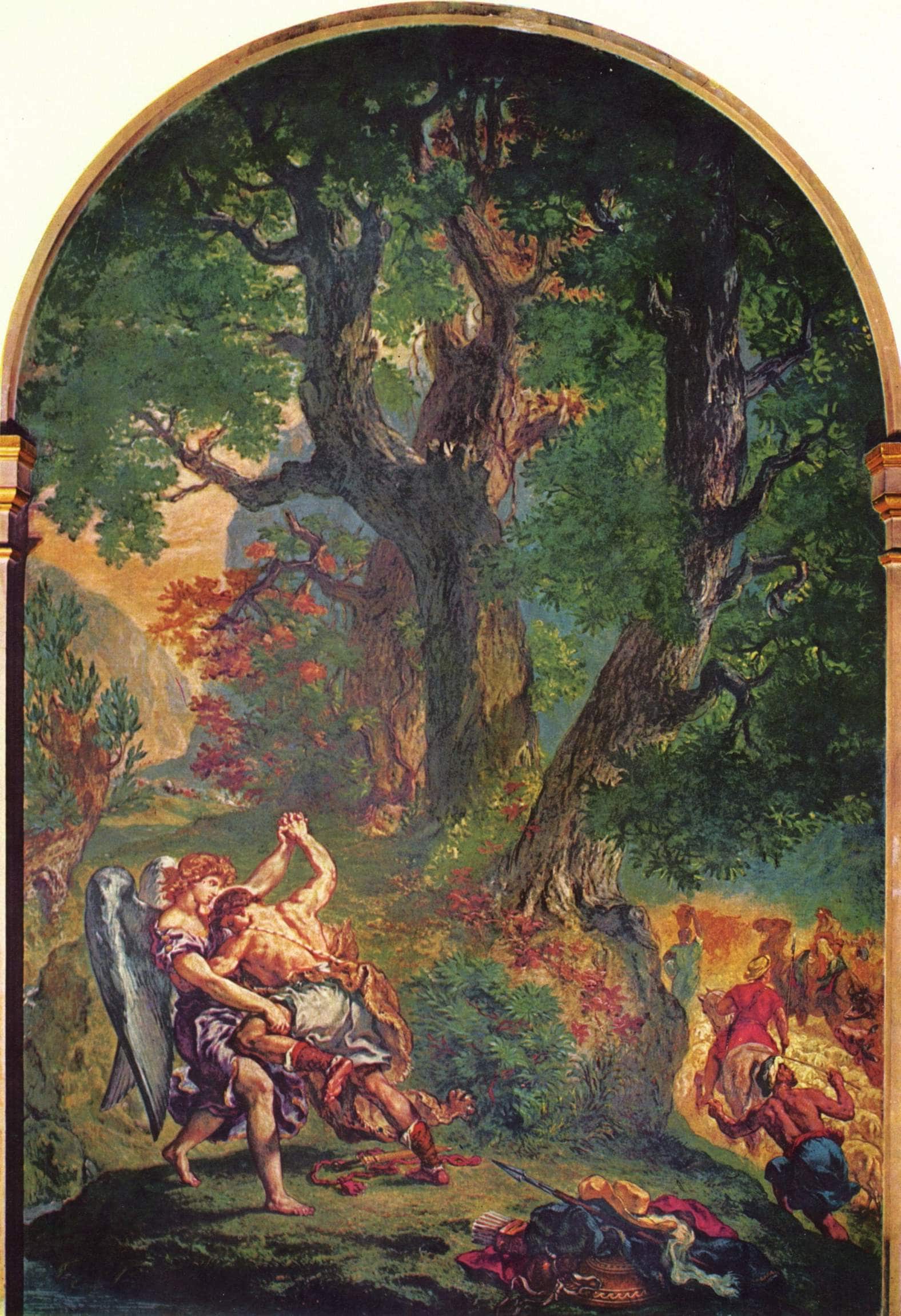
Jacob's fight with the angel
Exploring the Dramatic Narrative of Jacob's Fight with the Angel
Historical Context of Eugene Delacroix's Masterpiece
The Romantic Era: A Time of Emotional Expression
Eugene Delacroix painted "Jacob's Fight with the Angel" in 1850, during the Romantic era, a period known for its emphasis on emotion, individualism, and nature. This era celebrated the dramatic and the sublime, often drawing inspiration from literature and mythology. Delacroix, a leading figure of French Romanticism, infused his works with intense feelings and vivid imagery, making them resonate deeply with viewers.Delacroix's Influence on French Romanticism
Delacroix's innovative approach to color and composition significantly shaped the trajectory of French art. His ability to convey passion and turmoil through brushwork and color choices set a new standard for emotional expression in painting. "Jacob's Fight with the Angel" exemplifies his mastery, showcasing the struggle between humanity and the divine, a theme that captivated many artists of his time.Symbolism and Themes in Jacob's Struggle
The Battle of Faith: A Spiritual Interpretation
The painting depicts a pivotal moment from the biblical story of Jacob wrestling with an angel, symbolizing the struggle of faith and the quest for divine blessing. This intense confrontation represents not just a physical battle but also an internal struggle for identity and purpose. The angel, representing divine will, challenges Jacob, who embodies human perseverance and determination.Light and Shadow: The Use of Chiaroscuro
Delacroix expertly employs chiaroscuro, the contrast of light and shadow, to heighten the drama of the scene. The interplay of light illuminates Jacob's determined expression while casting the angel in shadow, emphasizing the tension between the two figures. This technique draws the viewer's eye and enhances the emotional impact of the struggle.Artistic Techniques and Brushwork in Delacroix's Painting
Dynamic Composition: Movement and Energy
The composition of "Jacob's Fight with the Angel" is dynamic and full of energy. Delacroix captures the moment of struggle with swirling forms and vigorous brushstrokes, creating a sense of movement that pulls the viewer into the action. The figures seem to leap off the canvas, embodying the raw intensity of their confrontation.Color Palette: The Emotional Impact of Color Choices
Delacroix's color palette is rich and vibrant, using deep blues, fiery reds, and earthy tones to evoke strong emotions. The colors not only enhance the drama but also reflect the psychological states of the characters. The warm hues surrounding Jacob suggest his fervent spirit, while cooler tones envelop the angel, hinting at the otherworldly nature of his presence.Iconography: Understanding the Figures in the Painting
Jacob: The Archetype of Perseverance and Resilience
Jacob is portrayed as a muscular figure, embodying strength and determination. His struggle is not just physical; it represents the human condition's challenges. This depiction of Jacob as a resilient fighter resonates with viewers, symbolizing the universal quest for meaning and divine favor.The Angel: A Symbol of Divine Intervention
The angel in the painting is depicted with ethereal grace, representing divine intervention and guidance. This figure serves as a reminder of the spiritual battles we all face. The angel's presence adds a layer of complexity, suggesting that struggles can lead to enlightenment and transformation.Comparative Analysis: Delacroix vs. Other Artists
Contrasting Jacob's Fight with the Angel and Other Biblical Depictions
Delacroix's interpretation of Jacob's struggle stands out among other biblical depictions. Unlike more serene portrayals, his version captures the raw intensity of the moment. This approach invites viewers to engage with the emotional depth of the narrative, making it a powerful representation of faith and conflict.Influence of Caravaggio and Rubens on Delacroix's Style
Delacroix drew inspiration from earlier masters like Caravaggio and Rubens, known for their dramatic use of light and color. However, Delacroix's unique style combines these influences with his own emotional depth, creating a distinctive approach that emphasizes the psychological aspects of the characters.Viewer Experience: Engaging with the Artwork
Emotional Reactions: What the Painting Evokes
"Jacob's Fight with the Angel" evokes a range of emotions, from tension to awe. Viewers often feel a connection to Jacob's struggle, reflecting their own challenges and aspirations. The painting's dramatic energy invites contemplation and personal reflection, making it a deeply engaging experience.Interpreting the Scene: Personal Reflections and Insights
Each viewer may interpret the scene differently, influenced by their own experiences and beliefs. Some may see it as a representation of personal struggle, while others may view it as a broader commentary on faith and resilience. This multiplicity of interpretations adds to the painting's richness and enduring appeal.FAQs About Jacob's Fight with the Angel
What is the story behind Jacob's fight with the angel?
The story originates from the Book of Genesis, where Jacob wrestles with an angel throughout the night. This struggle symbolizes his quest for a blessing and transformation, marking a pivotal moment in his life.What techniques did Delacroix use to create this painting?
Delacroix used dynamic brushwork, chiaroscuro, and a vibrant color palette to convey emotion and movement. His techniques create a sense of immediacy and intensity in the scene.How does this painting reflect the themes of the Romantic era?
The painting embodies Romantic themes of individual struggle, emotional depth, and the sublime. Delacroix's focus on personal conflict and spiritual quest aligns with the era's emphasis on human experience.What emotions does the painting evoke in viewers?
Viewers often feel tension, empathy, and inspiration when engaging with the painting. The emotional struggle depicted resonates with personal experiences of conflict and perseverance.How does Delacroix's portrayal of Jacob differ from other artists?
Delacroix's Jacob is depicted with raw physicality and emotional intensity, contrasting with more tranquil representations by other artists. His focus on the struggle's drama sets his work apart.What are the key symbols in Jacob's Fight with the Angel?
Key symbols include Jacob, representing human resilience, and the angel, symbolizing divine intervention. The struggle itself represents the quest for faith and understanding.How can I appreciate the details in a reproduction of this painting?
A high-quality painting reproduction allows you to appreciate the intricate details, brushwork, and color nuances that make Delacroix's work so compelling. Unlike prints, reproductions capture the texture and depth of the original artwork, enhancing your viewing experience.Select Size
From $89.98
Original: $299.95
-70%Jacob's fight with the angel—
$299.95
$89.98Product Information
Product Information
Shipping & Returns
Shipping & Returns