🚚 Free Worldwide Shipping on All Orders!Shop Now

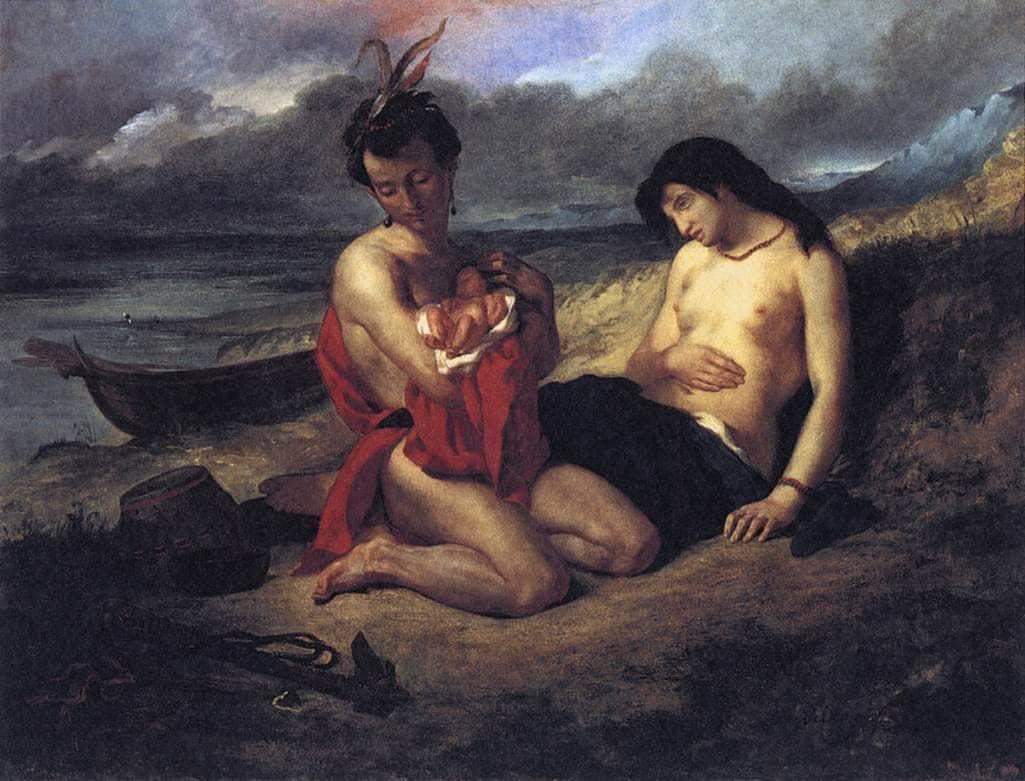
The Natchez
The Natchez: A Masterpiece of Romanticism by Eugene Delacroix
Exploring the Historical Context of The Natchez
The Influence of the Romantic Era on Delacroix's Work
Eugene Delacroix, a leading figure of the Romantic movement, created "The Natchez" in 1835. This painting reflects the era's fascination with emotion, nature, and the sublime. Romanticism emphasized individual experience and the beauty of the natural world, which Delacroix captured through vibrant colors and dramatic scenes. His work often challenged the classical norms, focusing instead on the raw power of human emotion and the complexities of life.Understanding the Cultural Significance of the Natchez Tribe
The Natchez tribe, indigenous to the Mississippi region, played a crucial role in American history. Known for their complex social structure and rich cultural traditions, the Natchez were deeply connected to the land. Delacroix's portrayal of the tribe highlights their struggles and resilience in the face of European colonization. This painting serves as a poignant reminder of their legacy and the impact of cultural displacement.Delacroix's Artistic Journey: From Early Works to The Natchez
Before creating "The Natchez," Delacroix explored various themes and styles. His early works, such as "The Barque of Dante," showcased his interest in dramatic narratives and emotional depth. By the time he painted "The Natchez," Delacroix had honed his skills in color and composition, allowing him to create a powerful visual statement that resonates with viewers even today.Visual Analysis of The Natchez: Composition and Color Palette
Dynamic Composition: The Arrangement of Figures and Landscape
"The Natchez" features a dynamic composition that draws the viewer's eye across the canvas. The arrangement of figures, including Native Americans and European settlers, creates a sense of movement and tension. The Mississippi River flows through the scene, symbolizing both life and conflict. Delacroix's ability to balance the figures with the expansive landscape enhances the painting's emotional impact.Color Symbolism: The Use of Bold Hues and Contrasts
Delacroix's use of color in "The Natchez" is striking. He employs bold hues, such as deep reds and vibrant greens, to evoke strong emotions. The contrasts between light and shadow add depth and drama, highlighting the intensity of the scene. Each color choice serves a purpose, reflecting the themes of struggle and survival inherent in the Natchez people's story.Brushwork Techniques: Capturing Emotion and Movement
Delacroix's brushwork in "The Natchez" is both expressive and fluid. He uses loose, energetic strokes to convey movement and emotion. This technique allows the viewer to feel the tension and urgency of the moment. The texture created by his brushwork adds a layer of complexity, inviting closer inspection and deeper appreciation of the artwork.Thematic Elements in The Natchez: Nature, Conflict, and Identity
Nature as a Character: The Role of the Mississippi River
In "The Natchez," the Mississippi River is more than just a backdrop; it is a character in its own right. The river represents both the lifeblood of the Natchez tribe and the encroaching threat of colonization. Delacroix captures the river's beauty and danger, emphasizing its significance in the lives of the people depicted.Conflict and Struggle: The Depiction of Native American Life
The painting vividly portrays the conflict between Native Americans and European settlers. Delacroix does not shy away from depicting the harsh realities of this struggle. The expressions and postures of the figures convey a sense of urgency and desperation, reflecting the broader themes of survival and resistance.Identity and Heritage: Reflections on the Natchez People
Delacroix's "The Natchez" serves as a tribute to the identity and heritage of the Natchez tribe. Through his art, he honors their culture and history, inviting viewers to reflect on the importance of preserving indigenous narratives. The painting stands as a powerful reminder of the resilience of the Natchez people and their enduring legacy.Delacroix's Influence on Future Generations of Artists
How The Natchez Inspired Later Romantic and Impressionist Artists
"The Natchez" had a profound impact on later artists, particularly within the Romantic and Impressionist movements. Artists like Claude Monet and Pierre-Auguste Renoir drew inspiration from Delacroix's use of color and emotion. His ability to convey complex themes through vibrant imagery paved the way for future explorations of light and movement in art.The Legacy of Delacroix: Impact on Modern Art Movements
Delacroix's influence extends beyond his immediate contemporaries. His innovative techniques and thematic explorations laid the groundwork for modern art movements, including Expressionism and Abstract art. Artists continue to study his work, recognizing the emotional depth and technical mastery that define his legacy.First-Hand Experience: Viewing The Natchez in Person
What to Expect When Visiting the Museum
When you visit the museum housing "The Natchez," prepare to be captivated by its grandeur. The painting's size and detail draw you in, allowing for an immersive experience. Expect to see a diverse audience, all sharing in the appreciation of Delacroix's masterful storytelling through art.Tips for Appreciating the Details of The Natchez
To fully appreciate "The Natchez," take your time observing the intricate details. Notice the expressions on the figures' faces and the interplay of light and shadow. Consider the historical context and the emotions Delacroix sought to convey. Engaging with the painting on multiple levels will enhance your understanding and enjoyment.FAQs About The Natchez by Eugene Delacroix
What is the story behind The Natchez painting?
"The Natchez" depicts the struggles of the Natchez tribe against European settlers, highlighting themes of conflict and resilience.What techniques did Delacroix use in The Natchez?
Delacroix employed dynamic brushwork, bold colors, and a dramatic composition to convey emotion and movement in "The Natchez."How does The Natchez reflect the themes of Romanticism?
The painting embodies Romanticism through its focus on emotion, nature, and the individual experience of the Natchez people.Where can I see The Natchez painting today?
You can view "The Natchez" at the Louvre Museum in Paris, France, where it is part of their esteemed collection.What are the main colors used in The Natchez?
Delacroix uses a rich palette, including deep reds, vibrant greens, and contrasting light and shadow to enhance the painting's emotional impact.How does The Natchez compare to other works by Delacroix?
"The Natchez" stands out for its dramatic narrative and emotional depth, similar to other works like "Liberty Leading the People," but with a unique focus on indigenous themes.What should I know about reproductions of The Natchez?
Reproductions of "The Natchez" offer a superior alternative to prints, capturing the texture and vibrancy of the original painting. They allow art lovers to bring a piece of history into their homes.Are there any notable exhibitions featuring The Natchez?
While "The Natchez" is primarily housed at the Louvre, it has been featured in various exhibitions celebrating Delacroix's work, showcasing his influence on art history.Select Size
From $89.98
Original: $299.95
-70%The Natchez—
$299.95
$89.98Product Information
Product Information
Shipping & Returns
Shipping & Returns