After the Bath (The Nymphs)
Exploring the Enchantment of "After the Bath" by Emile Bernard
Artistic Vision: Emile Bernard's Unique Style and Technique
Influences of Post-Impressionism in Bernard's Work
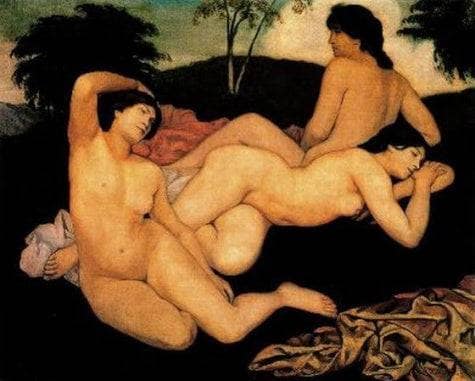
Emile Bernard, a prominent figure in the Post-Impressionist movement, infused his paintings with a distinctive style that set him apart from his contemporaries. His work often reflects the influence of Symbolism, which emphasizes emotion and ideas over realism. In "After the Bath," Bernard captures the essence of femininity and intimacy, showcasing his innovative approach to color and form.
Color Palette: The Harmony of Soft Hues and Bold Contrasts
Bernard's color palette in "After the Bath" features a delicate blend of soft pastels and striking contrasts. The gentle pinks and blues evoke a sense of tranquility, while the bold greens and earthy tones ground the composition. This harmonious interplay of colors enhances the painting's emotional depth, inviting viewers to immerse themselves in its serene atmosphere.
Brushwork: Capturing Emotion Through Texture
Bernard's brushwork is a testament to his mastery of texture. He employs a variety of techniques, from smooth strokes to more vigorous applications, to convey emotion and movement. The textured surfaces in "After the Bath" create a tactile quality that draws the viewer in, making the experience of the painting both visual and sensory.
Thematic Elements: Symbolism and Meaning in "After the Bath"
Feminine Beauty: The Celebration of the Female Form
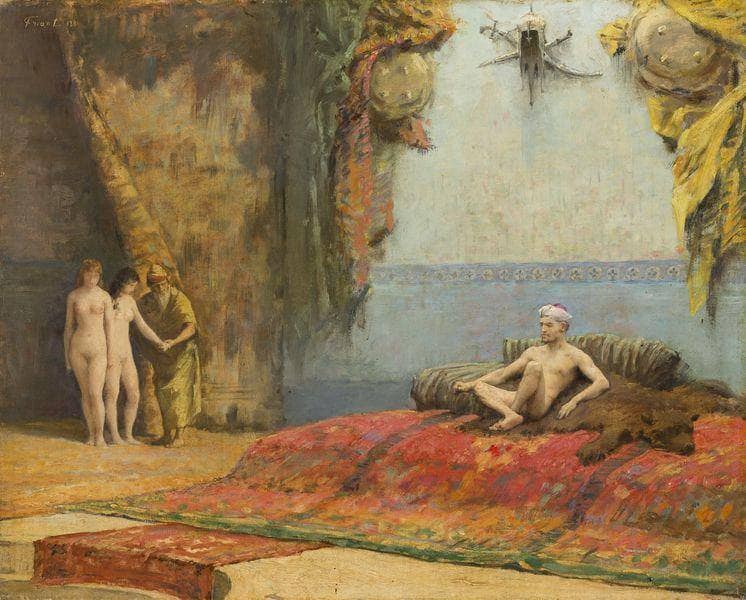
At the heart of "After the Bath" lies a celebration of feminine beauty. The figures in the painting exude grace and elegance, embodying the ideals of beauty prevalent in late 19th-century art. Bernard's portrayal of women reflects a deep appreciation for the female form, elevating it to a symbol of purity and sensuality.
Intimacy and Vulnerability: A Glimpse into Private Moments
The painting captures a private moment, inviting viewers to witness the intimacy and vulnerability of the subjects. This theme resonates with audiences, as it reflects universal experiences of connection and tenderness. Bernard's ability to convey such emotions through his art makes "After the Bath" a poignant exploration of human relationships.
Nature and Nurture: The Connection Between Women and the Natural World
In "After the Bath," Bernard intertwines the themes of nature and nurture. The lush surroundings and the presence of water symbolize life and renewal. This connection emphasizes the nurturing aspect of femininity, suggesting that women are not only part of nature but also its caretakers.
Composition Analysis: Structure and Balance in the Painting
Arrangement of Figures: The Dance of Light and Shadow
The composition of "After the Bath" is masterfully arranged, with figures positioned to create a dynamic interplay of light and shadow. Bernard skillfully uses chiaroscuro to enhance the three-dimensionality of the forms, guiding the viewer's eye through the painting. This dance of light and shadow adds depth and intrigue to the overall scene.
Spatial Dynamics: Creating Depth and Perspective
Bernard's use of spatial dynamics in "After the Bath" creates a sense of depth and perspective. The layering of figures and the strategic placement of elements draw the viewer into the scene. This thoughtful arrangement invites contemplation, allowing for a more immersive experience.
Symbolic Objects: The Role of Water and Drapery
Water and drapery play significant roles in "After the Bath." Water symbolizes cleansing and renewal, while the flowing drapery adds a sense of movement and grace. These elements enhance the painting's themes of intimacy and femininity, reinforcing the connection between the subjects and their environment.
Historical Context: The Era of Emile Bernard and His Peers
Art Movements: The Intersection of Symbolism and Impressionism
Emile Bernard's work emerged during a transformative period in art history. The intersection of Symbolism and Impressionism shaped his artistic vision. Artists sought to express deeper meanings and emotions, moving away from mere representation. "After the Bath" exemplifies this shift, blending aesthetic beauty with profound symbolism.
Bernard's Circle: Collaborations with Other Notable Artists
Bernard was part of a vibrant artistic community that included notable figures like Paul Gauguin and Vincent van Gogh. His collaborations and exchanges with these artists enriched his work, fostering a spirit of innovation. This camaraderie influenced the development of modern art, making Bernard a key player in this artistic revolution.
Societal Reflections: Gender Roles in Late 19th Century France
The late 19th century was a time of evolving gender roles in France. "After the Bath" reflects societal attitudes towards women, portraying them as both subjects of beauty and agents of nurturing. Bernard's work invites viewers to consider the complexities of femininity during this period, highlighting the tension between traditional roles and emerging modern identities.
Emotional Resonance: Viewer Interpretation and Experience
Personal Reflections: What "After the Bath" Evokes in the Viewer
Art as Therapy: The Calming Effect of Bernard's Imagery
Bernard's imagery has a therapeutic quality, offering solace to those who engage with it. The peaceful scenes and gentle colors create a calming atmosphere, making "After the Bath" a perfect addition to any space seeking tranquility. Art can serve as a refuge, and Bernard's work exemplifies this healing power.
Engagement with Nature: The Painting's Connection to the Outdoors
The connection to nature in "After the Bath" resonates with viewers who appreciate the outdoors. The lush greenery and the presence of water evoke a sense of harmony with the natural world. This engagement with nature enhances the painting's emotional impact, inviting viewers to reflect on their own relationship with the environment.
Preservation and Legacy: The Impact of "After the Bath" on Art History
Influence on Future Generations of Artists
"After the Bath" has left a lasting legacy on future generations of artists. Its themes of femininity, intimacy, and nature continue to inspire contemporary creators. The painting's innovative techniques and emotional depth serve as a benchmark for artists exploring similar subjects.
Exhibitions and Collections: Where to Experience Bernard's Work
Art enthusiasts can experience "After the Bath" in various exhibitions and collections worldwide. Museums and galleries often showcase Bernard's work, allowing audiences to appreciate his unique style and contributions to art history. Visiting these spaces offers a chance to connect with the artist's vision firsthand.
Art Criticism: Reception and Analysis Over the Years
The reception of "After the Bath" has evolved over the years. Initially celebrated for its beauty, art critics have since delved deeper into its themes and techniques. This ongoing analysis highlights the painting's significance in the broader context of art history, affirming Bernard's place among the greats.
FAQs About "After the Bath" by Emile Bernard
What is the story behind the painting "After the Bath"?
"After the Bath" captures a serene moment of feminine beauty and intimacy, reflecting Bernard's admiration for the female form and the natural world. The painting invites viewers to explore themes of vulnerability and connection.
How does "After the Bath" reflect Emile Bernard's artistic philosophy?
The painting embodies Bernard's belief in the emotional power of art. His use of color, texture, and symbolism conveys deeper meanings, inviting viewers to engage with their own feelings and experiences.
What techniques did Emile Bernard use in "After the Bath"?
Bernard employed a variety of techniques, including expressive brushwork and a harmonious color palette. His mastery of light and shadow enhances the painting's emotional depth and visual appeal.
What are the main themes explored in "After the Bath"?
The main themes include feminine beauty, intimacy, and the connection between women and nature. Bernard's work invites viewers to reflect on these universal experiences and emotions.
How has "After the Bath" influenced modern art?
"After the Bath" has influenced modern artists by exploring themes of femininity and emotional expression. Its innovative techniques and symbolic depth continue to resonate in contemporary art practices.
FAQs About the Painting Reproduction
What should I consider when purchasing a reproduction of "After the Bath"?
When purchasing a reproduction, consider the quality of materials and craftsmanship. Look for oil painting reproductions, as they offer superior detail and texture compared to standard prints.
How can I ensure the quality of the reproduction of Emile Bernard's work?
To ensure quality, choose a reputable seller who specializes in art reproductions. Look for reproductions that use high-quality canvas and oil paints to capture the essence of Bernard's original work.
Original: $299.95
-70%$299.95
$89.98Product Information
Product Information
Shipping & Returns
Shipping & Returns
Description
Exploring the Enchantment of "After the Bath" by Emile Bernard
Artistic Vision: Emile Bernard's Unique Style and Technique
Influences of Post-Impressionism in Bernard's Work
Emile Bernard, a prominent figure in the Post-Impressionist movement, infused his paintings with a distinctive style that set him apart from his contemporaries. His work often reflects the influence of Symbolism, which emphasizes emotion and ideas over realism. In "After the Bath," Bernard captures the essence of femininity and intimacy, showcasing his innovative approach to color and form.
Color Palette: The Harmony of Soft Hues and Bold Contrasts
Bernard's color palette in "After the Bath" features a delicate blend of soft pastels and striking contrasts. The gentle pinks and blues evoke a sense of tranquility, while the bold greens and earthy tones ground the composition. This harmonious interplay of colors enhances the painting's emotional depth, inviting viewers to immerse themselves in its serene atmosphere.
Brushwork: Capturing Emotion Through Texture
Bernard's brushwork is a testament to his mastery of texture. He employs a variety of techniques, from smooth strokes to more vigorous applications, to convey emotion and movement. The textured surfaces in "After the Bath" create a tactile quality that draws the viewer in, making the experience of the painting both visual and sensory.
Thematic Elements: Symbolism and Meaning in "After the Bath"
Feminine Beauty: The Celebration of the Female Form
At the heart of "After the Bath" lies a celebration of feminine beauty. The figures in the painting exude grace and elegance, embodying the ideals of beauty prevalent in late 19th-century art. Bernard's portrayal of women reflects a deep appreciation for the female form, elevating it to a symbol of purity and sensuality.
Intimacy and Vulnerability: A Glimpse into Private Moments
The painting captures a private moment, inviting viewers to witness the intimacy and vulnerability of the subjects. This theme resonates with audiences, as it reflects universal experiences of connection and tenderness. Bernard's ability to convey such emotions through his art makes "After the Bath" a poignant exploration of human relationships.
Nature and Nurture: The Connection Between Women and the Natural World
In "After the Bath," Bernard intertwines the themes of nature and nurture. The lush surroundings and the presence of water symbolize life and renewal. This connection emphasizes the nurturing aspect of femininity, suggesting that women are not only part of nature but also its caretakers.
Composition Analysis: Structure and Balance in the Painting
Arrangement of Figures: The Dance of Light and Shadow
The composition of "After the Bath" is masterfully arranged, with figures positioned to create a dynamic interplay of light and shadow. Bernard skillfully uses chiaroscuro to enhance the three-dimensionality of the forms, guiding the viewer's eye through the painting. This dance of light and shadow adds depth and intrigue to the overall scene.
Spatial Dynamics: Creating Depth and Perspective
Bernard's use of spatial dynamics in "After the Bath" creates a sense of depth and perspective. The layering of figures and the strategic placement of elements draw the viewer into the scene. This thoughtful arrangement invites contemplation, allowing for a more immersive experience.
Symbolic Objects: The Role of Water and Drapery
Water and drapery play significant roles in "After the Bath." Water symbolizes cleansing and renewal, while the flowing drapery adds a sense of movement and grace. These elements enhance the painting's themes of intimacy and femininity, reinforcing the connection between the subjects and their environment.
Historical Context: The Era of Emile Bernard and His Peers
Art Movements: The Intersection of Symbolism and Impressionism
Emile Bernard's work emerged during a transformative period in art history. The intersection of Symbolism and Impressionism shaped his artistic vision. Artists sought to express deeper meanings and emotions, moving away from mere representation. "After the Bath" exemplifies this shift, blending aesthetic beauty with profound symbolism.
Bernard's Circle: Collaborations with Other Notable Artists
Bernard was part of a vibrant artistic community that included notable figures like Paul Gauguin and Vincent van Gogh. His collaborations and exchanges with these artists enriched his work, fostering a spirit of innovation. This camaraderie influenced the development of modern art, making Bernard a key player in this artistic revolution.
Societal Reflections: Gender Roles in Late 19th Century France
The late 19th century was a time of evolving gender roles in France. "After the Bath" reflects societal attitudes towards women, portraying them as both subjects of beauty and agents of nurturing. Bernard's work invites viewers to consider the complexities of femininity during this period, highlighting the tension between traditional roles and emerging modern identities.
Emotional Resonance: Viewer Interpretation and Experience
Personal Reflections: What "After the Bath" Evokes in the Viewer
Art as Therapy: The Calming Effect of Bernard's Imagery
Bernard's imagery has a therapeutic quality, offering solace to those who engage with it. The peaceful scenes and gentle colors create a calming atmosphere, making "After the Bath" a perfect addition to any space seeking tranquility. Art can serve as a refuge, and Bernard's work exemplifies this healing power.
Engagement with Nature: The Painting's Connection to the Outdoors
The connection to nature in "After the Bath" resonates with viewers who appreciate the outdoors. The lush greenery and the presence of water evoke a sense of harmony with the natural world. This engagement with nature enhances the painting's emotional impact, inviting viewers to reflect on their own relationship with the environment.
Preservation and Legacy: The Impact of "After the Bath" on Art History
Influence on Future Generations of Artists
"After the Bath" has left a lasting legacy on future generations of artists. Its themes of femininity, intimacy, and nature continue to inspire contemporary creators. The painting's innovative techniques and emotional depth serve as a benchmark for artists exploring similar subjects.
Exhibitions and Collections: Where to Experience Bernard's Work
Art enthusiasts can experience "After the Bath" in various exhibitions and collections worldwide. Museums and galleries often showcase Bernard's work, allowing audiences to appreciate his unique style and contributions to art history. Visiting these spaces offers a chance to connect with the artist's vision firsthand.
Art Criticism: Reception and Analysis Over the Years
The reception of "After the Bath" has evolved over the years. Initially celebrated for its beauty, art critics have since delved deeper into its themes and techniques. This ongoing analysis highlights the painting's significance in the broader context of art history, affirming Bernard's place among the greats.
FAQs About "After the Bath" by Emile Bernard
What is the story behind the painting "After the Bath"?
"After the Bath" captures a serene moment of feminine beauty and intimacy, reflecting Bernard's admiration for the female form and the natural world. The painting invites viewers to explore themes of vulnerability and connection.
How does "After the Bath" reflect Emile Bernard's artistic philosophy?
The painting embodies Bernard's belief in the emotional power of art. His use of color, texture, and symbolism conveys deeper meanings, inviting viewers to engage with their own feelings and experiences.
What techniques did Emile Bernard use in "After the Bath"?
Bernard employed a variety of techniques, including expressive brushwork and a harmonious color palette. His mastery of light and shadow enhances the painting's emotional depth and visual appeal.
What are the main themes explored in "After the Bath"?
The main themes include feminine beauty, intimacy, and the connection between women and nature. Bernard's work invites viewers to reflect on these universal experiences and emotions.
How has "After the Bath" influenced modern art?
"After the Bath" has influenced modern artists by exploring themes of femininity and emotional expression. Its innovative techniques and symbolic depth continue to resonate in contemporary art practices.
FAQs About the Painting Reproduction
What should I consider when purchasing a reproduction of "After the Bath"?
When purchasing a reproduction, consider the quality of materials and craftsmanship. Look for oil painting reproductions, as they offer superior detail and texture compared to standard prints.
How can I ensure the quality of the reproduction of Emile Bernard's work?
To ensure quality, choose a reputable seller who specializes in art reproductions. Look for reproductions that use high-quality canvas and oil paints to capture the essence of Bernard's original work.