Odalisque
Exploring the Allure of Odalisque: A Masterpiece by Eugene Delacroix
The Historical Context of Odalisque: Romanticism in Art
Understanding the Romantic Movement and Delacroix's Influence
Odalisque, painted by the renowned French artist Eugene Delacroix in 1842, stands as a stunning example of the Romantic movement. This artistic era celebrated emotion, individualism, and the beauty of nature, often contrasting with the rationalism of the Enlightenment. Delacroix, a leading figure of Romanticism, infused his works with vibrant colors and dramatic themes, capturing the essence of human experience. His passion for exotic subjects and bold brushwork set him apart from his contemporaries, making Odalisque a pivotal piece in his oeuvre.
Odalisque: A Reflection of 19th Century French Society
In the 19th century, France was undergoing significant social and political changes. The fascination with the East, known as Orientalism, influenced many artists, including Delacroix. Odalisque reflects this trend, showcasing a harem scene that evokes both allure and mystery. The painting invites viewers to explore themes of desire, sensuality, and the complexities of femininity, mirroring the societal attitudes of the time. Delacroix's portrayal of the odalisque—a female slave or concubine—challenges traditional views and offers a glimpse into the exotic fantasies of 19th-century France.
Visual Elements of Odalisque: Analyzing Composition and Color
Color Palette: The Vibrant Hues of Desire and Exoticism
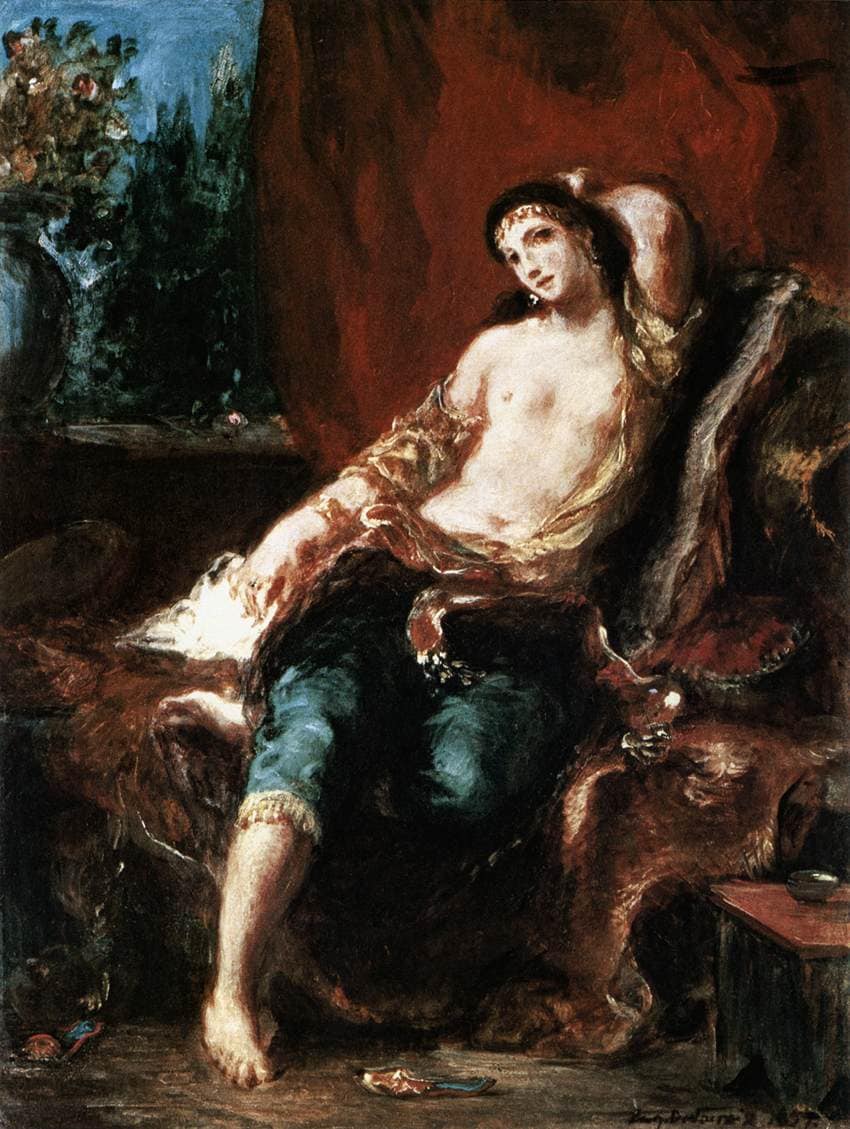
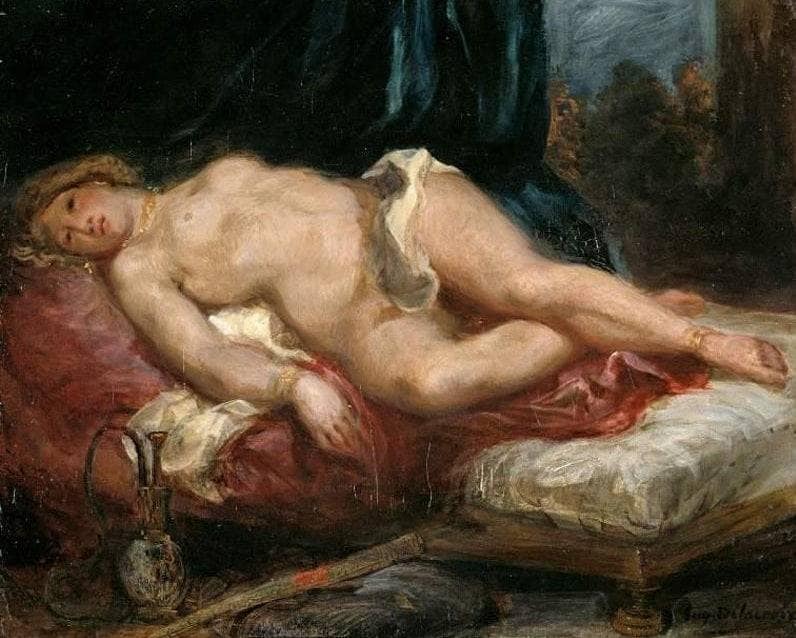
Delacroix's use of color in Odalisque is nothing short of mesmerizing. The rich reds, deep blues, and golden yellows create a vibrant tapestry that draws the viewer in. These colors symbolize passion and exoticism, enhancing the painting's sensual atmosphere. The interplay of warm and cool tones adds depth, inviting viewers to experience the emotional intensity of the scene. Delacroix's masterful color choices elevate Odalisque beyond mere representation, transforming it into a celebration of beauty and desire.
Composition Techniques: Balance and Asymmetry in Delacroix's Work
The composition of Odalisque showcases Delacroix's skillful balance of elements. The figure of the odalisque is positioned in a relaxed pose, creating a sense of intimacy. The asymmetrical arrangement of the surrounding objects, such as the draped fabrics and ornate furnishings, adds dynamism to the scene. This technique draws the eye across the canvas, encouraging viewers to explore every detail. Delacroix's innovative approach to composition enhances the overall impact of the painting, making it a captivating visual experience.
Light and Shadow: Creating Depth and Emotion
Delacroix expertly employs light and shadow to create a sense of depth in Odalisque. The soft illumination highlights the contours of the figure, emphasizing her curves and the luxurious textures of her attire. Shadows play a crucial role in adding drama, enhancing the emotional weight of the scene. This interplay of light and dark not only brings the painting to life but also evokes a sense of mystery, inviting viewers to ponder the story behind the odalisque's gaze.
The Subject Matter of Odalisque: Unveiling the Enigmatic Figure
Symbolism of the Odalisque: Femininity and Sensuality
The figure of the odalisque embodies femininity and sensuality, serving as a powerful symbol in Delacroix's work. Her languid pose and inviting expression evoke a sense of allure, inviting viewers to contemplate her story. The odalisque represents not just a woman but an idealized vision of beauty and desire. This portrayal challenges societal norms and invites discussions about the role of women in art and society during the 19th century.
Delacroix's Interpretation of the Harem: Cultural Significance
Delacroix's depiction of the harem in Odalisque reflects the cultural fascination with the East during his time. The harem, often romanticized in Western art, symbolizes both freedom and confinement. Delacroix's interpretation invites viewers to explore the complexities of this setting, where beauty coexists with the constraints of societal expectations. This nuanced portrayal adds depth to the painting, encouraging a dialogue about cultural representation and the exoticism of the East.
Artistic Techniques: Brushwork and Texture in Odalisque
Impasto and Glazing: Techniques that Bring the Painting to Life
Delacroix's use of impasto and glazing techniques in Odalisque adds a tactile quality to the painting. Impasto, where paint is applied thickly, creates texture and dimension, making the fabrics appear rich and luxurious. Glazing, on the other hand, involves layering thin washes of color, enhancing luminosity and depth. These techniques work together to create a vibrant, lifelike representation that captivates viewers and draws them into the scene.
Capturing Movement: The Fluidity of Fabric and Form
The fluidity of fabric and form in Odalisque showcases Delacroix's ability to capture movement. The draped textiles flow gracefully around the figure, suggesting a sense of motion and life. This dynamic quality adds to the painting's allure, inviting viewers to imagine the odalisque in a moment of quiet contemplation. Delacroix's attention to detail in the depiction of fabric enhances the overall richness of the composition, making it a feast for the eyes.
Odalisque in the Context of Delacroix's Body of Work
Comparative Analysis: Odalisque and Other Notable Works
Odalisque stands out among Delacroix's notable works, such as "Liberty Leading the People" and "The Death of Sardanapalus." While these paintings explore themes of revolution and drama, Odalisque offers a more intimate glimpse into the artist's fascination with beauty and sensuality. This contrast highlights Delacroix's versatility as an artist, showcasing his ability to navigate different themes and styles while maintaining a signature emotional depth.
Delacroix's Legacy: Influence on Future Generations of Artists
Delacroix's impact on the art world extends far beyond his lifetime. His innovative techniques and bold use of color influenced countless artists, including the Impressionists and Post-Impressionists. The emotional intensity and expressive style found in Odalisque continue to resonate with contemporary artists, making it a timeless masterpiece. Delacroix's legacy lives on, inspiring new generations to explore the depths of human emotion through art.
First-Hand Experience: Viewing Odalisque in Person
Visiting the Louvre: Tips for Art Enthusiasts
To truly appreciate Odalisque, a visit to the Louvre Museum in Paris is essential. The painting is housed in the museum's rich collection of Romantic art. To enhance your experience, consider visiting during off-peak hours to avoid crowds. Take your time to observe the intricate details and vibrant colors that make this painting a masterpiece. Don't forget to explore other works by Delacroix and his contemporaries while you're there.
Emotional Impact: What to Expect When Encountering the Painting
Encountering Odalisque in person is a profound experience. The painting's emotional depth and vibrant colors create an immediate connection with viewers. You may find yourself captivated by the odalisque's gaze, feeling a sense of intimacy and intrigue. The atmosphere of the Louvre adds to the experience, allowing you to immerse yourself in the world of 19th-century art. Expect to leave with a deeper appreciation for Delacroix's genius and the timeless beauty of his work.
FAQs About Odalisque by Eugene Delacroix
What is the story behind the painting Odalisque?
Odalisque was inspired by Delacroix's fascination with the East and the romanticized notion of the harem. The painting reflects themes of desire and femininity, inviting viewers to explore the complexities of the subject.
How does Odalisque reflect the themes of Romanticism?
Odalisque embodies Romanticism through its emotional intensity, vibrant colors, and focus on individual experience. Delacroix's portrayal of the odalisque captures the essence of beauty and desire, hallmarks of the movement.
What techniques did Delacroix use to create the sense of movement?
Delacroix employed techniques such as impasto and glazing to create texture and depth. The fluidity of the fabrics and the dynamic composition contribute to the painting's sense of movement.
What cultural influences are evident in Odalisque?
Odalisque reflects the Orientalist fascination of 19th-century France, showcasing a romanticized view of the harem. This cultural influence invites discussions about representation and exoticism in art.
How has Odalisque been received by art critics over the years?
Odalisque has received acclaim for its emotional depth and innovative techniques. Critics have praised Delacroix's ability to capture beauty and sensuality, solidifying the painting's status as a masterpiece.
What should I know about reproductions of Odalisque?
Art reproductions of Odalisque offer a way to bring this masterpiece into your home. Unlike prints, high-quality reproductions capture the texture and vibrancy of the original painting, making them a superior choice for art lovers.
Are there any notable exhibitions featuring Odalisque?
Odalisque has been featured in various exhibitions, including retrospectives of Delacroix's work. These exhibitions provide valuable insights into the artist's life and the cultural context of his creations.
Product Information
Product Information
Shipping & Returns
Shipping & Returns
Description
Exploring the Allure of Odalisque: A Masterpiece by Eugene Delacroix
The Historical Context of Odalisque: Romanticism in Art
Understanding the Romantic Movement and Delacroix's Influence
Odalisque, painted by the renowned French artist Eugene Delacroix in 1842, stands as a stunning example of the Romantic movement. This artistic era celebrated emotion, individualism, and the beauty of nature, often contrasting with the rationalism of the Enlightenment. Delacroix, a leading figure of Romanticism, infused his works with vibrant colors and dramatic themes, capturing the essence of human experience. His passion for exotic subjects and bold brushwork set him apart from his contemporaries, making Odalisque a pivotal piece in his oeuvre.
Odalisque: A Reflection of 19th Century French Society
In the 19th century, France was undergoing significant social and political changes. The fascination with the East, known as Orientalism, influenced many artists, including Delacroix. Odalisque reflects this trend, showcasing a harem scene that evokes both allure and mystery. The painting invites viewers to explore themes of desire, sensuality, and the complexities of femininity, mirroring the societal attitudes of the time. Delacroix's portrayal of the odalisque—a female slave or concubine—challenges traditional views and offers a glimpse into the exotic fantasies of 19th-century France.
Visual Elements of Odalisque: Analyzing Composition and Color
Color Palette: The Vibrant Hues of Desire and Exoticism
Delacroix's use of color in Odalisque is nothing short of mesmerizing. The rich reds, deep blues, and golden yellows create a vibrant tapestry that draws the viewer in. These colors symbolize passion and exoticism, enhancing the painting's sensual atmosphere. The interplay of warm and cool tones adds depth, inviting viewers to experience the emotional intensity of the scene. Delacroix's masterful color choices elevate Odalisque beyond mere representation, transforming it into a celebration of beauty and desire.
Composition Techniques: Balance and Asymmetry in Delacroix's Work
The composition of Odalisque showcases Delacroix's skillful balance of elements. The figure of the odalisque is positioned in a relaxed pose, creating a sense of intimacy. The asymmetrical arrangement of the surrounding objects, such as the draped fabrics and ornate furnishings, adds dynamism to the scene. This technique draws the eye across the canvas, encouraging viewers to explore every detail. Delacroix's innovative approach to composition enhances the overall impact of the painting, making it a captivating visual experience.
Light and Shadow: Creating Depth and Emotion
Delacroix expertly employs light and shadow to create a sense of depth in Odalisque. The soft illumination highlights the contours of the figure, emphasizing her curves and the luxurious textures of her attire. Shadows play a crucial role in adding drama, enhancing the emotional weight of the scene. This interplay of light and dark not only brings the painting to life but also evokes a sense of mystery, inviting viewers to ponder the story behind the odalisque's gaze.
The Subject Matter of Odalisque: Unveiling the Enigmatic Figure
Symbolism of the Odalisque: Femininity and Sensuality
The figure of the odalisque embodies femininity and sensuality, serving as a powerful symbol in Delacroix's work. Her languid pose and inviting expression evoke a sense of allure, inviting viewers to contemplate her story. The odalisque represents not just a woman but an idealized vision of beauty and desire. This portrayal challenges societal norms and invites discussions about the role of women in art and society during the 19th century.
Delacroix's Interpretation of the Harem: Cultural Significance
Delacroix's depiction of the harem in Odalisque reflects the cultural fascination with the East during his time. The harem, often romanticized in Western art, symbolizes both freedom and confinement. Delacroix's interpretation invites viewers to explore the complexities of this setting, where beauty coexists with the constraints of societal expectations. This nuanced portrayal adds depth to the painting, encouraging a dialogue about cultural representation and the exoticism of the East.
Artistic Techniques: Brushwork and Texture in Odalisque
Impasto and Glazing: Techniques that Bring the Painting to Life
Delacroix's use of impasto and glazing techniques in Odalisque adds a tactile quality to the painting. Impasto, where paint is applied thickly, creates texture and dimension, making the fabrics appear rich and luxurious. Glazing, on the other hand, involves layering thin washes of color, enhancing luminosity and depth. These techniques work together to create a vibrant, lifelike representation that captivates viewers and draws them into the scene.
Capturing Movement: The Fluidity of Fabric and Form
The fluidity of fabric and form in Odalisque showcases Delacroix's ability to capture movement. The draped textiles flow gracefully around the figure, suggesting a sense of motion and life. This dynamic quality adds to the painting's allure, inviting viewers to imagine the odalisque in a moment of quiet contemplation. Delacroix's attention to detail in the depiction of fabric enhances the overall richness of the composition, making it a feast for the eyes.
Odalisque in the Context of Delacroix's Body of Work
Comparative Analysis: Odalisque and Other Notable Works
Odalisque stands out among Delacroix's notable works, such as "Liberty Leading the People" and "The Death of Sardanapalus." While these paintings explore themes of revolution and drama, Odalisque offers a more intimate glimpse into the artist's fascination with beauty and sensuality. This contrast highlights Delacroix's versatility as an artist, showcasing his ability to navigate different themes and styles while maintaining a signature emotional depth.
Delacroix's Legacy: Influence on Future Generations of Artists
Delacroix's impact on the art world extends far beyond his lifetime. His innovative techniques and bold use of color influenced countless artists, including the Impressionists and Post-Impressionists. The emotional intensity and expressive style found in Odalisque continue to resonate with contemporary artists, making it a timeless masterpiece. Delacroix's legacy lives on, inspiring new generations to explore the depths of human emotion through art.
First-Hand Experience: Viewing Odalisque in Person
Visiting the Louvre: Tips for Art Enthusiasts
To truly appreciate Odalisque, a visit to the Louvre Museum in Paris is essential. The painting is housed in the museum's rich collection of Romantic art. To enhance your experience, consider visiting during off-peak hours to avoid crowds. Take your time to observe the intricate details and vibrant colors that make this painting a masterpiece. Don't forget to explore other works by Delacroix and his contemporaries while you're there.
Emotional Impact: What to Expect When Encountering the Painting
Encountering Odalisque in person is a profound experience. The painting's emotional depth and vibrant colors create an immediate connection with viewers. You may find yourself captivated by the odalisque's gaze, feeling a sense of intimacy and intrigue. The atmosphere of the Louvre adds to the experience, allowing you to immerse yourself in the world of 19th-century art. Expect to leave with a deeper appreciation for Delacroix's genius and the timeless beauty of his work.
FAQs About Odalisque by Eugene Delacroix
What is the story behind the painting Odalisque?
Odalisque was inspired by Delacroix's fascination with the East and the romanticized notion of the harem. The painting reflects themes of desire and femininity, inviting viewers to explore the complexities of the subject.
How does Odalisque reflect the themes of Romanticism?
Odalisque embodies Romanticism through its emotional intensity, vibrant colors, and focus on individual experience. Delacroix's portrayal of the odalisque captures the essence of beauty and desire, hallmarks of the movement.
What techniques did Delacroix use to create the sense of movement?
Delacroix employed techniques such as impasto and glazing to create texture and depth. The fluidity of the fabrics and the dynamic composition contribute to the painting's sense of movement.
What cultural influences are evident in Odalisque?
Odalisque reflects the Orientalist fascination of 19th-century France, showcasing a romanticized view of the harem. This cultural influence invites discussions about representation and exoticism in art.
How has Odalisque been received by art critics over the years?
Odalisque has received acclaim for its emotional depth and innovative techniques. Critics have praised Delacroix's ability to capture beauty and sensuality, solidifying the painting's status as a masterpiece.
What should I know about reproductions of Odalisque?
Art reproductions of Odalisque offer a way to bring this masterpiece into your home. Unlike prints, high-quality reproductions capture the texture and vibrancy of the original painting, making them a superior choice for art lovers.
Are there any notable exhibitions featuring Odalisque?
Odalisque has been featured in various exhibitions, including retrospectives of Delacroix's work. These exhibitions provide valuable insights into the artist's life and the cultural context of his creations.