Shepherd
Discovering the Artistic Brilliance of Shepherd by Elisabeth Jerichau-Baumann
Elisabeth Jerichau-Baumann: A Pioneer of 19th Century Art
Biographical Insights into Jerichau-Baumann's Life and Work
Elisabeth Jerichau-Baumann (1815-1881) was a trailblazing artist known for her captivating oil paintings. Born in Poland, she later moved to Denmark, where she became a prominent figure in the art scene. Jerichau-Baumann's work often reflected her deep connection to nature and rural life, showcasing her unique perspective as a female artist in a male-dominated field.
Influences and Artistic Movements Shaping Her Style
Jerichau-Baumann was influenced by the Romantic movement, which emphasized emotion and individualism. She drew inspiration from the natural landscapes of Scandinavia and the pastoral scenes of rural life. Her exposure to the works of contemporary artists, such as the Danish Golden Age painters, also shaped her artistic vision, allowing her to blend realism with a touch of idealism.
Shepherd: An Iconic Representation of Rural Life
Symbolism and Themes in Shepherd: Nature and Nurture
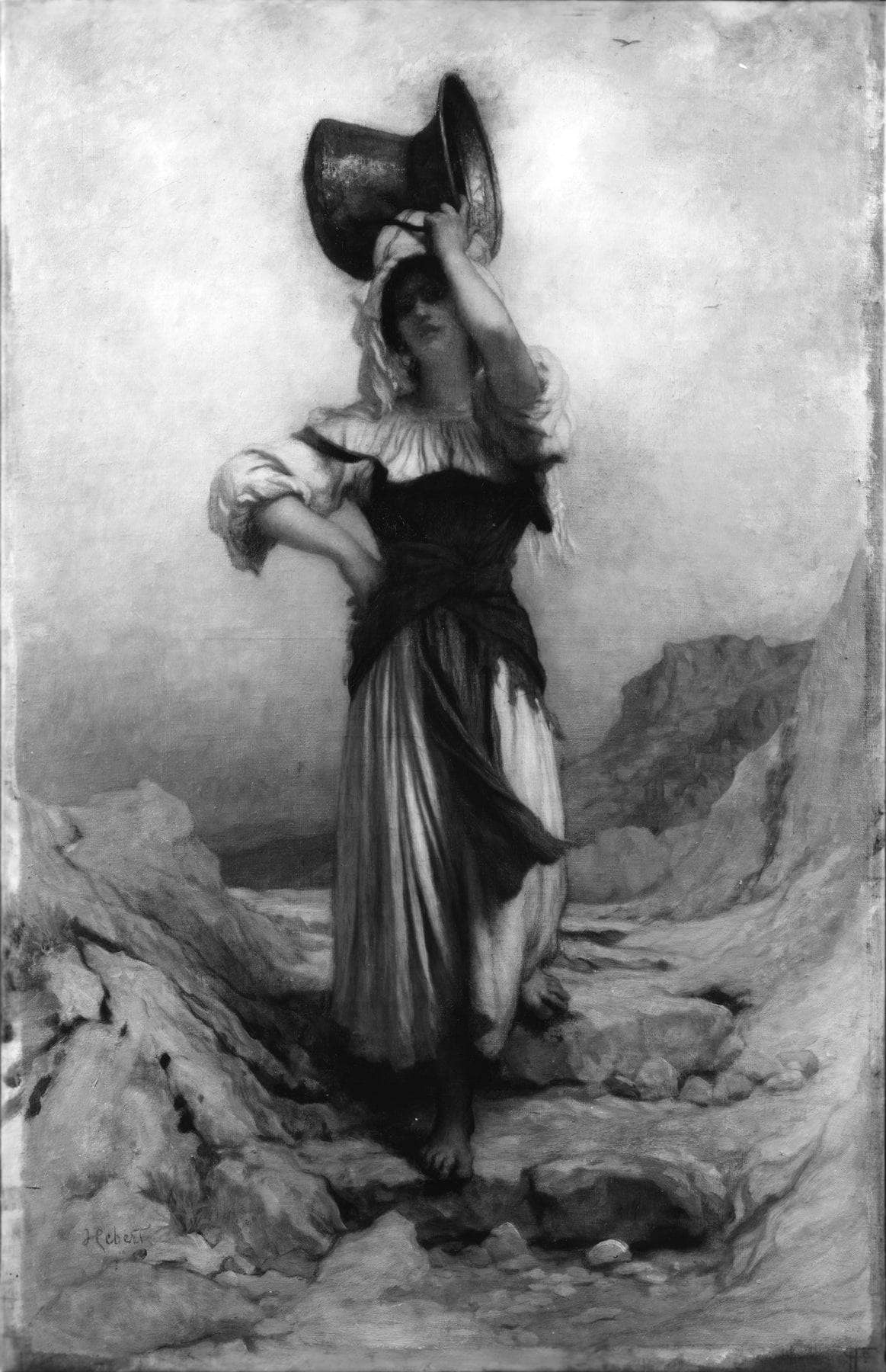
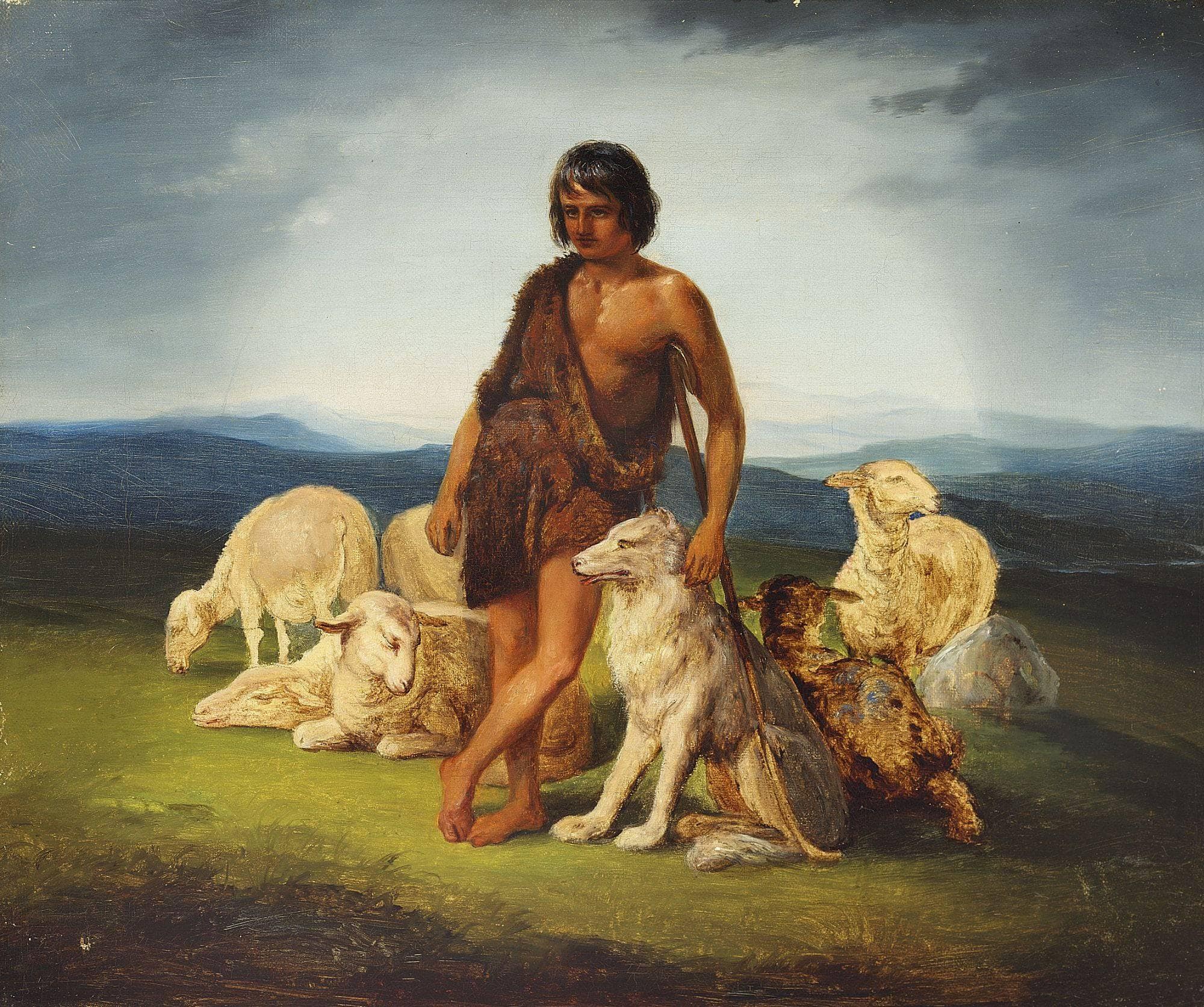
In "Shepherd," Jerichau-Baumann captures the essence of pastoral life, symbolizing the harmony between humans and nature. The shepherd, a timeless figure, embodies nurturing and guidance, reflecting the deep bond between the caretaker and the land. This painting resonates with themes of simplicity, tranquility, and the beauty of rural existence.
The Role of the Shepherd in 19th Century Society
During the 19th century, the shepherd represented more than just a profession; he was a symbol of stability and tradition. In an era marked by industrialization, the shepherd's role highlighted the importance of agriculture and the connection to the earth. Jerichau-Baumann's portrayal serves as a reminder of the values of hard work and the pastoral lifestyle.
Visual Elements of Shepherd: A Closer Look
Color Palette: The Harmony of Earthy Tones
The color palette of "Shepherd" features a rich array of earthy tones, including warm browns, soft greens, and gentle blues. These colors evoke a sense of calm and serenity, drawing viewers into the tranquil landscape. The harmonious blend of hues enhances the painting's emotional depth and connection to nature.
Composition Techniques: Balance and Focus in the Artwork
Jerichau-Baumann expertly employs composition techniques to create balance and focus in "Shepherd." The shepherd is positioned centrally, drawing the viewer's eye. The surrounding landscape frames him, emphasizing his role within the natural world. This thoughtful arrangement invites contemplation and reflection.
Brushwork and Texture: Capturing the Essence of the Scene
The brushwork in "Shepherd" is both delicate and expressive. Jerichau-Baumann's technique captures the texture of the sheep's wool and the softness of the grass. This attention to detail brings the scene to life, allowing viewers to feel the warmth of the sun and the gentle breeze of the countryside.
Historical Context: The Significance of Shepherd in Art History
Comparative Analysis with Contemporary Artists
Reception and Critique: How Shepherd Was Viewed in Its Time
Emotional Resonance: The Impact of Shepherd on Viewers
Personal Reflections: What Shepherd Evokes in the Observer
Art as a Reflection of Human Experience: The Shepherd's Journey
"Shepherd" serves as a metaphor for the human journey. The shepherd's path through the landscape symbolizes life's challenges and triumphs. This universal theme resonates with viewers, reminding them of their own experiences and the importance of nurturing connections with others and the environment.
Preservation and Legacy: The Journey of Shepherd Through Time
Restoration Efforts: Maintaining the Integrity of the Artwork
Over the years, "Shepherd" has undergone careful restoration to preserve its integrity. Experts have worked diligently to maintain the vibrant colors and intricate details of the painting. These efforts ensure that future generations can appreciate Jerichau-Baumann's artistic brilliance.
Exhibitions and Collections: Where to Experience Shepherd Today
"Shepherd" is housed in prestigious collections, allowing art enthusiasts to experience its beauty firsthand. It has been featured in various exhibitions, showcasing Jerichau-Baumann's contributions to 19th-century art. Visiting these exhibitions offers a unique opportunity to connect with the painting and its historical context.
FAQs About Shepherd by Elisabeth Jerichau-Baumann
What is the story behind the painting Shepherd?
"Shepherd" tells the story of a rural caretaker, symbolizing the bond between humans and nature. It reflects the values of simplicity and nurturing in 19th-century society.
What techniques did Elisabeth Jerichau-Baumann use in Shepherd?
Jerichau-Baumann employed oil painting techniques, utilizing a rich color palette and expressive brushwork to create texture and depth in the artwork.
How does Shepherd reflect the social issues of its time?
The painting highlights the importance of agriculture and rural life during a time of industrialization, emphasizing the need to preserve traditional values.
What emotions does the painting Shepherd evoke in viewers?
Viewers often feel nostalgia, peace, and a deep connection to nature when observing "Shepherd," prompting personal reflections on their own experiences.
Where can I see the original painting Shepherd today?
The original "Shepherd" can be found in select art museums and galleries that focus on 19th-century European art. Check local listings for current exhibitions.
What should I know about reproducing Shepherd as a painting?
Reproducing "Shepherd" as a painting offers a superior alternative to prints. High-quality reproductions capture the texture and color depth of the original, making them a cherished addition to any art collection.
How can I care for a reproduction of Shepherd?
To care for a reproduction of "Shepherd," keep it away from direct sunlight and humidity. Regular dusting with a soft cloth will help maintain its beauty and integrity.
Original: $249.95
-70%$249.95
$74.98Product Information
Product Information
Shipping & Returns
Shipping & Returns
Description
Discovering the Artistic Brilliance of Shepherd by Elisabeth Jerichau-Baumann
Elisabeth Jerichau-Baumann: A Pioneer of 19th Century Art
Biographical Insights into Jerichau-Baumann's Life and Work
Elisabeth Jerichau-Baumann (1815-1881) was a trailblazing artist known for her captivating oil paintings. Born in Poland, she later moved to Denmark, where she became a prominent figure in the art scene. Jerichau-Baumann's work often reflected her deep connection to nature and rural life, showcasing her unique perspective as a female artist in a male-dominated field.
Influences and Artistic Movements Shaping Her Style
Jerichau-Baumann was influenced by the Romantic movement, which emphasized emotion and individualism. She drew inspiration from the natural landscapes of Scandinavia and the pastoral scenes of rural life. Her exposure to the works of contemporary artists, such as the Danish Golden Age painters, also shaped her artistic vision, allowing her to blend realism with a touch of idealism.
Shepherd: An Iconic Representation of Rural Life
Symbolism and Themes in Shepherd: Nature and Nurture
In "Shepherd," Jerichau-Baumann captures the essence of pastoral life, symbolizing the harmony between humans and nature. The shepherd, a timeless figure, embodies nurturing and guidance, reflecting the deep bond between the caretaker and the land. This painting resonates with themes of simplicity, tranquility, and the beauty of rural existence.
The Role of the Shepherd in 19th Century Society
During the 19th century, the shepherd represented more than just a profession; he was a symbol of stability and tradition. In an era marked by industrialization, the shepherd's role highlighted the importance of agriculture and the connection to the earth. Jerichau-Baumann's portrayal serves as a reminder of the values of hard work and the pastoral lifestyle.
Visual Elements of Shepherd: A Closer Look
Color Palette: The Harmony of Earthy Tones
The color palette of "Shepherd" features a rich array of earthy tones, including warm browns, soft greens, and gentle blues. These colors evoke a sense of calm and serenity, drawing viewers into the tranquil landscape. The harmonious blend of hues enhances the painting's emotional depth and connection to nature.
Composition Techniques: Balance and Focus in the Artwork
Jerichau-Baumann expertly employs composition techniques to create balance and focus in "Shepherd." The shepherd is positioned centrally, drawing the viewer's eye. The surrounding landscape frames him, emphasizing his role within the natural world. This thoughtful arrangement invites contemplation and reflection.
Brushwork and Texture: Capturing the Essence of the Scene
The brushwork in "Shepherd" is both delicate and expressive. Jerichau-Baumann's technique captures the texture of the sheep's wool and the softness of the grass. This attention to detail brings the scene to life, allowing viewers to feel the warmth of the sun and the gentle breeze of the countryside.
Historical Context: The Significance of Shepherd in Art History
Comparative Analysis with Contemporary Artists
Reception and Critique: How Shepherd Was Viewed in Its Time
Emotional Resonance: The Impact of Shepherd on Viewers
Personal Reflections: What Shepherd Evokes in the Observer
Art as a Reflection of Human Experience: The Shepherd's Journey
"Shepherd" serves as a metaphor for the human journey. The shepherd's path through the landscape symbolizes life's challenges and triumphs. This universal theme resonates with viewers, reminding them of their own experiences and the importance of nurturing connections with others and the environment.
Preservation and Legacy: The Journey of Shepherd Through Time
Restoration Efforts: Maintaining the Integrity of the Artwork
Over the years, "Shepherd" has undergone careful restoration to preserve its integrity. Experts have worked diligently to maintain the vibrant colors and intricate details of the painting. These efforts ensure that future generations can appreciate Jerichau-Baumann's artistic brilliance.
Exhibitions and Collections: Where to Experience Shepherd Today
"Shepherd" is housed in prestigious collections, allowing art enthusiasts to experience its beauty firsthand. It has been featured in various exhibitions, showcasing Jerichau-Baumann's contributions to 19th-century art. Visiting these exhibitions offers a unique opportunity to connect with the painting and its historical context.
FAQs About Shepherd by Elisabeth Jerichau-Baumann
What is the story behind the painting Shepherd?
"Shepherd" tells the story of a rural caretaker, symbolizing the bond between humans and nature. It reflects the values of simplicity and nurturing in 19th-century society.
What techniques did Elisabeth Jerichau-Baumann use in Shepherd?
Jerichau-Baumann employed oil painting techniques, utilizing a rich color palette and expressive brushwork to create texture and depth in the artwork.
How does Shepherd reflect the social issues of its time?
The painting highlights the importance of agriculture and rural life during a time of industrialization, emphasizing the need to preserve traditional values.
What emotions does the painting Shepherd evoke in viewers?
Viewers often feel nostalgia, peace, and a deep connection to nature when observing "Shepherd," prompting personal reflections on their own experiences.
Where can I see the original painting Shepherd today?
The original "Shepherd" can be found in select art museums and galleries that focus on 19th-century European art. Check local listings for current exhibitions.
What should I know about reproducing Shepherd as a painting?
Reproducing "Shepherd" as a painting offers a superior alternative to prints. High-quality reproductions capture the texture and color depth of the original, making them a cherished addition to any art collection.
How can I care for a reproduction of Shepherd?
To care for a reproduction of "Shepherd," keep it away from direct sunlight and humidity. Regular dusting with a soft cloth will help maintain its beauty and integrity.