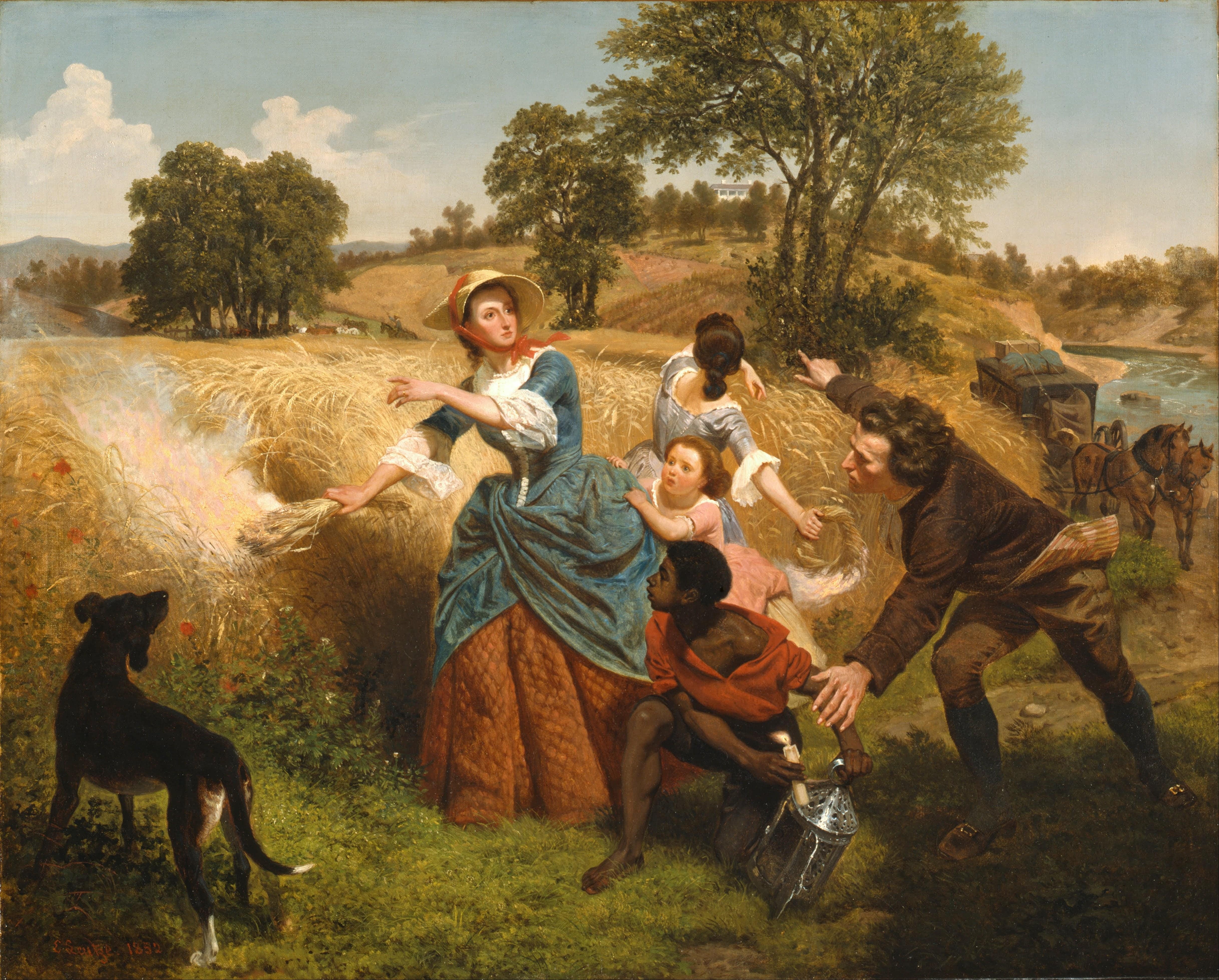
Mrs. Schuyler Burning Her Wheat Fields on the Approach of the British
Discovering the Historical Significance of Mrs. Schuyler Burning Her Wheat Fields
The Context of the American Revolutionary War
Understanding the Impact of the British Invasion
The American Revolutionary War was a pivotal moment in history, marked by fierce battles and strategic sacrifices. The British invasion threatened the very fabric of American society. As British troops advanced, many patriots faced difficult choices, including the destruction of their own resources to deny the enemy. This act of burning crops was not just a tactical decision; it was a profound statement of resistance and resilience.
Mrs. Schuyler's Role in the Revolutionary Narrative
Mrs. Catherine Schuyler, the wife of General Philip Schuyler, emerged as a symbol of courage during this tumultuous time. Her decision to burn her wheat fields in 1776 was a bold act of defiance against British forces. This act not only protected her community's resources but also inspired others to take a stand. Mrs. Schuyler's actions reflect the spirit of sacrifice that characterized many women during the Revolution, showcasing their vital role in the fight for independence.
Artistic Elements of Emanuel Leutze's Masterpiece
Analyzing the Composition and Color Palette
Symbolism of Fire and Destruction
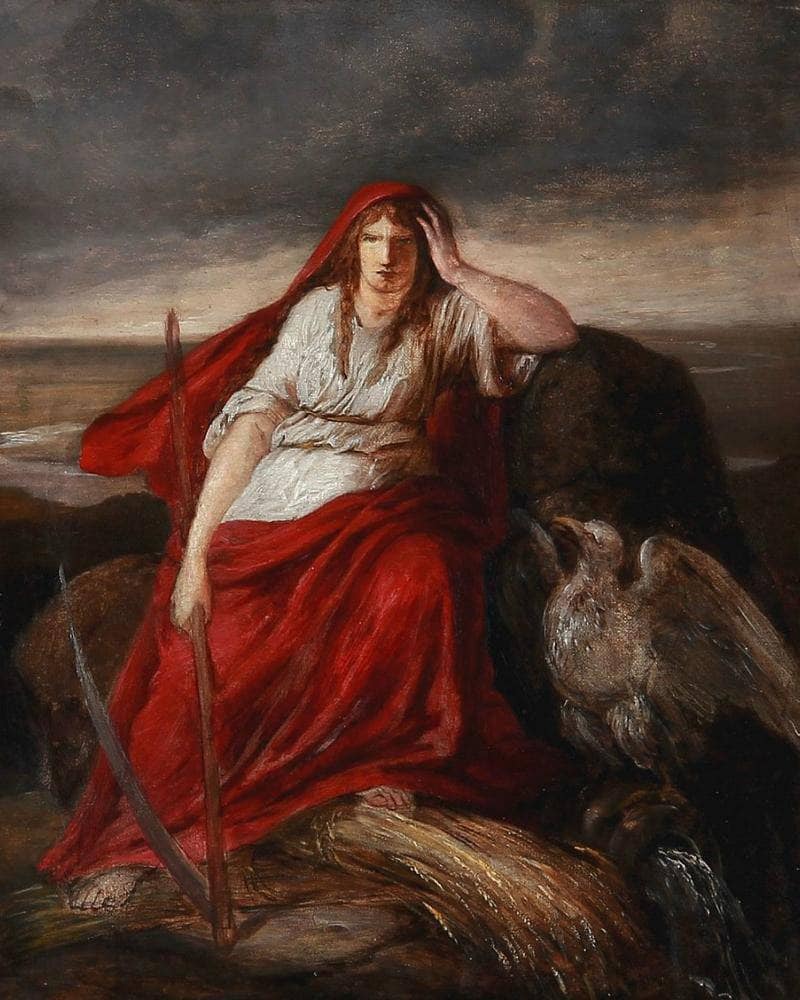
Emanuel Leutze's painting captures the dramatic moment of destruction with vivid colors and dynamic composition. The flames symbolize both loss and the fierce determination of the American spirit. The contrast between the bright fire and the darkening sky evokes a sense of urgency and despair, while also highlighting the hope that comes from sacrifice.
Use of Light and Shadow in the Painting
Leutze masterfully employs light and shadow to create depth and emotion. The flickering flames illuminate Mrs. Schuyler's face, revealing her resolve amidst chaos. This technique draws the viewer's eye and emphasizes the emotional weight of her decision. The interplay of light and dark enhances the painting's dramatic effect, making it a powerful visual narrative.
Brushwork Techniques and Artistic Style
Romanticism in Leutze's Artistry
Leutze's style is rooted in Romanticism, characterized by its emphasis on emotion and individual heroism. His brushwork is expressive, capturing the intensity of the moment. The swirling flames and dynamic poses of the figures convey a sense of movement and urgency, inviting viewers to feel the weight of the historical moment.
Comparative Analysis with Other Works by Leutze
When compared to Leutze's other notable works, such as "Washington Crossing the Delaware," "Mrs. Schuyler Burning Her Wheat Fields" shares a similar grandeur and emotional depth. Both paintings reflect pivotal moments in American history, showcasing Leutze's ability to blend historical narrative with artistic expression. His unique perspective on American themes sets him apart from his contemporaries.
Exploring the Life of Emanuel Leutze
Biographical Insights into the Artist's Journey
Emanuel Leutze was born in Germany in 1816 and later moved to the United States. His experiences in both Europe and America shaped his artistic vision. Leutze's passion for history and storytelling is evident in his works, which often depict significant events from American history.
Leutze's Influence from European Art Movements
Leutze was influenced by European art movements, particularly Romanticism and Realism. These influences are visible in his dramatic compositions and emotional themes. His ability to blend these styles with American subjects created a unique artistic voice that resonated with audiences.
His Connection to American History and Culture
Leutze's connection to American history is profound. He sought to capture the spirit of the American Revolution and the ideals of freedom and democracy. His works serve as a visual record of the struggles and triumphs of the American people, making him a significant figure in American art history.
The Emotional Resonance of the Painting
Interpreting the Themes of Sacrifice and Resilience
The themes of sacrifice and resilience are central to "Mrs. Schuyler Burning Her Wheat Fields." The painting evokes a deep emotional response, reminding viewers of the personal costs of war. Mrs. Schuyler's act of burning her fields symbolizes the sacrifices made by countless individuals during the Revolution.
How the Painting Reflects the Spirit of Patriotism
This artwork embodies the spirit of patriotism that fueled the American Revolution. It highlights the collective struggle for independence and the determination of individuals to protect their homeland. The painting serves as a reminder of the courage required to stand against oppression.
Viewer Reactions and Historical Context
Viewers often feel a mix of admiration and sorrow when observing the painting. The historical context adds layers of meaning, as it reflects the harsh realities faced by those living through the war. The emotional weight of the scene resonates with audiences, making it a powerful piece of art.
Mrs. Schuyler: A Symbol of Courage and Sacrifice
Who Was Mrs. Schuyler? A Brief Biography
Mrs. Catherine Schuyler was born into a prominent New York family in 1734. She married General Philip Schuyler, a key figure in the Continental Army. Her life was marked by her dedication to her family and her country, making her a notable figure in American history.
Her Contributions to the Revolutionary Cause
Mrs. Schuyler played a crucial role in supporting the Revolutionary cause. She organized supplies for the Continental Army and hosted meetings for military leaders. Her actions exemplified the contributions of women during the war, often overlooked in historical narratives.
Legacy and Recognition in American History
Today, Mrs. Schuyler is remembered as a symbol of courage and sacrifice. Her legacy lives on through her contributions to the Revolutionary War and her representation of women's roles in history. She stands as an inspiration for future generations.
FAQs About Mrs. Schuyler Burning Her Wheat Fields
Common Questions About the Painting
What is the story behind Mrs. Schuyler Burning Her Wheat Fields?
The painting depicts a dramatic moment during the American Revolutionary War when Mrs. Schuyler chose to burn her wheat fields to prevent British troops from using them. This act of sacrifice highlights her bravery and commitment to the American cause.
What techniques did Emanuel Leutze use in this painting?
Leutze used oil on canvas to create this masterpiece. His techniques include dynamic brushwork, a rich color palette, and the effective use of light and shadow to convey emotion and drama.
How does this painting reflect the themes of the American Revolution?
The painting reflects themes of sacrifice, resilience, and patriotism. It captures the personal struggles faced by individuals during the war and emphasizes the collective effort required to achieve independence.
What emotions does the painting evoke in viewers?
Viewers often feel a sense of admiration for Mrs. Schuyler's bravery and sorrow for the loss represented by the burning fields. The painting evokes a deep emotional response, connecting audiences to the historical moment.
Where can I see the original painting today?
The original painting is housed in the collection of the New-York Historical Society. It remains a significant piece of American art, drawing visitors interested in history and culture.
Questions About the Painting Reproduction
What should I consider when purchasing a reproduction of this painting?
When purchasing a reproduction, consider the quality of the materials used. Look for reproductions that use high-quality canvas and oil paints to ensure a vibrant and lasting piece of art. Authentic reproductions capture the essence of the original painting far better than standard prints.
How can I ensure the quality of the reproduction?
To ensure quality, buy from reputable art reproduction companies that specialize in oil painting reproductions. Check for customer reviews and look for details about the artist's techniques used in the reproduction process. A well-crafted reproduction will enhance your space and provide a connection to the historical significance of the original artwork.
Original: $299.95
-70%$299.95
$89.98Product Information
Product Information
Shipping & Returns
Shipping & Returns
Description
Discovering the Historical Significance of Mrs. Schuyler Burning Her Wheat Fields
The Context of the American Revolutionary War
Understanding the Impact of the British Invasion
The American Revolutionary War was a pivotal moment in history, marked by fierce battles and strategic sacrifices. The British invasion threatened the very fabric of American society. As British troops advanced, many patriots faced difficult choices, including the destruction of their own resources to deny the enemy. This act of burning crops was not just a tactical decision; it was a profound statement of resistance and resilience.
Mrs. Schuyler's Role in the Revolutionary Narrative
Mrs. Catherine Schuyler, the wife of General Philip Schuyler, emerged as a symbol of courage during this tumultuous time. Her decision to burn her wheat fields in 1776 was a bold act of defiance against British forces. This act not only protected her community's resources but also inspired others to take a stand. Mrs. Schuyler's actions reflect the spirit of sacrifice that characterized many women during the Revolution, showcasing their vital role in the fight for independence.
Artistic Elements of Emanuel Leutze's Masterpiece
Analyzing the Composition and Color Palette
Symbolism of Fire and Destruction
Emanuel Leutze's painting captures the dramatic moment of destruction with vivid colors and dynamic composition. The flames symbolize both loss and the fierce determination of the American spirit. The contrast between the bright fire and the darkening sky evokes a sense of urgency and despair, while also highlighting the hope that comes from sacrifice.
Use of Light and Shadow in the Painting
Leutze masterfully employs light and shadow to create depth and emotion. The flickering flames illuminate Mrs. Schuyler's face, revealing her resolve amidst chaos. This technique draws the viewer's eye and emphasizes the emotional weight of her decision. The interplay of light and dark enhances the painting's dramatic effect, making it a powerful visual narrative.
Brushwork Techniques and Artistic Style
Romanticism in Leutze's Artistry
Leutze's style is rooted in Romanticism, characterized by its emphasis on emotion and individual heroism. His brushwork is expressive, capturing the intensity of the moment. The swirling flames and dynamic poses of the figures convey a sense of movement and urgency, inviting viewers to feel the weight of the historical moment.
Comparative Analysis with Other Works by Leutze
When compared to Leutze's other notable works, such as "Washington Crossing the Delaware," "Mrs. Schuyler Burning Her Wheat Fields" shares a similar grandeur and emotional depth. Both paintings reflect pivotal moments in American history, showcasing Leutze's ability to blend historical narrative with artistic expression. His unique perspective on American themes sets him apart from his contemporaries.
Exploring the Life of Emanuel Leutze
Biographical Insights into the Artist's Journey
Emanuel Leutze was born in Germany in 1816 and later moved to the United States. His experiences in both Europe and America shaped his artistic vision. Leutze's passion for history and storytelling is evident in his works, which often depict significant events from American history.
Leutze's Influence from European Art Movements
Leutze was influenced by European art movements, particularly Romanticism and Realism. These influences are visible in his dramatic compositions and emotional themes. His ability to blend these styles with American subjects created a unique artistic voice that resonated with audiences.
His Connection to American History and Culture
Leutze's connection to American history is profound. He sought to capture the spirit of the American Revolution and the ideals of freedom and democracy. His works serve as a visual record of the struggles and triumphs of the American people, making him a significant figure in American art history.
The Emotional Resonance of the Painting
Interpreting the Themes of Sacrifice and Resilience
The themes of sacrifice and resilience are central to "Mrs. Schuyler Burning Her Wheat Fields." The painting evokes a deep emotional response, reminding viewers of the personal costs of war. Mrs. Schuyler's act of burning her fields symbolizes the sacrifices made by countless individuals during the Revolution.
How the Painting Reflects the Spirit of Patriotism
This artwork embodies the spirit of patriotism that fueled the American Revolution. It highlights the collective struggle for independence and the determination of individuals to protect their homeland. The painting serves as a reminder of the courage required to stand against oppression.
Viewer Reactions and Historical Context
Viewers often feel a mix of admiration and sorrow when observing the painting. The historical context adds layers of meaning, as it reflects the harsh realities faced by those living through the war. The emotional weight of the scene resonates with audiences, making it a powerful piece of art.
Mrs. Schuyler: A Symbol of Courage and Sacrifice
Who Was Mrs. Schuyler? A Brief Biography
Mrs. Catherine Schuyler was born into a prominent New York family in 1734. She married General Philip Schuyler, a key figure in the Continental Army. Her life was marked by her dedication to her family and her country, making her a notable figure in American history.
Her Contributions to the Revolutionary Cause
Mrs. Schuyler played a crucial role in supporting the Revolutionary cause. She organized supplies for the Continental Army and hosted meetings for military leaders. Her actions exemplified the contributions of women during the war, often overlooked in historical narratives.
Legacy and Recognition in American History
Today, Mrs. Schuyler is remembered as a symbol of courage and sacrifice. Her legacy lives on through her contributions to the Revolutionary War and her representation of women's roles in history. She stands as an inspiration for future generations.
FAQs About Mrs. Schuyler Burning Her Wheat Fields
Common Questions About the Painting
What is the story behind Mrs. Schuyler Burning Her Wheat Fields?
The painting depicts a dramatic moment during the American Revolutionary War when Mrs. Schuyler chose to burn her wheat fields to prevent British troops from using them. This act of sacrifice highlights her bravery and commitment to the American cause.
What techniques did Emanuel Leutze use in this painting?
Leutze used oil on canvas to create this masterpiece. His techniques include dynamic brushwork, a rich color palette, and the effective use of light and shadow to convey emotion and drama.
How does this painting reflect the themes of the American Revolution?
The painting reflects themes of sacrifice, resilience, and patriotism. It captures the personal struggles faced by individuals during the war and emphasizes the collective effort required to achieve independence.
What emotions does the painting evoke in viewers?
Viewers often feel a sense of admiration for Mrs. Schuyler's bravery and sorrow for the loss represented by the burning fields. The painting evokes a deep emotional response, connecting audiences to the historical moment.
Where can I see the original painting today?
The original painting is housed in the collection of the New-York Historical Society. It remains a significant piece of American art, drawing visitors interested in history and culture.
Questions About the Painting Reproduction
What should I consider when purchasing a reproduction of this painting?
When purchasing a reproduction, consider the quality of the materials used. Look for reproductions that use high-quality canvas and oil paints to ensure a vibrant and lasting piece of art. Authentic reproductions capture the essence of the original painting far better than standard prints.
How can I ensure the quality of the reproduction?
To ensure quality, buy from reputable art reproduction companies that specialize in oil painting reproductions. Check for customer reviews and look for details about the artist's techniques used in the reproduction process. A well-crafted reproduction will enhance your space and provide a connection to the historical significance of the original artwork.