Going to the well
Discovering the Essence of "Going to the Well" by Ernest Hébert
Unveiling the Artistic Vision: Ernest Hébert's Unique Style
Exploring the Influence of Realism in Hébert's Work
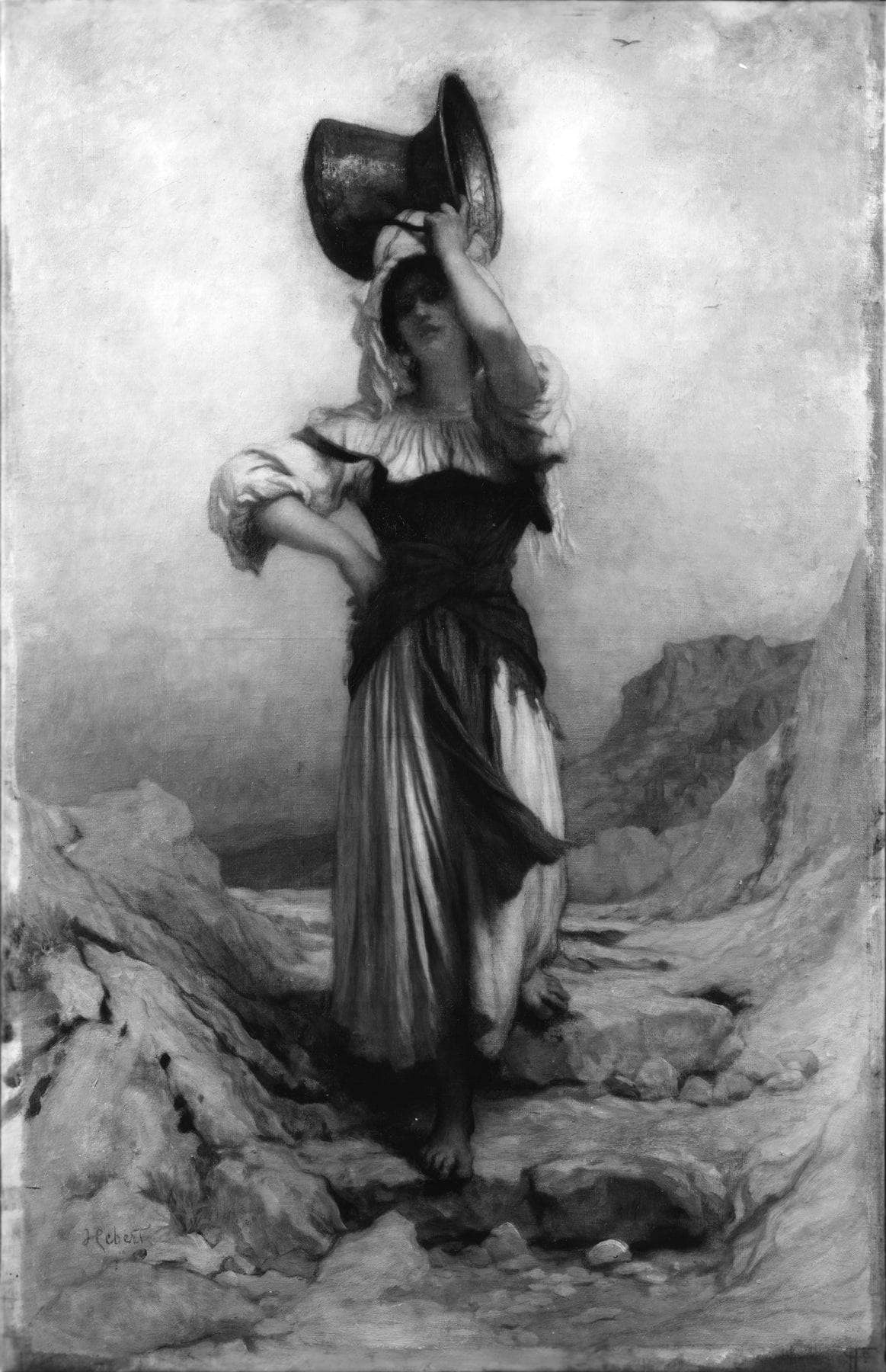
Ernest Hébert, a prominent figure in 19th-century French art, masterfully embodies the principles of Realism in his painting "Going to the Well." This artwork captures the essence of everyday life, showcasing the beauty in ordinary moments. Hébert's commitment to depicting reality allows viewers to connect deeply with the subjects, making the painting a timeless representation of rural life.
Color Palette and Brushwork: A Deep Dive into Technique
The color palette of "Going to the Well" features earthy tones, rich greens, and soft blues, evoking a sense of tranquility and harmony. Hébert's brushwork is both delicate and expressive, creating texture that brings the scene to life. The interplay of light and shadow enhances the three-dimensional quality of the figures, drawing the viewer into the narrative.
The Narrative Behind "Going to the Well"
Symbolism of Water: Life, Purity, and Community
Water serves as a powerful symbol in "Going to the Well." It represents life, purity, and the essential role of community in daily existence. The act of drawing water from the well signifies nourishment, both physical and spiritual, highlighting the interconnectedness of the villagers. This theme resonates with audiences, reminding them of the importance of community bonds.
Character Analysis: The Figures in the Painting
The figures in "Going to the Well" are depicted with remarkable detail, showcasing Hébert's skill in character portrayal. The women, dressed in traditional attire, embody strength and resilience. Their expressions convey a sense of purpose and camaraderie, inviting viewers to reflect on their own experiences of community and support.
Historical Context: The Role of Women in 19th Century France
In 19th-century France, women played a crucial role in both family and community life. Hébert's painting captures this dynamic, illustrating the daily responsibilities that women undertook. The well serves as a gathering place, emphasizing the social interactions that were vital to rural communities. This historical context enriches the viewer's understanding of the painting's significance.
Visual Elements: Composition and Perspective in "Going to the Well"
Framing the Scene: The Use of Space and Depth
Hébert expertly frames the scene in "Going to the Well," using space to create a sense of depth. The arrangement of figures and the surrounding landscape guide the viewer's eye, inviting them to explore the entire composition. This thoughtful use of space enhances the narrative, making the viewer feel as if they are part of the scene.
Light and Shadow: Creating Mood and Atmosphere
The interplay of light and shadow in "Going to the Well" adds a dramatic quality to the painting. Hébert skillfully uses chiaroscuro to highlight the figures and create a sense of movement. This technique not only enhances the visual appeal but also evokes emotions, drawing viewers into the intimate moment captured on canvas.
Emotional Resonance: What "Going to the Well" Evokes
Connecting with the Viewer: The Power of Everyday Life
"Going to the Well" resonates with viewers by celebrating the beauty of everyday life. The painting captures a moment that many can relate to, evoking feelings of nostalgia and warmth. Hébert's ability to portray the simplicity of rural existence allows audiences to connect with their own experiences.
Personal Reflections: How the Painting Speaks to Modern Audiences
Modern audiences find relevance in "Going to the Well" as it reflects timeless themes of community, resilience, and the importance of daily rituals. The painting encourages viewers to appreciate the small moments in life, fostering a sense of gratitude and connection to their own communities.
Art Historical Significance: "Going to the Well" in the Canon of French Art
Comparative Analysis: Hébert and His Contemporaries
Hébert's "Going to the Well" stands out among his contemporaries, such as Gustave Courbet and Jean-François Millet, who also focused on Realism. While Courbet emphasized the harsh realities of life, Hébert's work offers a more intimate portrayal of community and daily life. This unique perspective enriches the narrative of 19th-century French art.
The Legacy of "Going to the Well": Influence on Future Generations
The legacy of "Going to the Well" extends beyond its time, influencing future generations of artists. Hébert's focus on realism and the human experience paved the way for later movements that explored similar themes. His work continues to inspire artists who seek to capture the essence of everyday life in their own unique styles.
FAQs About "Going to the Well" by Ernest Hébert
What is the story behind the painting "Going to the Well"?
"Going to the Well" tells the story of women in a rural community as they gather water, symbolizing their vital role in family and society. The painting captures a moment of connection and shared purpose.
How does "Going to the Well" reflect the social issues of its time?
The painting reflects the social issues of 19th-century France, particularly the role of women in society. It highlights their contributions to community life and the importance of daily rituals.
What techniques did Ernest Hébert use in this painting?
Hébert employed techniques such as chiaroscuro to create depth and emotion. His use of a rich color palette and expressive brushwork adds to the painting's realism and vibrancy.
What emotions does "Going to the Well" convey to its viewers?
The painting evokes feelings of nostalgia, warmth, and community. It invites viewers to reflect on their own experiences and the importance of everyday moments.
How has "Going to the Well" been received by art critics?
Art critics have praised "Going to the Well" for its emotional depth and technical skill. The painting is recognized as a significant contribution to the Realist movement and continues to be celebrated in art history.
FAQs About the Reproduction of "Going to the Well"
What should I consider when purchasing a reproduction of "Going to the Well"?
When purchasing a reproduction, consider the quality of materials used, the accuracy of colors, and the level of detail. A high-quality painting reproduction will capture the essence of Hébert's original work.
How can I ensure the quality of a reproduction of this painting?
To ensure quality, look for reputable art reproduction companies that specialize in oil painting reproductions. These reproductions are superior to prints, as they replicate the texture and depth of the original artwork.
Original: $299.95
-70%$299.95
$89.98Product Information
Product Information
Shipping & Returns
Shipping & Returns
Description
Discovering the Essence of "Going to the Well" by Ernest Hébert
Unveiling the Artistic Vision: Ernest Hébert's Unique Style
Exploring the Influence of Realism in Hébert's Work
Ernest Hébert, a prominent figure in 19th-century French art, masterfully embodies the principles of Realism in his painting "Going to the Well." This artwork captures the essence of everyday life, showcasing the beauty in ordinary moments. Hébert's commitment to depicting reality allows viewers to connect deeply with the subjects, making the painting a timeless representation of rural life.
Color Palette and Brushwork: A Deep Dive into Technique
The color palette of "Going to the Well" features earthy tones, rich greens, and soft blues, evoking a sense of tranquility and harmony. Hébert's brushwork is both delicate and expressive, creating texture that brings the scene to life. The interplay of light and shadow enhances the three-dimensional quality of the figures, drawing the viewer into the narrative.
The Narrative Behind "Going to the Well"
Symbolism of Water: Life, Purity, and Community
Water serves as a powerful symbol in "Going to the Well." It represents life, purity, and the essential role of community in daily existence. The act of drawing water from the well signifies nourishment, both physical and spiritual, highlighting the interconnectedness of the villagers. This theme resonates with audiences, reminding them of the importance of community bonds.
Character Analysis: The Figures in the Painting
The figures in "Going to the Well" are depicted with remarkable detail, showcasing Hébert's skill in character portrayal. The women, dressed in traditional attire, embody strength and resilience. Their expressions convey a sense of purpose and camaraderie, inviting viewers to reflect on their own experiences of community and support.
Historical Context: The Role of Women in 19th Century France
In 19th-century France, women played a crucial role in both family and community life. Hébert's painting captures this dynamic, illustrating the daily responsibilities that women undertook. The well serves as a gathering place, emphasizing the social interactions that were vital to rural communities. This historical context enriches the viewer's understanding of the painting's significance.
Visual Elements: Composition and Perspective in "Going to the Well"
Framing the Scene: The Use of Space and Depth
Hébert expertly frames the scene in "Going to the Well," using space to create a sense of depth. The arrangement of figures and the surrounding landscape guide the viewer's eye, inviting them to explore the entire composition. This thoughtful use of space enhances the narrative, making the viewer feel as if they are part of the scene.
Light and Shadow: Creating Mood and Atmosphere
The interplay of light and shadow in "Going to the Well" adds a dramatic quality to the painting. Hébert skillfully uses chiaroscuro to highlight the figures and create a sense of movement. This technique not only enhances the visual appeal but also evokes emotions, drawing viewers into the intimate moment captured on canvas.
Emotional Resonance: What "Going to the Well" Evokes
Connecting with the Viewer: The Power of Everyday Life
"Going to the Well" resonates with viewers by celebrating the beauty of everyday life. The painting captures a moment that many can relate to, evoking feelings of nostalgia and warmth. Hébert's ability to portray the simplicity of rural existence allows audiences to connect with their own experiences.
Personal Reflections: How the Painting Speaks to Modern Audiences
Modern audiences find relevance in "Going to the Well" as it reflects timeless themes of community, resilience, and the importance of daily rituals. The painting encourages viewers to appreciate the small moments in life, fostering a sense of gratitude and connection to their own communities.
Art Historical Significance: "Going to the Well" in the Canon of French Art
Comparative Analysis: Hébert and His Contemporaries
Hébert's "Going to the Well" stands out among his contemporaries, such as Gustave Courbet and Jean-François Millet, who also focused on Realism. While Courbet emphasized the harsh realities of life, Hébert's work offers a more intimate portrayal of community and daily life. This unique perspective enriches the narrative of 19th-century French art.
The Legacy of "Going to the Well": Influence on Future Generations
The legacy of "Going to the Well" extends beyond its time, influencing future generations of artists. Hébert's focus on realism and the human experience paved the way for later movements that explored similar themes. His work continues to inspire artists who seek to capture the essence of everyday life in their own unique styles.
FAQs About "Going to the Well" by Ernest Hébert
What is the story behind the painting "Going to the Well"?
"Going to the Well" tells the story of women in a rural community as they gather water, symbolizing their vital role in family and society. The painting captures a moment of connection and shared purpose.
How does "Going to the Well" reflect the social issues of its time?
The painting reflects the social issues of 19th-century France, particularly the role of women in society. It highlights their contributions to community life and the importance of daily rituals.
What techniques did Ernest Hébert use in this painting?
Hébert employed techniques such as chiaroscuro to create depth and emotion. His use of a rich color palette and expressive brushwork adds to the painting's realism and vibrancy.
What emotions does "Going to the Well" convey to its viewers?
The painting evokes feelings of nostalgia, warmth, and community. It invites viewers to reflect on their own experiences and the importance of everyday moments.
How has "Going to the Well" been received by art critics?
Art critics have praised "Going to the Well" for its emotional depth and technical skill. The painting is recognized as a significant contribution to the Realist movement and continues to be celebrated in art history.
FAQs About the Reproduction of "Going to the Well"
What should I consider when purchasing a reproduction of "Going to the Well"?
When purchasing a reproduction, consider the quality of materials used, the accuracy of colors, and the level of detail. A high-quality painting reproduction will capture the essence of Hébert's original work.
How can I ensure the quality of a reproduction of this painting?
To ensure quality, look for reputable art reproduction companies that specialize in oil painting reproductions. These reproductions are superior to prints, as they replicate the texture and depth of the original artwork.