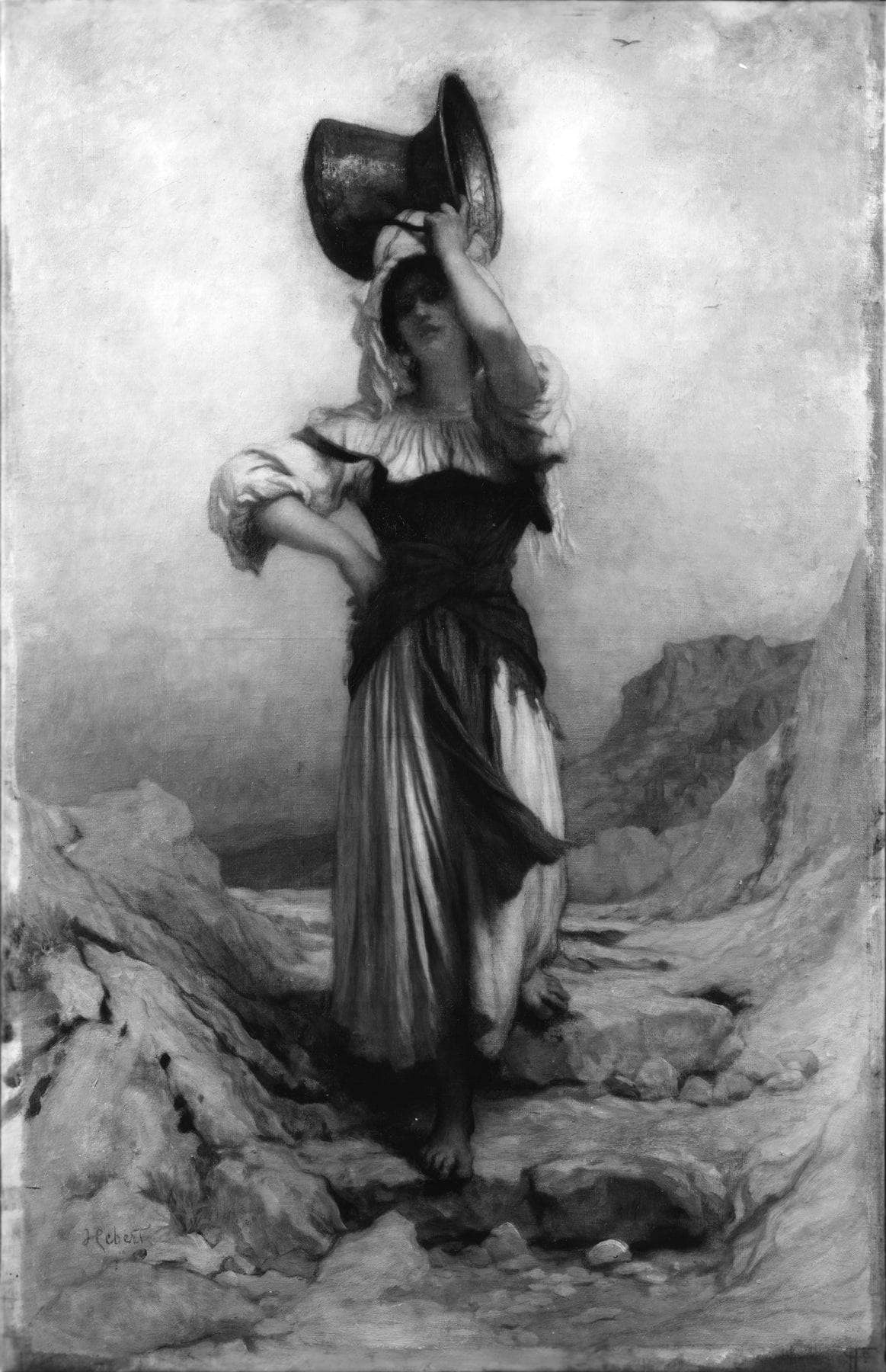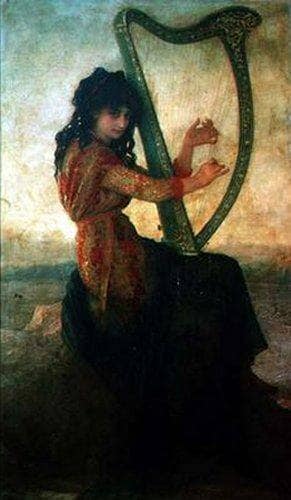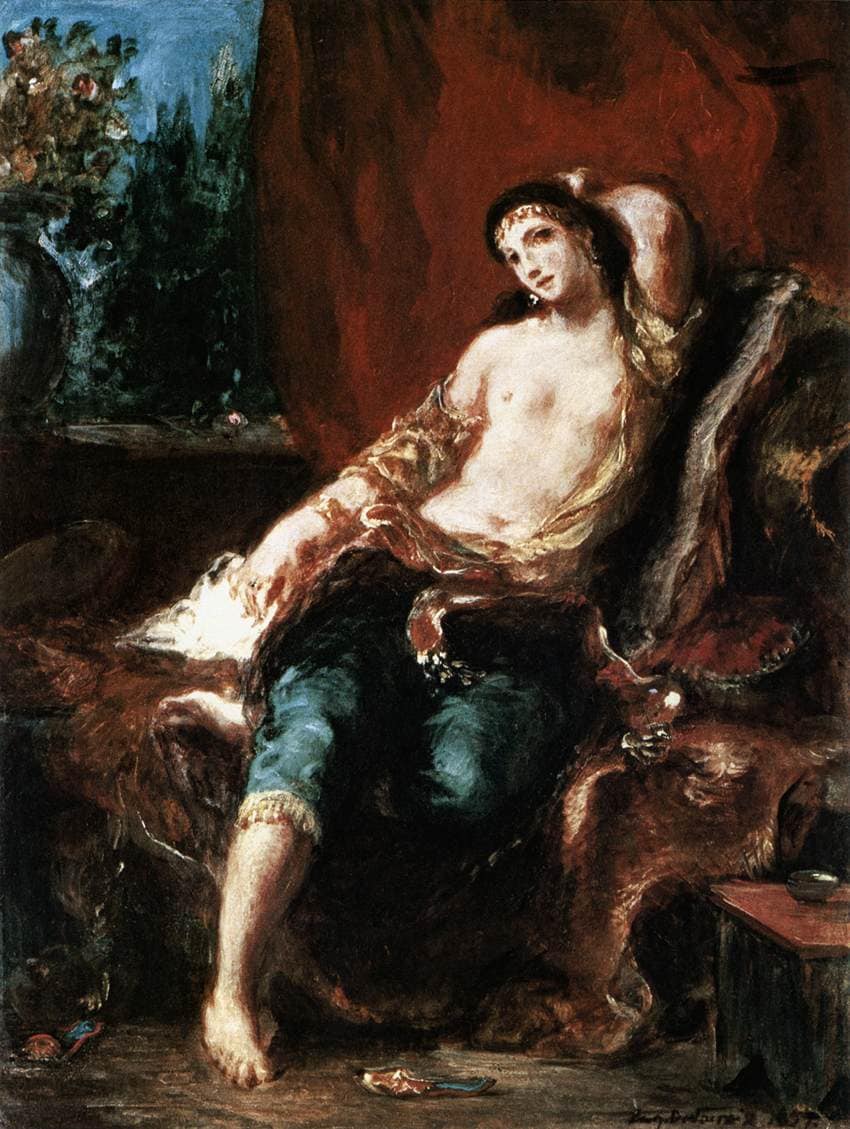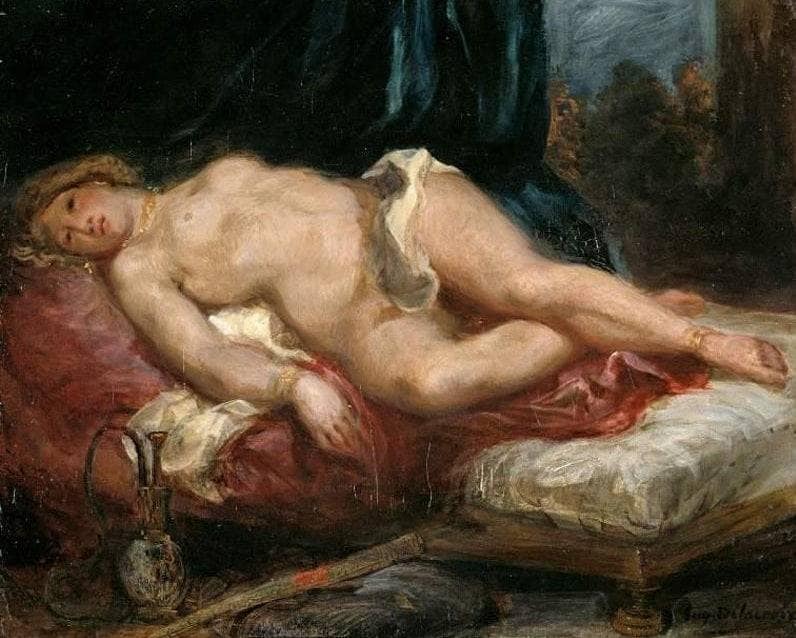
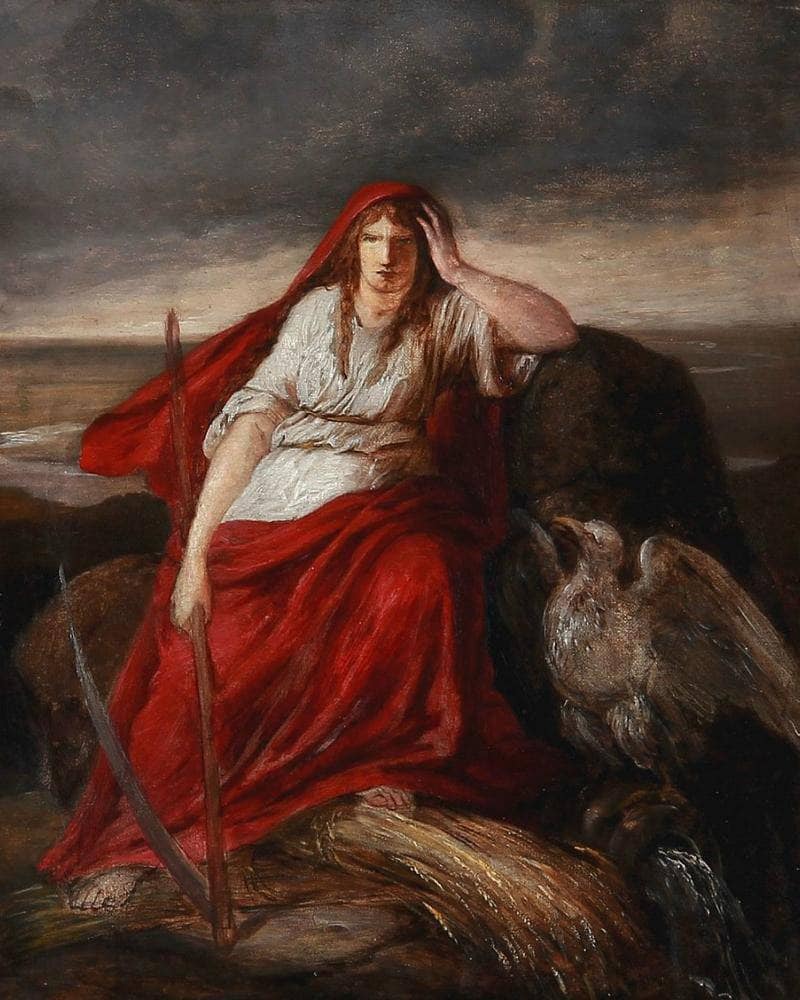
Mother Poland (preliminary study)
Exploring the Cultural Significance of Mother Poland by Elisabeth Jerichau-Baumann
The Historical Context of Mother Poland: A Reflection of 19th Century Art
Elisabeth Jerichau-Baumann: A Pioneer Female Artist in a Male-Dominated Era
Elisabeth Jerichau-Baumann emerged as a trailblazer in the 19th century art scene, a time when female artists faced significant barriers. Born in 1815 in Denmark, she became a prominent figure in Polish art, showcasing her talent in a male-dominated world. Her work, including the iconic "Mother Poland," reflects her deep connection to Polish culture and identity.
Poland's National Identity and Artistic Expression in the 1800s
The 19th century was a tumultuous period for Poland, marked by partitions and struggles for independence. Artists like Jerichau-Baumann used their work to express national pride and resilience. "Mother Poland" serves as a poignant symbol of the country's fight for identity and freedom, capturing the spirit of a nation yearning for unity and strength.
Visual Analysis of Mother Poland: Composition and Color Palette
Symbolism in the Use of Colors: The Emotional Impact of Hues
The color palette in "Mother Poland" is rich and evocative. Jerichau-Baumann employs deep reds and vibrant greens, symbolizing passion and hope. The use of gold accents adds a sense of nobility and warmth, inviting viewers to connect emotionally with the painting. Each hue tells a story, reflecting the complex emotions tied to Polish nationalism.
Figures and Forms: Analyzing the Central Figure of Mother Poland
The central figure in "Mother Poland" embodies the essence of the nation. She stands tall, draped in traditional attire, representing strength and nurturing. Her gaze is both fierce and compassionate, symbolizing the dual role of motherhood and patriotism. This figure serves as a powerful reminder of the sacrifices made for national identity.
Textural Elements: The Brushwork Techniques of Jerichau-Baumann
Jerichau-Baumann's brushwork in "Mother Poland" is both delicate and bold. She skillfully layers paint to create depth and texture, enhancing the emotional impact of the piece. The fluidity of her strokes captures the movement of fabric and the softness of skin, drawing viewers into the intimate world of the painting.
Thematic Exploration: Motherhood and Nationalism in Art
Motherhood as a Metaphor for National Resilience
In "Mother Poland," motherhood transcends personal experience to become a metaphor for national resilience. The nurturing aspect of the mother figure symbolizes the care and protection of the nation. This theme resonates deeply in Polish culture, where the concept of the motherland is intertwined with the identity of its people.
Feminine Archetypes in 19th Century Polish Art
Jerichau-Baumann's portrayal of femininity in "Mother Poland" aligns with the archetypes prevalent in 19th-century Polish art. The painting reflects the idealized image of women as caretakers and symbols of national pride. This representation challenges traditional gender roles, showcasing women's strength in the face of adversity.
Artistic Techniques: Jerichau-Baumann's Unique Style
Oil Painting Techniques: Layering and Glazing in Mother Poland
Jerichau-Baumann's mastery of oil painting techniques is evident in "Mother Poland." She employs layering and glazing to achieve a luminous quality in her work. This technique allows for a rich interplay of light and shadow, enhancing the three-dimensionality of the figures and creating a captivating visual experience.
Influences of Romanticism and Realism in Jerichau-Baumann's Work
The influences of Romanticism and Realism are prominent in "Mother Poland." Jerichau-Baumann captures the emotional depth characteristic of Romantic art while grounding her subjects in realistic detail. This blend creates a powerful narrative that resonates with viewers, inviting them to reflect on the themes of love, loss, and national identity.
Reception and Legacy: How Mother Poland Influenced Future Generations
Critical Reception at the Time of Unveiling: Public and Artistic Response
Mother Poland's Place in Contemporary Art Discussions
Today, "Mother Poland" continues to be a focal point in discussions about national identity and the role of women in art. Its themes remain relevant, resonating with contemporary audiences who seek to understand the complexities of cultural heritage. Jerichau-Baumann's work is celebrated not only for its artistic merit but also for its profound social commentary.
Frequently Asked Questions About Mother Poland
What is the story behind the painting Mother Poland?
"Mother Poland" tells the story of a nation's struggle for identity and independence, embodied in the figure of a nurturing mother.
How does Mother Poland reflect the cultural identity of Poland?
The painting symbolizes Polish nationalism, showcasing the strength and resilience of the Polish people through the maternal figure.
What artistic techniques did Elisabeth Jerichau-Baumann use in this painting?
Jerichau-Baumann used oil painting techniques such as layering and glazing to create depth and emotional resonance in "Mother Poland."
What themes are explored in Mother Poland?
The painting explores themes of motherhood, nationalism, and the feminine archetype, reflecting the cultural identity of Poland.
How was Mother Poland received by critics when it was first exhibited?
Critics praised "Mother Poland" for its emotional depth and innovative approach, recognizing it as a significant work in Polish art.
What is the significance of the colors used in Mother Poland?
The colors in "Mother Poland" symbolize passion, hope, and national pride, enhancing the emotional impact of the painting.
How can I find a reproduction of Mother Poland for my home?
To find a high-quality reproduction of "Mother Poland," consider art reproduction specialists who offer oil painting reproductions, which provide a superior aesthetic compared to standard prints.
Are there any notable exhibitions featuring Mother Poland?
"Mother Poland" has been featured in various exhibitions focusing on Polish art and female artists, highlighting its cultural significance and artistic merit.
Original: $299.95
-70%$299.95
$89.98Product Information
Product Information
Shipping & Returns
Shipping & Returns
Description
Exploring the Cultural Significance of Mother Poland by Elisabeth Jerichau-Baumann
The Historical Context of Mother Poland: A Reflection of 19th Century Art
Elisabeth Jerichau-Baumann: A Pioneer Female Artist in a Male-Dominated Era
Elisabeth Jerichau-Baumann emerged as a trailblazer in the 19th century art scene, a time when female artists faced significant barriers. Born in 1815 in Denmark, she became a prominent figure in Polish art, showcasing her talent in a male-dominated world. Her work, including the iconic "Mother Poland," reflects her deep connection to Polish culture and identity.
Poland's National Identity and Artistic Expression in the 1800s
The 19th century was a tumultuous period for Poland, marked by partitions and struggles for independence. Artists like Jerichau-Baumann used their work to express national pride and resilience. "Mother Poland" serves as a poignant symbol of the country's fight for identity and freedom, capturing the spirit of a nation yearning for unity and strength.
Visual Analysis of Mother Poland: Composition and Color Palette
Symbolism in the Use of Colors: The Emotional Impact of Hues
The color palette in "Mother Poland" is rich and evocative. Jerichau-Baumann employs deep reds and vibrant greens, symbolizing passion and hope. The use of gold accents adds a sense of nobility and warmth, inviting viewers to connect emotionally with the painting. Each hue tells a story, reflecting the complex emotions tied to Polish nationalism.
Figures and Forms: Analyzing the Central Figure of Mother Poland
The central figure in "Mother Poland" embodies the essence of the nation. She stands tall, draped in traditional attire, representing strength and nurturing. Her gaze is both fierce and compassionate, symbolizing the dual role of motherhood and patriotism. This figure serves as a powerful reminder of the sacrifices made for national identity.
Textural Elements: The Brushwork Techniques of Jerichau-Baumann
Jerichau-Baumann's brushwork in "Mother Poland" is both delicate and bold. She skillfully layers paint to create depth and texture, enhancing the emotional impact of the piece. The fluidity of her strokes captures the movement of fabric and the softness of skin, drawing viewers into the intimate world of the painting.
Thematic Exploration: Motherhood and Nationalism in Art
Motherhood as a Metaphor for National Resilience
In "Mother Poland," motherhood transcends personal experience to become a metaphor for national resilience. The nurturing aspect of the mother figure symbolizes the care and protection of the nation. This theme resonates deeply in Polish culture, where the concept of the motherland is intertwined with the identity of its people.
Feminine Archetypes in 19th Century Polish Art
Jerichau-Baumann's portrayal of femininity in "Mother Poland" aligns with the archetypes prevalent in 19th-century Polish art. The painting reflects the idealized image of women as caretakers and symbols of national pride. This representation challenges traditional gender roles, showcasing women's strength in the face of adversity.
Artistic Techniques: Jerichau-Baumann's Unique Style
Oil Painting Techniques: Layering and Glazing in Mother Poland
Jerichau-Baumann's mastery of oil painting techniques is evident in "Mother Poland." She employs layering and glazing to achieve a luminous quality in her work. This technique allows for a rich interplay of light and shadow, enhancing the three-dimensionality of the figures and creating a captivating visual experience.
Influences of Romanticism and Realism in Jerichau-Baumann's Work
The influences of Romanticism and Realism are prominent in "Mother Poland." Jerichau-Baumann captures the emotional depth characteristic of Romantic art while grounding her subjects in realistic detail. This blend creates a powerful narrative that resonates with viewers, inviting them to reflect on the themes of love, loss, and national identity.
Reception and Legacy: How Mother Poland Influenced Future Generations
Critical Reception at the Time of Unveiling: Public and Artistic Response
Mother Poland's Place in Contemporary Art Discussions
Today, "Mother Poland" continues to be a focal point in discussions about national identity and the role of women in art. Its themes remain relevant, resonating with contemporary audiences who seek to understand the complexities of cultural heritage. Jerichau-Baumann's work is celebrated not only for its artistic merit but also for its profound social commentary.
Frequently Asked Questions About Mother Poland
What is the story behind the painting Mother Poland?
"Mother Poland" tells the story of a nation's struggle for identity and independence, embodied in the figure of a nurturing mother.
How does Mother Poland reflect the cultural identity of Poland?
The painting symbolizes Polish nationalism, showcasing the strength and resilience of the Polish people through the maternal figure.
What artistic techniques did Elisabeth Jerichau-Baumann use in this painting?
Jerichau-Baumann used oil painting techniques such as layering and glazing to create depth and emotional resonance in "Mother Poland."
What themes are explored in Mother Poland?
The painting explores themes of motherhood, nationalism, and the feminine archetype, reflecting the cultural identity of Poland.
How was Mother Poland received by critics when it was first exhibited?
Critics praised "Mother Poland" for its emotional depth and innovative approach, recognizing it as a significant work in Polish art.
What is the significance of the colors used in Mother Poland?
The colors in "Mother Poland" symbolize passion, hope, and national pride, enhancing the emotional impact of the painting.
How can I find a reproduction of Mother Poland for my home?
To find a high-quality reproduction of "Mother Poland," consider art reproduction specialists who offer oil painting reproductions, which provide a superior aesthetic compared to standard prints.
Are there any notable exhibitions featuring Mother Poland?
"Mother Poland" has been featured in various exhibitions focusing on Polish art and female artists, highlighting its cultural significance and artistic merit.