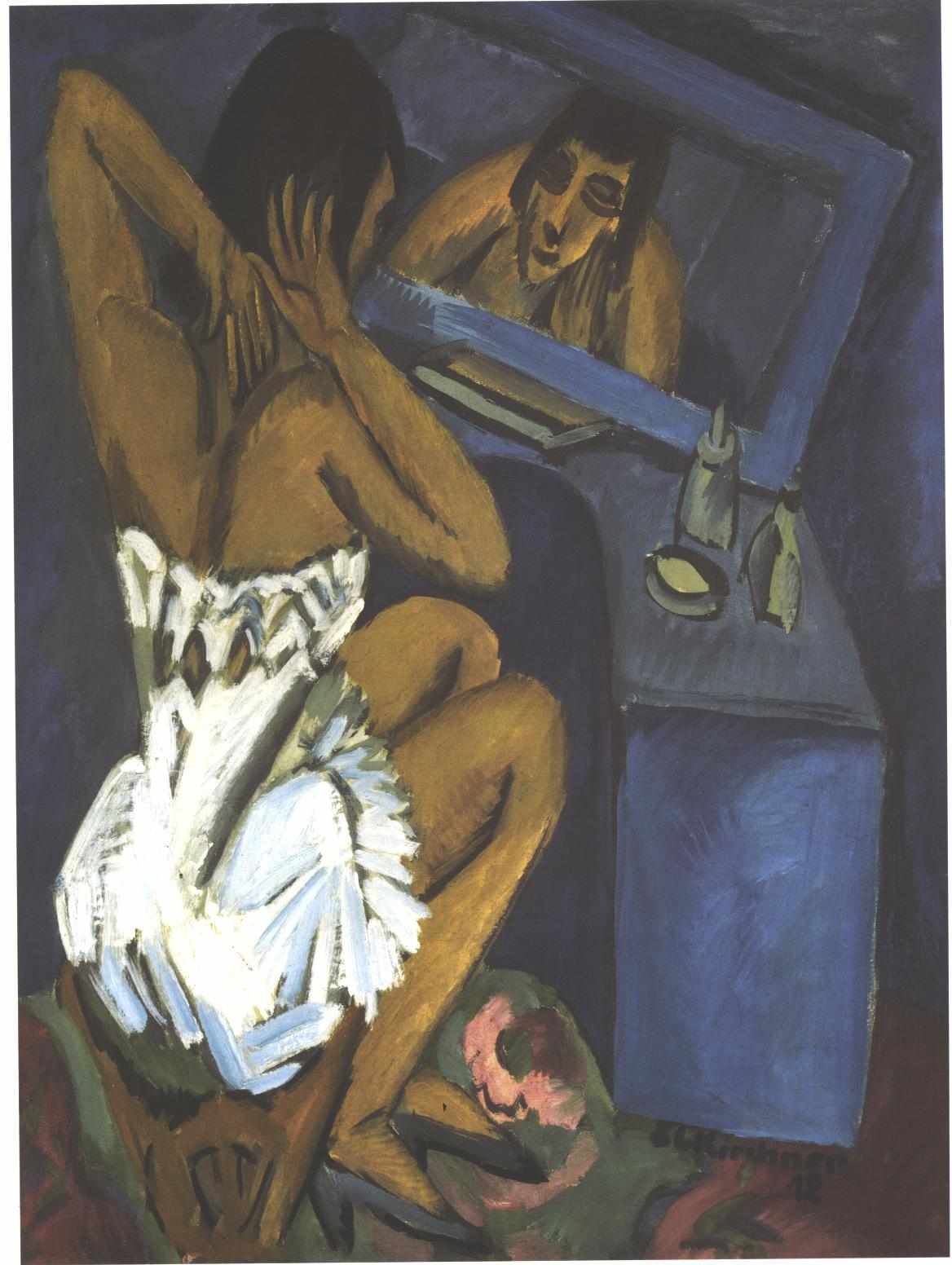
Woman before the Mirror
Exploring the Emotional Depth of Woman before the Mirror by Ernst Ludwig Kirchner
Understanding Kirchner's Expressionist Style
The Influence of German Expressionism on Kirchner's Work
Ernst Ludwig Kirchner was a pivotal figure in the German Expressionist movement. His work often reflects the emotional turmoil and psychological depth of the early 20th century. Kirchner's art captures the essence of modern life, showcasing the struggles and complexities of human existence.
Color Palette and Brushwork: A Study in Emotion
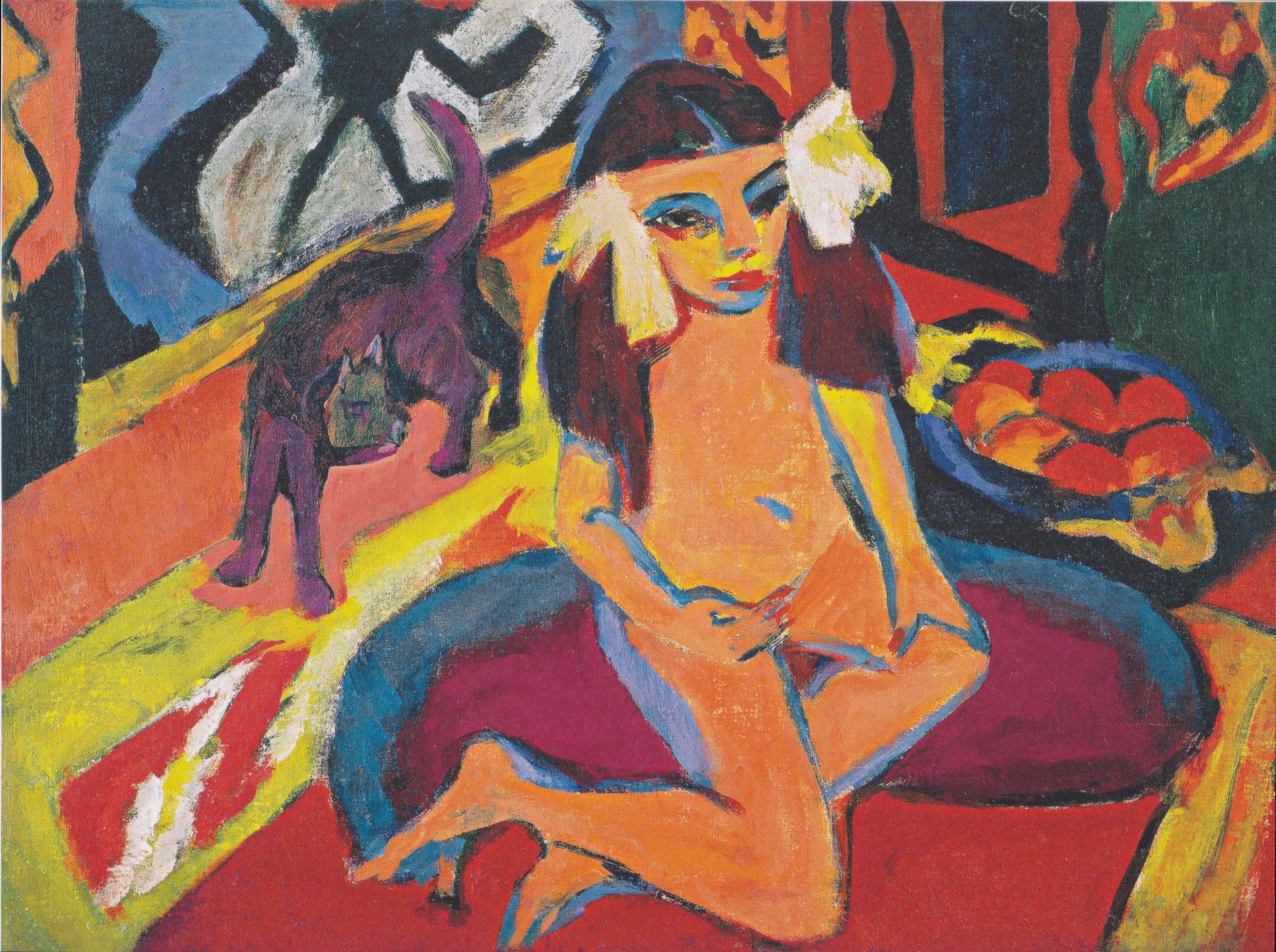
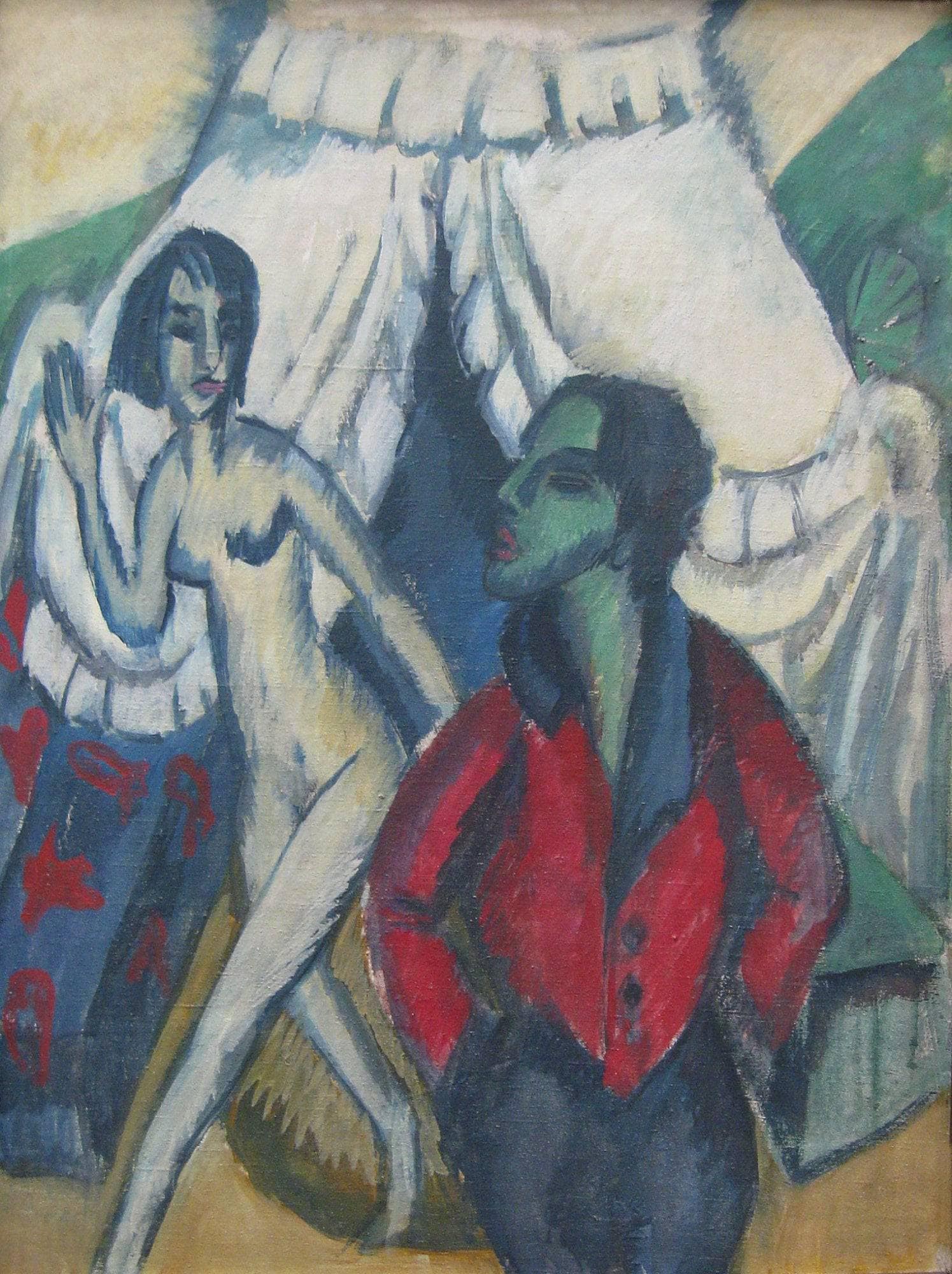
In "Woman before the Mirror," Kirchner employs a vibrant color palette filled with bold reds, deep blues, and striking yellows. His dynamic brushwork creates a sense of movement and urgency, drawing viewers into the emotional landscape of the painting. Each stroke conveys a feeling, making the artwork resonate on a personal level.
The Symbolism Behind Woman before the Mirror
Reflections of Identity: The Woman's Gaze
The central figure in "Woman before the Mirror" gazes intently at her reflection, symbolizing a deep exploration of identity. This moment captures the struggle between self-perception and societal expectations. The woman's expression reveals vulnerability, inviting viewers to ponder their own self-image and the masks they wear.
Interpreting the Mirror: Duality and Self-Perception
The mirror serves as a powerful symbol of duality in this painting. It reflects not only the woman's physical appearance but also her inner thoughts and emotions. This duality highlights the tension between how we see ourselves and how others perceive us, a theme that resonates deeply in contemporary society.
Historical Context of Woman before the Mirror
Artistic Movements of the Early 20th Century
Kirchner's Role in the Die Brücke Group
Kirchner was a founding member of the Die Brücke (The Bridge) group, which aimed to create a new artistic language. This collective sought to express the raw emotions of modern life through their art. Kirchner's contributions to Die Brücke helped shape the direction of Expressionism, making him a key figure in this revolutionary movement.
Analyzing the Composition and Elements of the Painting
Figures and Forms: The Central Woman's Posture
The posture of the woman in "Woman before the Mirror" is both relaxed and tense. Her body language suggests contemplation, while her gaze is fixed and intense. This juxtaposition creates a compelling visual narrative, inviting viewers to engage with her emotional state.
Use of Space: The Interaction Between Subject and Background
Kirchner skillfully uses space to enhance the emotional impact of the painting. The background, with its abstract forms and vibrant colors, contrasts with the figure, emphasizing her isolation. This interaction between subject and background deepens the viewer's understanding of the woman's internal struggle.
The Impact of Woman before the Mirror on Modern Art
Influence on Contemporary Artists and Movements
Legacy of Kirchner's Work in Art History
Kirchner's contributions to art history are significant. His innovative approach to color, form, and emotion has earned him a place among the great masters of Expressionism. "Woman before the Mirror" remains a testament to his artistic vision and continues to be celebrated in galleries and museums worldwide.
Personal Reflections: Viewing Woman before the Mirror
First-Hand Experiences: Emotional Reactions to the Painting
Many viewers report feeling a strong emotional connection to "Woman before the Mirror." The painting evokes feelings of introspection and empathy. Observers often find themselves reflecting on their own identities and experiences, making the artwork a powerful catalyst for personal reflection.
Visitor Insights: What Audiences Take Away from the Artwork
Audiences frequently comment on the painting's ability to provoke thought and discussion. The themes of self-perception and identity resonate with people from all walks of life. Visitors often leave the gallery with a renewed sense of understanding about themselves and the complexities of human emotion.
Frequently Asked Questions about Woman before the Mirror
What is the significance of the mirror in Kirchner's painting?
The mirror symbolizes self-reflection and the duality of identity, highlighting the contrast between how we see ourselves and how we are perceived by others.
How does Kirchner's style differ from other Expressionist artists?
Kirchner's style is characterized by bold colors, dynamic brushwork, and a focus on emotional depth, setting him apart from other Expressionist artists who may emphasize different aspects of the human experience.
What emotions does Woman before the Mirror evoke in viewers?
Viewers often feel introspective, vulnerable, and empathetic when engaging with the painting, as it captures the complexities of identity and self-perception.
What themes are prevalent in Kirchner's body of work?
Themes of identity, modernity, and emotional turmoil are prevalent in Kirchner's work, reflecting the struggles of individuals in a rapidly changing society.
How does the painting reflect the societal views of women in the early 20th century?
The painting highlights the societal pressures on women regarding beauty and identity, showcasing the internal conflict many women faced during this transformative period.
FAQs about Painting Reproductions of Woman before the Mirror
What should I consider when purchasing a reproduction of this painting?
When purchasing a reproduction, consider the quality of materials, the accuracy of colors, and the craftsmanship involved. A high-quality painting reproduction will capture the essence of Kirchner's original work.
How can I ensure the quality of a painting reproduction?
Look for reproductions created by skilled artists using premium materials. Check for reviews and ratings to ensure you are getting a piece that reflects the vibrancy and detail of the original painting.
Original: $299.95
-70%$299.95
$89.98Product Information
Product Information
Shipping & Returns
Shipping & Returns
Description
Exploring the Emotional Depth of Woman before the Mirror by Ernst Ludwig Kirchner
Understanding Kirchner's Expressionist Style
The Influence of German Expressionism on Kirchner's Work
Ernst Ludwig Kirchner was a pivotal figure in the German Expressionist movement. His work often reflects the emotional turmoil and psychological depth of the early 20th century. Kirchner's art captures the essence of modern life, showcasing the struggles and complexities of human existence.
Color Palette and Brushwork: A Study in Emotion
In "Woman before the Mirror," Kirchner employs a vibrant color palette filled with bold reds, deep blues, and striking yellows. His dynamic brushwork creates a sense of movement and urgency, drawing viewers into the emotional landscape of the painting. Each stroke conveys a feeling, making the artwork resonate on a personal level.
The Symbolism Behind Woman before the Mirror
Reflections of Identity: The Woman's Gaze
The central figure in "Woman before the Mirror" gazes intently at her reflection, symbolizing a deep exploration of identity. This moment captures the struggle between self-perception and societal expectations. The woman's expression reveals vulnerability, inviting viewers to ponder their own self-image and the masks they wear.
Interpreting the Mirror: Duality and Self-Perception
The mirror serves as a powerful symbol of duality in this painting. It reflects not only the woman's physical appearance but also her inner thoughts and emotions. This duality highlights the tension between how we see ourselves and how others perceive us, a theme that resonates deeply in contemporary society.
Historical Context of Woman before the Mirror
Artistic Movements of the Early 20th Century
Kirchner's Role in the Die Brücke Group
Kirchner was a founding member of the Die Brücke (The Bridge) group, which aimed to create a new artistic language. This collective sought to express the raw emotions of modern life through their art. Kirchner's contributions to Die Brücke helped shape the direction of Expressionism, making him a key figure in this revolutionary movement.
Analyzing the Composition and Elements of the Painting
Figures and Forms: The Central Woman's Posture
The posture of the woman in "Woman before the Mirror" is both relaxed and tense. Her body language suggests contemplation, while her gaze is fixed and intense. This juxtaposition creates a compelling visual narrative, inviting viewers to engage with her emotional state.
Use of Space: The Interaction Between Subject and Background
Kirchner skillfully uses space to enhance the emotional impact of the painting. The background, with its abstract forms and vibrant colors, contrasts with the figure, emphasizing her isolation. This interaction between subject and background deepens the viewer's understanding of the woman's internal struggle.
The Impact of Woman before the Mirror on Modern Art
Influence on Contemporary Artists and Movements
Legacy of Kirchner's Work in Art History
Kirchner's contributions to art history are significant. His innovative approach to color, form, and emotion has earned him a place among the great masters of Expressionism. "Woman before the Mirror" remains a testament to his artistic vision and continues to be celebrated in galleries and museums worldwide.
Personal Reflections: Viewing Woman before the Mirror
First-Hand Experiences: Emotional Reactions to the Painting
Many viewers report feeling a strong emotional connection to "Woman before the Mirror." The painting evokes feelings of introspection and empathy. Observers often find themselves reflecting on their own identities and experiences, making the artwork a powerful catalyst for personal reflection.
Visitor Insights: What Audiences Take Away from the Artwork
Audiences frequently comment on the painting's ability to provoke thought and discussion. The themes of self-perception and identity resonate with people from all walks of life. Visitors often leave the gallery with a renewed sense of understanding about themselves and the complexities of human emotion.
Frequently Asked Questions about Woman before the Mirror
What is the significance of the mirror in Kirchner's painting?
The mirror symbolizes self-reflection and the duality of identity, highlighting the contrast between how we see ourselves and how we are perceived by others.
How does Kirchner's style differ from other Expressionist artists?
Kirchner's style is characterized by bold colors, dynamic brushwork, and a focus on emotional depth, setting him apart from other Expressionist artists who may emphasize different aspects of the human experience.
What emotions does Woman before the Mirror evoke in viewers?
Viewers often feel introspective, vulnerable, and empathetic when engaging with the painting, as it captures the complexities of identity and self-perception.
What themes are prevalent in Kirchner's body of work?
Themes of identity, modernity, and emotional turmoil are prevalent in Kirchner's work, reflecting the struggles of individuals in a rapidly changing society.
How does the painting reflect the societal views of women in the early 20th century?
The painting highlights the societal pressures on women regarding beauty and identity, showcasing the internal conflict many women faced during this transformative period.
FAQs about Painting Reproductions of Woman before the Mirror
What should I consider when purchasing a reproduction of this painting?
When purchasing a reproduction, consider the quality of materials, the accuracy of colors, and the craftsmanship involved. A high-quality painting reproduction will capture the essence of Kirchner's original work.
How can I ensure the quality of a painting reproduction?
Look for reproductions created by skilled artists using premium materials. Check for reviews and ratings to ensure you are getting a piece that reflects the vibrancy and detail of the original painting.