🚚 Free Worldwide Shipping on All Orders!Shop Now

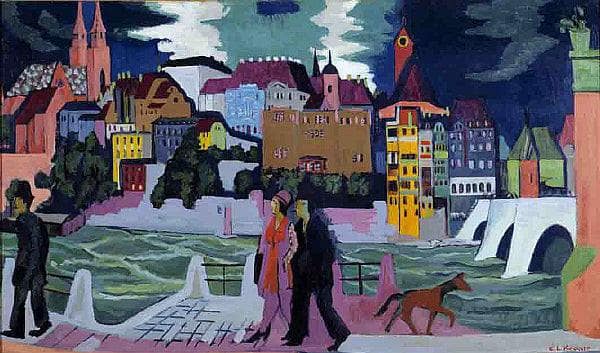
View of Basel and the Rhine
Exploring the Vibrant Landscape of Basel: Kirchner's Artistic Vision
Introduction to Ernst Ludwig Kirchner: A Pioneer of Expressionism
Biographical Insights: Kirchner's Life and Artistic Journey
Ernst Ludwig Kirchner was born in 1880 in Aschaffenburg, Germany. He became a leading figure in the Expressionist movement, known for his bold colors and emotional depth. Kirchner studied architecture before turning to painting, which allowed him to express his inner feelings and perceptions of the world. His time in Dresden and later in Berlin shaped his artistic style, as he sought to capture the essence of modern life.Influences and Inspirations: The Impact of German Expressionism
Kirchner was heavily influenced by the vibrant art scene in Germany during the early 20th century. He co-founded the artist group Die Brücke (The Bridge), which aimed to break away from traditional artistic conventions. The group embraced a raw, emotional style that reflected the anxieties and hopes of a rapidly changing society. Kirchner's exposure to African art and the works of Vincent van Gogh also played a significant role in shaping his unique approach to color and form.View of Basel and the Rhine: A Masterpiece of Color and Emotion
Artistic Techniques: Kirchner's Use of Color and Brushwork
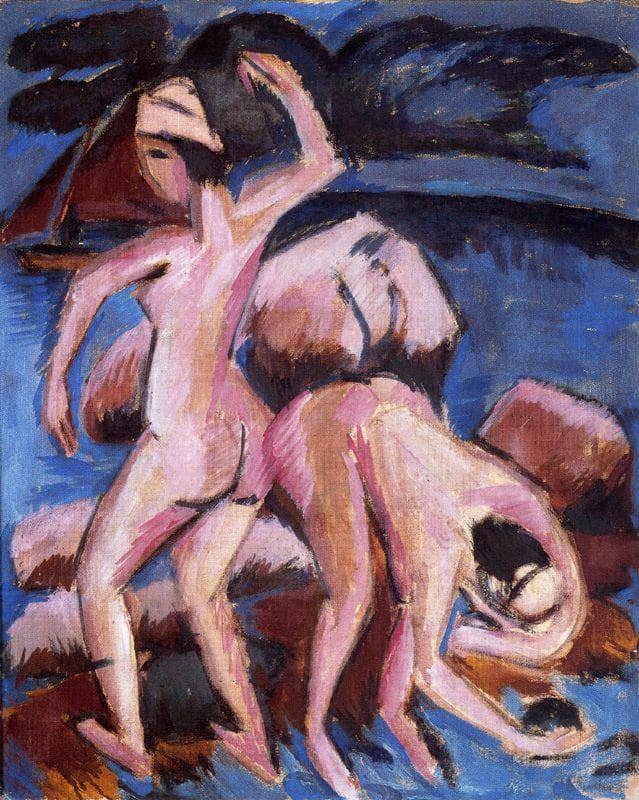
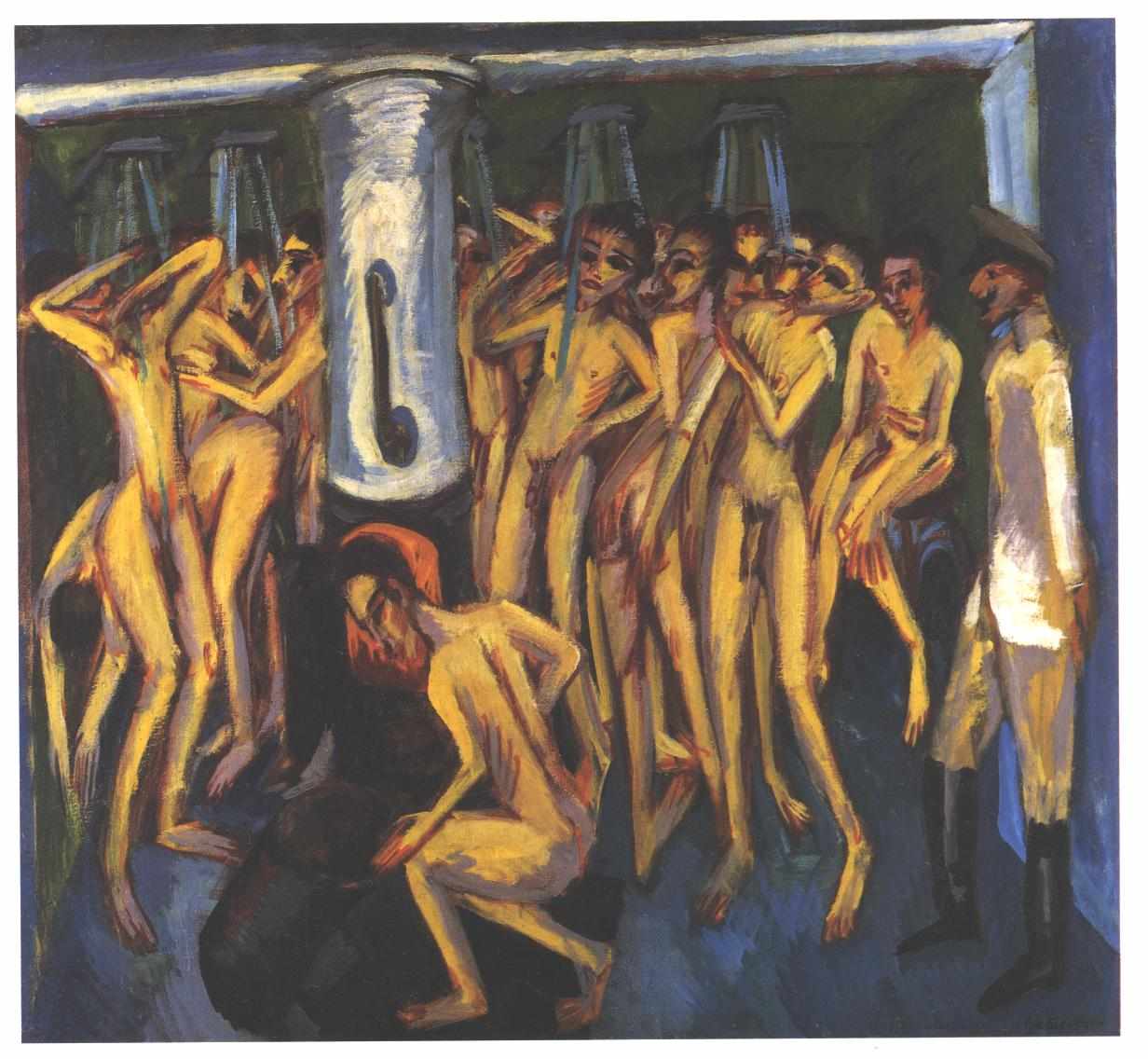
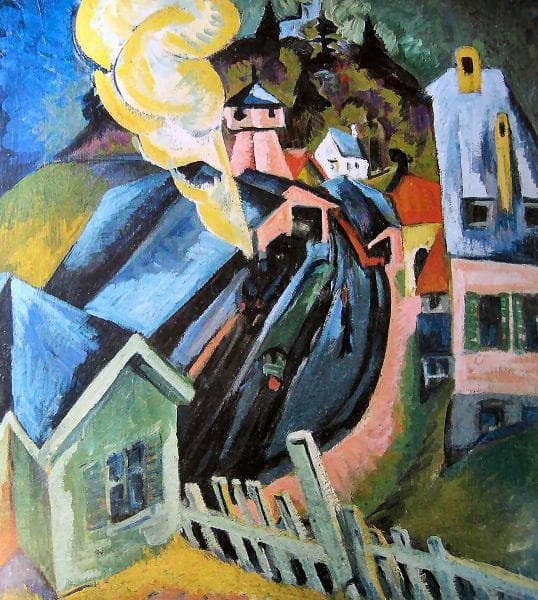
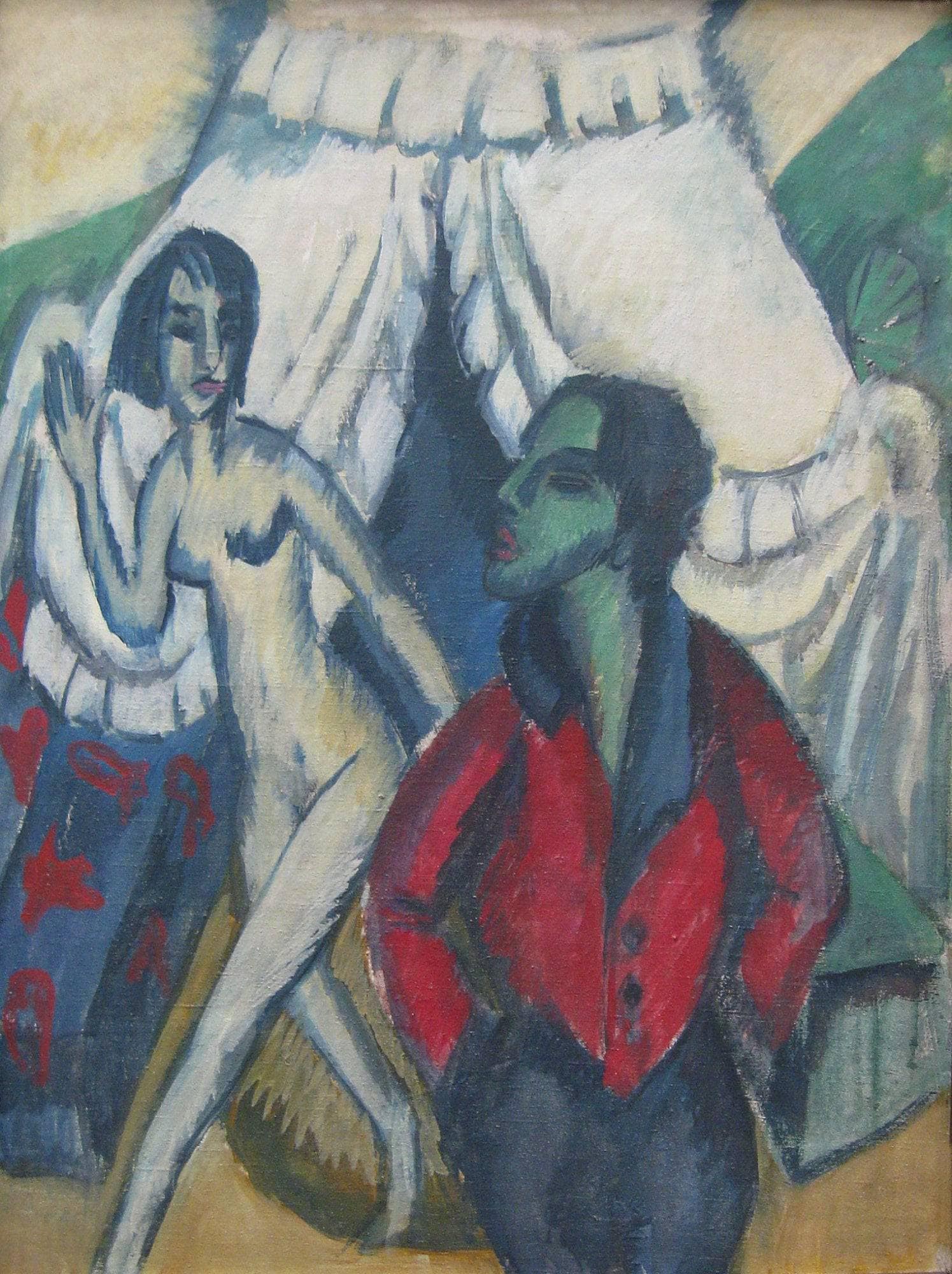
In "View of Basel and the Rhine," Kirchner employs a striking palette of vivid colors that evoke a sense of vitality and movement. His dynamic brushwork creates a sense of immediacy, drawing viewers into the scene. The bold strokes and contrasting hues reflect the emotional intensity that Kirchner sought to convey, making the painting a true representation of his Expressionist style.Composition Analysis: The Dynamic Arrangement of Elements
The composition of "View of Basel and the Rhine" is carefully orchestrated. Kirchner arranges the elements to guide the viewer's eye across the canvas. The flowing lines of the Rhine River lead to the picturesque city of Basel, framed by lush greenery. This arrangement not only highlights the beauty of the landscape but also emphasizes the connection between nature and urban life.Symbolism in the Painting: What the Rhine Represents
The Rhine River serves as a powerful symbol in Kirchner's work. It represents the flow of life, continuity, and the passage of time. The river's movement mirrors the emotional currents within the painting, suggesting both tranquility and turmoil. Kirchner's depiction of the Rhine invites viewers to reflect on their own experiences and emotions, making the artwork deeply personal and universal.The Cultural Context of Basel in the Early 20th Century
Historical Significance: Basel's Role in Art and Culture
In the early 20th century, Basel was a vibrant cultural hub. It was home to numerous artists, writers, and intellectuals who contributed to the rich tapestry of European art. The city's location along the Rhine made it a center for trade and exchange, fostering a dynamic environment for artistic innovation. Kirchner's choice to depict Basel highlights the city's significance in the broader context of modern art.Kirchner's Connection to Basel: Personal and Artistic Ties
Kirchner had a personal connection to Basel, as he spent time there during his travels. The city's picturesque landscapes and lively atmosphere inspired him. His experiences in Basel influenced his artistic vision, allowing him to capture the essence of the city in "View of Basel and the Rhine." This connection adds a layer of intimacy to the painting, making it a reflection of both the artist's journey and the city's spirit.Emotional Resonance: The Feelings Evoked by Kirchner's Work
Interpreting the Mood: How Color Choices Influence Emotion
Kirchner's use of color in "View of Basel and the Rhine" plays a crucial role in evoking emotion. The vibrant blues and greens of the river and landscape contrast with the warm tones of the buildings, creating a sense of harmony and tension. This interplay of colors invites viewers to experience a range of feelings, from joy to nostalgia, as they engage with the painting.Viewer Experience: Engaging with the Painting's Atmosphere
When viewers stand before "View of Basel and the Rhine," they are transported into Kirchner's world. The lively brushstrokes and vivid colors create an immersive atmosphere that encourages contemplation. The painting invites viewers to explore their own emotions and memories, making each encounter with the artwork a unique experience.Comparative Analysis: Kirchner's Style vs. Other Expressionists
Contrasting Techniques: Kirchner and His Contemporaries
Kirchner's style stands out among his Expressionist peers. While artists like Edvard Munch focused on psychological themes, Kirchner emphasized the beauty of the external world. His bold use of color and dynamic compositions set him apart, allowing him to capture the vibrancy of life in a way that resonates with viewers. This distinct approach has made his work a cornerstone of Expressionism.Legacy of Expressionism: How Kirchner Shaped Future Artists
Kirchner's influence on modern art is profound. His innovative techniques and emotional depth inspired countless artists who followed. The raw energy and expressive quality of his work paved the way for future movements, including Abstract Expressionism. Kirchner's legacy continues to inspire artists to explore the emotional power of color and form.Artistic Legacy: The Enduring Impact of View of Basel and the Rhine
Influence on Modern Art: Kirchner's Lasting Contributions
"View of Basel and the Rhine" remains a significant work in the history of modern art. Kirchner's ability to convey emotion through color and composition has influenced generations of artists. His exploration of the human experience and the natural world continues to resonate, making his work relevant in today's art scene.Exhibitions and Collections: Where to Experience Kirchner's Work
Art enthusiasts can experience Kirchner's masterpieces in various prestigious collections worldwide. Notable exhibitions often feature "View of Basel and the Rhine," allowing viewers to appreciate its beauty up close. Museums such as the Museum of Modern Art in New York and the Kunstmuseum in Basel showcase Kirchner's work, providing insight into his artistic journey.Frequently Asked Questions About View of Basel and the Rhine
What is the significance of the Rhine River in Kirchner's painting?
The Rhine River symbolizes the flow of life and emotional currents, reflecting both tranquility and turmoil in Kirchner's work.How does Kirchner's style reflect the emotions of his time?
Kirchner's bold colors and dynamic brushwork capture the anxieties and hopes of a rapidly changing society, making his work deeply resonant.What techniques did Kirchner use to create depth in this painting?
Kirchner employed vibrant colors and dynamic compositions to create a sense of depth, drawing viewers into the scene.What are the main themes explored in View of Basel and the Rhine?
The painting explores themes of nature, urban life, and the emotional connection between the two, inviting personal reflection.How does this painting compare to Kirchner's other works?
"View of Basel and the Rhine" showcases Kirchner's signature style, emphasizing color and emotion, similar to his other Expressionist pieces.What should I know about reproducing View of Basel and the Rhine?
Art reproductions of "View of Basel and the Rhine" offer a superior alternative to prints, capturing the vibrant colors and textures of the original painting.Are there any notable exhibitions featuring this painting?
Yes, "View of Basel and the Rhine" is often featured in exhibitions at major art museums, allowing audiences to engage with Kirchner's work firsthand.Select Size
From $89.98
Original: $299.95
-70%View of Basel and the Rhine—
$299.95
$89.98Product Information
Product Information
Shipping & Returns
Shipping & Returns