🚚 Free Worldwide Shipping on All Orders!Shop Now

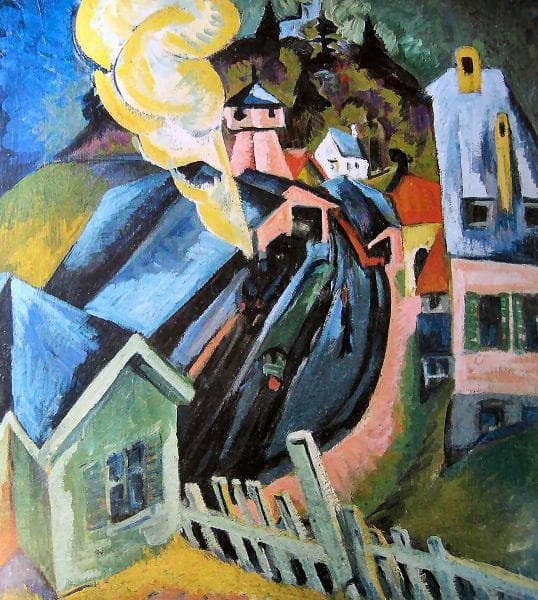
Station in Königstein
Discover the Vibrant World of Ernst Ludwig Kirchner's Station in Königstein
Artistic Context: Expressionism and the German Avant-Garde
The Role of Kirchner in the Expressionist Movement
Ernst Ludwig Kirchner stands as a pivotal figure in the Expressionist movement, which emerged in the early 20th century. His work, including the striking "Station in K√∂nigstein," showcases the emotional intensity and bold colors that define this artistic style. Kirchner, a founding member of the Die Brücke group, sought to express raw human emotions and the complexities of modern life through his art.Influences of the Early 20th Century on Kirchner's Work
The early 1900s were a time of great change in Europe, marked by rapid industrialization and urbanization. Kirchner's experiences in bustling cities like Berlin and Dresden influenced his artistic vision. He drew inspiration from African art, which he believed conveyed a sense of authenticity and emotional depth. This blend of influences helped shape the unique aesthetic found in "Station in Königstein."Visual Analysis: A Deep Dive into Station in Königstein
Color Palette: The Emotional Impact of Bold Hues
In "Station in Königstein," Kirchner employs a vibrant color palette that evokes strong emotions. The use of vivid reds, deep greens, and bright yellows creates a sense of urgency and energy. These colors not only capture the viewer's attention but also reflect the artist's inner turmoil and the dynamic nature of the scene.Composition: The Dynamic Arrangement of Figures and Landscape
The composition of "Station in Königstein" is both dynamic and engaging. Kirchner skillfully arranges figures in a way that leads the viewer's eye through the painting. The juxtaposition of the human figures against the natural landscape creates a sense of movement and interaction. This arrangement highlights the relationship between people and their environment, a recurring theme in Kirchner's work.Brushwork Techniques: Kirchner's Distinctive Style
Kirchner's brushwork in "Station in Königstein" is bold and expressive. He uses thick, energetic strokes that convey a sense of immediacy. This technique adds texture and depth to the painting, inviting viewers to explore the details. Kirchner's distinctive style sets him apart from his contemporaries and enhances the emotional impact of his work.Thematic Exploration: Nature and Urban Life in Kirchner's Art
Contrasting Elements: The Harmony of Nature and Human Presence
"Station in Königstein" beautifully contrasts the serenity of nature with the hustle of urban life. The painting captures a moment where human figures interact with the natural landscape, suggesting a delicate balance between the two. This theme reflects Kirchner's fascination with the coexistence of civilization and the natural world.Symbolism in Station in Königstein: What the Figures Represent
The figures in "Station in Königstein" symbolize various aspects of human experience. They represent the tension between individuality and societal expectations. Each character's posture and expression convey a range of emotions, from joy to anxiety, reflecting the complexities of modern existence. This symbolism invites viewers to interpret the painting on multiple levels.Historical Significance: The Context of Station in Königstein
Königstein: A Cultural Hub in Early 20th Century Germany
Königstein, a picturesque town in Germany, served as a cultural hub during the early 20th century. Its scenic landscapes and vibrant community attracted artists and intellectuals alike. Kirchner's choice to depict this location in "Station in Königstein" highlights the town's significance as a source of inspiration for creative expression.The Impact of World War I on Kirchner's Artistic Vision
World War I profoundly affected Kirchner's artistic vision. The chaos and destruction of the war led him to explore themes of alienation and despair in his work. "Station in Königstein" can be seen as a reflection of this turmoil, capturing a moment of fleeting beauty amidst the uncertainty of the times.Personal Insights: Kirchner's Life and Artistic Journey
Biographical Highlights: Kirchner's Path to Becoming an Artist
Ernst Ludwig Kirchner was born in 1880 in Aschaffenburg, Germany. He studied architecture before turning to painting, which allowed him to express his emotions more freely. His early exposure to art and culture laid the foundation for his later success as a leading figure in Expressionism.Personal Struggles: How Life Experiences Shaped His Art
Kirchner faced numerous personal struggles, including mental health issues and the impact of war. These experiences deeply influenced his art, leading him to explore themes of anxiety and isolation. His journey through adversity is evident in "Station in Königstein," where the emotional weight of his experiences resonates through the vibrant colors and dynamic forms.Comparative Analysis: Station in Königstein and Other Works
Similarities with Other Expressionist Artists
"Station in Königstein" shares similarities with the works of other Expressionist artists, such as Edvard Munch and Wassily Kandinsky. Like them, Kirchner uses color and form to convey emotional depth. The focus on human figures and their emotional states is a common thread that connects Kirchner to his contemporaries.Contrasts with Kirchner's Earlier and Later Works
When comparing "Station in Königstein" to Kirchner's earlier works, one can see a shift towards more vibrant colors and dynamic compositions. His later works, however, often reflect a darker, more introspective tone. This evolution showcases Kirchner's growth as an artist and his response to the changing world around him.FAQs About Station in Königstein by Ernst Ludwig Kirchner
What is the significance of the figures in Station in Königstein?
The figures in "Station in Königstein" represent the complexities of human emotion and the struggle for individuality in a rapidly changing society.How does Kirchner's style in this painting reflect his emotional state?
Kirchner's bold colors and expressive brushwork in "Station in Königstein" mirror his inner turmoil and emotional struggles, creating a powerful connection between the artist and the viewer.What are the main themes explored in Station in Königstein?
The main themes include the relationship between nature and urban life, the tension between individuality and societal expectations, and the emotional impact of modern existence.How does Station in Königstein compare to Kirchner's other famous works?
"Station in Königstein" showcases Kirchner's signature style, characterized by vibrant colors and dynamic compositions, similar to his other works but with a unique focus on the interplay between figures and landscape.What historical events influenced the creation of Station in Königstein?
The cultural shifts of early 20th century Germany, along with the impact of World War I, significantly influenced Kirchner's artistic vision and the themes present in "Station in Königstein."What should I know about the reproduction of Station in Königstein?
Art reproductions of "Station in Königstein" offer a superior alternative to prints. They capture the texture and vibrancy of the original painting, allowing you to appreciate Kirchner's artistry in your own space.How can I appreciate the details in Kirchner's painting when viewing a reproduction?
When viewing a reproduction of "Station in Königstein," take time to observe the brushwork, color variations, and the emotional expressions of the figures. This attention to detail will enhance your appreciation of Kirchner's unique style and artistic intent.Select Size
From $74.98
Original: $249.95
-70%Station in Königstein—
$249.95
$74.98Product Information
Product Information
Shipping & Returns
Shipping & Returns