🚚 Free Worldwide Shipping on All Orders!Shop Now

Bathing Women in a Room
Exploring the Artistic Essence of Bathing Women in a Room by Ernst Ludwig Kirchner
Understanding Kirchner's Unique Style: Expressionism and Color
The Vibrant Palette: Analyzing Color Choices
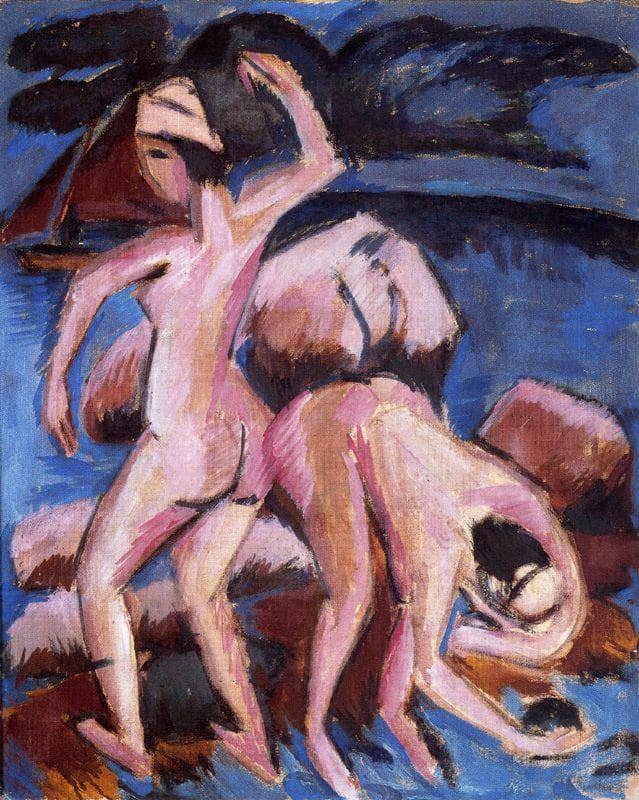
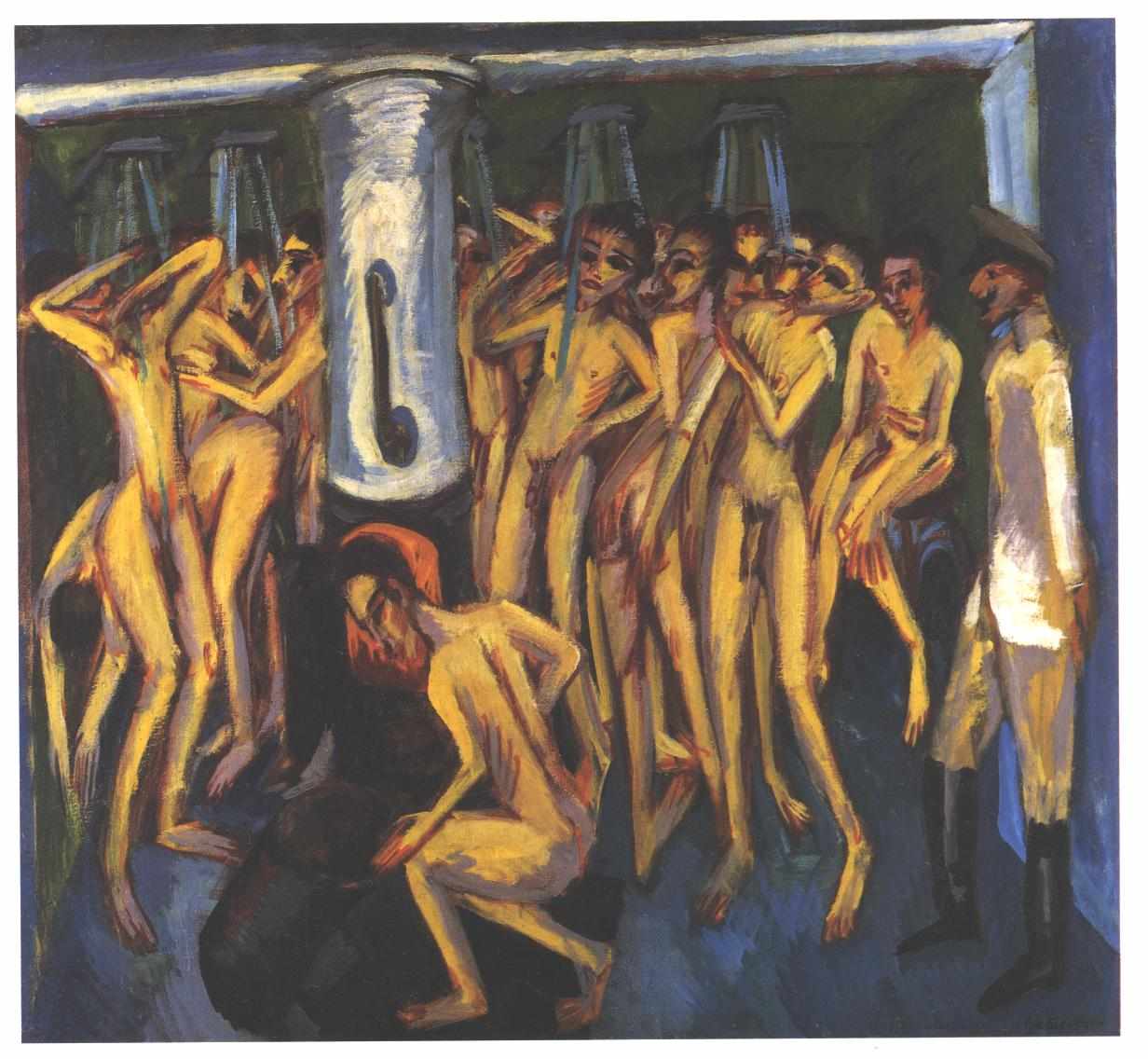
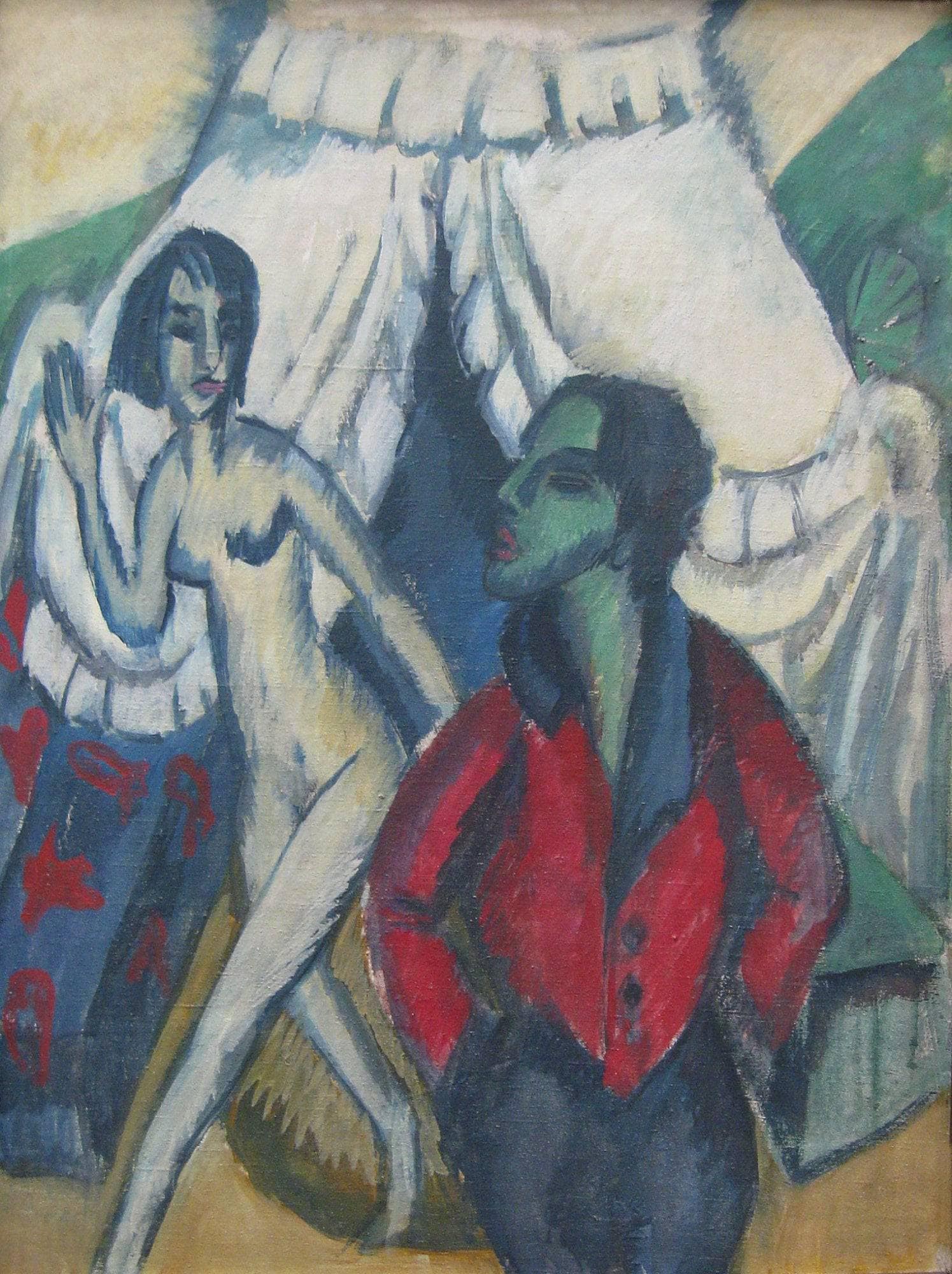
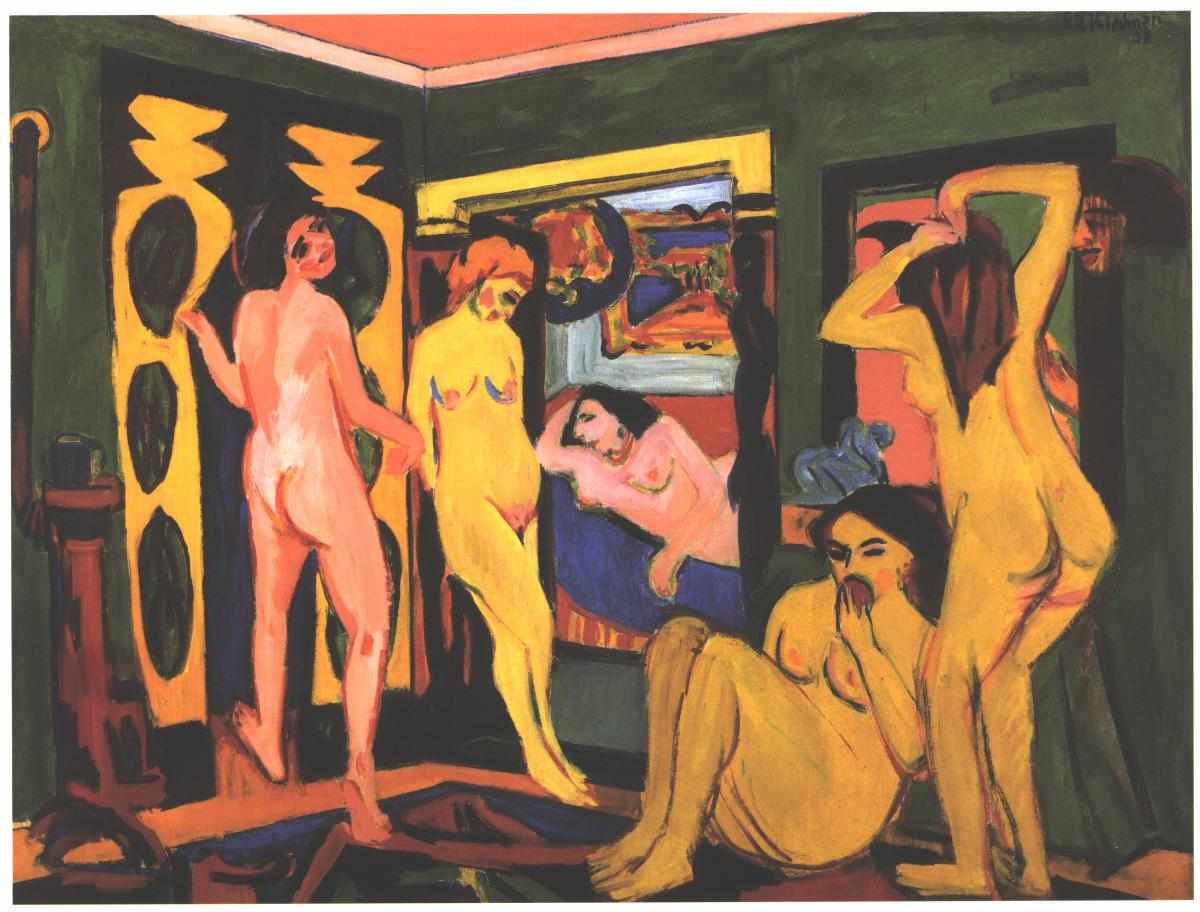
Ernst Ludwig Kirchner's "Bathing Women in a Room" showcases a striking use of color that defines his expressionist style. The bold hues of red, green, and blue create a vivid atmosphere, drawing viewers into the intimate scene. Kirchner's choice of colors not only captures the essence of the moment but also evokes strong emotional responses. The interplay of warm and cool tones enhances the feeling of closeness among the figures, making the painting a vibrant celebration of femininity and vulnerability.Brushwork Techniques: Capturing Emotion through Strokes
Kirchner's brushwork in this oil painting is dynamic and expressive. He employs swift, confident strokes that convey movement and emotion. The texture created by his technique adds depth to the figures, making them appear almost alive. This energetic brushwork reflects the artist's passion and intensity, inviting viewers to feel the emotions of the women depicted. Each stroke tells a story, revealing Kirchner's unique ability to blend form and feeling.Thematic Elements: Intimacy and Vulnerability in Kirchner's Work
Depicting Female Form: A Study of Body Language and Posture
In "Bathing Women in a Room," Kirchner presents the female form with a focus on body language and posture. The women are depicted in various poses, showcasing their natural beauty and vulnerability. Their relaxed stances and intimate interactions suggest a sense of comfort and trust. Kirchner's portrayal of the female body challenges traditional representations, emphasizing individuality and emotional depth.Privacy and Exposure: The Dichotomy of Bathing
The act of bathing serves as a powerful metaphor in Kirchner's work. It represents both privacy and exposure, highlighting the tension between the two. The women are engaged in a personal ritual, yet their nudity invites the viewer into their private world. This duality reflects broader themes of intimacy and societal norms regarding femininity. Kirchner's exploration of this dichotomy encourages viewers to contemplate their own perceptions of privacy and vulnerability.Historical Context: The Influence of Early 20th Century Art Movements
Expressionism's Rise: Kirchner's Role in the Movement
Kirchner was a pivotal figure in the Expressionist movement, which emerged in the early 20th century. This movement sought to convey emotional experiences rather than physical reality. Kirchner's "Bathing Women in a Room" exemplifies this approach, as he prioritizes emotional expression over realistic representation. His work reflects the spirit of the time, characterized by a desire for authenticity and a break from traditional artistic conventions.Impact of World War I: Reflections in Kirchner's Art
The trauma of World War I profoundly influenced Kirchner's art. His experiences during the war led him to explore themes of alienation and despair. "Bathing Women in a Room" can be seen as a response to this turmoil, offering a glimpse of solace and beauty amidst chaos. The painting serves as a reminder of the resilience of the human spirit, even in the face of adversity.Symbolism and Interpretation: What Lies Beneath the Surface?
Water as a Metaphor: Purity, Cleansing, and Transformation
Water plays a significant symbolic role in Kirchner's painting. It represents purity, cleansing, and transformation. The act of bathing can be interpreted as a ritual of renewal, allowing the women to shed their burdens and embrace their true selves. This metaphor resonates with viewers, inviting them to reflect on their own journeys of self-discovery and healing.Feminine Identity: Exploring Gender Roles in Kirchner's Era
Kirchner's portrayal of women in "Bathing Women in a Room" challenges traditional gender roles of his time. The women are depicted as strong, independent figures, engaging in a private moment of self-care. This representation reflects the evolving perception of femininity in the early 20th century. Kirchner's work encourages viewers to reconsider societal expectations and embrace a more nuanced understanding of gender identity.Artistic Techniques: A Closer Look at Kirchner's Methodology
Layering and Texture: Creating Depth in the Composition
Kirchner's technique of layering paint adds richness and depth to "Bathing Women in a Room." He skillfully builds up textures, creating a sense of three-dimensionality. This approach enhances the visual impact of the painting, drawing viewers into the scene. The interplay of light and shadow further emphasizes the forms of the women, making them appear more lifelike and engaging.Use of Light and Shadow: Enhancing Mood and Atmosphere
Light and shadow play a crucial role in Kirchner's composition. He uses contrasting tones to create mood and atmosphere, guiding the viewer's eye throughout the painting. The soft illumination highlights the curves of the women's bodies, enhancing their beauty and vulnerability. This careful manipulation of light adds an emotional layer to the artwork, inviting viewers to connect with the scene on a deeper level.Comparative Analysis: Kirchner and His Contemporaries
Contrasting Styles: Kirchner vs. Matisse and Picasso
Kirchner's style stands in contrast to that of his contemporaries, such as Henri Matisse and Pablo Picasso. While Matisse often embraced color and form in a more decorative manner, Kirchner's work is raw and emotional. Picasso's cubism focuses on fragmented forms, whereas Kirchner's expressionism emphasizes emotional depth and human connection. This distinction highlights Kirchner's unique contribution to the art world.Influence on Future Generations: Kirchner's Legacy in Modern Art
Kirchner's impact on modern art is profound. His exploration of emotional expression and the human experience paved the way for future artists. Many contemporary artists draw inspiration from his bold use of color and innovative techniques. Kirchner's legacy continues to resonate, reminding us of the power of art to convey complex emotions and challenge societal norms.Personal Reflections: Experiencing Bathing Women in a Room
Emotional Response: What the Painting Evokes in Viewers
"Bathing Women in a Room" elicits a range of emotional responses from viewers. The intimate scene invites contemplation and reflection. Many find themselves drawn to the vulnerability and strength of the women, evoking feelings of empathy and connection. Kirchner's ability to capture such raw emotion makes this painting a powerful experience for anyone who gazes upon it.Connection to Nature: The Role of the Natural Environment
The natural environment plays a subtle yet significant role in Kirchner's painting. The soft, organic forms of the women echo the fluidity of water, creating a harmonious connection between the figures and their surroundings. This relationship emphasizes the theme of renewal and transformation, inviting viewers to appreciate the beauty of both nature and the human experience.FAQs about Bathing Women in a Room by Ernst Ludwig Kirchner
What is the significance of the bathing scene in Kirchner's painting?
The bathing scene symbolizes intimacy, vulnerability, and the cleansing of the soul. It invites viewers to reflect on personal renewal and the beauty of shared moments.How does Kirchner's use of color affect the mood of the artwork?
Kirchner's vibrant color palette creates an emotional atmosphere, enhancing the sense of intimacy and connection among the figures. The colors evoke feelings of warmth and comfort.What are the main themes explored in Bathing Women in a Room?
The painting explores themes of femininity, vulnerability, privacy, and the duality of exposure. It challenges traditional gender roles and celebrates the strength of women.How does this painting reflect the social context of its time?
"Bathing Women in a Room" reflects the evolving perceptions of femininity in the early 20th century, highlighting the shift towards greater independence and self-expression for women.What techniques did Kirchner use to create depth in this painting?
Kirchner employed layering and texture, along with careful manipulation of light and shadow, to create depth and enhance the emotional impact of the composition.Are there any notable influences on Kirchner's style in this work?
Kirchner was influenced by the Expressionist movement and the emotional turmoil of his time, particularly the impact of World War I, which shaped his artistic vision.What should I know about reproductions of Bathing Women in a Room?
Art reproductions of "Bathing Women in a Room" offer a superior alternative to prints. They capture the texture, color, and emotional depth of the original painting, allowing art lovers to experience Kirchner's work in a more authentic way.How can I appreciate the details in Kirchner's painting reproduction?
To appreciate the details in a reproduction, take time to observe the brushwork, color choices, and emotional expressions of the figures. Consider the themes and symbolism present in the artwork to deepen your understanding and connection to Kirchner's vision.Select Size
From $89.98
Original: $299.95
-70%Bathing Women in a Room—
$299.95
$89.98Product Information
Product Information
Shipping & Returns
Shipping & Returns