🚚 Free Worldwide Shipping on All Orders!Shop Now

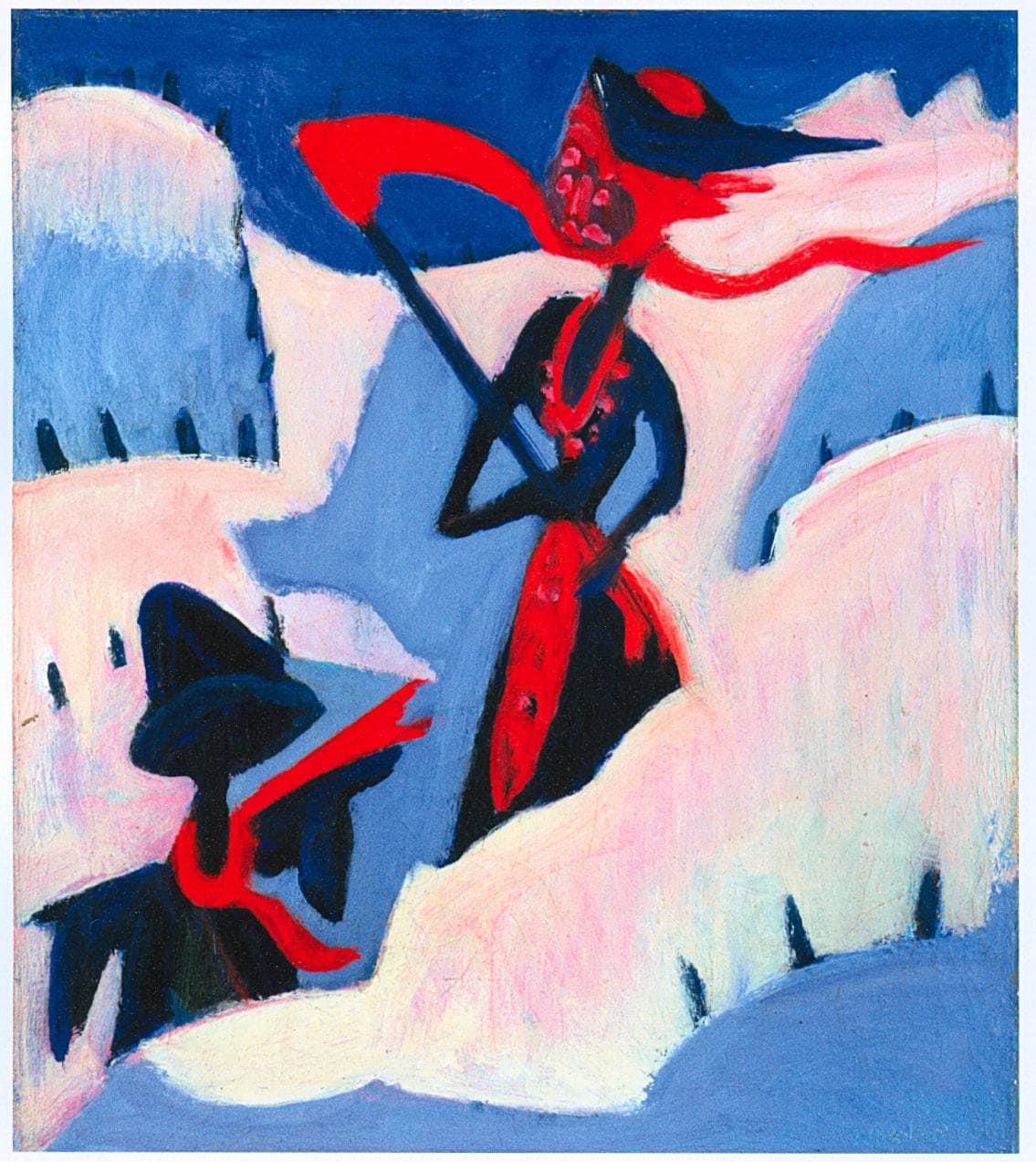
Witch and Scarecrow in the Snow
Exploring the Enigmatic World of Ernst Ludwig Kirchner's "Witch and Scarecrow in the Snow"
Artistic Vision: Kirchner's Unique Expressionism
Understanding Kirchner's Expressionist Style
Ernst Ludwig Kirchner was a leading figure in the German Expressionist movement. His work often reflects intense emotions and a deep connection to the human experience. In "Witch and Scarecrow in the Snow," Kirchner captures a haunting atmosphere that invites viewers to explore their own feelings of fear and wonder. His bold brushstrokes and vivid colors create a sense of urgency and emotional depth.The Role of Color and Form in Kirchner's Work
Color plays a crucial role in Kirchner's art. In this painting, the cool blues and whites of the snow contrast sharply with the dark, earthy tones of the witch and scarecrow. This juxtaposition enhances the emotional impact of the scene. The forms are exaggerated and distorted, typical of Expressionism, which allows Kirchner to convey a sense of unease and tension.Symbolism and Themes in "Witch and Scarecrow in the Snow"
Decoding the Witch: Feminine Power and Mystique
The witch in Kirchner's painting symbolizes feminine power and mystique. She embodies both allure and danger, representing the duality of nature. Her presence evokes ancient folklore and the archetype of the wise woman, often feared and misunderstood. This theme resonates with the historical context of women's roles in society during Kirchner's time.The Scarecrow: A Reflection of Isolation and Fear
The scarecrow stands as a poignant symbol of isolation and fear. It represents the struggle against the harshness of winter and the vulnerability of existence. The figure's lifelessness contrasts with the dynamic energy of the witch, highlighting the tension between life and death. This duality invites viewers to reflect on their own fears and insecurities.Winter's Chill: The Symbolism of Snow in Art
Snow often symbolizes purity and tranquility, but in Kirchner's work, it takes on a more sinister tone. The cold, white landscape envelops the figures, creating a sense of entrapment. This chilling environment amplifies the emotional weight of the painting, suggesting themes of despair and loneliness. The snow serves as a canvas for the characters' struggles, making it a powerful element in the composition.Composition and Technique: A Closer Look at the Painting
Dynamic Composition: The Interaction of Figures and Landscape
Kirchner's composition in "Witch and Scarecrow in the Snow" is dynamic and engaging. The figures interact with the landscape in a way that draws the viewer's eye across the canvas. The placement of the witch and scarecrow creates a visual tension that reflects their contrasting natures. This interaction invites viewers to explore the relationship between humanity and nature.Brushwork and Texture: Kirchner's Distinctive Techniques
Kirchner's brushwork is bold and expressive, adding texture and depth to the painting. He employs thick, impasto strokes that create a tactile quality, inviting viewers to feel the weight of the snow and the chill in the air. This technique enhances the emotional resonance of the piece, making it a vivid experience for the observer.Color Palette: The Emotional Impact of Cool Tones
The color palette in "Witch and Scarecrow in the Snow" is dominated by cool tones, which evoke feelings of melancholy and introspection. The icy blues and whites create a stark contrast with the darker figures, emphasizing their emotional states. This careful selection of colors enhances the overall mood of the painting, making it a powerful expression of Kirchner's artistic vision.Historical Context: Kirchner and the Expressionist Movement
The Influence of German Expressionism on Kirchner's Work
Kirchner was deeply influenced by the German Expressionist movement, which sought to convey emotional experiences rather than realistic depictions. This movement emerged in the early 20th century as a response to the rapid changes in society. Kirchner's work reflects the anxieties and tensions of his time, making "Witch and Scarecrow in the Snow" a significant piece within this context.Artistic Movements: How "Witch and Scarecrow in the Snow" Fits In
"Witch and Scarecrow in the Snow" exemplifies the core principles of Expressionism. It captures the emotional turmoil of the era while also exploring themes of nature, isolation, and the human psyche. Kirchner's unique style and perspective contribute to the broader narrative of Expressionism, making this painting a vital part of art history.Personal Reflections: Experiencing the Painting
Emotional Resonance: What the Painting Evokes in Viewers
Viewers often find themselves drawn into the emotional landscape of "Witch and Scarecrow in the Snow." The painting evokes feelings of unease, curiosity, and introspection. Many people report a sense of connection to the figures, as they reflect their own fears and struggles. This emotional resonance makes the artwork a powerful experience.First-Hand Impressions: Observations from Art Enthusiasts
Art enthusiasts frequently comment on the striking imagery and emotional depth of Kirchner's work. Observers note the haunting beauty of the witch and the eerie presence of the scarecrow. Many appreciate how the painting captures the essence of winter while simultaneously exploring complex themes of isolation and power.Comparative Analysis: Kirchner's Other Works
Similar Themes in Kirchner's Art: A Broader Perspective
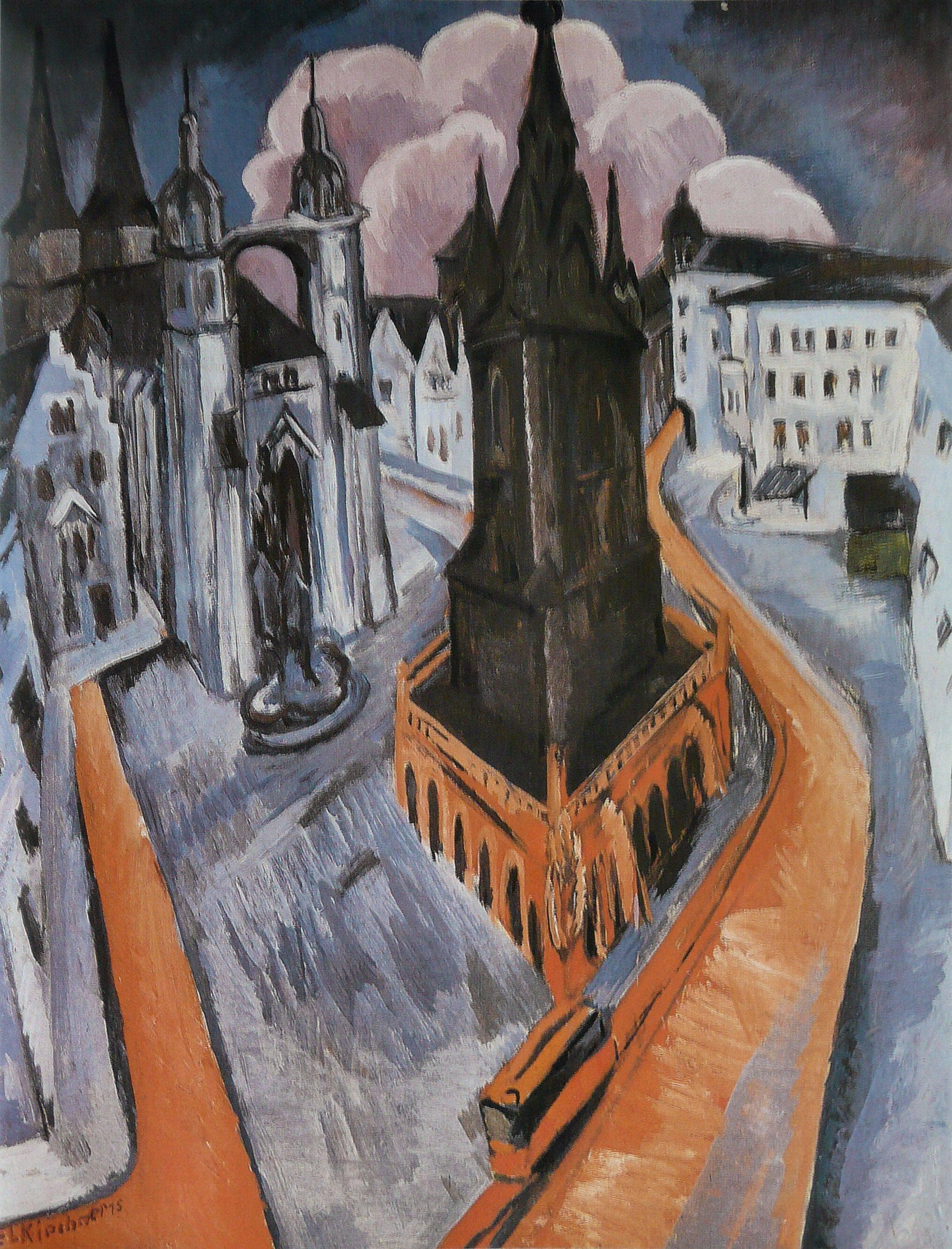
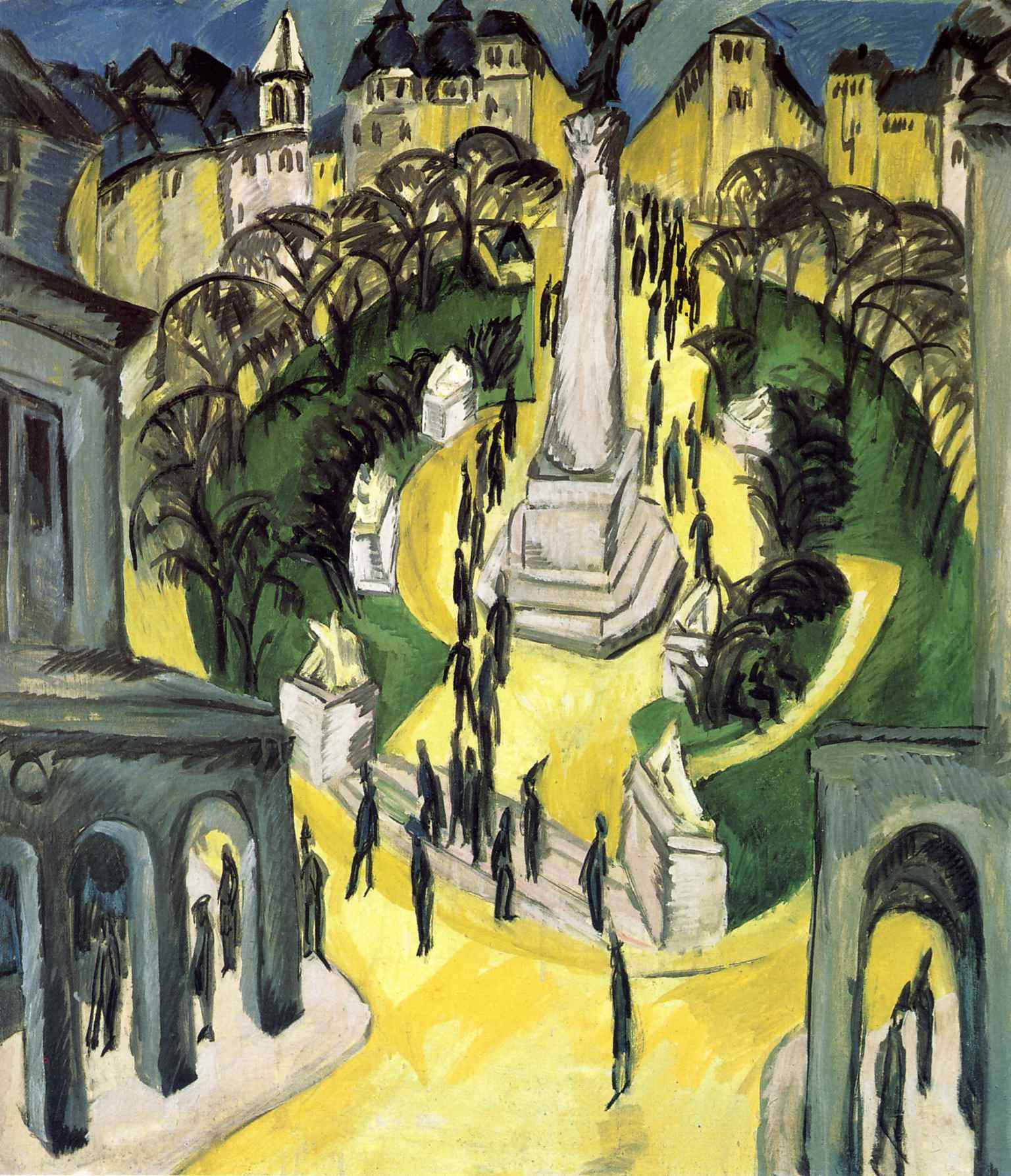
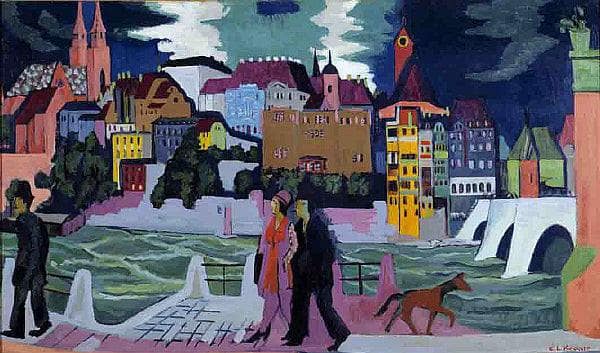
Similar themes of isolation and emotional struggle appear in other works by Kirchner. Paintings like "Street, Berlin" and "Self-Portrait as a Soldier" also explore the human condition through a lens of anxiety and fear. This thematic consistency highlights Kirchner's dedication to expressing the complexities of life.Contrasting Styles: Kirchner vs. His Contemporaries
While Kirchner's style is distinct, it contrasts with the works of his contemporaries like Wassily Kandinsky and Paul Klee. Kandinsky focused on abstraction and spiritual themes, while Klee often employed whimsy and humor. Kirchner's raw emotional expression sets him apart, making "Witch and Scarecrow in the Snow" a unique contribution to the art world.FAQs About "Witch and Scarecrow in the Snow"
What inspired Ernst Ludwig Kirchner to create "Witch and Scarecrow in the Snow"?
Kirchner was inspired by the themes of folklore and the emotional landscape of winter. He sought to explore the duality of fear and fascination through the figures of the witch and scarecrow.What are the main themes depicted in the painting?
The main themes include isolation, fear, and the power of feminine mystique. The winter setting amplifies these themes, creating a chilling atmosphere.How does Kirchner's style in this painting compare to his other works?
Kirchner's style in this painting features bold colors and expressive brushwork, similar to his other works. However, the emotional intensity and thematic focus on winter set it apart.What emotions does "Witch and Scarecrow in the Snow" evoke in viewers?
Viewers often feel unease, curiosity, and introspection when experiencing the painting. The emotional depth resonates with personal fears and struggles.What is the significance of the winter setting in this artwork?
The winter setting symbolizes isolation and emotional turmoil. It enhances the themes of fear and vulnerability, making the painting a powerful exploration of the human experience.FAQs About the Painting Reproduction
How can I ensure the reproduction captures the essence of the original painting?
To ensure the reproduction captures the essence of the original, choose a high-quality painting reproduction that uses premium materials and skilled craftsmanship. Look for reproductions that emphasize texture and color accuracy.What should I consider when displaying a reproduction of this artwork?
When displaying a reproduction of "Witch and Scarecrow in the Snow," consider the lighting and surrounding decor. A well-lit space can enhance the emotional impact of the painting, allowing its colors and textures to shine.Select Size
From $74.98
Original: $249.95
-70%Witch and Scarecrow in the Snow—
$249.95
$74.98Product Information
Product Information
Shipping & Returns
Shipping & Returns