Artillerymen
Exploring the Vibrant World of Artillerymen by Ernst Ludwig Kirchner
Understanding the Historical Context of Kirchner's Artillerymen
The Impact of World War I on Expressionist Art
World War I profoundly influenced the art world, leading to a surge in Expressionism. Artists like Kirchner captured the chaos and emotional turmoil of the era. The war's brutality pushed many to explore themes of alienation, trauma, and the human condition, making Kirchner's Artillerymen a powerful reflection of this tumultuous time.
Kirchner's Role in the Die Brücke Movement
Ernst Ludwig Kirchner was a founding member of the Die Brücke movement, which sought to break away from traditional artistic conventions. This group aimed to express raw emotion and the human experience through innovative techniques. Artillerymen embodies the spirit of Die Brücke, showcasing Kirchner's commitment to exploring the darker aspects of life through vivid imagery and emotional depth.
Visual Analysis of Artillerymen: A Deep Dive into Composition
Color Palette: The Bold Use of Color in Kirchner's Work
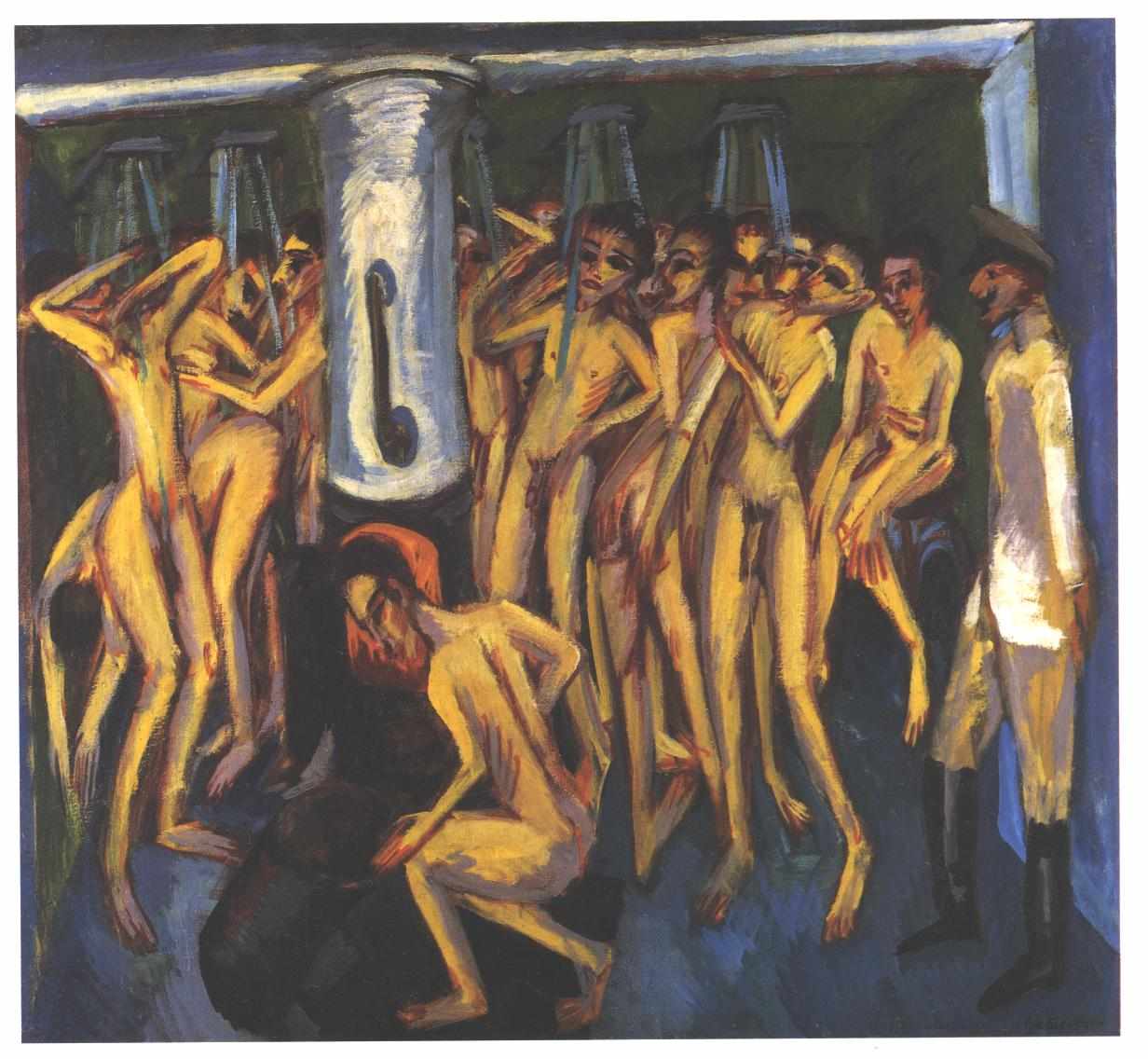
Kirchner's Artillerymen features a striking color palette that evokes strong emotions. The use of vibrant reds, deep blues, and earthy greens creates a sense of urgency and tension. These colors not only capture the viewer's attention but also reflect the psychological state of the soldiers depicted in the painting.
Brushwork Techniques: Capturing Emotion Through Texture
The brushwork in Artillerymen is dynamic and expressive. Kirchner employed thick, bold strokes that convey movement and energy. This technique enhances the emotional intensity of the piece, allowing viewers to feel the weight of the soldiers' experiences.
Figures and Forms: The Representation of Soldiers in Motion
In Artillerymen, Kirchner portrays soldiers in various poses, emphasizing their physicality and movement. The figures appear almost distorted, reflecting the chaos of war. This representation challenges traditional notions of heroism, instead highlighting the vulnerability of the soldiers.
Thematic Exploration: War, Identity, and Emotion in Artillerymen
Depicting the Psychological Impact of War
Artillerymen delves into the psychological scars left by war. Kirchner captures the anxiety and despair experienced by soldiers, making the viewer acutely aware of their internal struggles. This theme resonates deeply, as it reflects the broader impact of conflict on society.
Masculinity and Vulnerability: A Dual Perspective
The painting explores the duality of masculinity and vulnerability. Kirchner presents soldiers as both strong and fragile, challenging societal expectations of male toughness. This nuanced portrayal invites viewers to reconsider traditional gender roles in the context of war.
Symbolism in Artillerymen: What the Soldiers Represent
The soldiers in Artillerymen symbolize the loss of innocence and the harsh realities of war. They represent not just individual experiences but also the collective trauma faced by a generation. Kirchner's use of symbolism adds layers of meaning, inviting deeper reflection on the consequences of conflict.
Ernst Ludwig Kirchner: A Biographical Sketch of the Artist
Early Life and Artistic Development
Ernst Ludwig Kirchner was born in 1880 in Aschaffenburg, Germany. He studied architecture before turning to painting, which allowed him to express his artistic vision. His early exposure to Impressionism and Post-Impressionism shaped his unique style, blending vibrant colors with emotional depth.
Influences and Inspirations Behind Kirchner's Work
Kirchner drew inspiration from various sources, including African art and the works of Vincent van Gogh. His experiences in urban settings, particularly Berlin, influenced his portrayal of modern life and its complexities. These influences are evident in Artillerymen, where he combines personal and societal themes.
Legacy of Kirchner: Impact on Modern Art Movements
Kirchner's legacy extends beyond Expressionism. His innovative techniques and emotional depth influenced later movements, including Abstract Expressionism. Artillerymen remains a testament to his impact, showcasing his ability to convey profound human experiences through art.
Artillerymen in the Context of Expressionism
Comparative Analysis with Other Expressionist Artists
When compared to contemporaries like Edvard Munch and Wassily Kandinsky, Kirchner's Artillerymen stands out for its raw emotional power. While Munch often focused on existential themes, Kirchner's work captures the immediacy of war's impact on the human psyche. This distinction highlights Kirchner's unique contribution to the Expressionist movement.
Artillerymen's Place in Kirchner's Body of Work
Artillerymen is a pivotal piece in Kirchner's oeuvre, showcasing his evolution as an artist. It reflects his response to the horrors of war and his commitment to exploring complex emotions. This painting serves as a bridge between his earlier works and his later, more abstract pieces.
Artistic Techniques: The Craft Behind Artillerymen
Innovative Use of Line and Form in Kirchner's Style
Kirchner's innovative use of line and form is evident in Artillerymen. He employs sharp, angular lines to create a sense of tension and movement. This technique enhances the emotional impact of the painting, drawing viewers into the soldiers' experiences.
Layering and Depth: Techniques that Bring Artillerymen to Life
The layering techniques in Artillerymen add depth and complexity to the composition. Kirchner skillfully builds up layers of paint, creating a rich texture that invites viewers to explore the painting further. This approach enhances the overall visual experience, making it a captivating piece of art.
Artillerymen: Reception and Critique Over the Years
Initial Reception: How Critics Responded to Kirchner's Work
Upon its release, Artillerymen received mixed reviews. Some critics praised Kirchner's bold approach, while others found it too raw and unsettling. Over time, however, the painting has gained recognition for its emotional depth and historical significance.
Modern Interpretations: The Painting's Relevance Today
Today, Artillerymen resonates with contemporary audiences as it addresses themes of conflict and trauma. Its exploration of the human condition remains relevant, prompting discussions about the impact of war on society. Kirchner's work continues to inspire artists and viewers alike, making it a timeless piece.
Frequently Asked Questions About Artillerymen
What inspired Ernst Ludwig Kirchner to create Artillerymen?
Kirchner was inspired by the emotional turmoil and chaos of World War I. He sought to capture the psychological impact of war on soldiers, reflecting the broader societal struggles of the time.
How does Artillerymen reflect the emotions of World War I?
Artillerymen conveys the anxiety, despair, and vulnerability experienced by soldiers during the war. Kirchner's use of color and form captures the emotional weight of their experiences, making it a poignant reflection of the era.
What are the key themes explored in Artillerymen?
The key themes in Artillerymen include the psychological impact of war, the duality of masculinity and vulnerability, and the symbolism of soldiers as representations of collective trauma. These themes invite viewers to engage with the deeper meanings behind the artwork.
How does Kirchner's style in Artillerymen differ from his other works?
In Artillerymen, Kirchner's style is characterized by bold colors and dynamic brushwork, emphasizing emotional intensity. While he often explored similar themes in other works, this painting stands out for its raw portrayal of war's impact on the human psyche.
What techniques did Kirchner use to convey movement in Artillerymen?
Kirchner used dynamic brushstrokes and angular lines to convey movement in Artillerymen. The figures appear to be in motion, reflecting the chaos of battle and the urgency of their experiences.
Are there any notable exhibitions featuring Artillerymen?
Artillerymen has been featured in various exhibitions dedicated to Expressionism and Kirchner's work. These exhibitions highlight the painting's significance and its impact on modern art.
What should I know about the reproduction of Artillerymen?
Art reproductions of Artillerymen offer a superior alternative to prints. They capture the texture, color, and emotional depth of the original painting, allowing art lovers to appreciate Kirchner's work in their own homes.
How can I appreciate the details in a reproduction of Artillerymen?
To appreciate the details in a reproduction of Artillerymen, take time to observe the brushwork, color variations, and emotional expressions of the figures. Engaging with the artwork on a personal level enhances your understanding of Kirchner's artistic vision.
Original: $549.95
-70%$549.95
$164.99Product Information
Product Information
Shipping & Returns
Shipping & Returns
Description
Exploring the Vibrant World of Artillerymen by Ernst Ludwig Kirchner
Understanding the Historical Context of Kirchner's Artillerymen
The Impact of World War I on Expressionist Art
World War I profoundly influenced the art world, leading to a surge in Expressionism. Artists like Kirchner captured the chaos and emotional turmoil of the era. The war's brutality pushed many to explore themes of alienation, trauma, and the human condition, making Kirchner's Artillerymen a powerful reflection of this tumultuous time.
Kirchner's Role in the Die Brücke Movement
Ernst Ludwig Kirchner was a founding member of the Die Brücke movement, which sought to break away from traditional artistic conventions. This group aimed to express raw emotion and the human experience through innovative techniques. Artillerymen embodies the spirit of Die Brücke, showcasing Kirchner's commitment to exploring the darker aspects of life through vivid imagery and emotional depth.
Visual Analysis of Artillerymen: A Deep Dive into Composition
Color Palette: The Bold Use of Color in Kirchner's Work
Kirchner's Artillerymen features a striking color palette that evokes strong emotions. The use of vibrant reds, deep blues, and earthy greens creates a sense of urgency and tension. These colors not only capture the viewer's attention but also reflect the psychological state of the soldiers depicted in the painting.
Brushwork Techniques: Capturing Emotion Through Texture
The brushwork in Artillerymen is dynamic and expressive. Kirchner employed thick, bold strokes that convey movement and energy. This technique enhances the emotional intensity of the piece, allowing viewers to feel the weight of the soldiers' experiences.
Figures and Forms: The Representation of Soldiers in Motion
In Artillerymen, Kirchner portrays soldiers in various poses, emphasizing their physicality and movement. The figures appear almost distorted, reflecting the chaos of war. This representation challenges traditional notions of heroism, instead highlighting the vulnerability of the soldiers.
Thematic Exploration: War, Identity, and Emotion in Artillerymen
Depicting the Psychological Impact of War
Artillerymen delves into the psychological scars left by war. Kirchner captures the anxiety and despair experienced by soldiers, making the viewer acutely aware of their internal struggles. This theme resonates deeply, as it reflects the broader impact of conflict on society.
Masculinity and Vulnerability: A Dual Perspective
The painting explores the duality of masculinity and vulnerability. Kirchner presents soldiers as both strong and fragile, challenging societal expectations of male toughness. This nuanced portrayal invites viewers to reconsider traditional gender roles in the context of war.
Symbolism in Artillerymen: What the Soldiers Represent
The soldiers in Artillerymen symbolize the loss of innocence and the harsh realities of war. They represent not just individual experiences but also the collective trauma faced by a generation. Kirchner's use of symbolism adds layers of meaning, inviting deeper reflection on the consequences of conflict.
Ernst Ludwig Kirchner: A Biographical Sketch of the Artist
Early Life and Artistic Development
Ernst Ludwig Kirchner was born in 1880 in Aschaffenburg, Germany. He studied architecture before turning to painting, which allowed him to express his artistic vision. His early exposure to Impressionism and Post-Impressionism shaped his unique style, blending vibrant colors with emotional depth.
Influences and Inspirations Behind Kirchner's Work
Kirchner drew inspiration from various sources, including African art and the works of Vincent van Gogh. His experiences in urban settings, particularly Berlin, influenced his portrayal of modern life and its complexities. These influences are evident in Artillerymen, where he combines personal and societal themes.
Legacy of Kirchner: Impact on Modern Art Movements
Kirchner's legacy extends beyond Expressionism. His innovative techniques and emotional depth influenced later movements, including Abstract Expressionism. Artillerymen remains a testament to his impact, showcasing his ability to convey profound human experiences through art.
Artillerymen in the Context of Expressionism
Comparative Analysis with Other Expressionist Artists
When compared to contemporaries like Edvard Munch and Wassily Kandinsky, Kirchner's Artillerymen stands out for its raw emotional power. While Munch often focused on existential themes, Kirchner's work captures the immediacy of war's impact on the human psyche. This distinction highlights Kirchner's unique contribution to the Expressionist movement.
Artillerymen's Place in Kirchner's Body of Work
Artillerymen is a pivotal piece in Kirchner's oeuvre, showcasing his evolution as an artist. It reflects his response to the horrors of war and his commitment to exploring complex emotions. This painting serves as a bridge between his earlier works and his later, more abstract pieces.
Artistic Techniques: The Craft Behind Artillerymen
Innovative Use of Line and Form in Kirchner's Style
Kirchner's innovative use of line and form is evident in Artillerymen. He employs sharp, angular lines to create a sense of tension and movement. This technique enhances the emotional impact of the painting, drawing viewers into the soldiers' experiences.
Layering and Depth: Techniques that Bring Artillerymen to Life
The layering techniques in Artillerymen add depth and complexity to the composition. Kirchner skillfully builds up layers of paint, creating a rich texture that invites viewers to explore the painting further. This approach enhances the overall visual experience, making it a captivating piece of art.
Artillerymen: Reception and Critique Over the Years
Initial Reception: How Critics Responded to Kirchner's Work
Upon its release, Artillerymen received mixed reviews. Some critics praised Kirchner's bold approach, while others found it too raw and unsettling. Over time, however, the painting has gained recognition for its emotional depth and historical significance.
Modern Interpretations: The Painting's Relevance Today
Today, Artillerymen resonates with contemporary audiences as it addresses themes of conflict and trauma. Its exploration of the human condition remains relevant, prompting discussions about the impact of war on society. Kirchner's work continues to inspire artists and viewers alike, making it a timeless piece.
Frequently Asked Questions About Artillerymen
What inspired Ernst Ludwig Kirchner to create Artillerymen?
Kirchner was inspired by the emotional turmoil and chaos of World War I. He sought to capture the psychological impact of war on soldiers, reflecting the broader societal struggles of the time.
How does Artillerymen reflect the emotions of World War I?
Artillerymen conveys the anxiety, despair, and vulnerability experienced by soldiers during the war. Kirchner's use of color and form captures the emotional weight of their experiences, making it a poignant reflection of the era.
What are the key themes explored in Artillerymen?
The key themes in Artillerymen include the psychological impact of war, the duality of masculinity and vulnerability, and the symbolism of soldiers as representations of collective trauma. These themes invite viewers to engage with the deeper meanings behind the artwork.
How does Kirchner's style in Artillerymen differ from his other works?
In Artillerymen, Kirchner's style is characterized by bold colors and dynamic brushwork, emphasizing emotional intensity. While he often explored similar themes in other works, this painting stands out for its raw portrayal of war's impact on the human psyche.
What techniques did Kirchner use to convey movement in Artillerymen?
Kirchner used dynamic brushstrokes and angular lines to convey movement in Artillerymen. The figures appear to be in motion, reflecting the chaos of battle and the urgency of their experiences.
Are there any notable exhibitions featuring Artillerymen?
Artillerymen has been featured in various exhibitions dedicated to Expressionism and Kirchner's work. These exhibitions highlight the painting's significance and its impact on modern art.
What should I know about the reproduction of Artillerymen?
Art reproductions of Artillerymen offer a superior alternative to prints. They capture the texture, color, and emotional depth of the original painting, allowing art lovers to appreciate Kirchner's work in their own homes.
How can I appreciate the details in a reproduction of Artillerymen?
To appreciate the details in a reproduction of Artillerymen, take time to observe the brushwork, color variations, and emotional expressions of the figures. Engaging with the artwork on a personal level enhances your understanding of Kirchner's artistic vision.